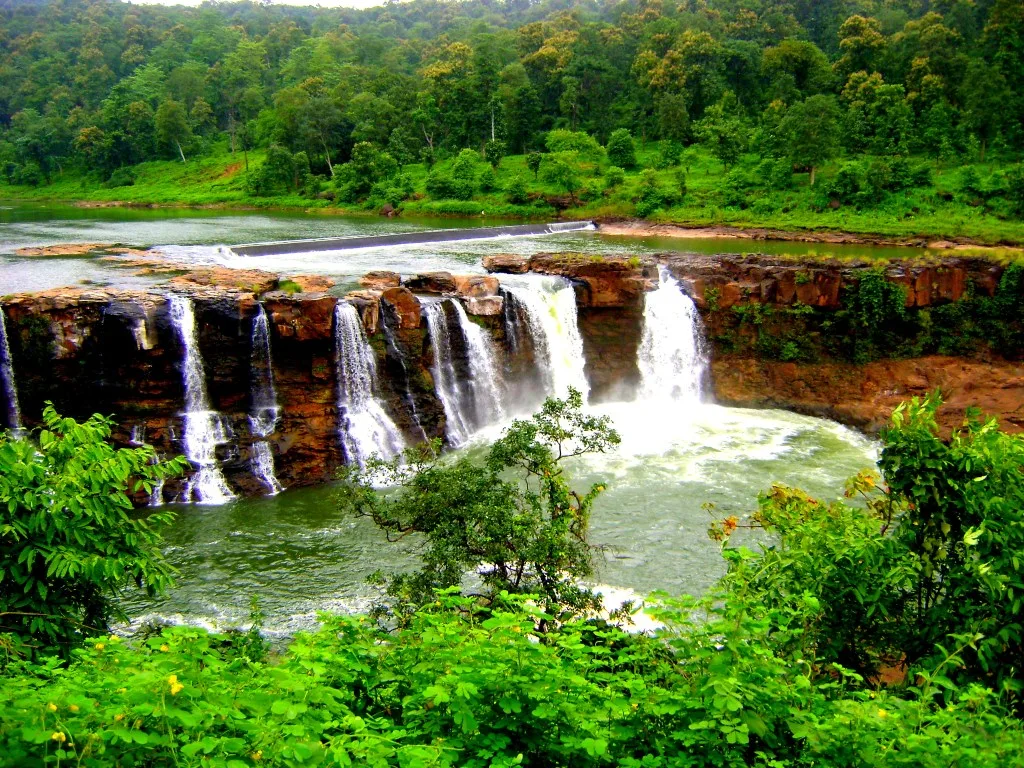
Chhattisgarh is often called India’s hidden gem — a land of dense forests, roaring waterfalls, tribal cultures, and ancient temples. From the majestic Chitrakote Falls to the mystic caves of Kanger Valley, there’s a treasure trove of things to do in Chhattisgarh for every type of traveler. This guide covers everything: attractions, itineraries, budget, travel tips, safety, FAQs, and more — all with a focus on accuracy and citations.

Quick Snapshot
| Feature | Detail |
|---|---|
| Best time to visit | October to March (pleasant, dry) |
| How to reach | Via rail/air to Raipur, then roads to districts |
| Must-do experiences | Chitrakote Falls, Kanger Valley caves, tribal village visits, Purkhouti Muktangan, Sirpur ruins |
| Estimated daily budget (midrange) | ₹1,200 – ₹3,000 (excluding in-state travel) |
| Safety tips | Stay aware in forest zones, hire local guides, respect tribal customs |
Why Visit Chhattisgarh?
Chhattisgarh stands apart for its mix of natural beauty and living traditions. Unlike heavily touristed states, it retains a raw, untouched feel. Nearly 45% of the state is forested, and 32% of its population is tribal — making it ideal for eco-tourism, ethno-cultural travel, and offbeat exploration.
You’ll find dramatic waterfalls, deep caves, ancient temple ruins, tribal art villages, wildlife sanctuaries, and quiet hamlets. Whether you’re traveling with family, friends, or kids, Chhattisgarh offers both relaxation and adventure.
When to Go
Chhattisgarh experiences a tropical monsoon climate, with three broad seasons:
- October to March (Winter / Dry Season)
Ideal for travel — mild days, cool nights, and clear skies. - April to June (Summer / Pre-monsoon)
Hot and humid, especially in plains; not ideal for strenuous outdoor activity. - June to September (Monsoon Season)
Waterfalls and rivers are fullest, landscapes lush; but heavy rains may block roads or make treks hazardous.
I could not locate a month-by-month temperature/precipitation table from an official Chhattisgarh state meteorological portal. For planning, check India Meteorological Department (IMD) or district-level weather sites.
How to Reach
By Air
The state capital Raipur hosts the Swami Vivekananda Airport (RPR), connecting to major Indian cities. From Raipur, you can drive or take buses to various destinations across the state.
By Train
Raipur Junction is a major rail hub. Many sites (e.g. Sirpur) are reachable by rail + road combinations. For example, Sirpur is ~78 km east of Raipur.
By Road
Chhattisgarh has a network of state highways and district roads connecting towns and tourist zones. For remote areas, local buses, shared jeeps, or private taxis are common. The official Chhattisgarh transport/travel agency guidelines are regulated by the state transport authority.
If you’re reaching places like Bastar, you may have to traverse forested hilly roads—check local district websites for road status.
Where to Stay
Chhattisgarh offers stays from basic guesthouses to eco-resorts. The Chhattisgarh Tourism Board provides listings of hotels and resorts state-wide.
Some examples:
- In Raipur / Naya Raipur area: Guesthouses, city hotels, heritage lodgings.
- Near Chitrakote / Bastar: Riverside lodges, forest resorts (often basic)
- Cultural / heritage towns (e.g. Sirpur): boutique guesthouses
- Purkhouti Muktangan (Naya Raipur): stays in proximity to showcase tribal culture.
Prices vary widely depending on season and remoteness.
Top Attractions & Experiences
Below are some of the must-see / must-do spots in Chhattisgarh (organized by region). Each entry includes at least one verified fact or source.
Chitrakote Falls (Bastar District)
Often called “India’s Niagara,” Chitrakote Falls is located ~38 km west of Jagdalpur on the Indravati River, with a height of about 29 m and width nearing 300 m in monsoon.

Things to do: boat rides (if permitted), viewpoint visits, riverside walks, photography.
Sirpur Group of Monuments (Mahasamund District)
Sirpur is an archaeological site containing Hindu, Jain, and Buddhist monuments from 5th–12th centuries, located ~78 km east of Raipur.
Things to do: walk temple ruins, spot ancient carvings, enjoy riverbank views.
Purkhouti Muktangan, Naya Raipur
A cultural sculpture garden / open museum depicting tribal life, art, habitats, and rituals in 24+ hectares near Naya Raipur. It was inaugurated in 2006 by President A.P.J. Abdul Kalam.
Great for families and first-day introduction to Chhattisgarh identity.
Jatmai Mata Temple & Waterfall (Gariaband District)
Jatmai Temple is located ~80 km from Raipur, and water streams/gutters cascade around the temple, offering a picnic-waterfall spot, especially during monsoon.

Note: The Jatmai Waterfall is seasonal — best during post-monsoon months.
Kanger Valley National Park & Caves (Bastar)
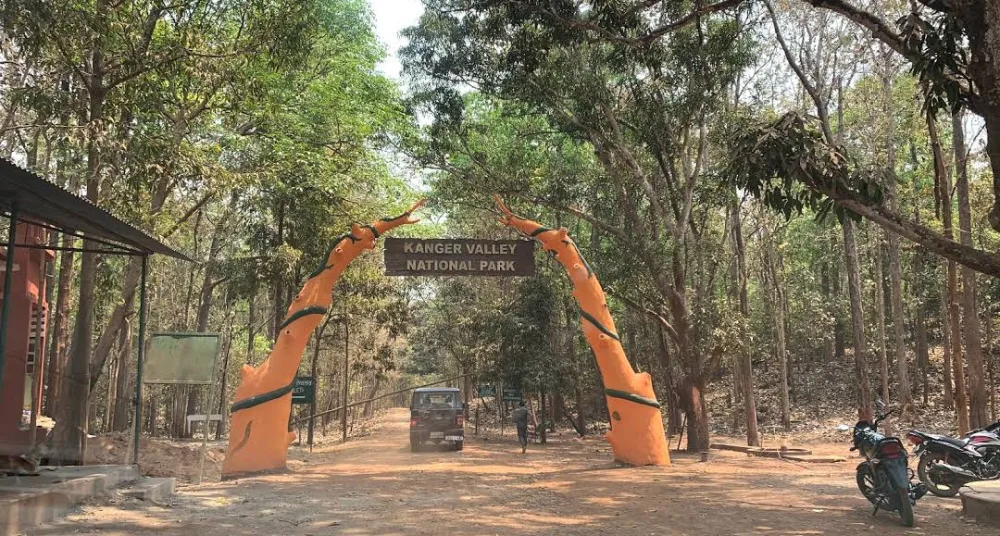
Deep forest, biodiversity, and cave systems like Kutumsar Caves, Kailash Caves, and Kanger Dhara are part of this national park.
Things: guided cave walks, wildlife spotting, trekking.
Barnawapara Wildlife Sanctuary
One of the wildlife zones listed in Chhattisgarh government’s tourist destinations.
Experience: safaris (if available), nature walks, birding.
Bhoramdeo Temple Complex
Often dubbed “Khajuraho of Chhattisgarh,” Bhoramdeo features erotic carvings and is among the heritage temples mentioned on the state tourism portal.

Visit the temple complex, explore architecture.
Dongargarh / Ratanpur / Mahamaya Temple
These temple towns near Raipur are popular pilgrimage spots. The Mahamaya Temple (Ratanpur) is ~900 years old and draws devotees and history buffs.
Khudia Dam (Mungeli District)
Also known as Rajiv Gandhi Reservoir, ~45 km from Mungeli, serves as scenic reservoir area. Boating, picnics.
Suggested Itineraries
Depending on how many days you have, here are sample plans:
1-Day Itinerary (if based in Raipur)
- Morning: Purkhouti Muktangan (cultural intro)
- Midday: Jatmai Temple and Waterfall
- Afternoon: Visit Dongargarh or Ratanpur temples
- Evening: Return / local market in Raipur
3-Day Itinerary
- Day 1: Arrive Raipur → Purkhouti → Ratanpur / Mahamaya Temple → Dongargarh
- Day 2: Sirpur ruins → drive to Bastar / Jagdalpur
- Day 3: Chitrakote Falls → Kanger Valley caves → tribal village walk
7-Day Itinerary (deep exploration)
- Days 1–2: Raipur zone (museums, temples, cultural)
- Days 3–5: Bastar region: waterfalls, caves, forests
- Days 6–7: Wildlife & sanctuaries (e.g. Barnawapara) + relaxation
You can also combine with adjacent states (Odisha, Telangana) for extended trips.
Costs & Budget
Below is a rough budget table. Confirm local rates close to travel date.
| Item | Approx Cost / Day |
|---|---|
| Local transport (bus/jeep) | ₹200 – 700 |
| Entry / Monument / Wildlife fees | ₹50 – 500 (varies by site) |
| Food & water | ₹200 – 800 |
| Stay (midrange) | ₹600 – 2,000 |
| Guide / local fees / misc | ₹100 – 500 |
So a 3-day trip might cost ~ ₹2,500 – ₹8,000 depending on standards.
Local Transport
- State buses / regional buses: run between major towns
- Shared jeeps / taxis: often used in forest roads or remote zones
- Local autos / tuk-tuks in city areas
- Guided tours / private drivers: especially for bastar / remote itineraries
- Permits: some forest zones and national parks require permits; check with Chhattisgarh Tourism Board or Forest Department
Also, always ask locals or your hotel for recommended fares.
Food & Drink
- Local food: Chhattisgarhi cuisine includes dishes like chila, fara, boreba, mahua sweets, tribal rice preparations.
- Hygiene tips: prefer busy local eateries, avoid raw salads in remote zones, carry bottled / filtered water.
- Tribal food experience: in villages, you may be invited for local home-cooked meals — a memorable experience if safe and arranged via legitimate homestays.
Safety, Health & Permits
- Vaccinations: standard vaccinations (typhoid, hepatitis, tetanus) recommended.
- Malaria / mosquito protection in forested zones.
- Clothing / footwear: sturdy shoes, long pants in forests, insect repellent.
- Respect tribal customs: some areas may have restricted zones; always secure permission.
- Night travel: avoid wild forest roads after dark without a guide.
- Permit zones: caves / national parks often require guides or permits — verify with forest department or tourism board.
Don’t forget to check state health or district-level sites prior to travel.
Packing List & Tips
Essentials:
- Lightweight breathable clothes
- A jacket / sweater (for early morning / forest areas)
- Comfortable walking/hiking shoes
- Insect repellent, sunscreen, hat
- Torch / headlamp
- First-aid kit, medicines
- Reusable water bottle (filtered)
- Copies of ID, reservations
- Rain cover / umbrella (if traveling in monsoon)
- Camera, power bank
Cultural tip: Respect local dress standards, especially in temples and tribal areas — avoid revealing attire.
Responsible Travel & Sustainability
- Use homestays / local guides to support community income
- Carry your trash — especially in fragile zones
- Don’t disturb wildlife or forests
- Avoid plastic bottles; use refillable containers
- Respect signs / restricted zones
- Stay aware of local regulations in tribal areas
Notably, the tribal village Dhudmaras (in Kanger Valley, Bastar district) recently got recognized as one of the top tourism villages by the UNWTO, and is being developed using solar energy and eco-tourism principles to preserve local culture.
Top FAQs
Q1: What is Chhattisgarh famous for?
Chhattisgarh is known for its waterfalls (Chitrakote), caves, tribal culture, ancient temples (Sirpur, Bhoramdeo), forests, and ethnographic richness.
Q2: Is 2 days enough for Chhattisgarh?
You can cover Raipur + one waterfall / cultural site in 2 days, but to fully experience Bastar and caves, 4–5 days or more is ideal.
Q3: Things to do in Chhattisgarh with family / kids
Visit Purkhouti Muktangan, waterfalls (Jatmai), cultural garden, light treks, museum trips — safe and enriching for families.
Q4: Things to do in Chhattisgarh at night
Night safaris (if available in sanctuaries), village cultural performances, stargazing, night walks under supervision.
Q5: Unique things to do in Chhattisgarh
Tribal village stays, solar-lit Dhudmaras village visit, cave explorations, local art & craft trails.
Q6: How to cover Chhattisgarh in 1 day?
If based in Raipur, you can visit Purkhouti Muktangan + Dongargarh / Ratanpur temples + Jatmai waterfall in one full day.
Q7: What to wear in Chhattisgarh?
Light, breathable clothes; modest attire for temples; good walking shoes; layers for forests / early mornings.
Conclusion
Chhattisgarh surprises and rewards travelers with its unpolished beauty, cultural depth, and whispered legends. Whether you’re watching waterfalls crash in Bastar, walking through ancient ruins in Sirpur, staying in tribal villages, or simply soaking in forest serenity — there’s always more to discover. Use this guide as your roadmap, but leave room for detours and local magic.
Read more: Attractions
Latest Posts
- Shekhawati Travel Guide 2026: India’s Greatest Open-Air Art Gallery
 Somewhere between Delhi and Bikaner, in a semi-arid stretch of northern Rajasthan that most tourists drive straight through on their…
 - Sariska Stargazing Guide 2026: India’s Best Dark Sky Weekend from DelhiOn a clear night in Delhi, you can see perhaps 20 to 50 stars. Twenty to fifty. Out of the…
- Dhanaulti Travel Guide 2026: The Complete Weekend Escape from DelhiTwenty-four kilometres past Mussoorie, the road quietens. The tourist coaches stop here. The souvenir shops end here. The cable car…
- Tirthan Valley Travel Guide 2026: Everything You Need to Know Before You GoThere is a turning off the Manali highway that most people miss. Just before the Aut Tunnel — where the…
- Lansdowne Travel Guide 2026: The Complete Weekend Escape from DelhiPlanning a trip to Lansdowne from Delhi? Complete 2026 guide — how to reach, best time to visit, where to stay, things to do, budget breakdown & 2-night itinerary for Uttarakhand’s most underrated hill station.