There is a particular kind of quiet that only exists in places where time has genuinely slowed down. Not the manufactured quiet of a resort that has banned honking. Real quiet — the kind where you hear pine needles settle and the only traffic is an occasional Army jeep passing with unhurried efficiency.

Lansdowne has that quiet.
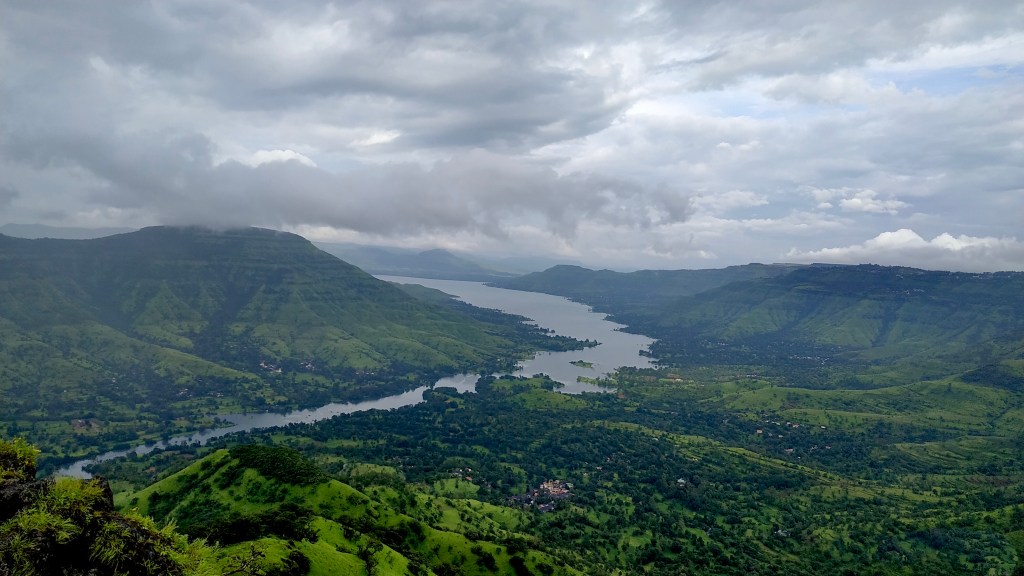
At 1,706 metres in the Pauri Garhwal district of Uttarakhand, just 260 kilometres from Delhi, Lansdowne is what a hill station looks like when nobody has tried to monetise it. No cable cars. No Mall Road chaos. No souvenir shops every three metres. Just dense oak and blue pine forest, colonial-era stone buildings that the Indian Army has maintained with military precision, and a town square so unhurried you’ll find yourself adjusting your breathing to match its pace.
I’ve visited Lansdowne twice now. Both times, I’ve come back wondering why more people from Delhi don’t know about it. This guide is my attempt to fix that — with everything you actually need to plan your trip, from the best time to visit and how to reach, to where to stay, what to eat, and the three things most Lansdowne guides miss entirely.
Quick Facts: Lansdowne at a Glance
| Detail | Information |
|---|---|
| Distance from Delhi | 258–265 km via NH-334 |
| Drive time from Delhi | 5.5–7 hours depending on traffic |
| Altitude | 1,706 metres (5,597 feet) |
| Best time to visit | March–June and September–November |
| Ideal duration | 2 nights, 3 days |
| Budget per person | ₹3,000–6,000 for 2 nights (budget–mid range) |
| Nearest railway station | Kotdwar — 40 km |
| Nearest airport | Jolly Grant, Dehradun — 148 km |
| Permit required | No (for Indian nationals) |
| Phone connectivity | Weak beyond main market — carry Jio or BSNL |
Why Lansdowne Deserves a Dedicated Trip (Not Just a Passing Mention)
Most Delhi weekenders write Lansdowne off as “too far for too little.” That’s a misunderstanding of what the place offers.

Lansdowne is not an action destination. There are no bungee jumps, no cable cars, no packed markets selling the same pashmina shawls you’ve seen in Shimla and Mussoorie. What Lansdowne offers is rarer and harder to find within five hours of Delhi: genuine undisturbed forest, colonial architecture that actually feels colonial because it hasn’t been converted into a café or gift shop, and the specific peace that comes from a cantonment town where discipline is a way of life and not a marketing slogan.
The Garhwal Rifles regiment has called Lansdowne home since 1887. The British chose this ridge specifically for its natural fortification and seclusion. The regiment has maintained that character ever since — the roads are swept, the forests are intact, and the old stone buildings still stand exactly as they were designed. In a country where hill stations are increasingly indistinguishable from each other, Lansdowne’s military administration has accidentally preserved something irreplaceable.
It is also, factually, one of the safest hill towns in Uttarakhand for solo travellers, couples, and families alike.
Best Time to Visit Lansdowne
Lansdowne is genuinely a year-round destination, but the experience changes dramatically by season.

March to June (Peak Season): This is the most popular and, for most people, the best time to visit. Daytime temperatures hover between 20°C and 30°C. The forests are vivid green, the skies clear, and the Tip N Top viewpoint delivers its best panorama of the Shivalik ranges. Book accommodation at least 2–3 weeks ahead for April and May weekends — Lansdowne fills up faster than most people expect.
July to September (Monsoon): The surrounding forests turn an almost unrealistic shade of deep green during monsoon. If you enjoy rain-soaked mountain walks and don’t mind occasional road delays, Lansdowne in the monsoon is genuinely beautiful. The Kotdwar–Lansdowne stretch can get slippery after heavy rainfall — drive carefully and check road conditions before departing.
October to November (Post-Monsoon): Arguably the most photogenic season. The monsoon haze clears, the air is crisp, and on clear days you can see Himalayan peaks from the higher viewpoints that remain invisible the rest of the year. Fewer crowds than summer. Evenings get cold — carry a jacket.
December to February (Winter): Cold (temperatures can drop to 3–5°C at night) and occasionally foggy, but also hauntingly beautiful. Snowfall is possible but not guaranteed. If you want Lansdowne entirely to yourself, this is your season. Carry proper woollens and confirm hotel availability — some smaller guesthouses close in peak winter.
How to Reach Lansdowne from Delhi
By Road (Recommended)
Distance: 258–265 km | Time: 5.5–7 hours
The drive from Delhi to Lansdowne is straightforward and the scenery improves steadily once you cross Haridwar. The most common route:
Delhi → NH-58 → Haridwar → Najibabad → Kotdwar → Lansdowne
The last 40 km from Kotdwar to Lansdowne is on a winding mountain road — beautiful, but take it slowly, especially after dark. The road is in reasonable condition but narrow in several sections.
Pro tip on timing: Leave Delhi before 6 AM on a Friday or Saturday to beat the morning traffic out of the city. Arrival by noon gives you an entire afternoon at the destination. Leaving Sunday evening is universally painful — consider checking out Monday morning if your schedule allows.
By car: Own vehicle or a hired cab from Delhi. Expect ₹3,500–5,000 for a round-trip cab hire from Delhi.
By bus: Uttarakhand Transport Corporation (UTC) and private operators run overnight and early-morning buses from Delhi’s Kashmere Gate ISBT to Kotdwar. From Kotdwar, share taxis and local buses run to Lansdowne throughout the day.

By Train
The nearest railway station is Kotdwar (station code: KTW), 40 km from Lansdowne.
Well-connected trains from Delhi: Kathgodam Express and Bagh Express both stop at Kotdwar. Check IRCTC for current schedules and booking. From Kotdwar station, hire a shared taxi (₹80–150 per person) or private cab (₹600–900) to Lansdowne.
By Air
The nearest airport is Jolly Grant Airport in Dehradun (148 km away). Flying and then driving is only practical if you’re coming from far outside Delhi — for most Delhi travellers, the road or train is more efficient.
Where to Stay in Lansdowne
Lansdowne’s accommodation is limited — which is part of what keeps it peaceful. There are no large chain hotels here. What you’ll find instead are small guesthouses, forest lodges, and a handful of mid-range resorts on the fringes of town.
Budget (₹1,000–2,500 per night):
GMVN Tourist Rest House — The Garhwal Mandal Vikas Nigam property in Lansdowne is clean, reasonably maintained, and offers the no-frills mountain guesthouse experience. Book directly through the GMVN website. Basic but reliable.
Local guesthouses near the main market — Several family-run guesthouses cluster near the town centre. Rates vary from ₹800–1,800 per night. Ask about valley-facing rooms — the price difference is often minimal but the view difference is significant.

Mid-range (₹2,500–5,000 per night):
Trishul Guesthouse — A favourite for repeat visitors. Clean rooms, courteous staff, and a location that gives you forest on one side and town access on the other.
Himalayan Abode — Well-maintained property with good mountain views from the better rooms. Slightly outside the main market area, which means quieter nights.
Splurge (₹5,000–10,000 per night):
Seclude Lansdowne — The standout property in this category. Thoughtfully designed, excellent food, birding activities on-site, and staff who genuinely know the forest. If you’re treating yourself to one indulgent weekend, this is where to do it. Book well in advance.
Important for all bookings: Lansdowne has limited rooms across all categories. Do not show up without a booking on weekends between March and June, or October to November. Midweek visits (Tuesday–Thursday) offer the best availability and often 15–20% lower rates.
Things to Do in Lansdowne
1. Tip N Top (Tiffin Top) — The Non-Negotiable
Every visit to Lansdowne begins and ends at Tip N Top. This hilltop viewpoint sits at the highest accessible point in town and delivers a 360-degree panorama of the Shivalik ranges, the valley floor below, and on clear winter and post-monsoon days, the snow-covered higher Himalayas in the distance.
The walk up from the main market takes 20–30 minutes through pine forest. Go at sunrise. The town hasn’t woken up, the forest is completely quiet, and the light on the mountains in those first 20 minutes after dawn is something you’ll remember.
There is also a road for those who prefer to drive up — but the forest walk is the point.
2. Bhulla Tal Lake — Morning Rows and Still Water
A small, man-made lake maintained by the Garhwal Rifles regiment, Bhulla Tal is a 10-minute walk from the main market. Rowing boats are available for hire. The lake is modest in size — don’t arrive expecting Naini Lake — but the forest that surrounds it and the almost complete absence of noise make it one of those places where 45 minutes passes without you noticing.
Best visited in early morning before the day-visitors arrive. The lake is at its most photogenic when the mist hasn’t fully lifted.
Rowing boat hire: approximately ₹100–150 for 30 minutes.
3. Darwan Singh Regimental Museum
Named after Darwan Singh Negi, the Victoria Cross recipient from the Garhwal Rifles — the first Indian soldier to receive the honour in World War I — this two-storey museum sits near the regimental parade ground and houses a genuinely absorbing collection.
Expect: vintage photographs of army generals, original military uniforms dating to the regiment’s 1887 founding, weapons from both World Wars, Victoria Cross documentation, and the kind of detailed military history that most travel guides summarise in two sentences because they haven’t actually visited.
Entry requires permission at the gate and is generally accessible to civilians during visiting hours. Timings: typically 9 AM to 1 PM and 2 PM to 5 PM — confirm locally on arrival as these can change.
4. St. Mary’s Church and St. John’s Church
Two colonial-era churches that have been standing in Lansdowne since the British cantonment era. St. Mary’s, built in 1936, sits on Mall Road and is the more visited of the two. St. John’s is older and quieter — a stone building that has a specific quality of stillness inside that makes it worth a visit regardless of your religious inclinations.
Both churches are a 10-minute walk from the main market and can be covered in a single morning stroll.
5. Tarkeshwar Mahadev Temple — The 16 km Drive Worth Making

Most Lansdowne guides mention Tarkeshwar Mahadev in passing. Most visitors skip it because it’s 16 km outside town on a forest road.
Those visitors miss the best part of Lansdowne.
This ancient Shiva temple sits at 2,092 metres in a cedar and oak forest that feels genuinely primordial. The drive there is through thick canopy that barely lets sunlight through. The temple itself is modest in structure but extraordinary in atmosphere — the forest silence here is a different quality of silence than anywhere in the town. There is a natural spring nearby. Locals believe the forest around the temple to be among the oldest in Garhwal.
Go in the morning. Pack breakfast. Sit by the spring after visiting the temple. This is one of those spots where you understand why people drive 5 hours from Delhi for a 2-night trip.
How to get there: Hire a local cab from Lansdowne market (₹400–600 for a round trip with waiting time). The road is manageable in a good car but requires slow driving.
6. Hawaghar Viewpoint
A shorter alternative to Tip N Top for those who want a viewpoint without the uphill walk. Hawaghar (literally “house of wind”) is a raised platform with benches and a sweeping valley view. The breeze here is consistent and often dramatic — on a warm afternoon, this is where locals come to escape the heat.
Best in late afternoon as the sun drops toward the ridgeline and the valley fills with shadow.
7. Bhim Pakora — The Balancing Rock
A short walk from the main market leads to Bhim Pakora, a large boulder that sits balanced on a much smaller one in a way that defies comfortable physical intuition. Local legend attributes the balancing act to the Pandavas. Geologists would give you a different explanation. Either way, nudging the boulder with one finger and feeling it sway without falling is a peculiar, memorable experience.
Compact enough to cover in 20 minutes. Good for children.
8. Kalagarh Tiger Reserve Day Trip
13 km from Lansdowne, the Kalagarh Tiger Reserve forms the northern boundary of Jim Corbett National Park — spread across 300 square kilometres of forest and riverine habitat. This is an undervisited entry point to the Corbett ecosystem, with tiger, leopard, sambar, barking deer, hog deer, and over 600 species of birds recorded in the sanctuary.

Jeep safaris can be arranged from Lansdowne or directly at the reserve gate. Check seasonal availability and entry rules before planning — the reserve has seasonal closures.
9. Kanvashram
18 km from Lansdowne on the banks of the Malini river, Kanvashram is an ancient ashram with deep mythological roots — the sage Kanva is said to have raised Shakuntala here, the protagonist of Kalidasa’s Abhijnanashakuntalam. The forest setting on the riverbank is beautiful, the ruins of the old ashram are atmospheric, and the drive along the river is quiet and rewarding.

Best combined with a Tarkeshwar visit to make a full-day excursion outside town.
What to Eat in Lansdowne
Lansdowne’s food scene is small and genuine rather than extensive and curated. The hotel restaurants and a handful of dhabas and cafés cover everything you’ll need.
Local Garhwali dishes to try:
Aloo ke Gutke — Boiled potatoes tempered with local spices and mustard oil. Simple, warming, and available at most local eateries. The hill station version consistently outperforms the Delhi restaurant version.
Phaanu — A thick dal preparation from Garhwal made with a mix of pulses. Slow-cooked and dense, it’s comfort food for cold evenings.
Kafuli — A green curry made from local spinach and fenugreek leaves, thickened with rice paste. One of those dishes that tastes like it was designed for exactly this altitude and climate.
Kulath ki Dal — Horse gram lentil preparation that is both local and rare in most Indian restaurants outside the region.
Trip Travel Cafe — The standout café in Lansdowne, close to St. Mary’s Church on Mall Road. Travel-themed decor, vintage artefacts, books, board games, and a menu that consistently gets good reviews. Order the Maggi here — there are places where Maggi transcends its ingredients, and a café with valley views in a quiet hill town is one of them.
Practical eating advice: Most quality food in Lansdowne comes from hotel restaurants and the better local dhabas. There are no large restaurant chains here. This is not a problem — the local food is better.
2-Night Itinerary for Lansdowne
Day 1 — Arrival and Town Exploration
Depart Delhi before 6 AM. Arrive Lansdowne by noon–1 PM. Check in and freshen up.
Afternoon: Walk to Bhulla Tal for a quiet hour on the water. Continue to St. Mary’s Church and St. John’s Church — both are a short walk from town centre. Stroll the main market.
Evening: Hawaghar viewpoint for sunset. Dinner at hotel restaurant — try Phaanu and Aloo ke Gutke.
Day 2 — Forest and Viewpoints
Wake before sunrise. Walk to Tip N Top to catch the dawn panorama. Return for breakfast.
Morning: Darwan Singh Regimental Museum — allow 1–1.5 hours.
Post-lunch: Drive to Tarkeshwar Mahadev Temple (16 km). Allow 2–3 hours including the drive, temple visit, and time by the forest spring. Return before dark.
Evening: Bhim Pakora. Trip Travel Cafe for coffee and something to eat.
Day 3 — Morning and Departure
Morning walk through the forest paths near Bhulla Tal before the day-trippers arrive. Breakfast. Check out by late morning. Drive back to Delhi via Kotdwar — aim to be on the highway by 11 AM to avoid afternoon traffic building near Haridwar.
Budget Breakdown (Per Person, 2 Nights)
| Expense | Budget Range | Mid-Range |
|---|---|---|
| Accommodation (2 nights) | ₹1,600–3,000 | ₹4,000–8,000 |
| Food (3 days) | ₹1,000–1,500 | ₹2,000–3,000 |
| Local transport (cabs, boats) | ₹800–1,200 | ₹1,200–2,000 |
| Entry fees and activities | ₹200–400 | ₹400–800 |
| Total per person | ₹3,600–6,100 | ₹7,600–13,800 |
Fuel costs for a private car from Delhi add approximately ₹1,500–2,000 per vehicle round trip.
Practical Tips Before You Go
Book midweek if you can. Lansdowne on a Tuesday or Wednesday is a fundamentally different experience from Lansdowne on a Saturday. The town is quieter, hotel rates are lower, and the viewpoints belong to you.
Carry cash. ATMs in Lansdowne are limited and not always functional. Withdraw in Kotdwar before making the final ascent. Most small guesthouses and dhabas do not accept UPI reliably.
Fill petrol at Kotdwar. There is a petrol pump in Lansdowne but it is not always stocked. Don’t assume.
Phone signal is limited. Jio works in the main market area. Beyond that, expect patchy or no signal. This is, depending on your perspective, either a problem or the whole point.
Respect military zones. Lansdowne is an active cantonment. Some areas are restricted. Follow signage and instructions from Army personnel without debate.
Drive slowly on the Kotdwar–Lansdowne road. The 40 km mountain stretch after Kotdwar has sharp bends and is narrow in sections. It is not the place to make up time.
Layers, always. Even in summer, evenings in Lansdowne drop to 12–16°C. Carry a light jacket regardless of the season.
Frequently Asked Questions
Is Lansdowne worth visiting for 2 nights? Yes, absolutely. One night is not enough — the town rewards slowing down, and the Tarkeshwar Mahadev excursion alone deserves a dedicated half-day. Two nights is the minimum to feel like you’ve actually been there rather than passing through.
Is Lansdowne good for solo travellers? Excellent. The cantonment character of the town makes it one of the safest hill stations in Uttarakhand. The walks are well-defined, the locals are straightforward, and the guesthouses are accustomed to solo guests.
Is Lansdowne safe for solo women travellers? Yes. Broadly considered one of the safer hill towns in North India specifically because of the military presence and the general culture of the cantonment town. Standard common-sense travel precautions apply.
Can I visit Lansdowne in monsoon? Yes, but with preparations. The forest is spectacularly green in July–August. The road from Kotdwar can get slippery in heavy rain and occasional landslides occur. Check road conditions before departing and drive slowly.
What is the difference between Lansdowne and Mussoorie? Almost everything. Mussoorie has a busy Mall Road, cable cars, crowds, and a full commercial tourism infrastructure. Lansdowne has none of that. If you want activity and entertainment, Mussoorie is the answer. If you want genuine quiet and forest, Lansdowne wins.
Is Lansdowne good for families with children? Yes. Bhulla Tal boating, Bhim Pakora’s balancing rock, and the forest walks are all child-friendly. The town is small and safe enough for children to walk around without concern.
How far is Lansdowne from Rishikesh? Approximately 100 km — about 2.5–3 hours by road. Lansdowne can be combined with a Rishikesh stay for a longer Uttarakhand weekend if you have 3–4 days.
Nearby Destinations to Combine with Lansdowne
If you have more than 2 nights, Lansdowne sits within easy reach of several excellent extensions:
Pauri (85 km): The district headquarters of Pauri Garhwal sits at 1,814 metres with a famous Himalayan panorama from Kandoliya Temple — on clear days, over 300 km of peaks are visible. Combine for a 4-night itinerary.
Khirsu (95 km): An even quieter offbeat Garhwal village with apple orchards and Himalayan views. Tiny, peaceful, and almost completely undiscovered. For those who find Lansdowne too busy — which is saying something.
Rishikesh (100 km): The adventure and yoga capital needs no introduction. Spend 2 nights in Lansdowne, then head to Rishikesh for white-water rafting or an ashram stay before returning to Delhi.
Corbett National Park (via Kalagarh — 80 km): A logical extension for wildlife enthusiasts. Combine Lansdowne’s forest quiet with Corbett’s tiger safaris.
Planning to visit Lansdowne? Drop your questions in the comments below — happy to help you plan the specifics.
Exploring more offbeat places near Delhi? Read our complete guide to 12 Best Offbeat Places Near Delhi Within 500 km — Lansdowne is just one of twelve destinations worth knowing about.
Also on Travel Thrive Hub: Kausani · Kathgodam · Rishikesh · Nanda Devi — more Uttarakhand guides to help you plan deeper.