
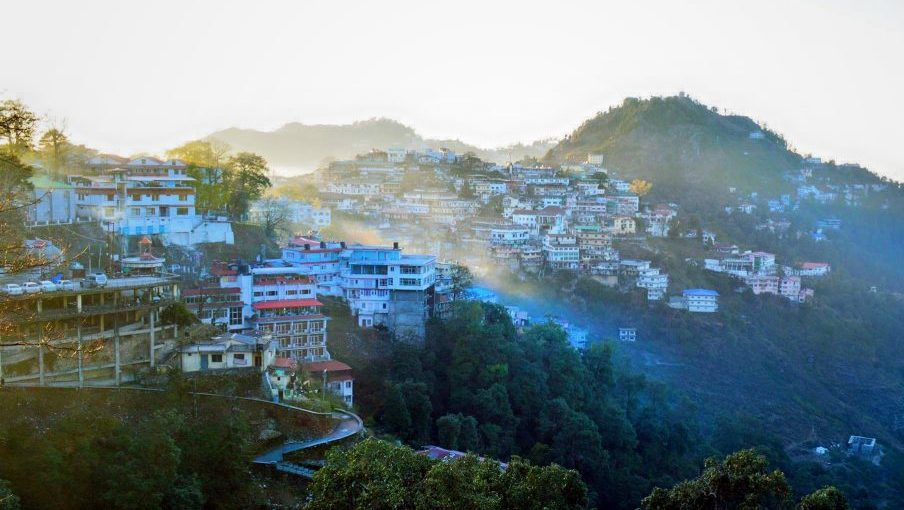
Nestled in the Garhwal Himalayan foothills, Mussoorie—known fondly as the “Queen of Hills” — offers sweeping views of the Doon Valley, colonial-era charm, winding mountain roads, and a refreshing escape from the plains. Whether you’re planning a solo break, a romantic escape, or a fun family trip, knowing the best things to do in Mussoorie ensures your time here is well spent.

In this guide you’ll find everything from how to get there, what to pack, where to stay, top attractions, itineraries for 1-,3- and 7-day stays, budgeting tips, local transport info, safety tips, an FAQ, and more — all crafted in an informative, trustworthy and friendly tone for domestic and international travellers aged 20-45 on a budget to mid-range.
Quick Snapshot
| Feature | Summary |
|---|---|
| Best time to visit | March-May (pleasant) & Oct-Nov (clear skies) |
| How to reach | Via Jolly Grant Airport/Dehradun rail + road from Dehradun to Mussoorie (~35-38 km) |
| Must-do | Walk along Mall Road/Library Chowk, viewpoint at Lal Tibba/Gun Hill, nature walks such as Camel’s Back Road, Kempty Falls excursion |
| Budget indication | A modest hotel + meals + local transport for 2 nights can be done on a moderate budget; luxury of course more. |
| Safety/permits | Tourist registration now mandatory (since 2025) for visitors to Mussoorie per Uttarakhand tourism portal. |
Why Visit Mussoorie?
The draw of Mussoorie lies not just in one sightseeing highlight but in a mix of nature, history, hill-station charm and accessibility from the plains. The town was “discovered” in 1827 by Capt. Young and developed during British times as a summer retreat for them. At an altitude of around 2,005 metres (approx) above sea level it offers views of snow-clad Himalayan ranges and the Shivalik foothills.
Its colonial architecture, tranquil walks, scenic vantage points, and vibrant market along Mall Road give a different pace from typical city tourism. It’s also quite accessible, making it a favourite weekend escape for Delhi/NCR residents as well as for travellers coming from farther afield. The blend of nature-walks, cafés in Landour, adventure options (treks, viewpoints), and family-friendly spots makes it versatile.
Visiting Mussoorie means stepping out of the hustle of the plain and into a cooler climate, mountain vistas, and a mix of old-world charm + modern comforts.
When to Go
Here’s a breakdown of seasons and what you can expect, with climate cues and how that ties into what you do:
- March to May (Spring to early summer): Comfortable temperatures, clear views, ideal for sightseeing and walks.
- June to September (Monsoon): The hills turn lush and green, but rains may disrupt travel, roads may be slippery. Lush views but higher risk of slides.
- October to November (Post-monsoon / early winter): Clear skies, crisp mountain air, great for views, and fewer crowds comparatively.
- December to February (Winter): Cold, occasionally snowfall in higher reaches or nearby hills, chance for crisp dawns and early sunsets.
If you want peak sightseeing and good weather, aim for March-May or October-November. If you don’t mind cold and want snow, late December/January might work — though snowfall is not guaranteed.
How to Reach
By Air
The nearest airport is Jolly Grant Airport (Dehradun). From there, Mussoorie is ~35-38 km.
From major cities like Delhi you can fly into Dehradun, then take a taxi or shared vehicle up to Mussoorie.
By Train
The nearest major railway station is Dehradun Railway Station, ~36 km from Mussoorie. There are direct trains from major Indian cities to Dehradun. From the station take a taxi, bus or shared cabs to climb up to Mussoorie.
By Road
Mussoorie is well-connected by road. From Dehradun city the drive is ~35-40 km on hilly roads. If you’re coming from Delhi, the drive is longer (about 270-300 km depending on route) and takes ~6-8 hours or more depending on traffic.
Recent infrastructure development (e.g., the Delhi-Dehradun Expressway) is expected to reduce travel times further.
Tips
- Plan travel early if you’re driving up from the plains to avoid heavy traffic on narrow mountain sections.
- After reaching Dehradun, ensure your taxi/scooter is comfortable for the uphill climb.
- Check weather & road conditions in monsoon and winter.
Where to Stay
Mussoorie offers accommodation ranging from budget guesthouses and mid-range hotels to luxury resorts. Options differ by location: Mall Road/Library Chowk for central access; Landour for quieter, boutique stays; outskirts for nature retreats.
Regions & what to expect
- Mall Road / Library Chowk: Central, lively, good for first-time visitors, shopping and dining access.
- Landour / Lal Tibba area: Quieter, heritage-style stays, views, better for relaxed trips.
- Near nature trails / outskirts: For nature immersion, possibly a little further from the market.
Price bands
- Budget: Guesthouse/dorm style/2-star – good value.
- Mid-range: 3-4 star hotels/resorts with views, good amenities.
- Luxury: Boutique heritage hotels or high-end resorts with premium views & services.
Examples
From Tripadvisor suggestions: Welcomhotel By ITC Hotels, The Savoy; Lemon Tree Resort; Jaypee Residency Manor.
(Note: I did not find a single official hotel-list by government; these suggestions are from traveller-site.)
Booking tip
Book early for peak season (April/May, October) and weekends because Mussoorie is a popular getaway from Delhi-NCR.
Top Attractions & Experiences
Here are some of the best things to do in Mussoorie, with each attraction having a short fact verified from official/credible sources.
Mall Road & Library Chowk
Take a stroll along Mall Road and Library Chowk — the heart of Mussoorie’s tourist life, with shops, cafés, and views.

Fact: The Library Chowk area is central to exploring Mussoorie’s market-zone and vantage points.
Gun Hill

Ride or walk up to Gun Hill, the second highest peak in Mussoorie (~2,122 m) offering panoramic Himalayan views.
Lal Tibba / Landour Viewpoint

Lal Tibba is the highest point in Mussoorie town, offering a spectacular sunrise/sunset view of the Himalayas.
Camel’s Back Road

A scenic walking route that resembles the hump of a camel (hence the name), ideal for sunset walks and casual strolls among pine trees and cliffs.
Kempty Falls

Located ~11 km from Mussoorie, this waterfall is a popular picnic spot, with cascading water and swimming/boating options.
Mussoorie Lake

A newer attraction, offering boating and family-friendly outing in the Mussoorie-Dehradun road stretch.
Nature Walks & Short Treks (e.g., Benog Tibba, Nag Tibba)
For adventure enthusiasts, nearby trails like Nag Tibba Trek or Benog Tibba day hikes are available.
Day Trip to Dhanaulti

Just ~24 km away from Mussoorie, Dhanaulti offers a quieter hill station experience with woods and views.
Suggested Itineraries
1-Day Itinerary
- Morning: Arrive early, walk Camel’s Back Road, visit Lal Tibba for sunrise.
- Late morning: Mall Road explorations, snacks/cafés.
- Afternoon: Head to Kempty Falls (or Mussoorie Lake) for a change of pace.
- Evening: Sunset at Gun Hill, enjoy dinner at the Mall Road area, relax.
3-Day Itinerary
Day 1: Arrive, settle in, evening Mall Road walk & local dinner.
Day 2: Sunrise at Lal Tibba, nature walk, afternoon at Mussoorie Lake or Dhanaulti day-trip, evening gun hill viewpoint.
Day 3: Trek or nature walk (Benog/short trail), visit Camel’s Back Road, depart.
7-Day Itinerary
Days 1-3: As above (Mussoorie core).
Days 4-5: Explore Landour in depth, cafés, colonial heritage; take a longer trek (Nag Tibba or nearby).
Days 6-7: Visit nearby destinations – Dehradun city, Rishikesh/Haridwar (if the pace suits you), or just unwind in a nature resort around Mussoorie and enjoy local culture and markets.
Costs & Budget
Here’s a rough table of estimated costs for a mid-range traveller (India, year 2025 estimates; validate at time of travel):
| Item | Typical cost (INR) |
|---|---|
| Taxi from Dehradun Airport to Mussoorie | ~₹2,500-₹3,500 (depending on vehicle & season) |
| 1 night mid-range hotel | ~₹4,000-₹8,000 |
| Meals (2 people) | ~₹1,000-₹2,000 |
| Sightseeing (entry/boat etc) | ₹300-₹1,000 depending on activity |
| Local transport (in town) | ₹200-₹800/day |
Notes:
– Prices will vary considerably between peak season vs off-season, luxury vs budget.
– Always check the hotel booking site or official tariff for the date you plan.
– Permits/registration (see below) must be factored in.
Local Transport
Getting around Mussoorie and nearby:
- Local taxis and shared cabs are the primary mode for hilly stretches beyond town.
- Within town, walking is feasible (especially Mall Road, Library Chowk, Camel’s Back Road).
- Bus services connect to Dehradun and other towns, though for hill-routes taxis give more flexibility.
- Important: As of 2025, tourist registration is mandatory for entering/booking accommodation in Mussoorie. Hotels/tour-operators will help you with this.
Tip: For flexible travel, book a local taxi for a half day rather than relying on hilly buses; this saves time and fatigue on narrow roads.
Food & Drink
Local Dishes & Eating Tips
- Hill-station cuisine: try local Kumaoni/Garhwali specialities if available (though mainstream cafés dominate).
- Dining areas: Mall Road has multiple cafés, bakeries, and international menus especially around Landour.
- Hygiene tip: Prefer restaurants with visible hygiene practices; for street food (e.g., in the market) check cleanliness.
Recommended Spots
- Landour Bakehouse (for bakery/café experience)
- The Rosemary Restaurant / The Royal Afghan (higher end dining)
Drink & Casual
- Enjoy cafés with views of Doon Valley and the mountains; sunset time is especially scenic.
- Carry a reusable water bottle; many hotels have filtered water; avoid buying many single-use plastic bottles (see Responsible Travel section below).
Safety, Health & Permits
Safety & Health
- The hill roads can be narrow, winding and sometimes slippery in monsoon — drive/ride cautiously.
- In winter expect fog, cold and possible snow in higher elevations — carry warm clothing.
- Altitude is not extreme compared to high Himalayas, but the difference from plain terrain may mean slightly thinner air for some – keep hydrated, avoid over-exertion early on.
Permits & Rules
- As of mid-2025, all tourists visiting Mussoorie must register online via the Uttarakhand Tourism portal before arrival.
- Accommodation providers/hotels are required to register guests.
- If doing treks beyond town into forest areas or sanctuaries, check if additional permits are required (especially for longer/remote treks).
Health
- No special vaccines are required beyond routine for travellers from India; if coming internationally check your general immunisation.
- In monsoon, the risk of landslides or roadblocks may increase; check local weather & travel advisories.
Packing List & Travel Tips
Packing List
- Light jacket or fleece (spring, monsoon evenings, winter)
- Rain shell / umbrella (monsoon)
- Good walking shoes (for uneven paths)
- Sunglasses + sunscreen (the altitude means stronger sun)
- Reusable water bottle
- Basic first-aid kit (for minor cuts/scrapes or travel sickness)
- Plug adaptor (if international traveller)
- Day-pack for walks/treks
- For winter visits: heavy jacket, gloves, woollen cap.
- For shopping: local crafts (support sustainability)
Cultural & Dress Notes
- While Mussoorie is a fairly liberal tourist town, in local visits (especially temples, residential areas) dress modestly — e.g., shoulders covered, avoid overly revealing outfits.
- Trek/walk clothing: comfortable, layered for changing weather.
Travel Tips
- Arrive early to popular vantage points for sunrise/sunset to avoid crowds.
- Weekends tend to be busy (especially from Delhi/NCR) — for better rates and fewer crowds consider mid-week stays.
- Download offline maps (mountain connectivity may be patchy).
- Respect local traffic rules and hillside road etiquette (e.g., honk at blind turns if driving, slow down on steep segments).
Responsible Travel & Sustainability
- Mussoorie’s natural beauty is its greatest asset — respect the environment: do not litter, avoid plastic bottles where possible, use refill stations or hotel filtration.
- Local communities benefit from tourism: support local cafés, buy local handicrafts, avoid mass-package tours which may not distribute benefits well.
- Many hill-stations face strain from over-tourism; the new tourist-registration rule is part of Uttarakhand’s attempt to manage that.
- Stay on marked paths during walks/treks to avoid disturbing flora/fauna.
- If you visit during monsoon/after heavy rain, check for landslide or road-closure advisories and avoid risky paths.
Top FAQs
- Q1: How many days are enough for Mussoorie?
A: A 2-3 day stay covers the main sights and gives you relaxed time. For deeper exploration (treks, nearby towns) 5-7 days is ideal. - Q2: What is the best time to visit Mussoorie for clear mountain views?
A: Late October to early November, and March to April are typically best for clear skies and comfortable weather. - Q3: Are there adventure or trek options in Mussoorie?
A: Yes — short treks/walks like Benog Tibba day‐hike, Nag Tibba (2-3 days) are popular. - Q4: Is Mussoorie suitable for families with kids?
A: Yes – nature walks, pleasant lodgings, viewpoints, lakes and waterfalls make it family-friendly. - Q5: What should I wear/pack for Mussoorie?
A: Pack layers – day may be warm, evenings cool; bring a jacket, good walking shoes and rain gear if in monsoon. - Q6: Do I need any permits or registrations to visit Mussoorie?
A: Yes — from 2025 tourists must complete online registration via Uttarakhand’s tourism portal before arrival. - Q7: Are there budget accommodation options?
A: Yes — guesthouses and 2-star hotels are available especially off-peak; book in advance for peak periods. - Q8: What food/local cuisine should I try?
A: Try local-style Kumaoni/Garhwali dishes (if available) and enjoy cafés in Landour/ Mall Road for baked goods and views. - Q9: Is snowfall common in Mussoorie?
A: Snowfall in the town is occasional; higher vantage points may get light snow in December/January. For guaranteed snow you may need higher altitude. (General note: snowfall not guaranteed) - Q10: How far is Mussoorie from Delhi and how long will travel take?
A: From Delhi to Mussoorie by road is ~270-300 km, taking approx 6-8 hours depending on traffic and route. With future expressway this may reduce.
Conclusion
Whether you stay for a weekend or a full week, things to do in Mussoorie span relaxed walks, mountain views, refreshing nature, a bit of adventure, and a change of pace. Pack smart, travel with respect for the environment, register ahead, and allow some breathing space in your itinerary to truly soak in the mountain charm.
Subscribe for more travel guides, check your accommodation & transport bookings ahead, and enjoy safe travels in the hills of Mussoorie!
Read more: Attractions
Latest Posts
- Shekhawati Travel Guide 2026: India’s Greatest Open-Air Art Gallery
 Somewhere between Delhi and Bikaner, in a semi-arid stretch of northern Rajasthan that most tourists drive straight through on their…
 - Sariska Stargazing Guide 2026: India’s Best Dark Sky Weekend from DelhiOn a clear night in Delhi, you can see perhaps 20 to 50 stars. Twenty to fifty. Out of the…
- Dhanaulti Travel Guide 2026: The Complete Weekend Escape from DelhiTwenty-four kilometres past Mussoorie, the road quietens. The tourist coaches stop here. The souvenir shops end here. The cable car…
- Tirthan Valley Travel Guide 2026: Everything You Need to Know Before You GoThere is a turning off the Manali highway that most people miss. Just before the Aut Tunnel — where the…
- Lansdowne Travel Guide 2026: The Complete Weekend Escape from DelhiPlanning a trip to Lansdowne from Delhi? Complete 2026 guide — how to reach, best time to visit, where to stay, things to do, budget breakdown & 2-night itinerary for Uttarakhand’s most underrated hill station.




.jpg)
_2013.jpg)


Absolutely written written content, thanks for entropy.
We’re a bunch of volunteers and opening a new scheme in our community. Your site offered us with useful information to work on. You have performed a formidable task and our entire group will probably be grateful to you.