Nestled in the Trikuta Hills of Katra, Jammu & Kashmir, the revered Mata Vaishno Devi Temple is one of India’s most sacred pilgrimage sites, attracting millions of devotees worldwide.

This ancient shrine is considered a powerful Shaktipeeth, where the skull of Goddess Sati is believed to have fallen, imbuing the site with divine energy. As you plan your pilgrimage, you’ll discover why this sacred destination is a must-visit for Hindus, with the belief that Mata Vaishno Devi fulfills the heartfelt wishes of her true believers.
With various ways to reach the temple, from traditional treks to modern helicopter services, you can prepare for an unforgettable spiritual experience. Let’s explore the history, distance, and booking procedures to make your visit to this holy shrine a memorable one.
Key Takeaways
- Discover the significance of Mata Vaishno Devi Temple as a revered pilgrimage site in Jammu & Kashmir.
- Learn about the various ways to reach the temple, including traditional treks and helicopter services.
- Understand the importance of this Shaktipeeth and its divine energy.
- Explore the history and legends surrounding the temple.
- Plan your pilgrimage with confidence using our comprehensive guide.
The Sacred Vaishno Devi Temple: An Overview
You’re about to explore one of India’s most revered shrines, Vaishno Devi Temple, a place where the divine and natural beauty converge. As you prepare for your pilgrimage, understanding the temple’s significance and unique aspects will enhance your spiritual journey.
Location and Significance in Jammu & Kashmir
Vaishno Devi Temple is nestled in the Trikuta Hills of Katra, Jammu & Kashmir, at an altitude of 5,200 feet. This sacred site is one of the 108 Shakti Peethas, revered for its spiritual energy. The temple’s location in the beautiful hill range of Trikuta makes it a stunning backdrop for this spiritual haven. As the gateway town, Katra serves as the starting point for the 12 km trek to the Bhawan, where the holy cave is situated.
| Location | Significance |
|---|---|
| Trikuta Hills, Katra | One of the 108 Shakti Peethas |
| Altitude of 5,200 feet | Revered for spiritual energy |
| Gateway town: Katra | 12 km trek to Bhawan |
The Divine Presence: What Makes Vaishno Devi Temple Special
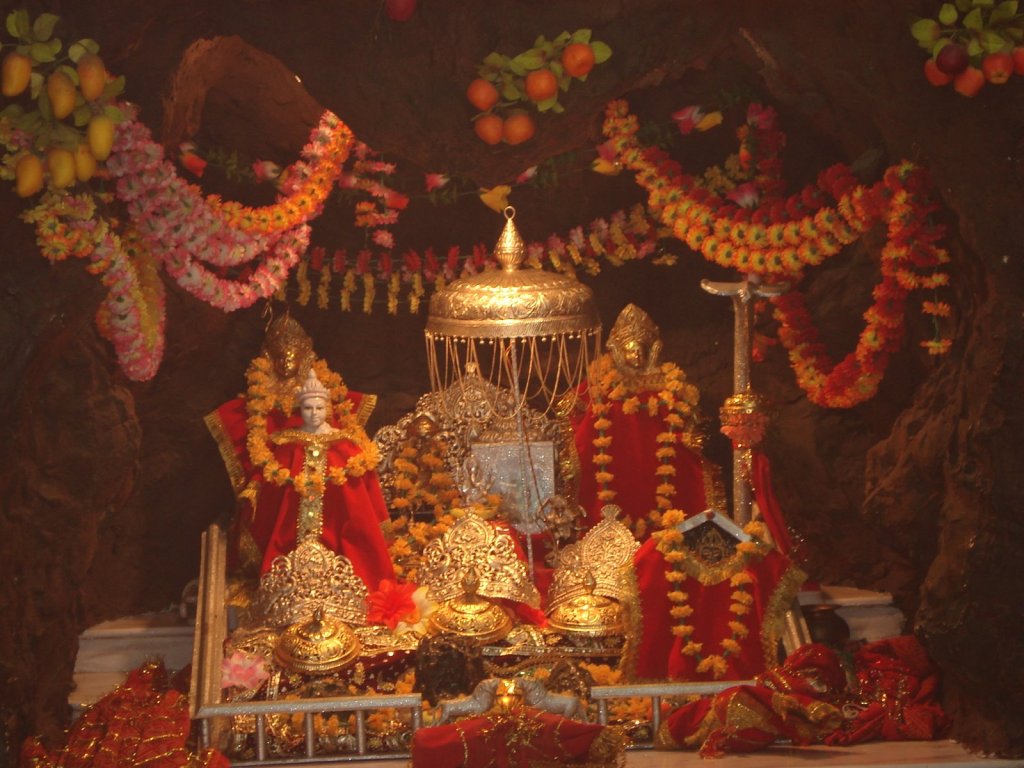
The Vaishno Devi Temple is extraordinary because the goddess is not represented by a man-made idol but by three natural rock formations, known as “Pindies,” inside the holy cave. This unique divine presence makes the temple a living embodiment of divine feminine energy. Devotees believe that Mata Vaishno Devi fulfills all heartfelt wishes, drawing millions of pilgrims annually. The temple’s raw, untouched spiritual energy, preserved in its original form, is a rare find in today’s world.
As you visit Vaishno Devi Temple, you’ll experience the spiritual geography of the region, with the three-peaked Trikuta Mountains symbolizing the three manifestations of the goddess. This natural cave temple differs significantly from conventional temples, offering a unique spiritual experience.
The Rich History of Vaishno Devi Temple
You are about to embark on a journey through the ancient and revered history of Vaishno Devi Temple. The temple’s history is a complex tapestry woven from geological evidence, mythological tales, and historical accounts.
Ancient Origins and Geological Significance
The Vaishno Devi Temple is nestled within a cave that geological studies suggest is nearly a million years old, making it one of India’s most ancient sacred sites. This ancient origin is a testament to the region’s unique geological history.
The Legend of Mata Vaishno Devi
The legend of Mata Vaishno Devi is a story of courage and divine intervention. According to myth, Mata Vaishno Devi, in human form, helped organize a feast at Pandit Shridhar’s house before fleeing from Bhairon Nath, creating the sacred pilgrimage route devotees follow today.
The Story of Pandit Shridhar and the Holy Cave
Pandit Shridhar’s devotion played a crucial role in the discovery of the holy cave. After receiving divine guidance from Mata Vaishno Devi in a dream, Pandit Shridhar found the cave, which ultimately became the site of the Vaishno Devi Temple.
| Event | Description | Significance |
|---|---|---|
| Geological Formation | The cave is nearly a million years old. | Highlights the ancient origins of the site. |
| Mata Vaishno Devi’s Journey | Fled from Bhairon Nath, halting at various points before reaching the cave. | Created the sacred pilgrimage route. |
| Pandit Shridhar’s Discovery | Found the holy cave after receiving divine guidance. | Established the site of the Vaishno Devi Temple. |

Planning Your Journey to Vaishno Devi
As you prepare for your spiritual journey to Vaishno Devi Temple, understanding the best time to visit and the distance from major cities can enhance your pilgrimage experience.
Best Time to Visit the Temple
The best time to travel to Vaishno Devi is from March to October. Visiting during Navratri can be particularly rewarding, as the temple is brimming with festivities, though it can be crowded.
Distance from Major Cities to Katra
Katra, the base town for the pilgrimage, is approximately 42 kilometers from Jammu. Understanding the distances from major cities like Delhi (around 590 km), Mumbai (about 1,950 km), and Kolkata (around 1,830 km) can help you plan your travel itinerary.
Essential Items to Pack for Your Pilgrimage
Pack comfortable walking shoes, loose clothing, and light woolens for your journey. Don’t forget to carry an identity card and your Yatra Registration Slip, which are mandatory for all pilgrims.

Transportation Options to Reach Vaishno Devi Temple
Pilgrims traveling to Vaishno Devi Temple have several transportation options to choose from, catering to different ages and physical capabilities. The journey to this sacred site in Jammu & Kashmir can be undertaken by air, train, or road, with various services available from Katra, the base point of the pilgrimage.
Helicopter Booking for Vaishno Devi Temple

For a quick and scenic ride, helicopter services are available from Katra to Bhawan, reducing travel time to just 8 minutes. Prices range from ₹1,000-2,500 per person one way, and advance booking is essential.
Battery Car Services at Vaishno Devi

Battery car services offer a comfortable alternative for those unable to trek. Booking can be done online through the official Mata Vaishno Devi Shrine website or at counters in Katra.
Traditional Trek Path from Katra
The traditional 13 km trek from Katra to Vaishno Devi Temple is a journey followed by pilgrims for centuries, with numerous food stalls and rest areas along the way.
Each mode of transportation offers a unique experience, allowing pilgrims to choose based on their physical condition, time constraints, and personal preference.
The Spiritual Journey: Trekking to Vaishno Devi
The trek to Vaishno Devi is not just a physical journey, but a spiritual odyssey that takes you through the beautiful Trikuta Hills. As you ascend, the spiritual significance of each step prepares you for the divine darshan at the holy cave.
The 13 km Trek from Katra to Bhawan
You will embark on a 13-kilometer trek from Katra to Bhawan, following the path that Mata Vaishno Devi is believed to have taken centuries ago. The trek typically takes 6-8 hours for an average pilgrim, depending on your pace and how long you spend at each sacred stop.
Important Stops Along the Way
The journey includes significant stops that mark Mata Vaishno Devi’s path, such as Banganga (where she created a water source), Charan Paduka (where her footprints are preserved), and Adhkwari (where she meditated for nine months).
Facilities Available During the Trek
Throughout the trek, you’ll find excellent facilities, including food stalls serving fresh vegetarian meals, drinking water stations, well-maintained restrooms, and medical aid centers. You can also rest at numerous shelters along the way.
| Facility | Description |
|---|---|
| Food Stalls | Serving fresh vegetarian meals |
| Drinking Water Stations | Clean drinking water available |
| Restrooms | Well-maintained for pilgrims |
| Medical Aid | Medical assistance available |
Inside the Holy Cave: Darshan Experience
As you step into the holy cave of Vaishno Devi Temple, you’re enveloped in a spiritual atmosphere that has captivated devotees for centuries. The air is thick with devotion, and the energy is palpable.
The darshan experience inside the cave is a deeply personal and spiritual encounter. You will witness the unique manifestation of the goddess in the form of three sacred rock formations or “Pindies.”
The Three Pindies and Their Significance
The three Pindies represent the three primary forms of divine feminine energy: Maha Kali, Maha Lakshmi, and Maha Saraswati. These natural rock formations embody the complete cosmic cycle, and devotees come to seek their blessings.
Rituals and Practices at the Temple
Devotees participate in traditional rituals at the cave temple, including offering flowers, sweets, and red chunnis to the goddess. The Shri Mata Vaishno Devi Shrine Board has implemented various facilities to enhance the pilgrimage experience while preserving the sacred atmosphere.
Conclusion: The Divine Call of Mata Vaishno Devi
As you reflect on the journey to Vaishno Devi Temple, it’s clear that this pilgrimage is more than just a physical trek. The experience is deeply rooted in the belief of the divine call, or “Bulawa,” from Mata Vaishno Devi herself. You are drawn into a spiritual journey that transcends geographical boundaries and touches the core of your being.
The Vaishno Devi Yatra is a life-changing experience for millions, offering a universal spiritual connection that goes beyond religious affiliations. As you carry the spiritual energy of this sacred site with you, the divine presence continues to guide your life’s journey. The Devi Shrine Board ensures that the sacred essence of the cave temple is preserved while catering to the needs of pilgrims.
FAQ
What is the best time to visit Mata Vaishno Devi?
The best time to visit is from March to October, when the weather is pleasant and conducive for the pilgrimage journey. You can avoid the peak summer months if you prefer fewer crowds.
How do I reach the Vaishno Devi Shrine from Katra?
You can reach the shrine by trekking the 13 km distance from Katra, or by opting for a helicopter service from Katra to Bhairon Nath. Battery-operated vehicles are also available for those who need assistance.
What are the essential items to pack for the Yatra?
Pack comfortable walking shoes, light clothing, a water bottle, and some snacks. It’s also a good idea to carry a first-aid kit and some cash for any unexpected expenses.
Can I take photographs inside the Holy Cave?
Photography is not allowed inside the Holy Cave, so be sure to capture memories before or after your darshan. You can take photos of the beautiful Trikuta Hills and other scenic spots along the way.
What is the significance of Bhairon Nath?
Bhairon Nath is an important stop on the pilgrimage route, and is considered a guardian of the Mother Goddess. Devotees often visit the Bhairon Nath shrine after completing their darshan at the Holy Cave.
Are there any specific rituals or practices to follow at the shrine?
Yes, devotees typically follow certain rituals, such as taking a bath before entering the shrine, and offering prayers and prasad to the Goddess. You can also participate in the Aarti ceremony, if scheduled.
Read more: Attractions