Did you know that over 100,000 people visit Amritsar daily? This vibrant city in Punjab, India, is a treasure trove of culture and history. Known as the spiritual heart of Sikhism, it draws visitors from around the globe. Its blend of ancient traditions and modern energy makes it a must-see destination.

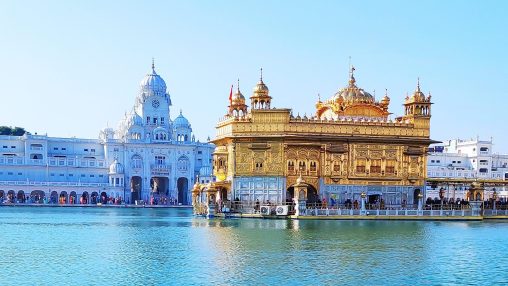
At the center of Amritsar’s identity is the iconic Golden Temple, a stunning symbol of faith and artistry. This sacred site is not just a place of worship but also a hub of community life. The city’s rich heritage, from its architecture to its festivals, offers a unique glimpse into Sikh culture.
Amritsar is more than its spiritual roots. It’s a bustling metropolis where history meets modernity. From its lively markets to its historic landmarks, the city invites you to explore its many layers. Join us as we uncover the spirit, history, and vibrant life of this incredible city.
Key Takeaways
- Amritsar is a cultural and spiritual hub in Punjab, India.
- The Golden Temple is a central landmark for Sikhism and visitors.
- The city blends ancient traditions with modern urban life.
- Amritsar attracts over 100,000 daily visitors.
- Its festivals and markets showcase vibrant local culture.
Discovering Amritsar’s Spiritual Heritage
Amritsar’s spiritual heritage is a cornerstone of its identity. The city is a pilgrimage destination, drawing millions of visitors each year. Its sacred sites are not just places of worship but also symbols of unity and peace.
Golden Temple: The Soul of Sikhism
The Golden Temple, or Harmandir Sahib, is the heart of Sikhism. Built in 1577, it stands as a testament to faith and resilience. Its stunning architecture, adorned with 750 kg of gold, symbolizes purity and divine beauty.
Visitors from all walks of life are welcomed here. The temple’s Langar, a community kitchen, serves free meals to over 100,000 people daily. This tradition reflects Sikhism’s core values of equality and service.
Before entering, visitors must cover their heads and wash their feet in the holy tank. These rituals emphasize respect and humility. The Golden Temple is more than a place of worship; it’s a beacon of hope and harmony.
Other Revered Shrines and Gurudwaras
Beyond the Golden Temple, Amritsar is home to other sacred sites. Jallianwala Bagh is a poignant memorial, honoring those who sacrificed their lives for India’s freedom. It’s a place of reflection and remembrance.
Gurudwaras like Durgiana Temple and Ram Bagh Gardens also hold cultural significance. These sites offer solace and a deeper understanding of Sikh traditions. They bring together pilgrims and locals, fostering a sense of community.
Amritsar’s spiritual heritage is a blend of history, faith, and culture. Its sacred places continue to inspire and unite people from around the world.
Tracing the Historical Evolution of the City
The story of Amritsar begins with a vision of unity and faith. Founded in 1577 by Guru Ram Das, the city was established as a spiritual and cultural hub. Its name, meaning “Pool of Nectar,” reflects its sacred origins. From its early days, the city grew through religious donations and community efforts, laying the foundation for its rich heritage.
Founding and Early Growth by Guru Ram Das
Guru Ram Das envisioned a city where people of all backgrounds could come together. He initiated the construction of the holy tank, which later became the centerpiece of the Harmandir Sahib. This sacred site attracted pilgrims and settlers, fostering the city’s growth. The community kitchen, or Langar, was established to serve free meals, embodying the principles of equality and service.
Under Guru Ram Das’s guidance, Amritsar became a beacon of Sikhism. His teachings emphasized unity, compassion, and selfless service. These values continue to shape the city’s identity, making it a symbol of resilience and faith.
Key Historical Turning Points
Amritsar’s history is marked by significant events that shaped its destiny. The city faced invasions and destruction, particularly during the 18th century. Afghan invaders targeted the Harmandir Sahib, but it was rebuilt each time, showcasing the community’s unwavering spirit.
The rise of the Sikh Empire under Maharaja Ranjit Singh brought a new era of prosperity. He adorned the Harmandir Sahib with gold, earning it the name Golden Temple. His reign also saw the city flourish as a center of art, culture, and trade in Punjab.
Another pivotal moment was the Jallianwala Bagh massacre in 1919, a tragic event that fueled India’s independence movement. Today, the memorial stands as a reminder of the sacrifices made for freedom.
| Year | Event | Significance |
|---|---|---|
| 1577 | Founding by Guru Ram Das | Establishment of Amritsar as a spiritual center |
| 1604 | Construction of Harmandir Sahib | Becomes the heart of Sikhism |
| 1801-1839 | Reign of Maharaja Ranjit Singh | Golden Temple adorned with gold; city flourishes |
| 1919 | Jallianwala Bagh Massacre | Catalyst for India’s independence movement |
Amritsar’s history is a testament to its enduring spirit. From its founding by Guru Ram Das to its transformation under Maharaja Ranjit Singh, the city has evolved into a symbol of faith, resilience, and cultural richness.
Architectural Marvels and Iconic Monuments
The city’s skyline is a blend of ancient fortifications and modern memorials. Its structures tell a story of resilience, grandeur, and cultural evolution. From towering gates to majestic palaces, these landmarks are a testament to its rich past and enduring spirit.
Ancient Walls, Gates, and Palaces
Amritsar’s ancient walls and gates once protected the city from invasions. These structures, built centuries ago, showcase the architectural prowess of their time. The Lohgarh Gate, for instance, stands as a symbol of strength and defense.
Palaces like the Ranjit Singh Palace reflect the opulence of the Sikh Empire. Maharaja Ranjit Singh, a visionary leader, commissioned many of these grand structures. His reign brought a fusion of styles, blending Mughal, Hindu, and European influences.
“The architecture of Amritsar is a mirror of its history, reflecting the resilience and creativity of its people.”
Modern Restorations and Memorials
In recent years, efforts have been made to restore and preserve these historical treasures. Local authorities have worked tirelessly to maintain their integrity while adapting them to modern needs. The Jallianwala Bagh Memorial is a prime example of such restoration.
Modern memorials, like the Partition Museum, honor the city’s legacy and the sacrifices of its people. These sites juxtapose centuries-old structures with contemporary designs, creating a unique architectural landscape.
| Structure | Era | Significance |
|---|---|---|
| Lohgarh Gate | Ancient | Symbol of defense and strength |
| Ranjit Singh Palace | 19th Century | Reflects the opulence of the Sikh Empire |
| Jallianwala Bagh Memorial | Modern | Honors the sacrifices of 1919 |
| Partition Museum | Contemporary | Preserves the legacy of the Partition |
Amritsar’s architectural marvels are more than just structures. They are a living testament to its history, culture, and the indomitable spirit of its people. From ancient walls to modern memorials, each monument tells a story worth exploring.
Affairs of Culture: Art, Food, and Festivals
Amritsar’s cultural heartbeat thrives in its art, food, and festivals. The city is a vibrant hub where traditions come alive, and every corner tells a story. From its rich culinary heritage to its lively celebrations, Amritsar offers a sensory feast for visitors.
Local cuisine is a cornerstone of the city’s identity. Amritsari dishes, like the famous Amritsari Kulcha and Makki di Roti with Sarson da Saag, are a testament to its culinary prowess. These flavors are not just food; they are a symbol of the city’s warmth and hospitality.
Festivals in Amritsar are a blend of old-world charm and modern energy. Events like the Rangla Punjab festival showcase the city’s artistic and cultural heritage. From folk dances to music performances, these celebrations bring the community together and attract visitors from far and wide.
Museums and historical halls play a vital role in preserving the city’s cultural narratives. The Partition Museum and Town Hall offer a glimpse into the past, highlighting the impact of events like the Jallianwala Bagh massacre. These spaces are not just repositories of history but also platforms for dialogue and reflection.
The city’s festivals are a reflection of its resilience and creativity. Whether it’s the attempt to create the world’s biggest paratha or the Taal Chowk performances, Amritsar’s events are a celebration of its spirit. These gatherings are a reminder of the city’s ability to blend tradition with modernity.
| Event | Location | Highlights |
|---|---|---|
| Rangla Punjab | Khalsa College | Folk dances, music, and food |
| Foodistan | Various Locations | 100+ food stalls, world’s biggest paratha |
| Taal Chowk | City Center | Celebrity performances |
Amritsar’s cultural scene is a testament to its rich heritage and vibrant community. Whether you’re a pilgrim seeking spiritual solace or a traveler exploring its artistic treasures, the city invites you to experience its unique charm. From its museums to its festivals, Amritsar is a celebration of life, history, and creativity.
amritsar: Urban Dynamics and Modern Transformation
Urban development in this region has redefined its identity while preserving its cultural roots. From its historical foundations to its modern skyline, the city has undergone a remarkable transformation. The blend of ancient landmarks and contemporary infrastructure reflects its ability to adapt and thrive.
Infrastructural advancements have played a key role in this evolution. Projects like improved transportation networks and modern commercial hubs have boosted connectivity and economic growth. The city’s proximity to Lahore has also fostered cross-border trade, enhancing its role in the region.
The impact of the partition in 1947 remains a defining chapter in its history. The demographic shift reshaped the city’s social fabric, with a significant influx of refugees. This event not only altered the population but also influenced urban planning and community dynamics.
Today, the city balances its rich heritage with modern progress. Sacred sites like the gurdwara and historical palaces stand alongside contemporary architectural marvels. This coexistence highlights the city’s ability to honor its past while embracing the future.
- Improved transportation systems connect the city to broader India.
- Modern commercial hubs drive economic growth and innovation.
- Cultural landmarks like the gurdwara remain central to its identity.
- The legacy of partition continues to shape urban development.
From its bustling markets to its serene temples, the city offers a unique blend of tradition and modernity. Its ability to evolve while preserving its essence makes it a symbol of resilience and progress in India.
Understanding Local Life and Community
Everyday life in this vibrant city is a blend of tradition and modernity. The community thrives on a unique mix of historical landmarks and modern conveniences. From the sacred temple complex to the bustling airport, the city’s rhythm is shaped by its rich culture and warm spirit.
The temple complex is more than a place of worship; it’s the heart of daily life. Thousands gather here daily for spiritual solace and community meals. The Langar, serving free meals 24/7, reflects the city’s values of equality and service. This tradition fosters a sense of unity among locals and visitors alike.

Modern amenities like the airport have transformed the city’s connectivity. Located just 11 km from the city center, it links the region to global destinations. This accessibility has boosted tourism and economic growth, making the city a hub for travelers and businesses.
The streets are alive with vibrant markets and food stalls. Local delicacies like Amritsari Kulcha and Makki di Roti are a must-try. These culinary experiences not only delight the palate but also bring people together, strengthening community bonds.
Public spaces play a vital role in preserving the city’s heritage. Areas like Jallianwala Bagh and the Partition Museum keep history alive for both locals and visitors. These sites serve as reminders of the city’s resilience and its role in shaping India’s past.
From the temple complex to modern complexes, the city’s architecture reflects its evolving identity. Historical landmarks coexist with contemporary structures, creating a unique urban landscape. This blend of old and new influences local traditions and fosters a strong community spirit.
In this city, life is a celebration of culture, history, and togetherness. Whether it’s sharing a meal at the Langar or exploring the bustling markets, the community’s warmth and hospitality leave a lasting impression on all who visit.
Insights into the Economy and Tourism
The economic heartbeat of this vibrant town is driven by its thriving tourism and heritage attractions. As a major cultural and spiritual centre, it draws millions of visitors annually, contributing significantly to its GDP. The blend of sacred sites and bustling industries creates a dynamic economic landscape.
Pilgrimage and Heritage Attractions
Heritage sites like the Golden Temple and Jallianwala Bagh are the town’s crown jewels. The Golden Temple alone attracts over 100,000 visitors daily, making it a cornerstone of the local economy. Pilgrims and tourists alike flock to these sites, boosting the hospitality and retail sectors.
Other attractions, such as Ram Bagh and the Sri Durgiana Temple, also play a vital role. These sites not only preserve the town’s rich history but also generate employment and revenue. The annual influx of 1.5 million domestic and 200,000 international tourists underscores their importance.
Commercial Growth and Local Industries
Beyond tourism, the town thrives on its commercial industries. Textiles, food processing, and manufacturing are key sectors driving economic growth. The hospitality industry has seen a 15% annual growth over the past five years, reflecting the town’s increasing appeal.
Local businesses benefit from the steady stream of visitors. The town’s proximity to Lahore has also fostered cross-border trade, enhancing its role as a regional centre of commerce. This economic vitality supports both local residents and international visitors, particularly from the United States.
| Indicator | Value | Impact |
|---|---|---|
| Tourism Contribution to GDP | 8% | Significant economic driver |
| Annual Domestic Tourists | 1.5 million | Boosts local businesses |
| Hotel Occupancy Rate (Peak Season) | 75% | High demand for accommodations |
| Foreign Tourist Arrivals (Post-Pandemic) | 20% Increase | Growing global appeal |
The town’s ability to balance its rich heritage with modern progress makes it a symbol of resilience and prosperity. From sacred sites to bustling industries, it continues to thrive as a cultural and economic centre in the region.
Navigating the Vibrant Streets and Markets
The streets of this historic city buzz with life, offering a sensory journey through time and tradition. From the aroma of street food to the chatter of vendors, every corner tells a story of heritage and community spirit. The markets here are more than shopping destinations; they are a window into the city’s soul.

Katra Jaimal Singh Market and Hall Bazaar are must-visit spots. These bustling hubs are filled with colorful stalls selling everything from traditional Phulkari embroidery to handcrafted Punjabi Juttis. The blend of historical heritage and modern commerce creates a unique shopping experience that reflects the city’s evolving identity.
The city’s street culture is deeply influenced by its history. Events like the border ceremony at Wagah and annual festivals like Baisakhi shape the local ambiance. These celebrations bring people together, fostering a sense of unity and pride. The streets come alive with music, dance, and the spirit of the Sri Guru traditions.
Local anecdotes add depth to the city’s charm. Stories of resilience and creativity are woven into the fabric of its markets. For instance, the tradition of crafting intricate Phulkari designs has been passed down through generations, preserving the city’s artistic heritage.
Navigating these streets is an adventure in itself. The energy is infectious, blending history with the hustle of modern life. Whether you’re bargaining for a colorful shawl or savoring a plate of Amritsari Kulcha, the experience is unforgettable. The city’s markets are a testament to its ability to honor the past while embracing the future.
From the vibrant streets to the bustling markets, this city offers a sensory feast for travelers. Its blend of heritage, culture, and commerce makes it a must-visit destination. Every step through its lively lanes is a journey into the heart of its traditions and the spirit of its people.
Conclusion
Amritsar’s story is a tapestry of faith, history, and modernity. From the iconic Golden Temple to the solemn Jallianwala Bagh, the city’s landmarks are living symbols of its legacy. These sites, along with the teachings of the Guru Granth Sahib, continue to inspire millions every day.
Urban development has transformed the city, blending ancient traditions with modern progress. The bustling streets, vibrant markets, and welcoming gates reflect its dynamic spirit. Cultural festivals and local industries thrive, making Amritsar a hub of economic and social activity.
For travelers from Delhi or across the globe, Amritsar offers a unique experience. Its warmth, hospitality, and rich heritage leave a lasting impression. Whether you’re exploring its sacred sites or savoring its culinary delights, the city invites you to discover its soul.
Amritsar’s ability to honor its past while embracing the future is truly inspiring. It’s a city where every corner tells a story, and every visit feels like coming home. Plan your trip today and experience the magic of this incredible destination.
Read more: Attractions
FAQ
The Golden Temple, also known as Harmandir Sahib, is the holiest shrine in Sikhism. It symbolizes equality, humility, and spirituality, attracting millions of pilgrims annually.
Guru Ram Das, the fourth Sikh Guru, founded the city in the 16th century. It became a spiritual and cultural hub for Sikhs worldwide.
Key sites include Jallianwala Bagh, Ram Bagh, and the Partition Museum. Each offers a glimpse into the city’s rich history and heritage.
The city blends ancient structures like the Golden Temple with modern restorations and memorials, showcasing its historical and contemporary significance.
Visitors can savor traditional Punjabi cuisine, explore vibrant markets, and participate in festivals like Vaisakhi, which celebrate the city’s culture and traditions.
The city’s economy is driven by tourism, pilgrimage, and local industries like textiles and handicrafts, making it a bustling commercial center.
The city’s markets, such as Hall Bazaar, offer a mix of traditional crafts, spices, and street food, reflecting its vibrant urban life.
Sites like Jallianwala Bagh and the Partition Museum preserve the city’s pivotal moments, educating visitors about its past struggles and resilience.