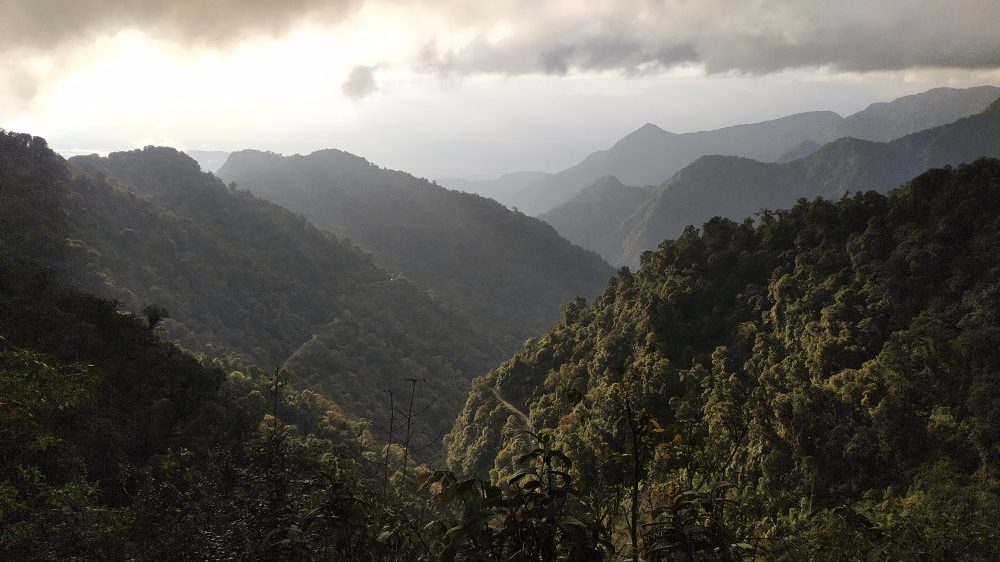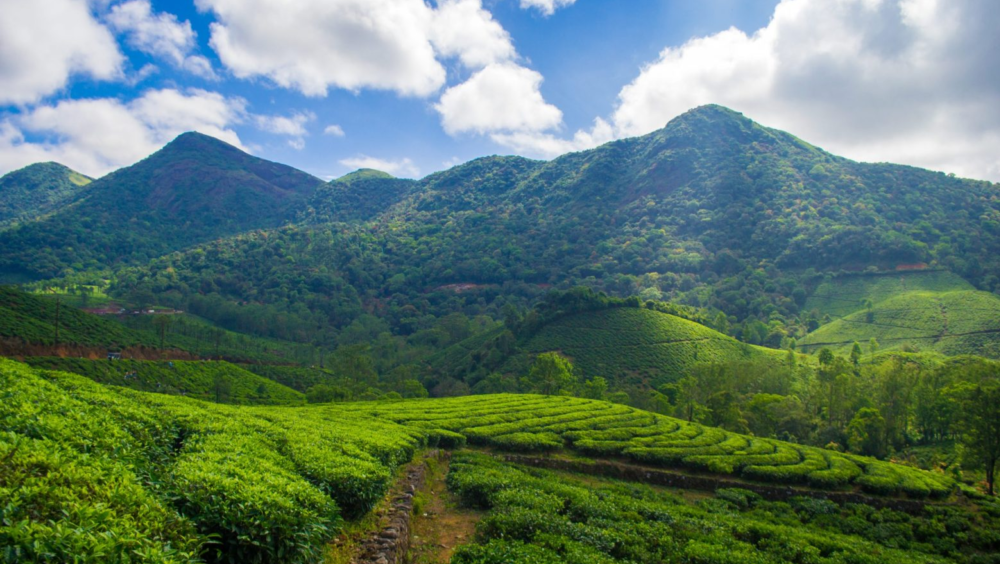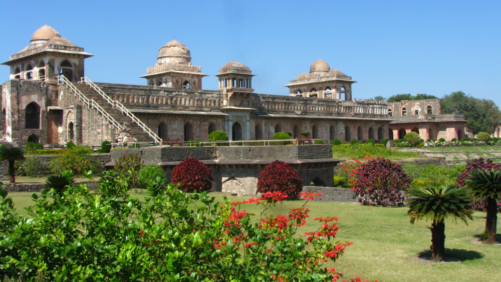
Tucked away on the edge of the Malwa plateau and the Vindhya ravines, Mandu is a fortress town that seems to have frozen mid-story: echoes of royal love affairs, echoing domes, monsoon mist creeping across ancient lakes. The moment you approach the ramparts you feel you’ve stepped into a timeless landscape. According to the official tourism site of Madhya Pradesh, Mandu’s monuments “leave you spell-bound” thanks to its palaces, mosques, gateways and lingering romance.

In this guide you’ll discover not just what to see in Mandu, but how to experience it — the best time to go, how to get there, where to stay, what to pack, and the stories behind each stone. Think of it as your friendly roadmap to one of India’s most atmospheric off-beat destinations.
Quick Snapshot
| Category | Key Info |
|---|---|
| Best time to visit | July through March (comfortable temps around 14–30 °C) |
| How to reach | Nearest airport: Indore (~ 95 km) |
| Must-do | Catch the sunset at Rani Roopmati Pavilion, wander through the ruins of Jahaz Mahal, explore the huge wall & gates of the old fort-city. |
| Budget | Mix of budget & mid-range stays; good value for historic ambiance. |
| Safety | Standard tourist precautions; monsoon roads may be slippery; early morning visits recommended for some hill-top spots. |
Why Visit Mandu?
Mandu is far more than a photo-stop. It’s a place where history and nature converge in dramatic form.
A fortress city with a story
Mandu (also called Mandav) is perched on the Vindhya Range, forming a natural defence over the Malwa plateau and the valley of the Narmada.
From the 6th century onwards it grew under various dynasties, and by the 15th/16th centuries reached splendour under the Malwa Sultanate. The circuit of ramparts is nearly 37 km long and punctuated by 12 major gateways.
Architectural romance in the air
Walk through the ramparts and you’ll see the mingling of Indo-Islamic and Hindu architectural forms: mosques with domes and courtyards, palaces by lakes, pavilions overlooking valleys. One legend tells of the beautiful Rani Roopmati, who watched over the Narmada from her pavilion, always waiting for her lover Baz Bahadur.
Nature & monsoon mood
The monsoon renders Mandu atmospheric: mist drifts through the trees, lakes reflect the sky and stone, and the elevated terrain gives a pleasant escape from the plains of central India. It’s this mood that gives Mandu its unique “fortress‐romantic” vibe.
When to Go
Here’s a seasonal breakdown so you pick your timing well:
- July to September (Monsoon onset): The landscape turns green, skies dramatic, cool breezes. Roads may be a bit slippery after heavy rain, but the payoff is high.
- October to March (Winter): Ideal touring weather — crisp mornings, comfortable days. According to the tourism site: between 14 °C and 30 °C is the norm in this period.
- April to June (Summer): Very hot — temperatures can hit as high as 46 °C in summer.
If you ask me (and I’m pretending I’m advising a friend): aim for October or February — good mix of weather, fewer crowds than peak holidays.
How to Reach Mandu
By Air
The closest major airport is Indore (listed as “Ahilyabai Holkar Airport, Indore”) about 95 km from Mandu.
By Rail
- Nearest major railhead: Ratlam (~ 130 km)
- Alternatively, you could get to Indore by train and then drive to Mandu.
By Road
- Direct buses from Indore: Indore → Mandu (~ 3 hrs) via Gangwal Bus Stand or Sarwate Bus Stand.
- You can also hire a car from Indore or Dhar.
- Note: The old fort-city terrain includes narrow, winding roads — allow extra time.
Where to Stay
Mandu’s stay options lean toward the mid-range heritage side rather than luxury resorts (though there are a few).
- One reliable option: MPT Malwa Resort, Mandu (run by MP Tourism) — pricing listed at ₹3,290-4,290 for a room.
- There are also private guesthouses and homestays in nearby villages which appeal if you want a quieter stay.
- Tip: If you’re visiting in monsoon, check access roads and confirm whether hill roads are easily navigable.
- Family travellers: choose accommodation within the ramparts of Mandu so you avoid long drives nightly.
Top Attractions & Experiences
Here are some must-see spots — each under H3 as per your brief:
Jahaz Mahal (the “Ship Palace”)
Built between two artificial lakes: Munj Talao and Kapur Talao, this sleek two-storeyed palace looks like a stone ship floating on the water.
Why go: It’s photogenic, sits by water, perfect for golden-hour light.
Tip: Arrive just before sunset to capture reflections.
Hindola Mahal (Swinging Palace)
This royal hall has sloping side-walls which give it the name “swinging palace.”

Why go: It’s quiet, dramatic, less visited than the more famous Jahaz Mahal.
Note: There’s some conflicting information about its exact construction date; treat the date as approximate.
Rani Roopmati Pavilion
Perched on a hilltop, this pavilion overlooks Baz Bahadur’s Palace and the Narmada plains — and is central to Mandu’s love-legend.

Why go: At dawn or dusk the vantage point offers sweeping views and a sense of peaceful isolation.
Hoshang Shah’s Tomb
One of the earliest marble tombs in India, and example of fine craftsmanship in Mandu.

Why go: Quiet spot, heritage value, less crowded than others.
Darwazas (Gateways) & Fort Walls
The massive parapet of walls that encircle Mandu (45 km of walls) is punctuated by 12 major gateways like the Delhi Darwaza and Alamgir Darwaza.
Why go: Walking along parts of the wall gives context to the scale of this fortress city.
Lohani Caves (bonus for history buffs)
Rock-cut caves with Hindu deities, predating the later Islamic palaces.

Why go: A lesser-visited relic of the layered history of Mandu.
Suggested Itineraries
1-Day Itinerary
- Morning: Arrive early, explore Jahaz Mahal + the twin lakes
- Midday: Visit Hindola Mahal + Hoshang Shah’s Tomb
- Late afternoon: Rani Roopmati Pavilion for sunset
- Evening: Stay within Mandu, stroll the fort walls at twilight
2-Day Itinerary
Day 1: As above.
Day 2:
- Early morning: Sunrise walk on the ramparts
- Mid-morning: Darwazas & wall circuit
- Afternoon: Lohani Caves + local village lunch
- Evening: Leisure time & local culture encounter
3-Day Romantic / Culture Getaway
Day 1: Arrival + lake palace views
Day 2: Full heritage walk + museum/fortification context
Day 3: Nature side: monsoon trails, forested ravines around Mandu, or even spend a half-day in nearby Dhar town.
You’ll finish relaxed, rich in stories, not rushed.
Costs & Budget (Indicative)
| Item | Approximate Cost* | Notes |
|---|---|---|
| Mid-range hotel | ₹3,000-4,500 per night (MPT Malwa Resort) | Price for 2025; verify at booking time |
| Meals (local restaurants) | ₹500-1,000 per person per day | Depending on dining choices |
| Local transport (taxi from Indore) | ₹4,000-6,000 round trip | Approximate; shared car or private hire |
| Monument entry fees | Varies – many heritage sites low cost or state-tourism managed | Must check on-site at time |
| *Budget estimates only; always confirm current rates. |
Local Transport
- Local buses from Indore → Mandu: ~3 hours
- Within Mandu: hire a local auto or small taxi; walks between monuments recommended.
- Car hire: best if you want to explore remote corners or day-trip from Mandu.
- Monsoon caution: Some roads are steep or winding; check weather/road-condition if arriving by self-drive.
Food & Drink
- Local Malwa cuisine: try “bhutte ka kees”, “mawa baati”, the tangy “khorasani imli” fruit (also mentioned in Mandu’s tourism page)
- Dinner suggestion: choose a terrace restaurant overlooking ruins—sunset ambience is beautiful.
- Hygiene tip: Drink bottled water, avoid roadside salads during heavy monsoon if local sanitation is uncertain.
Safety, Health & Permits
- No special permit required for Mandu for domestic travellers.
- Standard travel insurance recommended.
- Monsoon season: check heavy-rain advisories; avoid isolated trails after dark.
- Cultural etiquette: Many heritage monuments are in sacred/heritage zones—dress modestly in evenings and respect local customs.
- If you’re travelling with children or elderly, ensure accommodation has good access (some heritage properties may have steps/uneven floors).
Packing List & Tips
Seasonal pack
- July-September: rain jacket, quick-dry clothes, good walking shoes with grip
- October-March: light jacket for evenings, comfortable layers
- Essentials: hat/sunglasses, water bottle, power bank, flashlight (ruins may have limited lighting after dusk)
Cultural / heritage notes
- For mosque or tomb visits: modest attire, remove shoes if required
- Sunset shoots: bring a tripod or set your phone timer for quiet moments
Responsible Travel & Sustainability
- Stay on marked paths inside ruins; avoid climbing on fragile structures.
- Choose locally-run guesthouses or homestays: your spend supports the community.
- Avoid single-use plastic: carry your refillable water bottle.
- Respect local tribal & village culture around Mandu: ask permission before photographing villagers/homestays.
- During monsoon, avoid throwing waste into lakes or ravines that feed into the valley.
Read More : Attractions
Top FAQs
A1: One day lets you hit the major spots (Jahaz Mahal, Rani Roopmati Pavilion, Hindola Mahal), but two to three days let you truly absorb the heritage, nature and relaxed atmosphere.
A2: October to March offers the best weather. Monsoon (July-September) gives dramatic scenery but you should check road conditions.
A3: The nearest airport is Indore (~95 km). Buses from Indore take around 3 hours. Driving gives flexibility to explore more.
A4: Yes — e.g., MPT Malwa Resort lists rooms around ₹3,000-4,500/night.
A5: Comfortable walking shoes, light jacket for evenings, rain protection for monsoon, modest clothes for heritage/temple areas, and a refillable water bottle.
A6: Yes, generally safe. As always, avoid very late walks in remote ruins alone, and check monsoon road/walkway conditions.