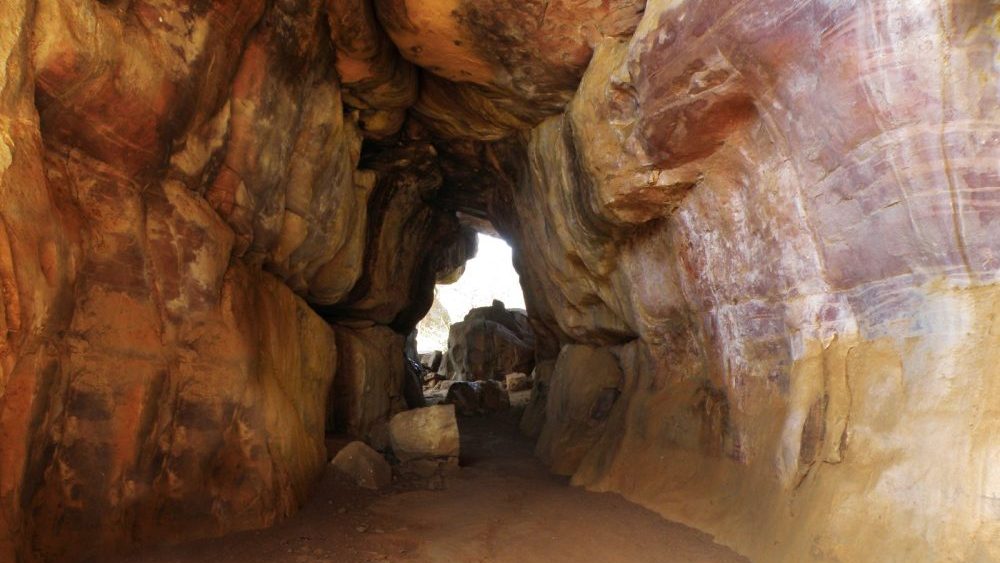
Imagine stepping into a world where ancient stories come alive through vibrant paintings on cave walls. Bhimbetka, a UNESCO World Heritage Site, is a treasure trove of prehistoric art, nestled in the heart of Madhya Pradesh. As you plan your visit, you’re not just booking a trip – you’re embarking on a journey through 30,000 years of human history.

Located just 45 kilometers from Bhopal, Bhimbetka’s rock shelters are a window into the lives of our ancient ancestors. With over 600 rock shelters and 500 caves adorned with paintings, this site is a must-visit for history enthusiasts and curious travelers alike. The optimal time to visit is crucial to fully appreciate the natural beauty and the ancient art that surrounds you.
Key Takeaways
- Discover the ideal seasons to explore Bhimbetka’s ancient caves.
- Understand the significance of Bhimbetka as a UNESCO World Heritage Site.
- Learn about the weather patterns and accessibility to plan your trip.
- Get practical tips to make your Bhimbetka experience unforgettable.
- Uncover the secrets of prehistoric art and its significance.
Discovering Bhimbetka: A UNESCO World Heritage Site
The ancient rock shelters of Bhimbetka, a UNESCO World Heritage Site, offer a glimpse into the lives of our earliest ancestors. Located in Madhya Pradesh, this site is a treasure trove of prehistoric paintings and rock shelters that date back to the Paleolithic and Mesolithic periods.
What Makes Bhimbetka Special
Bhimbetka is special because of its extraordinary collection of over 600 rock shelters that showcase prehistoric paintings dating back 30,000 years. These paintings provide a rare window into humanity’s artistic beginnings and depict various scenes from daily life, hunting, and communal dances.
The Historical Significance of the Rock Shelters
The rock shelters of Bhimbetka hold immense historical significance as they were first discovered by archeologist V.S. Wakankar in 1957. The site was later designated as a World Heritage Site by UNESCO in 2003, recognizing its exceptional cultural value and prehistoric significance. When you visit Bhimbetka, you can appreciate the remarkable preservation of these ancient paintings and understand how these rock shelters served as both homes and canvases for prehistoric humans.
- Explore the fascinating connection between ancient rock paintings and modern tribal art still practiced in surrounding villages.
- Learn about the archaeological discovery of Bhimbetka and its impact on our understanding of prehistoric human settlements.
- Understand the significance of Bhimbetka’s designation as a UNESCO World Heritage Site.
Best Time to Visit Bhimbetka
Bhimbetka’s charm varies with the seasons; knowing the best time to visit can enhance your experience. The site is open throughout the year, but the climate and crowd can significantly impact your trip.
Winter Season
The winter season, from October to March, is considered the best time to visit Bhimbetka. The pleasant climate, with temperatures between 11°C and 28°C, creates ideal conditions for exploring the ancient rock shelters.
Monsoon Season
For budget travelers, the monsoon season (July to September) is a good time to visit Bhimbetka. The area transforms into a photographer’s paradise with lush green surroundings, and hotel rates are significantly lower.
Summer Season
The summer season (April to June) is the least advisable time to visit Bhimbetka due to the extreme heat, with temperatures soaring up to 40°C. The high humidity in May and June makes exploration uncomfortable.

| Season | Months | Weather Conditions | Tourist Season |
|---|---|---|---|
| Winter | October to March | Pleasant (11°C-28°C) | Peak tourist season |
| Monsoon | July to September | Rainy, lush green surroundings | Off-season, budget-friendly |
| Summer | April to June | Hot (up to 40°C), humid | Not recommended |
Monthly Weather Guide for Bhimbetka
Understanding Bhimbetka’s climate is crucial for planning a memorable trip to this UNESCO World Heritage Site. The weather varies significantly throughout the year, impacting the overall experience.
Temperature and Rainfall Patterns
Bhimbetka experiences a diverse climate, with temperatures and rainfall varying across the months. The data below outlines the high and low temperatures, along with the average rainfall days for each month.
| Month | High/Low (°C) | Rain |
|---|---|---|
| January | 24°/11° | 2 days |
| February | 28°/13° | 0 days |
| March | 32°/17° | 2 days |
| April | 37°/22° | 0 days |
| May | 40°/27° | 0 days |
| June | 38°/27° | 12 days |
| July | 29°/23° | 19 days |
| August | 26°/22° | 29 days |
| September | 27°/21° | 30 days |
| October | 28°/20° | 13 days |
| November | 28°/17° | 2 days |
| December | 24°/12° | 4 days |
Ideal Months for Photography and Exploration
The best time to visit Bhimbetka for photography and exploration is from November to February, when the temperatures are pleasant, ranging from 24°C to 28°C, and rainfall is minimal. These conditions are ideal for capturing the ancient rock paintings and exploring the rock shelters. Additionally, the post-monsoon season in October offers unique photographic opportunities with lush landscapes and dramatic skies.
As the weather starts to warm up in March, it’s a good time to visit before the crowds arrive, offering a balance between comfortable conditions and fewer tourists. In contrast, May is the hottest month, making it less ideal for exploration due to the high temperatures.
Planning Your Visit to Bhimbetka
As you prepare to visit Bhimbetka, understanding the logistics of your trip is crucial for a seamless experience. Knowing the operational details will help you make the most of your time at this historical site.
Opening Hours and Entrance Fees
Bhimbetka is open from sunrise to sunset, and the entrance fee is approximately 200-300 INR, which grants you access to all major rock shelter complexes and prehistoric painting sites. Budgeting for this fee in advance will ensure a smooth entry.
Is Bhimbetka Open on Mondays?
You can visit Bhimbetka on Mondays; it is open every day of the week. This flexibility allows you to plan your trip according to your schedule.
Guided Tour Options
To enhance your experience, consider hiring a knowledgeable guide. Due to the limited number of guides, advance booking is recommended to avoid any inconvenience. A guide will provide valuable insights into the history and significance of Bhimbetka, enriching your visit.
Here are some additional tips to make your visit even more enjoyable:
- Arrive early in the morning to enjoy optimal lighting conditions and avoid the midday heat.
- Wear comfortable footwear and clothing suitable for the season, as the site requires moderate physical exertion.
- Consider visiting on weekdays to avoid crowds and have a more intimate experience with the ancient rock art.

How to Reach Bhimbetka Rock Shelters

Bhimbetka, a UNESCO World Heritage Site, is easily accessible by air, train, or road. Located in Madhya Pradesh, it is a must-visit destination for history buffs and travelers alike.
By Air: Nearest Airport
The nearest airport to Bhimbetka is Bhopal Airport, approximately 55 kilometers away. Bhopal Airport offers excellent connectivity to major Indian cities, making it convenient for tourists to fly in.
By Train: Railway Connections
Bhopal Railway Station is the primary railway station to visit Bhimbetka, with easy access to taxi services for the onward journey. Alternatively, Itarsi Junction is another important railway station, particularly for those traveling from southern or eastern India.
By Road: Driving Directions
Bhopal is the best starting point for a road trip to Bhimbetka, just 50 kilometers away via NH46. The journey is scenic and straightforward, making it an ideal travel experience.
How Much Time to Spend at Bhimbetka
To make the most of your visit to Bhimbetka, consider how much time you should spend exploring the rock shelters. Allocating the right amount of time is crucial for a comprehensive experience.
Recommended Duration for a Complete Experience
Allocate 2-3 hours for a thorough exploration of Bhimbetka’s main rock shelter complexes. This allows you to appreciate the intricate prehistoric paintings without rushing.
Tips for Making the Most of Your Visit
Begin your visit Bhimbetka in the morning when natural light enhances the visibility of the rock paintings. Consider hiring a guide to enrich your understanding, typically adding an extra 30-45 minutes. Plan for a day excursion if you’re an archaeology enthusiast or photographer, and be mindful of your pace due to the moderate walking involved.
Accommodation Options Near Bhimbetka

For a hassle-free trip to Bhimbetka, selecting the right accommodation in advance is key. You have various options to choose from, depending on your preferences and budget.
Staying in Bhopal
Bhopal city serves as the primary base for most visitors due to its proximity and variety of hotels. You can experience luxury stays at properties like Jehan Numa Palace Hotel or Marriott Bhopal, which offer excellent amenities and convenient access to Bhimbetka rock shelters.
MPSTDC Hotel and Other Nearby Options
If you prefer to stay closer to the site, consider the MPSTDC hotel located near Bhimbetka. It’s a modest but convenient option that minimizes travel time, allowing for early morning or late afternoon visits when lighting conditions are optimal.
Some key considerations for your stay include: – Choosing from a range of accommodation options in Bhopal, with luxury hotels like Noor-Us-Sabah Palace and mid-range hotels like Hotel Arch Manor. – Exploring budget-friendly options such as Hotel Shree Vinayak or various guesthouses. – Booking accommodations well in advance, especially during peak season (October-March), as hotels fill quickly with domestic and international tourists visiting Madhya Pradesh’s cultural sites. – Strategically choosing accommodations that facilitate easy day trips to multiple sites in the area.
Conclusion: Is Bhimbetka Worth Visiting?
If you’re wondering whether Bhimbetka is worth your time, the answer is a resounding yes. As a UNESCO World Heritage site, Bhimbetka offers a unique glimpse into prehistoric human civilization, with rock paintings dating back 30,000 years. The best time to visit Bhimbetka is during the winter months (October-March) when the weather is pleasant. Hiring a guide can enhance your experience by illuminating the stories behind these ancient artworks. With its rich history and relatively uncrowded atmosphere, Bhimbetka is an unforgettable travel experience.
Read more: Attractions
FAQ
The ideal season to explore Bhimbetka is during the winter months, from October to March, when the climate is pleasant and conducive to sightseeing.
Yes, the rock shelters are open throughout the year, but it’s advisable to avoid visiting during the peak summer months or the monsoon season.
You can reach Bhimbetka by air, train, or road. The nearest airport is in Bhopal, and there are also railway connections available. If you prefer to drive, Bhimbetka is well-connected by road.
The rock shelters have specific opening hours, and there is an entrance fee applicable for tourists. It’s recommended to check the official website or contact the local authorities for the most up-to-date information.
You can stay in Bhopal, which offers a range of accommodation options, including MPSTDC hotels and other nearby resorts. Booking in advance is advisable, especially during peak tourist season.
It’s recommended to spend at least a day exploring the Bhimbetka Rock Shelters to get a complete experience. You can also consider guided tours to make the most of your visit.
Yes, Bhimbetka is a UNESCO World Heritage Site, recognized for its historical significance and unique rock shelters.