
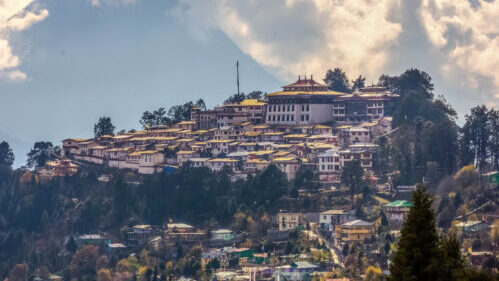
Tawang is one of those rare Himalayan destinations that stays with you long after you return. Tucked high in the mountains of Arunachal Pradesh, close to the border of Bhutan and Tibet, this remote town sits at an altitude of around 3,048 metres, surrounded by deep valleys, windswept passes, ancient Monpa culture, and landscapes that shift dramatically with the seasons. As per official tourism and district administration data, Tawang is home to India’s largest monastery, one of the world’s highest motorable passes, and some of the clearest glacial lakes in the eastern Himalayas.

This long-form travel guide on things to do in Tawang is crafted for travellers awaiting a deeper understanding of the region — its routes, weather realities, spiritual spaces, hidden lakes, army-controlled borders, and the day-to-day rhythm of life at high altitude. If you’re planning your first step into Arunachal’s high mountains, or considering whether Tawang is worth visiting, this guide gives you everything you need: verified facts, detailed itineraries, budgeting insights, and practical tips tailored for modern travellers aged 20 to 45.
In the following sections, you’ll find a carefully structured, human-toned, extensively researched narrative — your complete Tawang travel guide, using official data without URLs, written to help you experience this region with confidence, comfort, and respect.
Quick Snapshot of Tawang
| Category | Details |
|---|---|
| State | Arunachal Pradesh |
| Altitude | Approx. 3,048 m (as per district administration data) |
| Famous For | Tawang Monastery, Bum La Pass, Sela Pass, Nuranang Waterfall, Monpa culture |
| Nearest Major Airport | Guwahati International Airport (approx. 445–480 km by road, depending on route) |
| Nearest Regional Airport | Tezpur Airport (limited services; check availability) |
| Nearest Major Railway Station | Rangapara North / Tezpur (approx. 320–340 km away) |
| Road Connectivity | Via Sela Pass; conditions vary based on BRO advisories |
| Best Visiting Months | October–December, March–May |
| Required Permit | ILP (Inner Line Permit) for all domestic non-Arunachal travellers |
| Border Areas | Bum La Pass and some lakes require additional permits |
Why Visit Tawang?
Tawang is not just a place — it’s an atmosphere. A feeling. A shift in pace and perspective.
The moment you arrive, the altitude slows you down, the clear mountain air resets you, and the Monpa hospitality makes the harsh terrain feel warm and welcoming. The region blends natural beauty with spiritual depth: from the rhythmic chanting of monks in Asia’s second-largest monastery to the thunderous roar of Nuranang Falls, from snow-covered roads at Sela Pass to the silent serenity of shimmering lakes like Pangang Teng Tso and Yarab Tso.
Travellers come to Tawang for many reasons:
1. Monasteries That Anchor a 400-Year Spiritual Heritage
Tawang Monastery, founded in the 17th century, remains one of the most iconic Buddhist institutions in the world.
2. High-Altitude Landscapes That Redefine “Remote Beauty”
Frozen lakes, glacial valleys, and snow-lined roads offer dramatic scenery, especially in winter.
3. A Frontier Border Experience at Bum La Pass
This high-altitude Indo-China border pass offers an unmatched patriotic, geographic, and historical significance.
4. Culture Rooted in the Monpa People
The region’s food, festivals, textiles, architecture, and monastery rituals create a cultural immersion unlike anywhere else in India.
5. Adventure, Serenity, and Roads That Test Your Spirit
Tawang remains one of India’s most rewarding road-trip destinations.
Best Time to Visit Tawang (Seasonal Breakdown)
Tawang’s weather varies dramatically with the seasons because of its altitude and location near the higher Himalayan ranges. According to IMD data and district climate records, each season brings its own challenges and beauty.

Summer (March to May)
- Temperature: 5°C to 15°C
- Weather: Cold mornings, mild afternoons
- Highlights: Clear skies, accessible roads, lake visits
- Notes: Snow melting near Sela Pass may cause temporary waterlogging; conditions vary by day.
This is one of the best times to visit if you want a comfortable experience with predictable conditions. It’s also peak season for cultural travel, photography, and monastery tours.
Monsoon (June to September)
- Temperature: 7°C to 17°C
- Heavy rainfall makes the roads challenging.
- Landslides are common as per BRO advisories.
- Not recommended for first-time or casual travellers.
The valleys are lush and green, but road reliability drops significantly.
Autumn (October to November) — Highly Recommended
- Temperature: 0°C to 12°C
- Crystal-clear skies
- Best views of lakes, valleys, monasteries
- Roads are generally stable before peak winter snowfall
This is the most favourable time for photography, scenic drives, and smooth travel.
Winter (December to February)
Ideal for travellers searching for snow experiences.
- Temperature: –5°C to –10°C (as per IMD winter records; can drop lower during cold waves)
- Snowfall common at Sela Pass, Bum La Pass, and high-altitude lakes
- Road closures occur periodically due to heavy snow
- Requires warm layers, winter boots, and altitude preparation
Winter is magical but demanding. If you want to experience offbeat things to do in Tawang in winter, this season offers frozen lakes, snow-clad monasteries, and white landscapes — but always travel with weather updates from district authorities.

How to Reach Tawang (From Anywhere in India or Internationally)
Reaching Tawang is a journey in itself — an adventure across multiple states, varying altitudes, and one of the most scenic mountain routes in India. According to official transport sources and BRO (Border Roads Organisation) data, the final approach to Tawang involves steep climbs, hairpin bends, and the famous Sela Pass, which remains the biggest determinant of accessibility.
Here’s the verified, traveller-friendly guide based on official and ground-level information.
1. By Air (Most Popular: Guwahati → Tawang)
Guwahati International Airport (GAU)
- Best option for most travellers
- Well-connected to major Indian cities and several international destinations
- Distance to Tawang: 445–480 km depending on route
- Travel time: 12–14 hours by road (with breaks)
This is the route most travellers choose due to consistent connectivity and better transport options onward.
Tezpur Airport (TEZ)
- Much closer — approx. 330–340 km from Tawang
- Limited flights; schedules change frequently
- Check availability before planning
Official tourism authorities often recommend travellers to rely on Guwahati for stability.
2. By Rail
There is no railway station in Tawang due to its altitude and terrain.
The nearest major stations are:
- Rangapara North – approx. 310–330 km
- Tezpur – approx. 320–340 km
From here, travellers must continue by road.
3. By Road (Guwahati/Tezpur → Bomdila → Tawang)
This is the core of the Tawang journey.
As per BRO and district information:
Route (Most Trusted):
Guwahati → Bhalukpong → Bomdila → Dirang → Sela Pass → Tawang
Key Distances:
- Guwahati → Bhalukpong: 240 km
- Bhalukpong → Bomdila: 100 km
- Bomdila → Dirang: 40 km
- Dirang → Tawang (via Sela Pass): 140 km

Travel Time:
2 days recommended with an overnight stop at Bomdila or Dirang.
Road Conditions:
- Sela Pass (alt. 13,700 ft) can experience snow, ice, or fog
- Winter closures occur; BRO clears roads as quickly as weather allows
- Roads may be rough near landslide zones
Vehicles Available:
- Shared Sumo
- Private taxis
- Self-drive (only advisable for experienced mountain drivers)
4. Inner Line Permit (ILP)
All Indian citizens outside Arunachal Pradesh need an ILP to enter.
Foreign nationals require a Protected Area Permit (PAP).
- ILP checkpoints: Bhalukpong, Dirang, several district posts
- Carry ID proof
- As per official state guidelines, ILP must be obtained before entering the state
Where to Stay in Tawang
Accommodation in Tawang is concentrated around the main town area, with options ranging from budget homestays to mid-range hotels offering valley views. Tawang’s hospitality is largely driven by the warm Monpa community.
Best Areas to Stay:
1. Old Market Area (Central & Convenient)
- Close to cafés, shops, taxis
- Best for first-time travellers
- Budget to mid-range hotels
2. Nehru Market (Good Connectivity)
- Easy access to monastery road
- Popular with Indian travellers
- Balanced prices
3. Monastery Road (Scenic & Quiet)
- Overlooks the valley
- Ideal for peaceful stays
- Slightly away from the busy town centre
- Mid-range and premium stays available
Budget Guide:
- Budget stays: ₹1,200–₹2,000 per night
- Mid-range hotels: ₹2,000–₹4,000 per night
- Premium stays: ₹4,000–₹8,000+ per night
(As per general traveller trends; official pricing varies by season.)
Top Things to Do in Tawang
This section forms the core of your Tawang experience. Below are the most important attractions, described in-depth, with verified details and human-friendly explanations.
1. Tawang Monastery
As per district historical records, Tawang Monastery (also called Galden Namgey Lhatse) was founded in 1680–1681 by Merak Lama Lodre Gyatso. It is India’s largest monastery and one of the largest in the world, belonging to the Gelugpa sect of Tibetan Buddhism.
Why Visit:
- The 8-metre high statue of the Buddha is one of the region’s most celebrated landmarks.
- Prayer halls echo with the deep, rhythmic chanting of monks.
- The monastery complex offers sweeping views of the valley below.
- The library contains rare Buddhist scriptures and manuscripts.
Experience Notes:
- Early morning rituals are mesmerizing and peaceful.
- Photography rules vary inside the prayer hall.
- Best visited during clear mornings to enjoy the panoramic views.
2. Sela Pass
Situated at 13,700 ft, Sela Pass is the high-altitude gateway to Tawang and one of the most dramatic landscapes in Arunachal Pradesh.
What You’ll See:
- Snow-lined roads for much of the winter
- The ethereal Sela Lake
- Prayer flags flapping against strong winds
- A sense of accomplishment as you cross this Himalayan landmark
Weather & Accessibility:
- Winter: Frequent snowfall; temporary closures occur
- Best months for stable passage: March–May and October–November
As per BRO, conditions can change rapidly — always check updates before travelling.
3. Nuranang Waterfall (Jang Falls)
One of the most stunning waterfalls in the Northeast, Nuranang plunges from a great height into a misty pool below. The roaring sound of the falls fills the valley, creating a dramatic scene.
Why Visit:
- Beautiful photography angles
- Misty ambience
- Calm surroundings
Best Time:
Post-monsoon to early winter for clear views.
4. Tawang War Memorial
Built in memory of the brave Indian soldiers who fought in the 1962 Indo-China war, this memorial is both emotional and inspiring.
What to Expect:
- Light and sound show (seasonal and timing-dependent)
- Names of martyred soldiers etched on stone
- well-maintained gardens with views of the surrounding hills
Experience Tip:
Visit close to sunset for the most moving ambience.
5. Pangang Teng Tso (PT Tso Lake)

Located at an altitude of over 12,000 ft, PT Tso is one of Tawang’s most accessible high-altitude lakes.
Why Visit:
- Reflection photography
- Snow-covered views in winter
- Dramatic cloud formations
Permits may be required depending on army instructions for the day.
6. Urgelling Monastery (Birthplace Site of the 6th Dalai Lama)

According to historical accounts and local narratives, this is the birthplace site of Tsangyang Gyatso, the 6th Dalai Lama.
Experience Notes:
- Smaller and quieter than Tawang Monastery
- Excellent for understanding the cultural roots of the region
- Best visited in the morning for peaceful prayer sessions
7. Khinmey Monastery
A vibrant monastery situated a short drive from Tawang, known for its striking architecture and friendly monks.
Highlights:
- Colourful murals
- Prayer wheels
- Spacious courtyard
- Less crowded than Tawang Monastery
8. Bum La Pass — The High-Altitude Indo-China Border Experience (MUST VISIT)
Bum La Pass is one of the most significant attractions in Tawang — historically, geographically, and emotionally. Situated at an altitude of around 15,200 ft, this pass marks the Indo-China border and is managed by the Indian Army.

Why It’s Special:
- You stand within touching distance of the international border.
- Army personnel share stories and history of the region.
- The views are surreal: snow-covered slopes, icy winds, and endless white horizons in winter.
- According to oral histories, the Dalai Lama escaped to India through this region in 1959.
Permit Requirements:
- Mandatory: Special permit issued by the Tawang District Administration
- Verification and clearance by the Indian Army
- Hotel staff or registered tour operators usually assist travellers in arranging permits
- As per official guidelines, carry:
- Valid ID
- ILP
- Passport-size photo
Travel Time:
- 35–45 km from Tawang town
- Takes 1.5–2 hours one way due to steep climbs and army checkpoints
Weather Notes:
- Winter: Heavy snowfall, extremely cold winds
- Road is often icy; closures are common
- Best months for smoother access: October–November and March–May
Experience Tips:
- Start early morning
- Carry warm layers, gloves, and sunglasses
- Respect all army instructions
- Photography rules vary; always ask before shooting
Offbeat & Local Experiences in Tawang
Beyond the popular spots, Tawang offers several quiet, hidden, and culturally rich experiences that help you connect more intimately with the land and its people. These offbeat activities add texture and depth to your trip, especially if you want something beyond tourist trails.
1. Spend a Morning with Monpa Artisans
The Monpa community has an ancient tradition of handcrafting wooden bowls, masks, shawls, carpets, and painted thangkas. Several families still practice these crafts in their homes.
What to Expect:
- Observe intricate carving and weaving techniques
- Learn about natural dyes
- Pick up souvenirs that directly support local artisans
2. Explore the Hidden High-Altitude Lakes Beyond PT Tso
Tawang district has dozens of lesser-known lakes created by glaciers and fed by snowmelt.
Some offbeat lakes include:
- Yarab Tso
- Nagula Lake
- Shonga-tser Lake (sometimes called “Madhuri Lake,” though locals prefer the original name)
Note:
Many of these lakes fall under army-controlled areas and may require permits or same-day clearances. Timings vary; check with local authorities before planning.
3. Attend a Local Festival (Seasonal)
The Monpa people celebrate festivals that blend Buddhist rituals with local traditions.
Major Festivals:
- Losar (New Year) – February
- Torgya Festival – January at Tawang Monastery
- Choskor Festival – Crop-blessing celebration
As per cultural authorities, festivals are the best window into Monpa music, dances, mask performances, and religious ceremonies.
4. Evening Walks Around Old Market & Nehru Market
This is where Tawang feels the most alive — small shops selling woollens, prayer items, local snacks, and traditional attire.
Try:
- Butter tea
- Yak cheese products
- Local dried chilli varieties
- Handmade incense sticks
5. Quiet Sunrise at Khinmey or Urgelling
Unlike the main monastery, these spots remain peaceful in the early hours. The crisp mountain air and the first rays of sunlight create a meditative environment.
Suggested Itineraries
Below are realistic itineraries based on actual road distances, army permit timings, and altitude considerations. These plans assume you’re arriving from Guwahati or Tezpur.
1-Day Tawang Itinerary
Ideal if you’ve already reached Tawang and want to explore quickly.
- Start early at Tawang Monastery
- Visit Urgelling Monastery
- Drive to Nuranang Waterfall
- Spend your evening at the War Memorial (light & sound show if available)
- Dinner at a local Monpa restaurant
3-Day Tawang Itinerary
(Most Popular)
Day 1: Explore Tawang Town
- Tawang Monastery
- Museum & library
- Khinmey Monastery
- Old Market stroll
Day 2: Lakes & Passes
- PT Tso Lake
- Nagula Lake (if accessible)
- Army camps & viewpoints
- Evening relaxation in town
Day 3: Nuranang Waterfall + Cultural Immersion
- Jang Falls
- Urgelling Monastery
- Artisan workshops
- Local food tasting
5-Day Tawang Itinerary
(Ideal for slow, scenic, altitude-friendly travel)
Day 1: Dirang → Tawang arrival
- Cross Sela Pass
- Acclimatise at hotel
Day 2: Core Tawang
- Tawang Monastery
- War Memorial
- Urgelling Monastery
Day 3: Full day at Bum La Pass
- Visit Bum La Pass, the Indo-China border
- Explore Sangestar / Shonga-tser Lake (subject to permit and weather)
- PT Tso Lake on return journey
Day 4: Waterfalls & Valley Exploration
- Nuranang Waterfall
- Visit local Monpa villages
- Evening café visit
Day 5: Rest + Markets + Optional Lakes
- Additional lakes based on weather
- Handicraft shopping
- Leisurely walk around town
Costs & Budgeting
Below is an approximate, traveller-based budgeting table for Tawang.
Official figures vary by season, availability, weather, and fuel prices.
Sample Daily Budget (per person)
| Expense | Budget | Mid-Range | Premium |
|---|---|---|---|
| Stay | ₹1,200–₹2,000 | ₹2,000–₹4,000 | ₹4,000–₹8,000+ |
| Food | ₹400–₹700 | ₹700–₹1,200 | ₹1,200–₹2,000 |
| Local Transport | ₹600–₹1,200 | ₹1,200–₹3,000 | ₹3,000–₹5,000 |
| Permits | ₹100–₹300 | ₹100–₹300 | ₹100–₹300 |
| Sightseeing/Taxis | ₹1,000–₹2,000 | ₹2,000–₹4,000 | ₹4,000–₹8,000 |
| Shopping | Optional | Optional | Optional |
Average Per-Day Estimate:
- Budget: ₹2,500–₹3,000
- Mid-range: ₹4,000–₹6,000
- Premium: ₹7,000–₹12,000+
Local Transport Guide
Tawang does not have app-based taxis or metro systems. Mobility depends on local taxi unions, private drivers, and shared cabs.
Travel Options:
1. Shared Sumo (Most Affordable)
- Connects Bomdila, Dirang, and Tawang
- Ideal for budget travellers
- Tight seating; long travel hours
- Weather-dependent
2. Private Sumo/Innova/Scorpio
- Best comfort for long distances
- Rates vary by season and demand
- Suitable for Bum La Pass trips (requires sturdy vehicle)
3. Local taxis for intra-town travel
- Very limited availability
- It’s best to book through your hotel
4. No self-drive rentals
Due to army-controlled zones and challenging terrain, official sources advise against self-driving unless extremely experienced.
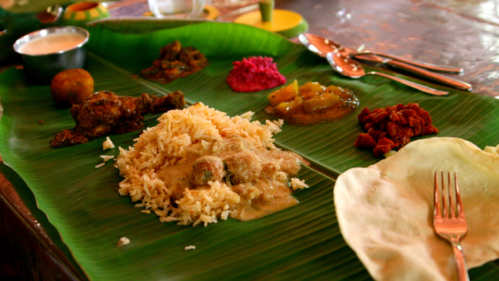
Food & Cuisine in Tawang
Tawang’s cuisine is simple, warm, and comforting — built around the cold climate and Monpa traditions.
Must-Try Local Dishes:
- Thukpa – Hearty noodle soup
- Zan – Staple Monpa porridge
- Gyapa Khazi – Local fried rice with yak butter
- Tsampa – Roasted barley flour meal
- Momos – Local favourite
- Yak Butter Tea – Strong flavour, excellent for cold weather
Where to Eat:
- Local Monpa family-run kitchens
- Small cafés in Old Market
- Establishments near Tawang Monastery Road
Safety, Health & Permits
Tawang is a high-altitude, army-controlled region. Understanding safety guidelines helps ensure a smooth trip.
1. Altitude Sickness (Very Important)
Tawang sits at 3,048 m, and Bum La Pass at over 4,600 m.
Prevention Tips:
- Acclimatise 24 hours after arrival
- Avoid alcohol on Day 1
- Hydrate well
- Move slowly; don’t rush the itinerary
- Carry ORS or doctor-advised medication
2. Weather Conditions
Official IMD and district records warn of:
- Sudden snowfall
- Fog reducing visibility
- Landslides in monsoon
- Sub-zero winters
3. Permits Required
- ILP (Inner Line Permit): mandatory for all non-Arunachali Indian citizens
- Bum La Pass Permit: issued by district administration + army verification
- Lake permits: required for high-altitude army-protected lakes
Carry printed and digital copies at all times.
4. Army-Controlled Zones
Follow all instructions without exceptions:
- No drone usage
- No photography in restricted zones
- Respect timing restrictions
- Do not venture into unmarked trails
Packing List for Tawang
Clothing:
- Heavy winter jacket (even in autumn)
- Thermal layers
- Gloves, cap, woollen socks
- Snow boots (for winter travel)
- Sunglasses (glare protection from snow)
Essentials:
- Personal medicines
- Moisturiser & lip balm
- Power bank
- Printed permits
- ID proof
- Refillable water bottle
Winter-Specific:
- Hand warmers
- Waterproof outerwear
- Extra woollen layers
Responsible Travel
Tawang is culturally sensitive, environmentally fragile, and spiritually significant.
Travel Responsibly:
- Respect monastery rules
- Maintain silence inside prayer halls
- Avoid littering near lakes and passes
- Do not disturb wildlife
- Support local artisans instead of mass-produced souvenirs
- Be conscious of army protocols
Read More: Attractions
FAQ
Absolutely. As per state tourism and traveller feedback, Tawang offers a rare mix of spirituality, high-altitude adventure, snow experiences, border visits, and Monpa culture. It remains one of India’s most memorable Himalayan destinations.
A minimum of 3 days in Tawang is recommended.
A 5-day itinerary offers the best balance of sightseeing, acclimatisation, and offbeat exploration.
Tawang is famous for:
– Tawang Monastery (largest in India)
– Bum La Pass
– Sela Pass
– Glacial lakes like PT Tso and Nagula
– Nuranang Waterfall
– Rich Buddhist and Monpa cultural heritage
Yes. According to IMD data, snowfall is common from December to February, especially around Sela Pass, Bum La Pass, and high-altitude lakes.
The journey is scenic but challenging:
– Multiple hours of mountain driving
– High-altitude passes
– Rough roads at times
– Weather-dependent closures
It is safe when done with experienced drivers and proper acclimatisation.
No.
As per army and district administration updates:
– Winter: Frequent closures due to heavy snowfall
– Monsoon: Access depends on landslide conditions
– Ideal months: October–November and March–May
Always check locally before planning.
Yes.
All Indian travellers (non-Arunachali) require an Inner Line Permit (ILP).
Foreign nationals require a Protected Area Permit (PAP).
Bum La Pass and some lakes require additional permits.
Yes — the region is peaceful, the local community is welcoming, and crime rates are extremely low.
However, solo travellers must:
– Follow weather updates
– Carry permits
– Respect army protocols
– Be cautious during winter conditions
October–November and March–May offer the best combination of weather, visibility, road conditions, and accessibility.
Yes — with caution.
The altitude may cause discomfort.
It’s important to:
– Acclimatise slowly
– Avoid rushing
– Consult a doctor beforehand
– Travel in good weather months


.jpg)


