
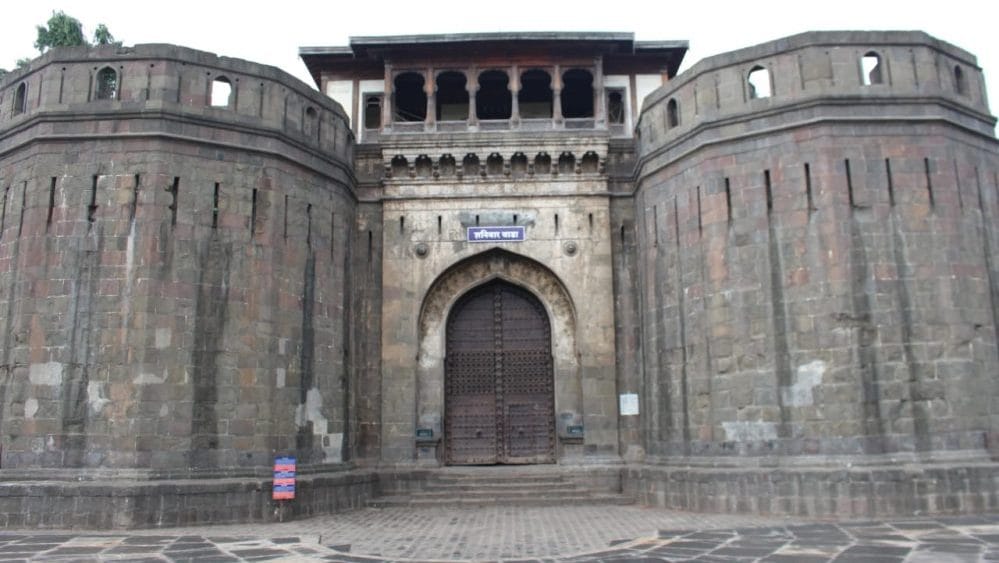
Welcome to Pune, Maharashtra, India — a city where history, academia, green hills, modern industry and vibrant youth culture blend in seamless harmony. Whether you’re a domestic or international traveller aged 20–45 on a budget or modest mid-range trip, Pune offers a wealth of experiences.

In this guide, we’ll walk you through things to do in Pune, spotlighting gems like Shaniwar Wada, Aga Khan Palace, Shrimant Dagdusheth Halwai Ganpati Ji Mandir, Raja Dinkar Kelkar Museum, Joshi’s Museum Of Miniature Railways, and many more. We’ll also cover things to do in Pune for couples, with friends, for youngsters, at night, unique things to do in Pune, and things to do in Pune today.
Pune’s evolution from a Maratha stronghold, British cantonment, and educational hub to an IT and startup city makes it uniquely layered. Its pleasant climate, accessible terrain, and relatively low cost make it an ideal stop on many India itineraries.
A quick fact to set the tone: Shaniwar Wada is open daily from 9:30 am to 5:00 pm (Pune Tourism). And Aga Khan Palace welcomes visitors from 9:00 am to 5:30 pm every day except national holidays.
Let’s dive in — start planning your Pune adventure with confidence.
Quick Snapshot
Here’s a handy snapshot to orient you before we go deep into details:
| Feature | Details |
|---|---|
| Best time to visit | October to February (cool, dry) |
| How to reach | Via Pune Airport (PNQ), major trains, state and private buses, or road from Mumbai via expressway |
| Must-do experiences | Explore Shaniwar Wada, visit Aga Khan Palace, Darshan at Dagdusheth Ganpati, wander through Kelkar Museum, catch a night walk or rooftop café |
| Budget per day (approx.) | ₹1,500–₹3,500 (transport, meals, modest stay, entry fees) — see “Costs & Budget” |
| Safety | Generally safe, but be alert in crowded places, follow local rules (e.g. drone bans), use registered taxis; see “Safety, Health & Permits” |
Why Visit Pune?
Pune blends the old and the new in a captivating way. Founded centuries ago, it became a seat of power for the Peshwas (prime ministers) in the 18th century, and retains echoes of that era in forts, wadas, and narrow old lanes. As an educational hub (nicknamed the “Oxford of the East”), it attracts students from all over, giving the city a youthful and energetic vibe.
In recent decades, Pune has grown into an IT and industrial center, yet it still preserves its green surroundings — hills, parks, riverbanks, and nearby forts — giving nature lovers and history seekers much to explore.
Some draws:
- A manageable city footprint — you can see much without extreme travel
- Rich history (Maratha, British, freedom movement)
- Culture, music, theatre, food, café scene
- Proximity to hill stations, forts, nature getaways
- Affordable compared to many larger Indian metros
When to Go
Here’s a seasonal breakdown:
- October – February (winter / post-monsoon): Best period. Cool, dry, clear skies, ideal for sightseeing. Daytime averages ~18–28 °C. (Incredible India on season)
- March – May (summer): Hot and dry. Temperatures often climb 35–38 °C; afternoons may be uncomfortable.
- June – September (monsoon): Heavy rainfall, occasional flooding, slippery roads. Many hill fort treks are risky. (Avoid full monsoon)
If you can, aim for November to January — the sweet spot for weather, outdoor events, festivals (like Ganesh Chaturthi, Diwali), and clear hill views.
Note: For things to do in Pune at night, winter months allow more comfortable evening strolls and rooftop activities.
How to Reach
By Air
Pune International Airport (PNQ) connects to major Indian cities like Mumbai, Delhi, Bangalore, Hyderabad, and Goa. Some limited international flights exist. (Incredible India)
From airport to city centre (say Koregaon or Shivaji Nagar) is about 12–15 km, depending on exact destination. Travel time ~30–45 min by taxi, depending on traffic.
By Train
Pune Junction is a major rail hub, connecting to Mumbai, Delhi, Chennai, Kolkata, Bangalore, Hyderabad, and many others. (Maharashtra Tourism)
Other local stations (e.g. Shivaji Nagar, Pune Cantonment) also serve some routes.
By Road / Bus
- From Mumbai: Use the Mumbai–Pune Expressway (NH 48). Travel time ~3–4 hours (depending on traffic).
- State & private buses: Maharashtra State Road Transport Corporation (MSRTC) and private operators run frequent buses from Mumbai, Nashik, Aurangabad, Satara, Kolhapur, etc.
- Highways: NH 48 (old NH4) connects Pune to much of west India.
Note: Road traffic can become heavy during peak hours (mornings 8–10 am, evenings 6–9 pm). Plan accordingly.
Where to Stay
Pune offers accommodation across all budgets. Here’s how to pick your area and examples:
Key Neighborhoods
| Neighbourhood | Vibe & Pros | Typical Budget Tier | Notes |
|---|---|---|---|
| Koregaon Park / Kalyani Nagar | Trendy, cafes, nightlife | Mid to upper-mid | Good for couples and young travellers |
| Shivaji Nagar / Camp | Central, close to railway & bus hubs | Budget to mid | Good for walkability to core attractions |
| Deccan / JM Road | Shopping & connectivity | Mid-range | Convenient hub for many routes |
| Baner / Aundh | Quiet, residential, close to IT hubs | Mid | Ideal if visiting Pune’s tech zones |
Sample Hotels / Guesthouses (check current rates)
- Budget: Guesthouses or hostels around Camp / Shivaji Nagar
- Mid-range: Boutique hotels in Koregaon Park, Kalyani Nagar
- Upscale / boutique: Heritage or luxury hotels in leafy zones
Always verify on official hotel or tourism board sites for the latest room rates, amenities, cancellation policies, safety certifications, etc.
Top Attractions & Experiences
Below are key things to do in Pune. Each entry includes a verified fact from an official or reliable source.
Shaniwar Wada
This Maratha-era fortification was built in 1732 by Peshwa Baji Rao I.
- Timings: 8:00 am to 6:30 pm daily.
- Entry fee: ₹5 for Indians, ₹125 for foreigners.
- Light & Sound Show: Held in evening — Marathi show (7:15–8:10 pm) and English (8:15–9:10 pm). Ticket ~₹25 for the show.
Visitors often spend ~1–1.5 hours in the daytime, more if attending the show.

Aga Khan Palace
Built in 1892 by Aga Khan III, this palace was later a key site in India’s freedom struggle and is memorialised as such.
- Timings: 9:00 am to 5:30 pm daily (closed on national holidays).
- Entry fee: ₹5 for Indians; ₹100 for foreigners; children’s rate ~₹2.
- There is a lunch break (~12:30–1:30 pm) per some sources.
Visitors can explore gardens, the museum (with Gandhi’s personal artifacts), and the memorial.
Shrimant Dagdusheth Halwai Ganpati Ji Mandir
This is one of Pune’s most famous and beloved Ganesh temples, dedicated to Lord Ganapati.

The temple often draws large crowds, especially during Ganesh Chaturthi; offering darshan and lighting is a common devotional activity.
Raja Dinkar Kelkar Museum
This museum holds a large, eclectic collection of Indian arts, crafts, musical instruments, and everyday objects collected by Dr. Dinkar Kelkar. (Listed in many Pune sightseeing guides)
Official timings and entry fees are harder to find in official government sources; visitors should check museum or Pune Tourism site in real time.
Joshi’s Museum Of Miniature Railways
Located in Pune, this is a niche museum showcasing working miniature railway layouts — charming to both kids and adults.
As an offbeat attraction, it appeals especially for unique things to do in Pune or for youngsters.
Additional Attractions
Here are more worthwhile stops:

- Sinhagad Fort — a hill fort offering hiking and views (Pune district tourism)
- Parvati Hill — climb ~103 steps to a cluster of small temples, enjoy city views (India Travel Forum)
- Vetal Tekdi (MIT Hill / Hanuman Tekdi) — a small hill in the city, good for walks, early morning or evening visits.
- Saras Baug & Peshwe Park — green public spaces in the city center. (Pune gov’t tourist places)
For things to do in Pune at night, popular options include rooftop cafés (in Koregaon Park, FC Road), evening walks in Koregaon Park area, or attending cultural performances at local auditoriums (check city event listings).

For things to do in Pune with friends, consider bar-hopping in Koregaon Park, pub visits in Baner, or board game cafés.
For things to do in Pune for couples, romantic walks atop Parvati Hill, sunset views from Sinhagad, or dinner cruises on the Mula–Mutha river embankment (if available) are good picks. (Local event listings would help.)
Suggested Itineraries
Below are sample itineraries for different durations.
1-Day Itinerary
- Morning: Start at Shaniwar Wada, then walk nearby lanes and markets (Laxmi Road, Tulshibaug)
- Late morning: Visit Peshwe Park or Saras Baug
- Lunch: Try local Maharashtrian thali
- Afternoon: Head to Aga Khan Palace
- Evening: Darshan at Shrimant Dagdusheth Ganpati Mandir, then rooftop dinner or light & sound show at Shaniwar Wada
3-Day Itinerary
Day 1: As above (city core)
Day 2: Raja Dinkar Kelkar Museum, Joshi’s Miniature Railways, Parvati Hill, then café stroll in Koregaon Park
Day 3: Excursion to Sinhagad Fort (hike), then evening free for nightlife or shopping
7-Day Itinerary
Include the 3-day plan plus day trips to:
- Lonavala / Khandala
- Lavasa / Mulshi Dam
- Jejuri or Ashtavinayak temples
- Optional: day trip to Mahabaleshwar or Panchgani
Customize based on your pace and interests (nature vs history vs relaxation).
Costs & Budget
Here’s a sample budget table (estimates as of 2025 — always check live prices):
| Category | Low / Budget | Mid-range | Notes |
|---|---|---|---|
| Local transport (per day) | ₹150–₹400 | ₹400–₹800 | rickshaw, app taxis, bus, metro (if any) |
| Accommodation (per night) | ₹500–₹1,200 | ₹1,500–₹4,000 | guesthouses / 2–3 star hotels |
| Meals (3 meals) | ₹200–₹500 | ₹600–₹1,500 | street food, cafés, restaurants |
| Entry fees / attractions | ₹20–₹300 | ₹300–₹800 | depends on museums, shows, day trips |
| Day trip (outside city) | ₹500–₹1,500 | ₹1,500–₹3,000 | transport + guide + food |
Tips:
- Use shared taxis or public bus rather than private cabs all the time
- Combine museums / city passes if available
- Book ahead for night shows (e.g. Shaniwar light & sound)
Local Transport
Getting around Pune is fairly straightforward:
- Buses: Pune Mahanagar Parivahan Mahamandal Ltd (PMPML) runs city bus services (check www.pmpml.org)
- Auto-rickshaws: In many parts, though meter usage is patchy
- App taxis / cabs: Ola, Uber, Meru are active
- Bike rentals / scooters: In areas like Koregaon Park
- Walking / cycling: For short segments in dense zones
Fares:
- Bus: typically ₹20–₹50 depending on distance (estimate; verify with PMPML current fare schedule)
- Auto / cab: base + per-km; negotiate small distances or insist on meter
- For trips outside city (e.g. Sinhagad), negotiate a round-trip or hire a private taxi
Permit / regulation note: Drone use in Pune requires prior permission, especially in sensitive zones.
Food & Drink
Local Dishes to Try
- Misal Pav (spicy curry + bread)
- Puran Poli & Amti
- Bhakri + Thecha + Peas usal
- Pheni / Shrewsbury biscuits for snack
- Street snacks: vada pav, batata vada, sabudana vada
Hygiene & Safety Tips
- Choose busy stalls with turnover (food is fresh)
- Avoid uncooked salads from street carts
- Use bottled or boiled water
- Peel fruits if eating raw
Recommended Spots
- Shabree, Lakshmi Road (for Maharashtrian thali)
- Vaishali & German Bakery in FC Road
- Pune has many cafés and microbreweries especially in Koregaon Park and Baner
Safety, Health & Permits
Health
- No high-altitude risks in Pune.
- Basic vaccinations recommended: tetanus, hepatitis A, routine ones (check CDC/WHO for your country).
- In monsoon: be wary of water-borne diseases, carry ORS / rehydration powders.
Safety
- Pune is relatively safe for travellers, but avoid dark unlit alleys at night.
- Use registered taxis or ride apps rather than accepting rides from unknowns.
- Be cautious of pickpockets in crowded markets or buses.
- During festivals (Ganesh), crowd surges are common — plan early entry/exit.
Permits & Local Laws
- Drone permits: as above, prior written permission needed due to security restrictions.
- Photography in certain museum sections may be restricted — check signage.
- Respect dress norms in temples (cover shoulders, knees)
- In protected forest / hill zones, follow signage and avoid venturing off-path
Packing List & Tips
Essentials
- Comfortable walking shoes
- Light breathable clothes; but carry a shawl or wrap for temple visits
- Rain jacket / umbrella (if traveling in monsoon season)
- Sun protection: hat, sunglasses, sunscreen
- Power bank, universal adapter
- Refillable water bottle (check filtered water spots)
- Basic first aid, hygiene kit
Extra for Night / Winter
- Light sweater or shawl for cool evenings
- Mosquito repellent
Cultural Dress Notes
- In temples, modest dress is appreciated (no sleeveless / short shorts)
- When attending religious functions, carry a scarf or stole
Responsible Travel & Sustainability
- Plastic rules: Many Indian cities including Pune discourage single-use plastic. Carry a reusable bag & water bottle.
- Respect heritage sites: Do not climb fragile structures or write graffiti.
- Waste disposal: Use bins; carry small trash back if needed
- Community benefit: Hire local guides, buy handicrafts locally rather than mass imports
- Nature zones: In hill / forest zones (Sinhagad, forts), don’t disturb flora/fauna
- Ask before photographing locals — some may not want to be photographed
Top FAQs
Here are frequently asked questions by travellers, especially those searching things to do in Pune today, for couples, for friends, etc.
Q1: What are the best things to do in Pune today?
A1: Check local event listings (theatres, concerts, pop-up markets), or visit city core attractions like Shaniwar Wada, Aga Khan Palace, or explore a café crawl in Koregaon Park.
Q2: What are good things to do in Pune for couples?
A2: Romantic walks at Parvati Hill, sunset at Sinhagad Fort, rooftop dinners in Koregaon Park, or evening strolls by the Mula–Mutha riverfront.
Q3: Which attractions in Pune are ideal for friends / youngsters?
A3: Escape rooms, board game cafés, miniature railway museum, café hopping, brewery circuits, or hiking to forts.
Q4: What unique things are there to do in Pune (offbeat)?
A4: Joshi’s Museum of Miniature Railways, heritage walks through old lanes around Shaniwar Wada, hidden gardens in Puneri quarters, or taking part in a local art workshop.
Q5: What can one do in Pune at night?
A5: Evening light & sound show at Shaniwar Wada, rooftop cafés & bars in Koregaon Park, catch a play or musical in local auditoriums, or night food tours.
Q6: Is Pune safe for solo travellers (especially women)?
A6: Yes, relatively safe. Follow standard precautions: avoid isolated areas late at night, use verified transport, dress modestly in religious zones, and stay in well-reviewed lodging.
Q7: How many days should I spend in Pune to see the highlights?
A7: 2–3 days covers core city, museums, and one fort. For day trips to nearby hill stations or temples, 4–5 days is ideal.
Q8: Are there any restricted zones or permits I should know about?
A8: Drone activity requires prior permission. Photography may be disallowed in certain museum sections. Always check on arrival at sites.
Q9: What is the entry fee to Shaniwar Wada and Aga Khan Palace?
A9: Shaniwar Wada: ₹5 (Indians), ₹125 (foreigners). Light & sound show ~₹25. Aga Khan Palace: ~₹5 (Indians), ~₹100 (foreigners).
Conclusion
Pune is a city that rewards curiosity. From historic forts and tranquil palaces to offbeat museums and a buzzing café culture, it has something for everyone — couples, friends, solo travellers, youngsters. Whether you’re planning things to do in Pune today or mapping a week-long exploration, this guide aims to equip you with realistic, up-to-date, dependable information.
Read more: Attractions
Latest Posts
- Best trekking trails in Wayanad – Peaks, Forests and Nature Hikes
 Explore the best trekking trails in Wayanad — peaks, forest hikes, caves and offbeat paths — with complete tips on seasons, permits, stays, costs and itineraries.
 - Tamil Nadu’s Most Beautiful Waterfalls – A Complete Travel GuideDiscover Tamil Nadu’s most beautiful waterfalls — from Courtallam’s famous cascades to hidden forest falls — with travel tips, best times, itineraries and safety advice.
- Pangi Valley: Hidden Himachal via Sach PassPangi Valley – ultimate travel guide for travellers who want raw Himalayan adventure. Learn how to reach via Sach Pass, where to stay, what to see and how to explore its remote valleys safely.
- Nanda Devi National Park – Ultimate Travel GuideDiscover Nanda Devi National Park — its soaring peaks, pristine wilderness, trek routes, flora & fauna and practical travel tips in this comprehensive guide.
- Savour the Famous South Indian Food in CoimbatoreExplore the famous South Indian food in Coimbatore, from soft idlis and ghee roast dosas to bun parottas and filter coffee. This guide reveals authentic flavors, costs, itineraries, and culinary secrets.


.jpg)


Great write-up, I am regular visitor of one¦s web site, maintain up the nice operate, and It is going to be a regular visitor for a long time.