If you’ve ever wondered where the heavens pour like no other place on earth, then you must experience Mawsynram in Meghalaya, India. Nestled high in the East Khasi Hills, this small village claims the title of the wettest place on Earth, with an average annual rainfall of around 11,872 mm.

But rain-apart from its heavy downpours—Mawsynram is a place of caves, waterfalls, ghostly mist, and tribal heritage. In this guide to things to do in Mawsynram, you’ll get both the structure of an SEO-optimized article and a story-like tone that speaks from someone who’s walked the rain-soaked trails.
Quick Snapshot
| Item | Details |
|---|---|
| Best time to visit | September to May (less intense rain; better for exploring) |
| How to reach | From Shillong (≈ 60 km by road), nearest major airport Guwahati |
| Must-do | Explore the caves, viewpoints, unique flora & monsoon vistas |
| Budget range | Mid-range mountain village stay; local transport relatively modest |
| Safety tip | Heavy rain, slippery tracks—carry waterproof gear and be flexible |
Why Visit Mawsynram?
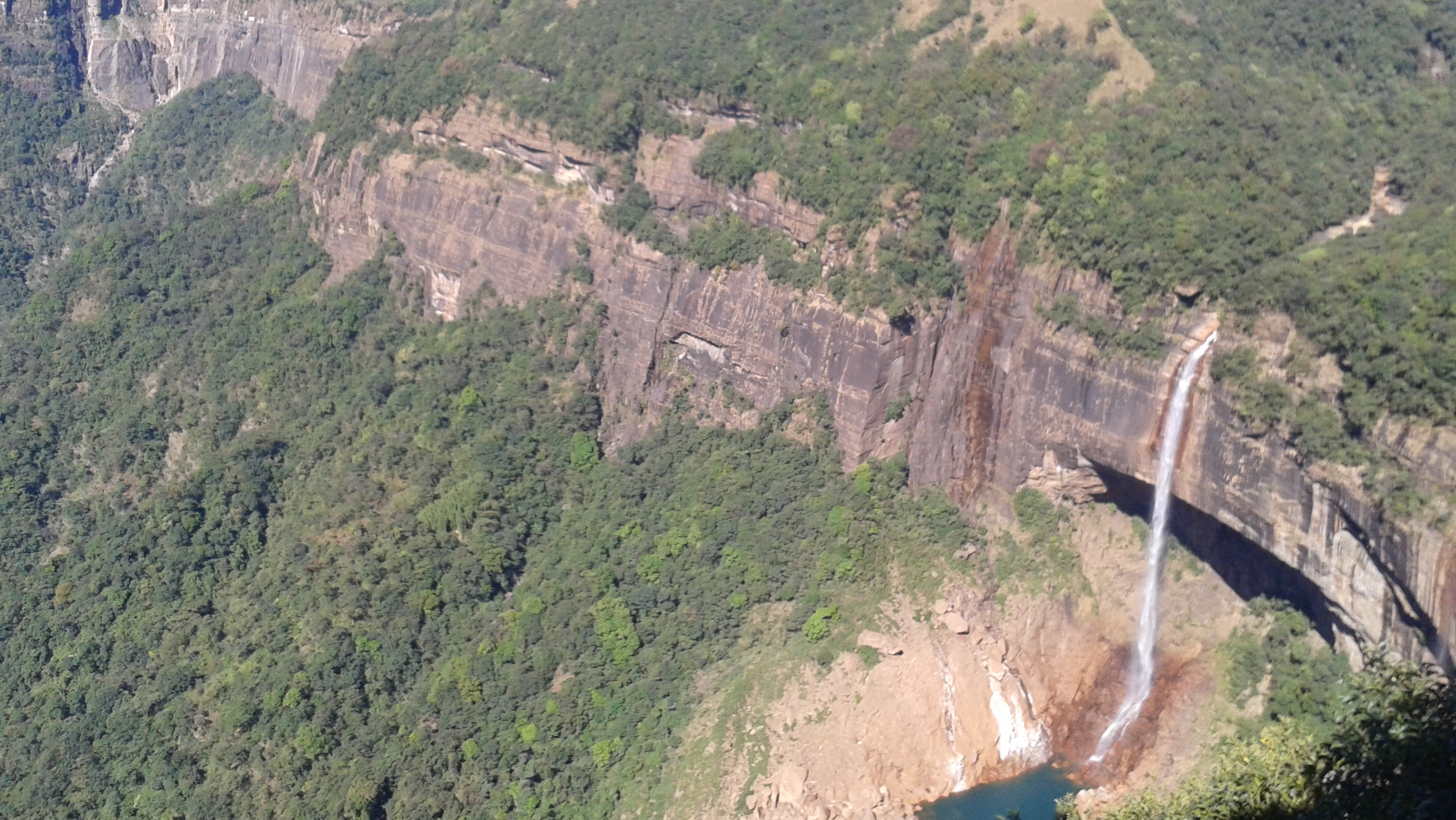
Mawsynram’s claim to fame is its rainfall—but that’s only the beginning. The village sits at about 1,400 m above sea level in the Khasi Hills. The heavy rain gives rise to lush greenery, roaring streams, dramatic rock formations, caves carved over millennia and a mist-filled, moody ambiance that many travellers describe as “other-worldly.”
And unlike standard tourist hubs, Mawsynram offers a quieter, less crowded journey into nature and tribal culture (Khasi people), perfect for travellers who want something more authentic.
When to Go (Seasonal Breakdown)
- Monsoon (June – August): Expect torrential rain. If you love dramatic skies and waterfalls in full flow, this is the time — but trail conditions will be harder, and daylight may be limited.
- Post-monsoon / Winter (September – February): Cooler air, misty mornings, and moderately heavy rain. One of the more comfortable windows for touring.
- Pre-monsoon / Spring (March – May): Fewer rains, clearer views, vibrant foliage. Good balance of weather and scenery.
- Temperatures: Visitor guides mention winter ~10 °C and summer ~20 °C at this altitude.
How to Reach Mawsynram
- By Air: The nearest major airport is Lokpriya Gopinath Bordoloi International Airport (Guwahati, Assam). From there by road via Shillong to Mawsynram.
- By Road: From Shillong (the Meghalaya capital) it’s about 60 km to Mawsynram, roughly 2–3 hours depending on road conditions.
- By Train: Guwahati station is the major rail link. From there onward journey by road.
- Note: Roads in this region are hilly and prone to rain-related delays during monsoon. Always check local conditions.
Where to Stay
In Mawsynram you won’t find large luxury resorts (yet) — the charm is in local guesthouses, homestays and small hotels nestled in the hills.
- Look for homestays in villages around Mawsynram: they offer local hospitality, simple meals, and a chance to immerse in Khasi village life.
- Price bands: Budget (~₹1,000–1,500/night), Mid-range (~₹2,000–3,500/night), depending on season and room category. (Rates are approximate; check latest.)
- Recommended region: Stay near the village core of Mawsynram or a little outside in the hills for tranquillity.
- Tip: Because of heavy rain and mist, choose accommodation with good drainage, protective roofing, and warm bedding.
Top Attractions & Experiences
Here are the must-see spots for things to do in Mawsynram, each with something unique:
Mawjymbuin Cave
This cave is just a few kilometres from the village and is geologically remarkable: it features a massive stalagmite formation that locals regard as a natural Shiva Linga. A natural marvel and spiritual site in one. Make sure you carry a torch if you venture deeper.

Lum Symper Peak & Viewpoint
Hike up to this dome-shaped rock or viewpoint and you’ll get sweeping views of the Khasi Hills and the plains of Bangladesh beyond. The walk up through moss-covered forest is as much the experience as the view at the top.
Khreng Khreng Viewpoint
Meaning “Cracked Rock” in Khasi, this viewpoint is about 4 km from the bus stop and offers excellent vantage for the dramatic clouds, bamboo-craft villages, and the Umngi River valley.
Jakrem Hot Spring
If you fancy something more relaxing, just a short ride outside Mawsynram is this natural sulphuric hot spring—perfect after hiking in mist and rain.
Exploring Village Life & Rain-heavy Scenery
One of the most rewarding things to do in Mawsynram is simply walk through the village when the rain has eased, talk to locals, see their special grass-thatch houses (built to cope with heavy downpours), sip hot chai and soak up the atmosphere.
Suggested Itineraries
1-day itinerary:
- Morning: Arrive from Shillong, settle in.
- Mid-morning: Visit Mawjymbuin Cave.
- Afternoon: Lunch in village, then hike to Lum Symper viewpoint.
- Evening: Relax at accommodation, experience rain and village life.
3-day itinerary:
- Day 1: Arrive, village walk, visit hot springs.
- Day 2: Full day exploring caves, viewpoint, bamboo craft village.
- Day 3: Short trek, visit Khreng Khreng, depart.
7-day itinerary (for slower pace):
Include nearby villages (e.g., Mawlyngbna), extra treks, cultural immersion with Khasi families, and rain-forest walks when weather allows.
Costs & Budget
Here’s a rough budget table (as of validation date — always check current rates):
| Category | Estimated Cost* |
|---|---|
| Accommodation (mid) | ~ ₹2,000–3,500/night |
| Meals | ~ ₹400–700/day for food |
| Local transport (day) | ~ ₹1,000–2,000 (shared jeep/car) |
| Entry/activities | Many spots free or minimal charge |
| *Rates approximate; check at time of travel. |
Local Transport
- Shared jeeps, taxis from Shillong to Mawsynram and surrounding spots.
- Inside village: walking preferred; watch for wet surfaces.
- Road conditions: especially during monsoon can be tricky—allow extra time.
- No major permit zones for Mawsynram specifically, but check if going deep into forest areas.
Food & Drink
- Try Khasi breakfast items: e.g., local rice, bamboo shoot curry, fermented fish (if you’re adventurous).
- Village cafés: simple, home-style food available—opt for cooked fresh, pay attention to hygiene (rain = dampness = more insects).
- Carry bottled water or ensure local hostel water is safe.
- Evening chai by the fire or veranda listening to rain is a treat.
Safety, Health & Permits
- Health: Carry a waterproof jacket, sturdy shoes, insect repellent (humid forest).
- Weather hazard: landslides or slips possible during heavy rain—check local advisories.
- Permits: No special permit for the main village, but if you venture into protected forest zones check with local authorities.
- Travel insurance wise during monsoon recommended.
Packing List & Tips
- Waterproof jacket + umbrella + quick-dry clothes.
- Warm layer (temperatures can drop).
- Good trekking shoes with grip.
- Torch/flashlight for caves.
- Dry bag or zip-lock bags for electronics.
- Respect local culture: modest dress when visiting tribal homes or sacred sites.
Responsible Travel & Sustainability
- Stay on marked trails, especially in the moist forest.
- Avoid single-use plastic; carry a refillable bottle—Meghalaya aims to reduce plastic waste.
- Respect Khasi tribal communities: ask before photography, learn a word of Khasi greeting.
- Support local homestays and craft shops (e.g., bamboo handicrafts near Khreng Khreng viewpoint).
Conclusion
Visiting Mawsynram is not just about seeing a place that rains a lot—it’s about immersing yourself in a landscape shaped by relentless water, feeling the mist, walking through caves that hold ancient stories, staying in homes built to withstand deluge, and reconnecting with nature at a slower pace. If you’re ready to step off the beaten path, plan your 2–3 days here and embrace the rain. And always remember: check local weather, pack well, and move with flexibility. See you under the Khasi skies.
Read more: Attractions
FAQs
A: For moderate rain and good views, September to May is best. Monsoon (June–Aug) offers dramatic downpour but tougher conditions.
A: One day gives a taste (cave + viewpoint) but two or three days let you soak in the rain-forest ambience and village culture.
A: Waterproof outerwear, warm mid-layers, sturdy shoes. Even outside monsoon, rain can kick in.
A: It’s about 60 km (~2–3 hrs) from Shillong. From Guwahati (air/rail hub) it’s longer—check vehicles.
A: For the main village and standard tourist spots, no special permit is needed. If you venture into deeper forests or tribal land, check locally.