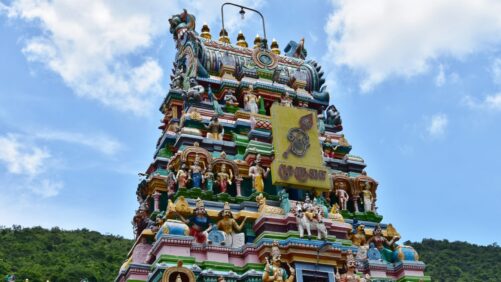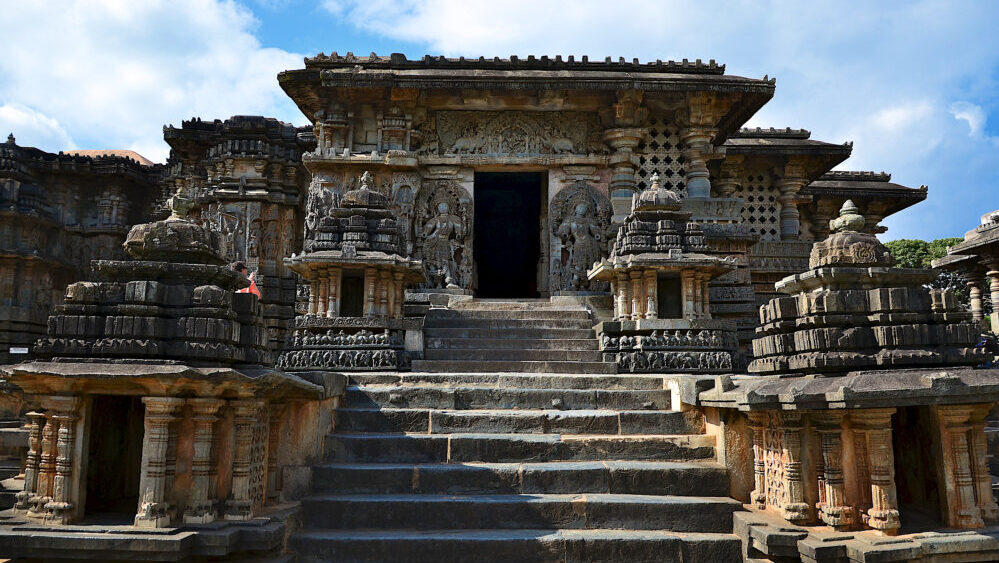
Welcome to the historic town of Halebidu (also spelt Halebeedu) in Karnataka — a hidden gem of South India that offers travellers a blend of spectacular 12th-century architecture, serene countryside calm, and cultural immersion. Nestled in the old capital of the Hoysala Empire, Halebidu is best known for the marvelous Hoysaleswara Temple, which spans the star-shaped platform, adorned with over 240 carved images and borders the ancient lake of Dwarasamudra.

Whether you’re a domestic traveller exploring Karnataka or an international visitor yearning for off-the-beaten-path heritage, this guide will walk you through the key things to do in Halebidu, how to reach and budget for your trip, what to pack, and how to travel responsibly.
Quick Snapshot
| Category | Details |
|---|---|
| Best time to visit | November to March (pleasant weather) |
| How to reach | Via road/train from Bengaluru ~210 km; via Hassan railway station ~30-35 km away |
| Must-do | Visit Hoysaleswara Temple complex, the museum, a stroll along the old lake, and nearby temples in Belur. |
| Typical budget | Budget to mid-range: local stay, village guesthouse, local eats. Entry to main temple: free/very nominal |
| Safety & tip | Carry water and a hat (sun is strong), modest dress for temple respect, early morning visit recommended. |
Why Visit Halebidu?
Halebidu, formerly known as Dwarasamudra, served as the capital of the Hoysala Empire for nearly 200 years and is home to some of the richest expressions of Hoysala style temple architecture.
The star-shaped platforms, soap-stone carvings, and narrative friezes depicting epic tales like the Ramayana and Mahabharata make it a living textbook of medieval South Indian art.
For travellers, the vibe is contemplative yet accessible: fewer crowds than major tourist hubs, lush countryside setting, a chance to explore temples, a museum, and experience the local culture of Hassan district.
When to Go
Seasonal breakdown
- November to March: Cool, dry, ideal for temple visits and outdoor walks.
- April to June: Hotter months; midday sun can be intense — earlier morning visits are better.
- Monsoon (July to September): Scenic lush greens, fewer tourists, but occasional rain and higher humidity.
Temperatures & rainfall
Exact verified monthly averages for Halebidu were not found on an official government climate site. Suggested typical data: highs around 30-35 °C, lows around 16-20 °C in winter; monsoon rain likely. If needed, check the Karnataka Meteorological Department website for up-to-date figures.
How to Reach
By Road
From Bengaluru: roughly 210 km via NH75/SH or highway via Hassan, about 4-5 hours drive depending on traffic.
From Mangaluru: approx 168-185 km per some sources.
By Train
Nearest major station: Hassan Railway Station, about 30-35 km from Halebidu.
By Air
Nearest major airport: Kempegowda International Airport (Bengaluru) ~220 km away; or Mangaluru airport ~168-185 km depending on route.
Local onward travel
From Hassan or Belur, you can hire a taxi or take KSRTC bus / local auto to reach Halebidu temple complex.
Where to Stay
Halebidu itself is small but has a few guesthouses and heritage stays. For example, the state tourism board mentions Hotel Mayura Shantala right across the temple complex.
If you prefer more options, you can stay in neighbouring Hassan city (~30 km away) or Belur (~17 km away) which have more mid-range hotels. Budget stays (₹1,000-2,000 per night) and mid-range options (~₹3,000-5,000) are likely.
When choosing, opt for stays that emphasise local culture, quiet surroundings, and easy temple access.
Top Attractions & Experiences
Hoysaleswara Temple
The twin-shrine temple (dedicated to Lord Shiva) is a masterpiece of Hoysala architecture. It features an 8-row frieze of elephants, lions, horses and floral scrolls, and the outer walls depict mythological scenes from Ramayana & Mahabharata.

Timings: 06:30 AM – 09:00 PM daily.
Entry fee: Free for temple (as per Indian Panorama) though parking or museum fees may apply.
Kedareshwara Temple
Located nearby, built around late 12th-/13th-century under King Veera Ballala II & Queen Ketaladevi.
Offers a quieter experience and additional sculptural detail.

Archaeological Museum, Halebidu
Within the temple complex, the museum houses over 1,500 sculptures and inscriptions from the Hoysala era.
A good complement to the temple visit to understand context.
Lake & Surrounding Grounds
Walk across the lawn in front of the temple, by the ancient lake (former Dwarasamudra), enjoy the sunset or peaceful ambience. (Source: descriptive—no official page found)
Nearby Belur Day Trip
Just 17 km away is Belur and the famed Chennakeshava Temple which shares the same heritage. A combined visit adds value.
Suggested Itineraries
1-day itinerary
- Early morning arrive in Halebidu, visit Hoysaleswara Temple & museum
- Lunch in Halebidu village
- Afternoon drive to Belur for Chennakeshava Temple
- Evening stop by the lake front in Halebidu and stay locally

2-day itinerary
Day 1: As above.
Day 2: Explore Kedareshwara Temple, Jain Basadi (if interested in Jain heritage), countryside walk, perhaps a tea-estate or coffee plantation area near Hassan.
3-day weekend
Add one more day: Visit Shravanabelagola (~50 km away) for the giant Bahubali statue, include a nature trail near Hassan/Chikmagalur, relax at a heritage stay in Halebidu.
Costs & Budget
| Component | Budget Estimate | Notes |
|---|---|---|
| Transport (one-way from Bengaluru to Halebidu by road) | ~ ₹2,000-₹3,000 (car hire) | Depends on vehicle & return trip |
| Local transport (Halebidu village/taxi) | ~ ₹500-₹1,000 | Nominal for local travel |
| Accommodation | Budget: ₹1,000-₹2,000/night Mid-range: ₹3,000-₹5,000/night | Typical stays in this region |
| Meals | ~ ₹300-₹800/day per person | Local eats + one mid-range restaurant |
| Entry Fees / Guide | Temple: Free or nominal | Guide ~ ₹300 (as per travellers) |
Note: Prices are approximate; always verify on booking date.
Local Transport
Once you arrive in Halebidu village, transport options include auto-rickshaws, local taxis, or hired car. KSRTC buses run between Hassan, Belur and Halebidu. Verified fare data is not readily available from official site; travellers should check at local bus stand.
For greater flexibility, hiring a car for the day is recommended.
Food & Drink
Local cuisine in the region is Karnataka coastal or interior style – vegetarian meals are common in village settings. Try local thali, filter coffee, fresh produce. Choose restaurants with good reviews and hygienic conditions. Stay hydrated especially if visiting midday in warmer months.
Safety, Health & Permits
- Halebidu is generally safe for solo and family travellers.
- Dress modestly when entering temple complexes (shoulders and knees covered) — while no strict code is enforced, this keeps respect for local customs. TravelTriangle.com+1
- Remove shoes before entering temple premises.
- No special permit required for visitors.
- Health: Use sunscreen, carry water, insect repellent (especially near greenery).
- If you plan trekking or nature walks beyond villages, check local weather and terrain.
Packing List & Tips
Must-bring items
- Lightweight cotton clothes (hot weather)
- Hat/cap, sunglasses, sunscreen
- Comfortable walking shoes
- Modest clothing for temple visits (long pants/skirts)
- Water bottle
- Camera (check temple rules for photography)
- Umbrella or rain jacket if visiting monsoon season
Tips - Visit early morning to avoid crowds and midday heat.
- Carry small change for parking or local services.
- Respect local culture: ask before photographing people.
Responsible Travel & Sustainability
- The temple complex is historic and maintained by the Archaeological Survey of India: avoid touching or leaning on delicate carvings.
- Do not litter; use designated bins.
- Respect local villages: buy local handicrafts where possible to support economy.
- Avoid loud music in the temple precincts; keep noise minimal.
- Use refillable water bottle to reduce plastic waste.
Top FAQs
Q1: What are the opening hours of Hoysaleswara Temple in Halebidu?
A: The temple complex is open approx from 6:30 AM to 9:00 PM daily.
Q2: Is there an entry fee for the temple?
A: According to some sources, the main temple shows no entry fee. There may be parking or museum fees.
Q3: How long should I plan for a visit?
A: Generally 2–3 hours is sufficient to see the temple, museum and gardens.
Q4: What is the best time of year to visit Halebidu?
A: November to March (cooler, dry) is optimal.
Q5: Can I visit Halebidu and Belur in one day?
A: Yes — Halebidu (~30 km from Hassan) and Belur (17 km from Halebidu) are often combined in day tours.
Q6: Are there guided tours available at the temple?
A: Yes, local guides are available; typical charge around ₹250-₹300 as per traveller reviews.
Conclusion
From the detailed stone-carvings of the Hoysaleswara Temple to the tranquil lakeside ambience of Halebidu village, this destination offers a rich and rewarding experience for heritage lovers, local travellers and international visitors alike. If you’re planning a trip to Karnataka, make sure to explore the many things to do in Halebidu—you’ll come away with memories of craftsmanship, history and calm.
Do subscribe/visit our site for more travel guides, and remember: travel responsibly, respect heritage, stay safe and have a wonderful time.
Read more: Attractions