
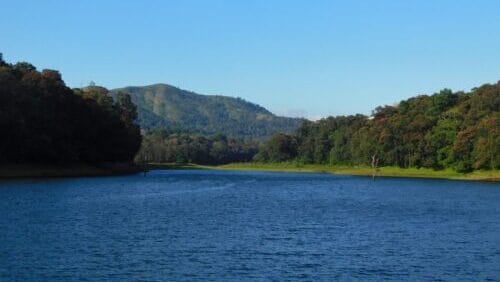
Nestled in the misty hills of Kerala’s Western Ghats, Thekkady is a sanctuary for nature lovers, adventure seekers, and spice-trail wanderers alike. From dense evergreen forests and serene lakes to aromatic spice plantations and tranquil hill slopes, Thekkady offers a unique blend of wilderness and tranquillity. As per official data, the region lies in Idukki district and is famed for its lush terrain, wildlife diversity, and the man-made lake formed by the damming of the Periyar River — the shimmering heart of the wildlife reserve.

In this comprehensive travel guide to “thekkady tourist attractions,” you will find everything you need: why Thekkady is worth visiting, how to reach and get around, what to see and do, where to stay, what to pack, and tips to travel responsibly. Whether you are planning a quick escape or a relaxed multi-day retreat, this guide is tailored for travellers aged 20–45, from India or abroad, ready to explore this verdant paradise.
Quick Snapshot
| Feature | Details |
|---|---|
| Location | Thekkady, Idukki district, Kerala, India |
| Main Attraction | Periyar Wildlife Sanctuary (includes Periyar Lake) — ~777 km² forest area (approx. 360 km² evergreen forest) |
| Other highlights | Spice plantations, hilltop temple & viewpoints, tribal heritage, nature walks, jeep/boat/bamboo-raft safaris |
| Best time to visit | October to February (cool, pleasant, good for wildlife and outdoor activities) |
| How to reach | Nearest airports: Madurai Airport (~140 km) or Cochin International Airport (~190 km) Nearest major railway: Kottayam Railway Station (~114 km) Accessible by road / bus / cab from nearby cities |
| Ideal trip length | 2–4 days (though 1-day possible for a quick taste; 5-day gives relaxed exploration) |
Why Visit Thekkady?
- Biodiversity & Wildlife: Periyar Wildlife Sanctuary is among India’s most celebrated tiger reserves, wrapped around Periyar Lake. Dense evergreen forests, moist deciduous woodlands, and grasslands make it a haven for elephants, sambar deer, gaur, wild boars, numerous bird species, and more.
- Unique Boat Safaris: Unlike many other forests, here you can view wildlife from a boat — gliding over calm waters of Periyar Lake, watching herds of elephants or deer come down to drink or bathe.
- Spice & Plantation Culture: Thekkady’s spice plantations — pepper, cardamom, cinnamon, cloves, nutmeg, vanilla among others — provide not only fragrant backdrops, but also a deep insight into Kerala’s spice heritage. Walking through these plantations is an immersive sensory experience.
- Cultural & Tribal Heritage: Beyond forests and lakes, Thekkady offers glimpses into the life of local tribal communities, with heritage museums, traditional tools, medicinal plants, and cultural programs.
- Versatile Experience: Whether you like relaxed boating, adventurous trekking, scenic plantation walks, cultural immersion or simply peaceful sunsets over hills — Thekkady has something for every kind of traveller.
Best Time to Visit
Seasonal Breakdown
- October – February (Winter / Early Dry Season): This is widely considered the best time to visit. Temperatures range roughly between 15 °C and 25–30 °C. The weather is cool and pleasant, ideal for safaris, trekking, nature walks and boat rides. Wildlife sightings, especially elephants and deer by the lake, tend to be frequent as animals emerge to sip water or forage.
- March – May (Summer / Pre-monsoon): The weather becomes warmer — daytime temperatures can rise, but mornings and evenings remain bearable. This season is good for boat rides or safari expeditions, though heat and intermittent humidity may be felt.
- June – September (Monsoon & Early Monsoon): The region receives substantial rainfall. While the forest becomes lush and waterfalls swell, many water-based or forest activities may be limited. Boating and safaris may be paused during heavy rains. That said, monsoon can be a peaceful, greener, and quietly atmospheric time for travellers who don’t mind the rain.
Recommendation: For a full experience — wildlife sightings, comfortable weather, and fluid travel — aim for October to February.
How to Reach
By Air
- The closest airport is Madurai Airport, located about 140 km from Thekkady.
- Another viable option is Cochin International Airport (approx. 190 km from Thekkady) for those arriving via Kochi.
- From the airport, one can hire a cab or take a taxi to Thekkady. Many resorts or tour operators provide pickup.
By Rail
- The nearest major railway station is Kottayam Railway Station, around 114 km away.
- From Kottayam, road transport (cab, bus) is required to reach Thekkady.
By Road
- Thekkady is well connected via road by state and private buses from nearby cities such as Kochi, Madurai, etc.
- Hiring a private cab (or outstation cab) from airports or nearby cities is a convenient and flexible option, especially if you plan multiple excursions around forest, plantations, hills, etc.
Note: Since local auto-rickshaw availability isn’t always reliable, having a rented vehicle or pre-booked cab makes sightseeing smoother.
Where to Stay
Thekkady and its neighbouring plantation town Kumily offer a spectrum of accommodation, from budget lodges to premium resorts and forest-camp stays.
- Budget / Mid-range: Guesthouses, budget resorts or homestays in Kumily and nearby areas. Affordable, convenient and ideal for backpackers or budget travellers.
- Forest Lodges / Eco Resorts: For those who want to stay close to nature — lodges inside or on the fringe of the wildlife sanctuary, offering boat-safari access, guided treks, and early-morning forest calls.
- Luxury Resorts / High-end Hotels: Resorts with modern amenities, spa/ayurvedic centers, guided plantation tours, and comfortable stays — perfect for couples, families, or those looking for a peaceful retreat.
Tip: Since peak travel season (winter) sees high demand, it’s advisable to book in advance.
Top Thekkady Tourist Attractions
Periyar Wildlife Sanctuary & Periyar Lake
At the heart of Thekkady lies the Periyar Wildlife Sanctuary, a verdant 777 km² reserve (with ~360 km² thick evergreen forest) declared a tiger reserve in 1978.

What makes it special
- The sanctuary surrounds Periyar Lake, a reservoir formed by the damming of Periyar River. This unique setting allows for a boat safari — one of the only places in India where you can watch wildlife from a boat.
- During the boat cruise, you may spot herds of Asian elephants, sambar deer, gaur (Indian bison), wild boars and sometimes rare mammals. Birds, especially water-birds and migratory species, are frequent visitors — early morning rides often reward bird watchers.
Boat Safari Details
- Boat ride duration: approx. 90 minutes (1.5 hours).
- Typical start times: 07:30 AM, and additional slots like 09:30 AM, 11:15 AM, 1:45 PM, 3:30 PM.
- As per official scheduling: boat safaris are advisable during dry season (October to April), when weather is pleasant and wildlife sightings more probable.
Tip: The early morning boat ride (7:30 AM) is often the best for bird watching and catching mammals coming to the water’s edge.
Spice Plantations & Plantation Walks
One of the signature experiences in Thekkady is wandering through spice plantations — pepper, cardamom, cinnamon, nutmeg, clove, vanilla among others.
- Plantation owners and local guides often offer guided tours, walking you through rows of spice plants, explaining cultivation, harvesting and processing.
- Many visitors love the sensory experience — smelling freshly harvested spices, understanding their use, and sometimes purchasing fresh spices at rates lower than commercial markets.
- It’s a gentle, unhurried activity — ideal for relaxed mornings or lazy afternoons after a safari or boat ride.
Hilltop & Panorama Spots — Mangala Devi Temple & Viewpoints

For those looking beyond forests and lakes:
- Mangala Devi Temple is perched atop a hill about 1337 m above sea level, offering sweeping panoramic views over Western Ghats slopes and lush valleys.
- The temple is built in traditional Kerala architecture and lies close to the Kerala–Tamil Nadu border. Visiting requires permission from forest authorities, since it is inside forestland.
- Sunrise or sunset from hill-tops provides stunning vistas of misty hills, plantations and valleys — a must for photography enthusiasts or travellers seeking calm and wide-open spaces.
Nature Walks, Jeep Safari & Bamboo Rafting
If you prefer your nature up-close and immersive:
- Nature walks and guided treks inside the sanctuary allow you to explore smaller trails, spot birds, butterflies and quieter forest sections.
- Jeep safaris (or jungle safaris) are offered for deeper forest access. Some treks can go through uneven terrain, requiring sturdy footwear and basic caution.
- Bamboo rafting (on certain sections around Periyar Lake or river tributaries) and border-hiking tours add adventure for those wanting more than a boat ride.
Tribal Heritage & Cultural Experiences
- The region around Thekkady is home to tribal communities whose heritage and traditional lifestyles are showcased via tribal heritage museum — with tools, fishing gear, traditional medicines, artefacts used by the indigenous people.
- Some resorts or local cultural centres also organise traditional performances, folk dances or tribal-guided walks, letting visitors get a deeper sense of the human history intertwined with the forest.
Leisure & Wellness — Ayurveda, Relaxation & Local Food
After a day of safaris or walks, you can unwind with a relaxing Ayurvedic massage, stroll through Kumily town, shop for authentic spices, or enjoy local Kerala cuisine at resorts or eateries around Thekkady. Many lodges offer spa or herbal-oil massages — a soothing way to recover after jungle treks or boat rides.
Offbeat & Local Experiences
- Night Jungle Patrol / Night Walks: Some guided night-patrols or supervised walks inside sanctuary boundaries are available (with forest authority permission), offering a rare chance to observe nocturnal forest sounds and possibly spot night-active creatures — a uniquely immersive experience.
- Border-Hiking & Lesser-known Trails: For travellers wanting solitude and raw forest ambience, lesser-known trails (around buffer zones, plantations, hills) provide quiet and immersive walks, away from crowded boating points.
- Spice-farm Homestays & Plantation Life: Staying in a plantation-hosted homestay or eco-lodge, waking up to spice aromas, walking through herb gardens at dawn, learning about spice cultivation — a slow-travel dream for those seeking connection with land and local life.
Suggested Itineraries
1-Day Itinerary
- Early morning — 7:30 AM boat safari on Periyar Lake (wildlife + bird sightings)
- Late morning — Walk through spice plantation + shopping in Kumily (buy fresh spices)
- Afternoon — Light trek or visit tribal heritage museum
- Evening — Enjoy sunset view from nearby hills or slow stroll in town + local dinner
Best for: Travellers short on time — gives a taste of Thekkady highlights.
3-Day Itinerary
Day 1: Arrive → Settle in accommodation → Evening boat safari / stroll in Kumily
Day 2: Early morning boat ride → Spice plantation walk → Jeep safari or nature walk → Evening cultural or tribal programme
Day 3: Hilltop visit (Mangala Devi temple / viewpoint) → Relax / spa / Ayurvedic massage → Departure
5-Day Itinerary (Leisure + Exploration + Wellness)
- Day 1: Arrival, settle in, light local exploration
- Day 2: Morning boat safari → Spice plantation tour → Tribal heritage museum / cultural show
- Day 3: Jeep safari / forest trek / bamboo rafting → Leisure, spa or Ayurvedic treatment
- Day 4: Hilltop / viewpoint visit (sunrise or sunset) → Photography / bird watching / local village walk
- Day 5: Nature walk or border-hike → Shopping for spices / souvenirs → Departure
This extended plan gives time to absorb nature, enjoy peace, connect with local culture and move at a relaxed pace.
Costs & Budgeting
| Expense Type | Approximate Cost / Estimate* |
|---|---|
| Boat Safari (Indian adult) | INR ~ 470 per seat |
| Boat Safari (Foreigner) | INR ~ 1130 per seat |
| Spice Plantation Walk / Tour | Usually modest — may range around INR 200–500 (depending on guide & plantation) |
| Jeep / Jungle Safari / Nature Trek | Varies — depends on package; often part of tour or lodge packages (rates vary) |
| Budget Stay (Guesthouse / Hostel-style) | Affordable, depending on season and amenities (varies widely) |
| Mid-range / Eco-Resort / Forest Lodge | Moderate; better amenities, may include safari/boat bookings |
| Luxury Resort / High-end Stay | Higher cost, includes comfort, guided tours, extra facilities (spa, etc.) |
* Costs are indicative; actual prices vary with season, demand, group size, and currency fluctuations.
Local Transport Guide
- Cab / Private Car: Easiest and most flexible, especially if you have multiple excursions. Common from airports (Madurai, Kochi) or major railway station (Kottayam) to Thekkady.
- Buses: State and private buses connect Thekkady with cities like Kochi, Madurai and other towns — useful for budget travellers.
- On-site Travel: Once in Thekkady/Kumily — resort shuttles, hired autos/rentals, or walking (for nearby attractions). For forest entries, guided transport or forest-department shuttles might be organized by your lodge/resort. Public autos may be hard to come by — pre-planning helps.
Food & Cuisine
Kerala’s cuisine, with its earthy spices and culinary richness, is a treat in Thekkady too. Expect dishes flavored with fresh pepper, cardamom, cinnamon, coconut — perhaps freshly harvested from nearby plantations. Resorts often serve traditional Kerala meals; small eateries in Kumily offer local delicacies.
After long forest walks or safaris, a warm, home-style Kerala meal or a relaxed evening meal at a resort makes for a perfect unwind. Many resorts also offer Ayurvedic or herbal-based meals/hospitality, adding to the local flavour.
Safety, Health & Permits
- Entry to certain zones (forest, sanctuary, tribal areas, hill-temple zones) is regulated by the Forest Department; always check timings and permissions, especially for early-morning safaris, night patrols or hill visits.
- For boat rides and safaris: wear modest clothing, carry insect repellent, and follow forest-authority instructions. Boot-wear is recommended for treks to avoid insect bites or injuries.
- No special permits needed for general tourist visits; but for tribal areas, night patrols, or protected zones — prior permission may be required (often arranged by your lodge or tour operator).
- Health-wise: carry basic medicines, first-aid, and stay hydrated. For monsoon season visits: rain gear, waterproof bags for belongings, and caution on slippery paths.
Packing List
- Light cotton and breathable clothes (for day) + a wind/rain jacket (especially in monsoon or early mornings)
- Trekking shoes or sturdy walking shoes (for jeep safaris / nature walks / viewpoint hikes)
- Insect repellent, sunscreen, hat/cap, sunglasses
- Binoculars and a good camera (for wildlife, bird-watching, landscapes)
- Modest, respectful clothing for cultural or tribal visits
- Reusable water bottle, basic first aid kit, any personal meds
- Waterproof bags or dry-bags (if visiting during rainy season)
- Light backpack for day-trips
Responsible Travel & Eco-Sensitivity
- Stick to marked trails during treks/safaris; avoid venturing alone into deep forest zones.
- Do not feed wildlife or approach too close; observe from safe distance.
- Avoid plastic — use reusable water bottles or biodegradable alternatives. Thekkady’s forest and wildlife deserve clean surroundings.
- Respect local tribal culture: if visiting heritage villages or tribal-run museums, follow their guidelines, ask before photographing people or belongings.
- If staying in eco-lodges or forest-resorts: support sustainable practices — minimal noise at night, proper disposal of waste, limiting use of plastics, respecting wildlife rest periods.
Conclusion
Thekkady is not just a destination — it’s an experience. It offers a rare blend of wilderness and comfort, adventure and serenity, spice aromas and forest whispers. From gliding over Periyar Lake, watching elephants bathe, trekking through evergreen woods, strolling along spice plantations, to simply sipping hot Kerala chai as dusk falls over misty hills — Thekkady has a rhythm of its own.
Whether you are a solo traveller, a couple seeking a quiet retreat, or a group of friends chasing wild adventures — Thekkady can fit your vibe. Plan well, travel responsibly, respect the forest and its inhabitants, and you’ll leave with memories that linger long after you return.
Read more: Attractions
FAQs
A: One day can give you a taste — typically a boat safari on Periyar Lake + a quick spice-plantation walk or local town stroll. But to truly soak in the forest ambience, wildlife, plantations and maybe a hilltop view — 2–3 days is ideal.
A: The winter and early dry season (October to February) offers pleasant weather and higher chance of spotting animals, especially near water bodies as they come to drink. Boat rides around morning or late afternoon maximize your chances.
A: Yes — boat safaris are managed by the forest authorities or sanctioned operators. Typical slots: 7:30 AM, 9:30 AM, 11:15 AM, 1:45 PM, 3:30 PM, each ~90 minutes. But during heavy rain or monsoon, boating may be suspended.
A: Yes — from basic guesthouses and lodges to mid-range resorts and even forest lodges. Budget stays are available, though during peak season (winter) they fill up fast.
A: Yes — many spice plantations allow guided walks/tours. Some are free or modestly priced; others may ask for a small fee or expect you to purchase spices. Always confirm with your guide or plantation owner.
A: Thekkady is relatively safe, especially in popular tourist zones, resorts and guided safari areas. As with any forested or remote area — follow guidelines, avoid venturing alone into deeper forest zones, and inform staff about your plans.
A: Monsoon brings lush greenery, rejuvenated streams and a tranquil vibe. However, boat rides, safaris, or treks may get restricted. If you enjoy rainfall, greenery and don’t mind fewer wildlife sightings — monsoon can be peaceful. But do plan flexibly.
A: Yes, the sanctuary and boat rides are open to foreign travellers. Often, entry/boat fares for foreigners are higher than domestic rates — for example, boat-safari seat prices.
A: Binoculars, camera with zoom lens, water bottle, rain jacket (if in monsoon), insect repellent, comfortable walking shoes. If trekking — wear sturdy footwear and carry first aid.
A: For a relaxed and immersive experience — 3 to 5 days is recommended. This gives time for safaris, spice plantations, viewpoints, leisure, and maybe a side-excursion to nearby areas.


This guide is incredibly detailed! Thekkady looks amazing for wildlife lovers. The boat safari on Periyar Lake sounds like such a unique experience. I’m actually more drawn to mountain destinations and have been researching hill stations in the Northeast. The spice plantation walks you mentioned remind me of tea estate tours in Darjeeling. Been looking at https://northbengaltourism.com/sikkim-tour-packages/ for my next trip. Quick question – how does the wildlife viewing in Thekkady compare to places like Jim Corbett? Is the boat safari really better for spotting animals than jeep safaris?
Thanks for your comment!
The Periyar Tiger Reserve (Thekkady) officially offers boat safaris on Periyar Lake, managed by the reserve/forest-tourism authorities.
During these 1.5- to 2-hour cruises, it’s common to see herds of elephants, sambar deer, gaur (Indian bison), wild boar and many bird species gathering at the water’s edge — particularly in dry months or early/late in the day.
The boat safari provides a safe, calm and well-organized way to observe wildlife — especially animals drawn to water — from a distance, under official supervision.
That said — even official sources do not guarantee sightings of all species (like tigers), since wildlife movements are unpredictable.
Bottom line: Boat safari at Thekkady is a genuine, officially sanctioned wildlife experience — especially good for seeing water-edge animals and birds — but like any safari, sightings depend on timing, season, and a bit of luck.