
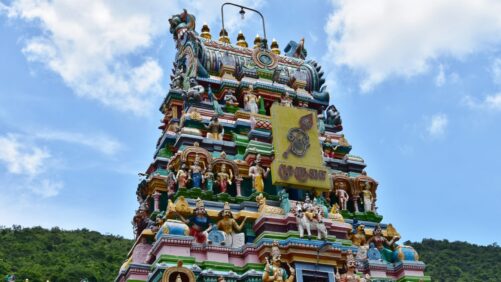
Welcome to the spiritual heart of South India. If you’re planning a pilgrimage or cultural trip, temples to visit in Madurai offer a captivating journey through ancient myths, Dravidian architecture, vibrant rituals, and living traditions.
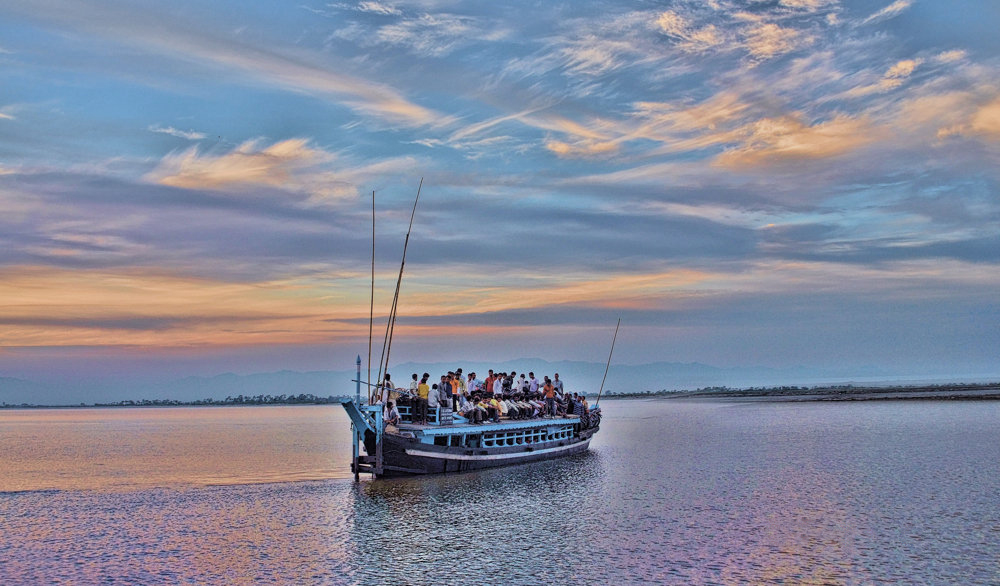
Nestled on the banks of the sacred Vaigai River, Madurai is often called the “Athens of the East” — a city whose soul is woven into its temples, each stone echoing legends, arts, and devotion. As per official records, the celebrated Meenakshi Amman Temple alone draws as many as 15,000 visitors daily, with numbers swelling on festive days.

Whether you’re a spiritual seeker, a history enthusiast, or a curious traveller, this guide will help you explore Madurai’s sacred landscape, offering everything from iconic shrines to offbeat hill-top temples.
Quick Snapshot
| Parameter | Details |
|---|---|
| City | Madurai, Tamil Nadu, India |
| Elevation | ~ 144 m above sea level |
| Best time to visit | October – March (pleasant weather) |
| Key heritage temples | Meenakshi Amman, Koodal Azhagar, Thiruparankundram, Pazhamudircholai, Alagar Kovil, among others |
| Nearest airport | Madurai International Airport (≈ 12 km from city centre / temple area) |
| Nearest railway | Madurai Junction — about 2 km from Meenakshi Temple |
| Architecture style | Predominantly Dravidian / Pandyan / Nayak period styles |
Why Visit Madurai for Temple Tourism?
Madurai isn’t just a city — it’s a living tapestry of faith, history, mythology, art, and culture. Here’s why temple tourism in Madurai stands out:
- Ancient Roots & Continuous Heritage: Madurai is among the oldest continuously inhabited cities in India. The core of its spiritual identity revolves around temples referenced in Tamil Sangam literature and early medieval religious texts.
- Architectural Splendour: From soaring gopurams (gateways) to intricately carved pillared halls, temple tanks, and sanctums — each temple showcases the mastery of Dravidian temple architects over centuries.
- Spiritual Syncretism: Temples like Meenakshi Amman integrate Shaivism, Shaktism and Vaishnavism traditions in one sacred complex — a beautiful testament to religious fluidity and harmony.
- Living Traditions & Festivals: Festivals such as the marriage celebration of deities, procession rituals, river-plunge ceremonies, and daily pujas make the experience vibrant and immersive — not just about stones but about living devotion.
Whether you meditate under the shadow of an ancient gopuram, watch priests perform Vedic chants in an age-old sanctum, or stroll through galleried corridors echoing with centuries-old inscriptions — Madurai offers a deeply felt spiritual journey.
Best Time to Visit
October to March — The Ideal Window
- Weather: According to travel data, this period enjoys pleasant temperatures between 20°C and 29°C, making sightseeing comfortable.
- Festivals & Atmosphere: This season coincides with festivals like harvest celebrations, temple processions, and cultural bustle — adding colour to your visit.
- Crowd: Being peak season, expect larger visitor turnout. Booking accommodations and darshan slots early is wise.
April to June — Summer & Festival Time
- Temperatures rise sharply, often exceeding 40°C.
- Despite the heat, certain festivals — especially the grand wedding festival of deities in temples like Meenakshi — draw many devotees.
- If visiting now, plan temple visits for early mornings or evenings, carry water, and dress light.
July to September — Monsoon / Off-Peak
- Occasional rains bring greenery and a refreshing vibe. Temperatures hover between 25–32°C.
- Fewer crowds; easier to get darshan, explore at leisure, and enjoy budget-friendly lodging.
- Do check forecasts to avoid disruptions due to rains.
How to Reach Madurai
By Air
The nearest airport is Madurai International Airport, which is well connected by flights from major Indian cities. From the airport, you can hire a taxi or cab; it’s about 12 km to the city centre and temple area.
By Rail
Madurai Junction is a major rail hub. The central temple zone — including Meenakshi Amman Temple — is just 2 km away from the station, so a short auto-rickshaw or taxi ride brings you straight into the heart of heritage.
By Road
Madurai is well connected by road to major cities in Tamil Nadu and beyond. Buses, intercity coaches, private taxis regularly ply. Once you reach the city, autos, taxis, or cycle-rickshaws help you navigate between temples.
Where to Stay
Depending on your travel style and budget, here are some neighbourhood and lodging suggestions:
- Near Meenakshi Temple / Town Hall Road — ideal for pilgrims wanting easy shoe-off / shoe-on access, quick darshan, and proximity to central market and eateries. Suitable for both budget and mid-range stays.
- Anna Nagar / Central Madurai area — a bit away from the hustle, quieter, and possibly more budget-friendly.
- For hillside or peaceful retreats (if exploring hill temples like Alagar Kovil / Pazhamudircholai) — consider guesthouses or lodges nearer to highway access or outskirts, especially if you plan early-morning temple visits.
Budget ranges vary widely: from basic guesthouses (₹500–₹1,200 per night) to comfortable mid-range hotels (₹1,500–₹3,000), and nicer guesthouses or premium stays near key temples.
Top Temples to Visit
Meenakshi Amman Temple
This is the crown jewel of Madurai’s temple heritage. The vast complex sits on the southern bank of the Vaigai River and is dedicated to Goddess Meenakshi (a form of Parvati) and Lord Sundareswarar (a form of Shiva); the temple also incorporates reverence to Vishnu in many narratives.
Highlights & Architecture
- The temple houses 14 gopurams (gateway towers), the tallest reaching around 51.9 m.
- Inside are exquisitely carved halls, such as the legendary Thousand-Pillar Hall (Ayiram Kaal Mandapam) — each pillar adorned with sculptures that narrate mythological stories.
- Two golden vimanas (shrines above the sanctum) — marking sanctity and grandeur.
- A sacred tank, the Golden-Lotus Pond (Potramarai Kulam), within the complex — symbolically and ritually important.
Timing & Visiting Info
- The temple is open for darshan from 5:00 AM to 12:30 PM and reopens 4:00 PM to 9:30 (or 10:00) PM.
- Plan for at least 2–3 hours for a relaxed visit; during festivals or busy days, darshan may take 4–5 hours.
- Dress code & etiquette: Modest attire covering shoulders and legs; footwear must be left outside.
- Photography: Allowed in outer areas; inner sanctum — strictly no photography. Respect sanctity.
Spiritual Significance & Mythology
- The temple is ancient, with references in early Tamil literature and significantly reconstructed in the 16th century under the patronage of Nayak rulers.
- It is a central hub for Shaivism, Shaktism and Vaishnavism — making it a rare space of religious syncretism.
- The annual festival of Meenakshi Tirukalyanam (divine wedding of Meenakshi and Sundareswarar) is among the most celebrated, with processions, rituals, and massive pilgrim turnout.
Visiting Meenakshi Amman Temple at dawn — when the first rays light up the colorful gopurams, the temple bells echo, and priests begin their worship — is nothing short of a spiritual experience.
Koodal Azhagar Temple

Just a short distance from the city centre lies the serene Koodal Azhagar Temple — a major Vaishnavite shrine and one of the 108 Divya Desams.
Why Visit & What to Notice
- Presiding deity: Lord Vishnu as Koodal Azhagar (“Beautiful One of Madurai”). The temple also houses shrines to consorts and deities like Goddess Madhuravalli, Lord Krishna, Rama, Lakshmi, Narayana, and more.
- Architecture & History: Originally built during the Pandya reign; later additions, pillars and shrines came under Vijayanagara dynasty and Madurai Nayak rule. Inscriptions and Sangam-era Tamil texts such as Silappadikaram and Paripadal praise the deity.
- Temple Structure: A five-tiered rajagopuram (gateway tower) marks the entrance; granite walls surround the entire complex. Inside — various shrines and ancient murals.
Visiting Info
- Darshan timings: 5:30 AM – 12:00 PM and 4:00 PM – 9:00 PM daily.
- It’s centrally located — close to central bus stand and railway station, easy to reach via auto-rickshaw, taxi or city bus.
- Ideal for devotees seeking Vishnu worship; also quieter and less crowded than Meenakshi Temple, offering introspective peace.
A visit to Koodal Azhagar is like stepping into a calm, devotional world — where ancient Tamil hymns meet granite sanctums and soft temple bells.
Thiruparankundram Murugan Temple

A short drive away from the city centre, perched on a hillock, lies the ancient Thiruparankundram Murugan Temple — one of the six sacred abodes (Ārupadaiveedu) of Lord Murugan, and a must-visit for those seeking a blend of history, devotion, and scenic beauty.
What Makes It Special
- Rock-cut heritage: This temple is carved out of a hill — ancient Pandyan sculptors hewed sanctums and shrines directly from mountain rock.
- Deity & Mythology: Dedicated to Lord Murugan (also known as Subramanya), the story goes that his consorts prayed to him on this hill, and he appeared here — making it deeply sacred.
- Scenic Views: From the hilltop, you get panoramic glimpses of outskirts of Madurai and peaceful surroundings — a soothing contrast to city bustle.
Visiting Tips
- As it’s on a hill, wear comfortable shoes; early morning or late afternoon visits are best during hot months.
- Since it’s slightly away from central Madurai, hiring a cab or auto-rickshaw is easiest. Local buses may also ply depending on time of day.
- Ideal for devotees of Murugan and travellers who enjoy quiet hill-temple atmospheres.
Pazhamudircholai (Solaimalai) Murugan Temple
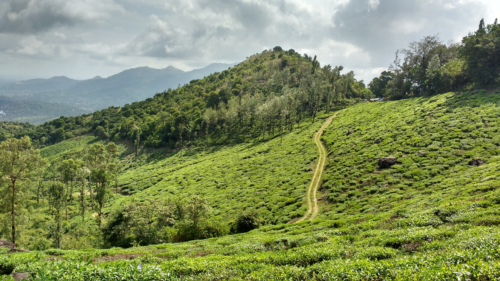
Further north of Madurai, atop a forested hill lies Pazhamudircholai Murugan Temple — another one of the six sacred abodes of Lord Murugan. It is enveloped by greenery, offering an immersive natural + spiritual experience.
Key Highlights
- The temple honors Murugan, along with his consorts Valli and Devasena — adding layers of myth and devotion.
- According to legend, ancient Tamil poet-saint Avvaiyar once rested under a tree here. Murugan, disguised as a shepherd boy, played a divine prank to teach a spiritual lesson. This story embeds the temple deeply in Tamil devotional literature.
- The temple is set in forested hill ambience — ideal for those wanting a mix of nature, serenity, and mythology.
What to Know
- The hill-temple is around 25 km north of Madurai city.
- Best visited early morning for cooler weather and lesser crowds.
- Combine with a visit to neighbouring hill-temples (like Alagar Kovil) if you enjoy hill-temple circuits.
Alagar Kovil (Kallazhagar Temple)
Not far from city limits lies Alagar Kovil (also referred to as Kallazhagar Temple) — a serene Vishnu shrine perched on Alagar hills. It offers spiritual peace along with scenic hill views.

What Makes It Worth Visiting
- Architectural and sculptural beauty set against a natural hill background — a combination of built heritage and natural serenity.
- For Vaishnavite devotees, this temple is spiritually significant. Many saints have sung praises of this shrine, and Vaishnavite rituals remain alive here.
- A peaceful retreat from city heat — the hill’s elevation and greener surroundings offer respite, making it ideal for a calm afternoon or sunset visit.
Practical Info
- The temple is approximately 18–20 km from Madurai’s central area.
- Best visited as part of a half-day hill-temple circuit along with Pazhamudircholai or other nearby temples.
Offbeat & Less-Visited Sacred Spots
Beyond the major temples, Madurai and its periphery hold several lesser-known temples and heritage shrines — quieter, mystical, and rewarding for travellers seeking hidden gems.
- Hill-temple trails & forest hillocks: Temples like those in Pazhamudircholai and Alagar Kovil offer tranquil alternatives to crowded city temples — especially early morning or day-time weekday visits.
- Ancient shrines & local neighbourhood temples: Wandering through old city lanes, you may come across small, centuries-old temples where locals still practice daily pujas. These often lack formal documentation but exude raw heritage and living traditions.
- River-side ghats & lesser-known shrines near Vaigai River: While major temples dominate, quiet spots near riverbanks — used for morning rituals or festivals — offer contemplative experiences, especially during dawn or dusk.
If you’re drawn to slow travel and spiritual solitude, these off-beat corners often leave the deepest impressions.
Suggested Itineraries
Here are sample itinerary plans based on your time and interest:
1-day Temple Circuit
- Morning: Early darshan at Meenakshi Amman Temple (5:00 AM opening) — explore gopurams, thousand-pillar hall, sanctum.
- Late Morning: Walk or auto to Koodal Azhagar Temple for Vishnu blessings.
- Lunch Break: Local eateries near town hall or temple area.
- Afternoon: Visit Thiruparankundram Murugan Temple (hill-temple) — enjoy hill views and peaceful ambience.
- Evening: Return to city, stroll around temple-town markets, soak up ambient temple lights.
3-day Pilgrimage & Heritage Tour
Day 1: As above — Meenakshi + Koodal Azhagar + Thiruparankundram.
Day 2:
- Morning: Head out to Pazhamudircholai Murugan Temple (hill + forest).
- Noon: Visit Alagar Kovil.
- Afternoon — Evening: Roam around local markets, try traditional cuisine, absorb city’s night ambience.
Day 3:
- If you wish — revisit favourite temple(s) early morning.
- Spend midday exploring local culture: markets, handicrafts shops, city walks.
- Evening: Relax or head out depending on your onward travel.
5-day Deep Heritage + Spiritual Experience
Day 1–3: As 3-day plan above.
Day 4: Explore offbeat shrines — small neighbourhood temples, river-side ghats, quiet ancestral temples. Engage with locals, observe evening aarti (if possible), capture lesser-seen heritage.
Day 5: Leisure day — revisit temples, shop local crafts, sample food, reflect and soak in ambience before departure.
This 5-day plan suits travellers who want both depth and calm, combining heritage, devotion, nature, and local culture.
Costs & Budgeting
Here’s a rough estimate of expenses for a 3-day temple-heritage trip in Madurai (for a budget-conscious, mid-range traveller):
| Expense Head | Approx. Cost / Notes |
|---|---|
| Accommodation | ₹1,200 – ₹2,500 per night (budget to mid-range) |
| Local Transport (autos / taxis / buses) | ₹300–₹800 per day (depending on sightseeing spread) |
| Food (3 meals + snacks) | ₹400–₹800 per day (local eateries) |
| Temple visits and donations | Regular darshan: usually free; special puja / offerings: ₹50–₹200 (varies; confirm locally) |
| Hill-temple transport (to Alagar, Pazhamudircholai) | ₹500–₹1,200 depending on distance and vehicle type |
| Miscellaneous (water, souvenirs, tips) | ₹200–₹500 per day |
Note: Most major temples in Madurai, including Meenakshi and Koodal Azhagar, have free general darshan. Special pujas or VIP tickets may carry small fees — but no official universal fee structure; check locally. No official fee data publicly available in many cases.
Local Transport Guide
- Auto-rickshaws & cycle-rickshaws: Widely available; best for short city trips (temple-town, market, railway station).
- Taxis / cabs: Useful for visiting hill-temples (Thiruparankundram, Pazhamudircholai, Alagar Kovil) — especially if you want comfort and flexibility.
- Local buses: Some buses ply to suburbs or outskirts (especially towards hill areas); but frequency and reliability vary — confirm locally.
- Walking: In the old city / temple-town area, many temples, markets and eateries are within walkable distance — ideal for the morning/evening cool hours.
Food & Cuisine — What to Try
Visiting temples often goes hand in hand with savouring local flavours. In Madurai:
- Temple prasadam & traditional meals: Many temples — especially the bigger ones — offer prasadam (blessed offering), or nearby food stalls serve simple South-Indian meals ideal for travellers.
- Local specialities: Don’t miss jigarthanda (a famous Madurai cold drink), kari dosa, idiyappam — perfect after a long darshan or temple tour. Several eateries near town and temple-town offer delicious, budget-friendly meals.
- Filter coffee & snacks: Great way to rejuvenate between temple visits — especially in early mornings or post-evening darshan.
Safety, Health & Permits
- Temple etiquette: Dress modestly (shoulders and legs covered), remove footwear before entering sanctum, observe quietude, avoid loud talk or music. Especially in older, sacred temples like Meenakshi, respect for rules is strictly enforced.
- Crowds & Timings: During festival days or weekends, crowds surge; darshan may take hours — plan accordingly. For a calmer experience, aim for early morning (temples open at 5:00–5:30 AM).
- Heat & Hydration: If travelling in summer months, stay hydrated, carry water, wear light breathable clothes, use sun protection (hat, sunscreen).
- Footwear & Physical Comfort: Since many temples involve walking or climbing (especially hill-temples), wear comfy footwear (which you’ll then need to remove at the entrance). For safety, avoid slippery sandals.
- Health & Cleanliness: Use safe drinking water, wash hands before meals or prasadam. If you have health concerns, avoid overcrowded darshan queues.
As per current publicly available data, no special permit is required to visit temples as a tourist. However, spaces inside sanctums may restrict non-Hindus or non-devotees during certain rituals — adhere to temple rules.
Packing List
- Light, breathable clothes (cotton/linen) — but modest (shoulders & legs covered)
- Sun protection — hat, sunglasses, sunscreen (especially for summer visits)
- Comfortable footwear (easy to remove)
- A small bag / cloth to keep footwear when entering temple
- Reusable water bottle (stay hydrated)
- Modest shawl or wrap (for temple ceilings or evening chill, if any)
- Umbrella or light raincoat (especially if visiting during monsoon season)
- Small change in local currency (for offerings, auto rides, donations)
- Mobile phone + power bank (for navigation, emergency calls, quick snaps outside temples)
Responsible Travel
- Respect temple rules: dress codes, footwear norms, no loud music or shouting, no prohibited photography.
- Avoid plastic — use reusable bottles and avoid littering. Many temple surroundings are old and sensitive; help keep them clean.
- Respect rituals and sanctity: Do not interrupt pujas, follow queue discipline, seek permission before taking any photos outside sanctum areas.
- Be mindful of local culture: Many temples remain living spaces of worship — be quiet, polite, observant.
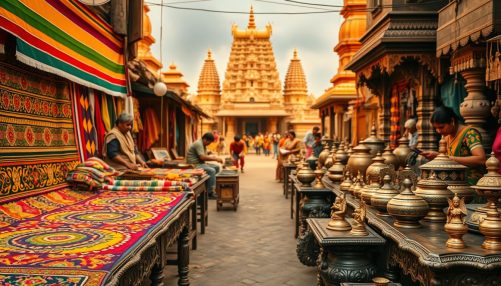
- Support local economy: Buy from local artisans, food vendors, small shops — helps sustain traditional crafts and livelihoods.
Conclusion
Exploring temples to visit in Madurai is more than a checklist — it’s a journey across centuries, myths, passions, and living faith. From the grand gopurams of Meenakshi Amman Temple to the peaceful hill-shrines of Murugan atop forested slopes, Madurai offers a spectrum of experiences: devotional, architectural, tranquil, vibrant.
Whether you spend a single day or a whole week, whether you seek solace, history, art, or spiritual connection — Madurai welcomes you with open arms and ancient bells.
Read more: Attractions
FAQs
A: A well-planned 2–3 day trip covers major temples like Meenakshi, Koodal Azhagar, Thiruparankundram, and perhaps one hill-temple. For a deeper, relaxed experience including hill shrines and offbeat spots, 4–5 days is ideal.
A: Photography is generally allowed in outer courtyards and external structures, but inner sanctums — especially at Meenakshi Temple — restrict photography. As per temple rules, avoid using camera / phone inside sanctums.
A: Early morning (just after 5:00 AM) is the best — you get darshan with fewer crowds and pleasant weather. Evening darshan after 4:00 PM is also good but tends to be crowded.
A: Most major temples like Meenakshi and Koodal Azhagar offer free general darshan. Special pujas or VIP tickets (if available) may carry nominal charges — these vary and should be confirmed on-site. There is no consistent fees list publicly available.
A: Yes — they are reachable via taxis or auto-rickshaws. Local buses may connect occasionally, but frequency may be irregular. For convenience, private transport is recommended.
A: Generally yes. Madurai is a well-visited pilgrimage and tourist city. That said, standard travel precautions apply: dress modestly, avoid isolated areas late at night, use registered cabs, keep belongings safe.

.jpg)

_(37515901131).jpg)