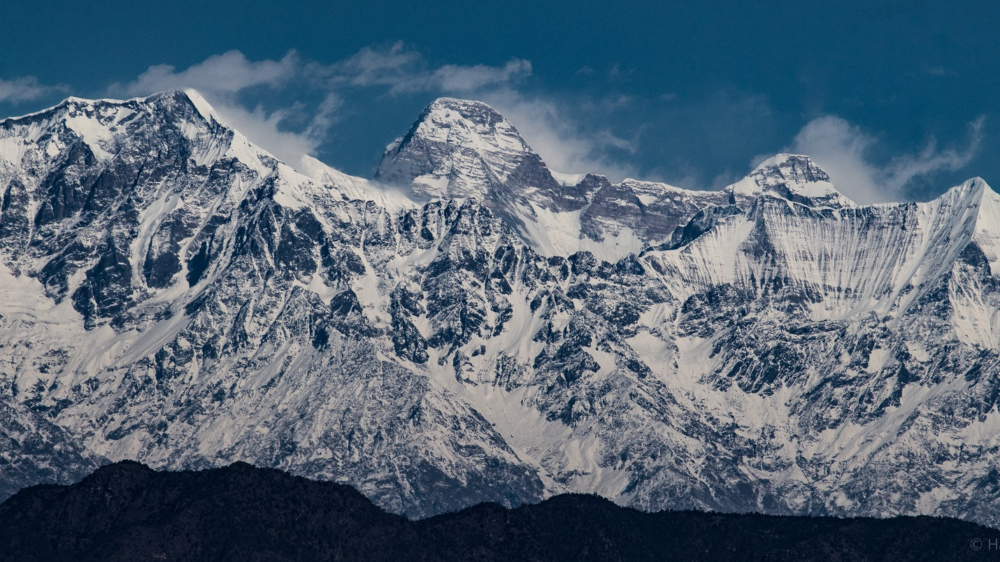
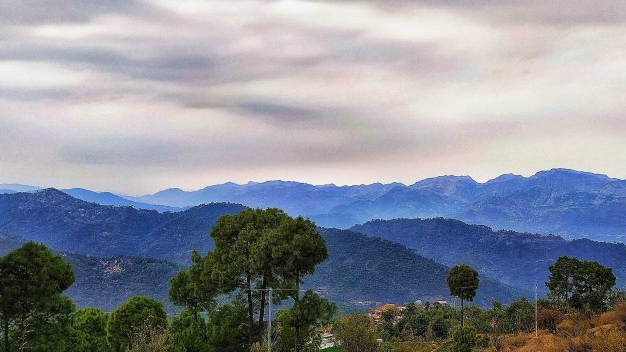
Imagine standing at an elevation of 10,000 feet, surrounded by breathtaking landscapes, and being in the presence of a spiritual haven that has been a cornerstone of Tibetan Buddhism for centuries. You are now in the majestic Gaden Namgyal Lhatse, popularly known as Tawang Monastery.

This sacred place, nestled in the heart of Arunachal Pradesh, is not just a religious institution but a living heritage that has preserved ancient wisdom and practices for over three centuries. As the largest active monastery globally, it stands as a testament to the enduring legacy of Tibetan Buddhism in India.
Key Takeaways
- Discover the spiritual significance of Tawang Monastery, India’s oldest Buddhist monastery.
- Explore the monastery’s stunning architecture and breathtaking surroundings.
- Understand the importance of Tawang Monastery in Tibetan Buddhism.
- Learn about the monastery’s influence on the local culture and traditions.
- Experience the rich heritage and ancient practices preserved within the monastery.
The History and Significance of Tawang Monastery

As you step into the serene surroundings of Tawang Monastery, you’re about to uncover the rich history that has shaped this sacred site into what it is today. The monastery’s history is a testament to the devotion and spiritual pursuits of the people who built it.
The Founding of Gaden Namgyal Lhatse
Tawang Monastery, originally known as Gaden Namgyal Lhatse, was founded by Merak Lama Lodre Gyatso in 1680-81. The name reflects the monastery’s connection to the Buddhist traditions and its location in the Himalayas. The founding of the monastery is deeply intertwined with the blessings received from the 5th Dalai Lama, highlighting the spiritual significance of this site.
Who Built Tawang Monastery?
The construction of Tawang Monastery is attributed to Merak Lama Lodre Gyatso, a revered figure in the region’s Buddhist community. According to historical accounts, the 5th Dalai Lama provided Merak Lama with sacred yarn that marked the boundaries of the monastery. This divine guidance underscores the monastery’s importance as a center of spiritual learning and practice.
Cultural Importance in Arunachal Pradesh
Tawang Monastery is not only a religious site but also a pivotal socio-cultural institution in Arunachal Pradesh. It has profoundly influenced the culture and daily life of the local people, serving as a fountainhead of spiritual life for the entire region. The monastery’s teachings and traditions have preserved ancient Buddhist practices while adapting to contemporary challenges, making it a vibrant part of the community.
The significance of Tawang Monastery is further underscored by its connection to the 6th Dalai Lama, who was born in the nearby Urgelling Monastery in 1683. This historical context adds layers to the monastery’s importance, making it a revered destination for those interested in Buddhist heritage and culture.
Architectural Marvels and Sacred Treasures
With its strategic location on a hill spur, the Tawang Monastery is an architectural marvel that has stood the test of time. The monastery’s design takes advantage of the natural defenses provided by the landscape, with ravines to the south and west, a narrow ridge on the north, and a gradual slope on the east.
The Impressive Monastery Complex
The approach to the monastery is from the north along the ridge, where you pass through the traditional entrance gate, known as the kakaling. As you enter, you’ll notice a building housing the dunggyur mani, from where water is fetched for use in the monastery. The complex is a testament to the ingenuity of its architects.
The Dukhang: Heart of the Monastery
The Dukhang, or assembly hall, is the most imposing structure within the monastery complex. This three-storied building stands on the northern side of the court and houses the template and the Labrang. The inner walls are adorned with murals depicting various divinities and saints, while a colossal, richly gilded statue of Lord Buddha occupies the middle of the northern side.
Sacred Artifacts and Treasures
The monastery is home to numerous sacred artifacts, including a silver casket wrapped in silk containing the Thangkas of Goddess Sri Devi, gifted by the 5th Dalai Lama. The intricate frescos and life-size murals on the walls tell stories of Buddhist teachings and history, making the monastery a treasure trove of spiritual and cultural significance.
| Feature | Description |
|---|---|
| Dukhang | Three-storied assembly hall housing the template and Labrang |
| Statue of Lord Buddha | Colossal, richly gilded statue, 25 feet high |
| Sacred Artifacts | Silver casket with Thangkas of Goddess Sri Devi |
As you explore the Tawang Monastery, you will be struck by its architectural grandeur and the richness of its sacred treasures. The monastery’s design and the artifacts it houses make it a unique and fascinating destination for visitors from around the world.
Visitor’s Guide to Tawang Monastery
To ensure a respectful and enriching visit to Tawang Monastery, consider these essential tips and guidelines. Planning ahead will enhance your spiritual journey and allow you to appreciate the monastery’s beauty and significance fully.

Dress Code and Etiquette
When visiting Tawang Monastery, dressing modestly is crucial. Ensure your shoulders and knees are covered as a sign of respect. Removing your shoes before entering sacred spaces is also customary. Maintain silence during prayer times and ask permission before photographing monks or ceremonies.
Accommodation Options at Tawang
While you can’t stay within the monastery, Tawang town offers comfortable accommodations. Recommended options include Tenzin Guesthouse, Hotel Zax Star, and Hotel Gakyi Khang Zhang. These provide a convenient base for your visit, allowing you to explore the monastery and its surroundings with ease.
Best Time to Visit and Contact Information
The best time to visit Tawang Monastery is between November and March when the skies are clear. Be prepared for cold temperatures, potentially dropping to -2°C at night. For the latest information on visiting hours and special events, contact the monastery through their official website or contact number before your trip.
Beyond the Monastery: Exploring Tawang
Beyond the walls of Tawang Monastery lies a world of breathtaking landscapes, ancient traditions, and spiritual practices waiting to be explored. As you venture further into the Tawang region, you’ll discover a rich cultural tapestry that makes Arunachal Pradesh an unforgettable experience.
Witness the mesmerizing Cham dances and outdoor ceremonies performed in the monastery’s courtyard during festivals. You can also visit the Tsun Gon Thog Jee Choeling Nunnery to experience another dimension of Tibetan Buddhism, where female monastics dedicate their lives to spiritual practice.
Other attractions include the uniquely colorful Thegtse Sang-ngag Choekhorling Monastery, which belongs to the Nyingma sect of Tibetan Buddhism, and the Indo-Chinese War Memorial, a solemn tribute to the Indian soldiers who sacrificed their lives defending this border region.
Take in panoramic views of the Himalayan landscape via the new Tawang cable car, and immerse yourself in local Monpa culture by visiting nearby villages. With its rich history, vibrant culture, and stunning natural beauty, Tawang is a destination that will leave you in awe.
Read more: Attractions
FAQ
The Dalai Lama has a deep connection with this sacred site, having fled to this region during his exile. The monastery is an important center for Tibetan Buddhism.
Lama Lodre Gyatso is a revered figure associated with the monastery. As a respected lama, he plays a significant role in preserving the traditions and teachings of Tibetan Buddhism.
As you step inside, you’ll be surrounded by the serene atmosphere and stunning architecture. The complex houses the Dukhang, a sacred hall filled with intricate murals, statues, and other sacred artifacts.
Yes, the monastery hosts various cultural events, including traditional dances and rituals, which showcase the rich heritage of the region and provide a glimpse into the local culture.
The nearest town is accessible by road, and from there, you can take a short drive or hike to the monastery, enjoying the scenic views of the surrounding hills and valleys along the way.
The ideal time to visit is during the spring or autumn seasons when the weather is pleasant, making it perfect for a trip to this beautiful region.