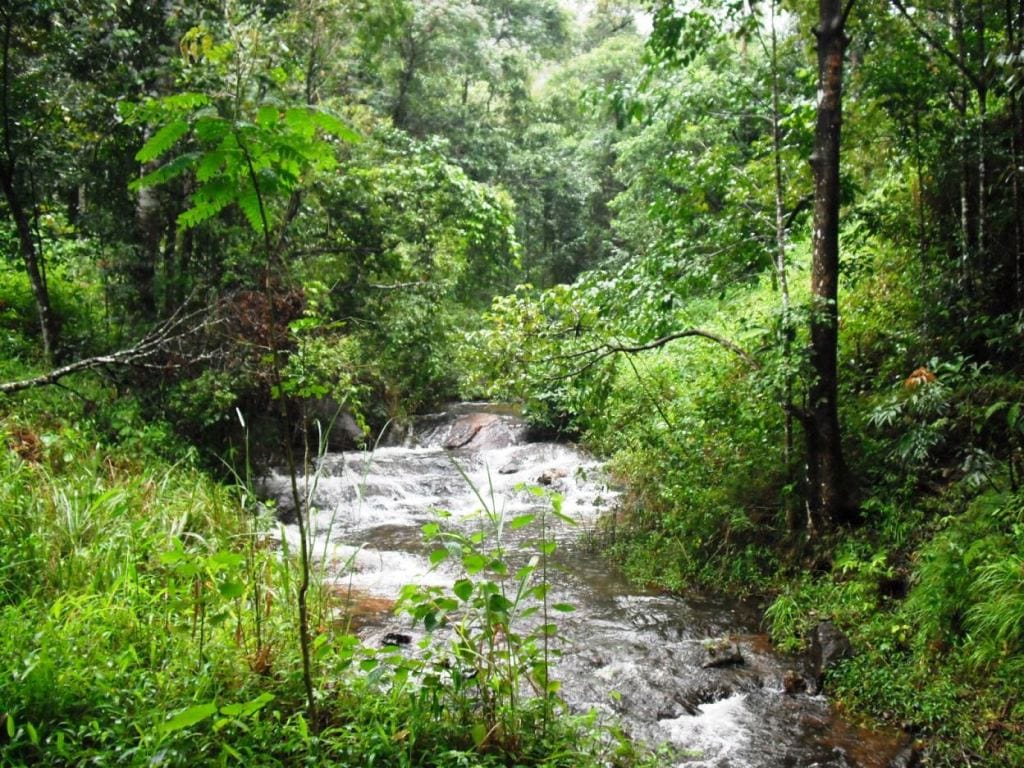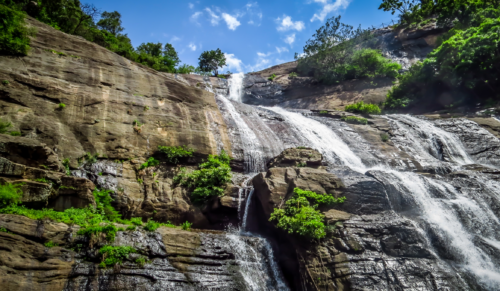
Tamil Nadu is a treasure trove of verdant hills, dense forests, rolling hills of the Western Ghats and Eastern Ghats, and rivers that carve their way through rock and forest — culminating in a spectacular array of waterfalls. From thunderous cascades that roar over cliffs to gentle streams that trickle through forested valleys, the state offers a waterfall for every kind of traveller.

Whether you’re a solo backpacker chasing monsoon magic, a couple longing for a serene nature retreat, or a family seeking a fun day out — Tamil Nadu’s waterfalls promise a mix of adventure, calm, and natural beauty. According to official tourism data, some waterfall zones like Courtallam host nine distinct falls within a small radius, each with a unique character and experience.
If you’re planning a trip and wondering where to start — or how to pick from dozens of cascading gems — this guide will walk you through the best waterfalls, how to reach them, when to visit, where to stay, what to pack, and more. Welcome to an adventure through Tamil Nadu’s most beautiful waterfalls.
Quick Snapshot
| Waterfall / Region | Best For | Approx. Height / Key Feature | Ideal Time to Visit | Key Caution / Note |
|---|---|---|---|---|
| Courtallam — Main Falls (Peraruvi) | Easy bath + classic spa-style waterfall | ~60 m; part of 9-falls cluster | June–Oct (post-monsoon) | Avoid heavy flow days |
| Courtallam — Small Falls (Chitraruvi) | Gentle dip, safer for kids / elders | Smaller cascade; gentle flow | Same as above | Check pool depth before bathing |
| Courtallam — Five Falls (Aintharuvi) | Scenic cluster-falls — good for photos | Moderate cascade, forested backdrop | June–Oct | Rocks may be slippery |
| Courtallam — Tiger Falls (Puli Aruvi) | More adventurous feel | Part of Courtallam’s cascade system | June–Oct | Strong current — caution advised |
| Courtallam — Shenbaga Devi / Honey / Old / New Falls | Varying experiences: peaceful to adventurous | Different cascades within 1 km radius | June–Oct | Some falls remote — plan transport |
| Hogenakkal Falls | Boating + scenic canyon + weekend getaway | Multiple channels; drop ~15–65 ft. | Aug–Dec (post-monsoon & winter) | Water flow strong — heed warnings |
| Catherine Falls (Nilgiris) | Photography, peaceful hills | ~250 ft combined cascade | Oct–May (dry/hill-station season) | Narrow roads leading up — drive carefully |
| Agaya Gangai Falls (Kolli Hills) | Trekking + nature + offbeat | ~300 ft drop, access via ~1200 steps | Monsoon to early post-monsoon | Slippery steps; avoid heavy rain |
| Monkey Falls (Coimbatore / Pollachi) | Quick stopover + forest vibes | ~60 ft cascade in Anamalai hills | Oct–May | Monsoon water may be rough |
| Kumbakkarai Falls (Theni) | Peaceful dip + offbeat charm | Two-stage falls from Pambar River | Post-monsoon | Water flow heavy during rains |
| Suruli Falls (Theni / Meghamalai) | Water + heritage (ancient caves) | ~150 ft + lower cascade | Best after rains | Pool depth varies — avoid unknown spots |
| Thalaiyar Falls (Palani Hills) | Trek + dramatic view; for adventure seekers | ~975 ft — highest in Tamil Nadu | Post-monsoon till winter | Trekking needed; not bath-friendly |
| Siruvani Waterfalls (near Coimbatore) | Refreshing nature, forest & water | Soft cascade from Siruvani river | Oct–May | Restricted water use — respect local rules |
Why Explore Tamil Nadu’s Waterfalls?
Tamil Nadu’s waterfalls are more than just pretty sights — they’re a window into India’s rich ecological and cultural tapestry. Here’s why they deserve a place on your travel map:
- Diverse Geography: The state spans verdant Western Ghats, the rolling hills of Nilgiris, and the Eastern Ghats — all contributing to a richly varied landscape. Waterfalls here emerge from rivers and streams fed by monsoon rains and hill streams.
- Ecological Richness: Many waterfalls are surrounded by dense forests, providing habitat to endemic flora and fauna. Exploring them gives you a chance to witness natural biodiversity up close.
- Cultural & Spiritual Significance: Some waterfalls — like Courtallam — are linked to ancient temples and local legends, blending nature with spirituality.
- Relaxation & Wellness: Especially at Courtallam, the water is believed to pass through herb-laden forests, imparting a kind of “natural spa” effect. Hence it’s often called “Spa of the South”.
- Accessibility & Variety: From easy-to-reach falls near towns to remote trekking-falls deep in the hills — there’s something for every kind of traveller: families, couples, backpackers, adventure seekers.
For many travellers, chasing waterfalls becomes more than sightseeing — it becomes a journey into nature, calm, and rejuvenation.
Best Time to Visit Tamil Nadu’s Waterfalls (Seasonal Breakdown)
Summer (March – May)
- Many waterfalls have reduced water flow. Streams and cascades may trickle or dry up altogether.
- Good for areas like hill-station falls (e.g. Catherine Falls, waterfalls near Nilgiris) where cooler hill weather still offers pleasant experience.
- Water is safer for bathing; less risk of flash floods — but scenery may not be as dramatic.
Monsoon (June – September)
- This is peak flow season. Waterfalls swell to full glory, cascades roar, and the surrounding forest becomes lush green.
- Best time for dramatic photos, strong-waterfalls like those in Courtallam, Agaya Gangai, Suruli, etc.
- Caution: Heavy flow, slippery rocks, rising water levels, risk of sudden surges. According to local forest & district advisories, many falls advise no swimming or bathing on very heavy-rain days.
Post-Monsoon & Winter (October – February)
- Often the ideal time: Waterfalls retain good water levels, weather cool and pleasant, forests refreshed.
- Great for trekking, safe bathing (where allowed), and panoramic views.
- Hill-station waterfalls (e.g. Nilgiris) are especially enjoyable during this period; minimal rainfall disturbance.
Tip: If you plan to swim or take a dip, aim for late monsoon to early post-monsoon, avoiding peak rains. For trekking or photography, post-monsoon to winter is safer and more stable.
How to Reach Tamil Nadu
Because the waterfalls of Tamil Nadu are spread across different regions — Western Ghats, Nilgiris, Eastern Ghats, coastal southern hills — reaching them depends on where you’re headed. Here are common transport modes:
By Air
- Major airports: Chennai International Airport, Coimbatore International Airport, Madurai Airport, Tiruchirappalli Airport — depending on your chosen waterfall region.
- For example: if you’re targeting Coimbatore / Pollachi (Monkey Falls, Siruvani), fly to Coimbatore. For Nilgiris (Catherine Falls, etc.), Chennai or Coimbatore, then road transport to hills.
By Rail
- Tamil Nadu is well-connected via Southern Railways / IRCTC.
- Towns like Tenkasi (for Courtallam), Coimbatore, Madurai, Tiruchirappalli — reachable by train. From there, local transport or taxi to waterfall spots.
By Road
- Many waterfalls are accessible via state highways / hilly roads. For example, hill-station roads to Nilgiris or Kolli Hills.
- Renting a car or hiring a taxi is often the easiest way, especially for remote waterfalls (Agaya Gangai, Kumbakkarai, etc.).
- Local buses are available to some waterfall regions — good budget option — but may require further walking / trekking.
Because waterfalls are spread out, in many trips you might mix transport modes: fly or rail to nearest city, then road travel for hills / waterfall zones.
Where to Stay (Neighbourhood Guide + Budget Ranges)
Depending on which waterfall cluster you target, stay options vary widely — from budget guesthouses to comfortable resorts, to forest-edge homestays.
- Coimbatore / Pollachi belt (Monkey Falls, Siruvani): ideal for budget to mid-range stays; decent connectivity to the city. Budget: ₹800–₹2,000/day for guesthouse / budget hotel; Mid-range: ₹2,500–₹4,500/day.
- Nilgiris / Kotagiri / Ooty region (Catherine Falls, etc.): many hill-station guesthouses, cottages. Budget: ₹1,200–₹2,500; Mid-range / boutique: ₹3,000–₹6,000.
- Tenkasi / Courtallam region: small hotels, lodges near town; some modest resorts. Budget: ₹700–₹1,800; Mid-range: ₹2,000–₹4,000.
- Theni / Kodaikanal-foothill belt (Kumbakkarai, Suruli): small guesthouses or local lodges; fewer high-end resorts. Budget: ₹600–₹1,800; Mid-range: ₹2,000–₹3,500.
- Eastern-Ghats / Kolli Hills region (Agaya Gangai): homestays, forest lodges, local guesthouses. Budget: ₹500–₹1,500; Modest mid-range available in nearby towns.
Staying near the waterfall — especially in forested or hilly zones — adds to the experience: early-morning mist, bird calls, trailing vines, and a calm environment.
Tamil Nadu’s Most Beautiful Waterfalls
Below are detailed descriptions of major and lesser-known but beautiful waterfalls — including each major fall of Courtallam individually.
Courtallam – Main Falls (Peraruvi)
The most iconic and largest among the Courtallam cluster, Main Falls (Peraruvi) is often first on every traveler’s list. Situated just about 300 meters from Courtallam Bus Stand, this waterfall sees water dropping roughly 60 m.

Because the cascade is softened by the Pongumakadal rock on its course, the water flow is gentler — making it comparatively safer for bathing. This is probably one reason why people of all ages, including families with kids, flock here.
Best time to visit: Soon after the monsoon (July to October), when the falls are full but not dangerously swollen.
What to expect: A wide, powerful waterfall with a large pool at base — ideal for a refreshing dip. The spa-like feel (thanks to herbs from surrounding forests) makes it a rejuvenating spot. Many consider it a natural wellness experience.
Safety notes: On heavy-rain days or just after major showers, water volume and current may increase — check local advice before bathing.
Courtallam – Small Falls (Chitraruvi / Sitraruvi)
For those wanting a gentler waterfall experience — especially families, elders, or those who prefer calm water — Small Falls (Chitraruvi / Sitraruvi) offers a great alternative. It is located slightly above the main falls and accessed via steps.
Because the water flow is milder, it’s ideal for a relaxed dip. There are separate bathing zones for men and women, which makes it more convenient for families and groups.
Best time: Similar to Main Falls — post-monsoon period. Less crowded compared to Main Falls, more tranquil.
Note: Always check the water level and terrain — though gentler, rocks can be slippery.
Courtallam – Five Falls (Aintharuvi)
Five Falls (Aintharuvi) is one of the more scenic parts of Courtallam — it features a cluster of small cascades within a forested area, giving a picturesque and photogenic vibe.
Because it’s a bit more offbeat than Main Falls, Five Falls attracts those who prefer a quieter waterfall experience — especially couples or small groups seeking serenity.
Ideal season: Post-monsoon to early winter, when cascades are visible but water volume is manageable.
Caution: Rocks and forest floor can be slippery; wear good footwear.
Courtallam – Tiger Falls (Puli Aruvi)
Also known locally as Puli Aruvi, Tiger Falls carries a bit more of an adventurous flavour. Part of Courtallam’s cascade network, it’s slightly less mainstream than Main or Small Falls.

It’s suitable for travellers who want a bit of adventure — stronger water flow, rougher terrain, and a rawer waterfall feel.
When to visit: Ideally post-monsoon, but avoid heavy rains.
Safety note: Water current may be stronger; caution advised. Avoid if water seems too turbulent.
Courtallam – Shenbaga Devi Falls, Honey Falls, Old Falls & Others
Courtallam isn’t just about the big names. Within roughly a 1 km radius, you’ll find a variety of smaller or lesser-visited falls — each with its own charm:
- Shenbaga Devi Falls (also Chembakadevi Falls) — peaceful, forest-fringed cascade.
- Honey Falls (Then Aruvi) — quieter, great for relaxed dips or nature walks.
- Old Courtallam Falls (Pazhaya Courtallam) — slightly away from the busy Main Falls; access involves a short drive/trek and yields a more tranquil vibe.
- New Falls (Puthu Aruvi), Fruit-Garden / Orchard Falls (Pazhathotta Aruvi) — less crowded, often visited by locals or adventurous travellers looking for solitude.
Who these are for: Travellers seeking a quiet retreat amidst nature, offbeat experiences, local vibes. Great for photographers, couples, small groups.
Best time: Post-monsoon until early winter; avoid heavy-rain days for safety and accessibility.
Hogenakkal Falls
Often dubbed the “Niagara of India,” Hogenakkal Falls — formed as the River Kaveri enters Tamil Nadu — is among the most dramatic waterfall experiences in the state.

Its unique geology — old carbonatite rock formations — and the network of channels (sometimes 14 or more) make it a fascinating sight. During post-monsoon and winter, water flow is strong, making the falls thunderous with spray and mist.
Activities: Boating (coracle rides), exploring the canyon-like rock formations, photography, enjoying local snacks nearby.
Best time: August to December (post-monsoon to winter), when water flow is high but water is not dangerously turbulent.
Safety note: Flow can be intense; swimming not always safe — follow local advisories.
Catherine Falls (Nilgiris / Kotagiri)
Tucked in the cool hills of the Nilgiris near Kotagiri, Catherine Falls is a double-cascaded waterfall with a combined drop of about 250 ft.

The waterfall emerges from the upper stream of the Kallar River and is visible from vantage points like Dolphin’s Nose. The verdant hills, tea estates, and misty hillsides make this a picturesque, almost postcard-perfect spot.
Best time: October to May — dry season, when weather in Nilgiris is pleasant, and the road access is safer.
Good for: Couples, photography lovers, those combining a waterfall visit with a hill-station break.
Caution: Roads to the viewpoints can be narrow and winding — drive carefully.
Agaya Gangai Falls (Kolli Hills, Eastern Ghats)
If you’re after an offbeat waterfall mingled with hiking, forest, and a sense of adventure — Agaya Gangai Falls is a gem. Located in the Kolli Hills (Eastern Ghats, Namakkal district), it plunges about 300 ft down over the Aiyaru river.

To reach the falls, visitors often climb down around 1,196 steps — a steep descent but rewarding with forest views, a natural pool, and rugged terrain. Nearby are caves associated with ancient sages (Bogar, Agastya, Korakkar, Kalangi Nathar), adding mythological and spiritual flavor to the visit.
Best time to visit: Monsoon to early post-monsoon. The falls are full, and surrounding forest lush.
What you get: A mix of trekking, waterfall plunge, forest ambience, and offbeat serenity — ideal for solo travellers, adventure seekers, and those who want a peaceful escape.
Caution: Steps and rocks get slippery — wear proper footwear; avoid during heavy rains.
Monkey Falls (Coimbatore / Pollachi)
Set within the Anamalai Hills, Monkey Falls is a popular quick-stop waterfall on the Pollachi–Valparai route. The cascade drops roughly 60 ft into a pool surrounded by forest and rocky cliffs — a refreshing break from city or road travel.

Best time to visit: October to May — dry season, when forest roads are accessible and water flow is steady yet safe.
Who it’s good for: Families, travellers doing a southerly circuit, those combining waterfall visit with a stay in Pollachi or Coimbatore.
Caution: Monkeys around the waterfall are known to be mischievous — guard your belongings when bathing or picnicking.
Kumbakkarai Falls (Theni District)
Less crowded and quieter than many mainstream waterfalls, Kumbakkarai Falls is tucked in the foothills of Kodaikanal, in Theni district — about 9 km from Periyakulam. It forms over the Pambar River and features a two-stage cascade.
During lighter flow seasons, the upper rock basins — named after wild animals (tiger, elephant, snake…) — collect water, offering a natural bathing experience; then water flows to the second stage before descending further.
Best time: Post-monsoon to early winter — flow is moderate, surroundings calm, and access easier.
Who it suits: Travellers wanting a quiet, lesser-known fall away from tourist bustle; nature lovers and peaceful-seekers.
Caution: During heavy rains, water flow becomes strong — bathing may be unsafe.
Suruli Falls (Theni / Meghamalai region)
Suruli Falls, fed by the Suruli River which originates in the Meghamalai mountain range, is a two-stage cascading waterfall: first drop of around 150 ft, followed by another shorter cascade.
This waterfall also has historic value — ancient rock-cut caves nearby date back to 11th century, reflecting rich local history.

Ideal period: After monsoon till winter — waterfalls are full but water level manageable for bathing/swimming in safe zones.
Good For: Travellers interested in a mix of nature + heritage; families on a relaxed outing; those seeking a calm getaway.
Caution: Water depth and current vary; avoid deep or unknown pools; respect local warnings.
Thalaiyar Falls (Palani Hills — Dindigul District)
For adventure seekers and trekkers, Thalaiyar Falls (also called “Rat Tail Falls”) stands out. It is widely regarded as the highest waterfall in Tamil Nadu, with a drop of about 975 ft.
Because of its height and terrain, visiting Thalaiyar Falls involves trekking from the nearest access point (often via Manjalar Dam), and the journey itself becomes part of the adventure.
Best time to visit: Post-monsoon to winter — when streams are full but stable, and trekking paths safer.
Who it’s for: Experienced trekkers, backpackers, nature lovers looking for dramatic views, solitude, and a raw-nature experience.
Important: Not recommended for casual swimming or bathing; access may involve rough terrain or scrambling — wear proper gear and inform locals / guides.
Siruvani Waterfalls (near Coimbatore)
Located in forested hills near Coimbatore, Siruvani Waterfalls is formed by the Siruvani River cascading down the Western Ghats. It’s a tranquil and refreshing waterfall — ideal for those wanting a gentle forest + water experience.

Because Siruvani water is known for its purity and softness, visiting this waterfall offers a calm and cool escape from city heat — a good option for weekend travellers from Coimbatore or nearby.
Best time: Oct to May (dry, pleasant weather)
Good For: Couples, families, travellers wanting a relaxed dip amidst forest, a quick getaway from city bustle.
Caution: Respect local regulations — water sources may be protected; avoid littering or contaminating water.
Offbeat & Local Experiences
Beyond mainstream waterfalls and crowded weekends, Tamil Nadu offers distinct “offbeat” waterfall experiences:
- Forest treks + waterfall visits: For example, Agaya Gangai in Kolli Hills involves trekking down many steps; nearby forest caves linked to ancient sages add a spiritual/nature blend.
- Village stays / homestays near falls: In areas like Kolli Hills or remote Theni foothills, you can experience simple village life, local food, and early-morning forest ambience.
- Birdwatching & biodiversity walks: Many falls lie in forested hills — perfect for spotting endemic birds, small mammals or reptiles (for example near Agaya Gangai).
- Photography & monsoon magic: Waterfalls post-monsoon are dramatic; mist, rain-soaked rocks, lush green hills — ideal for nature photography, including slow shutter waterfalls.
- Heritage + Waterfall combos: Falls like Suruli combine natural beauty with ancient cave architecture — a unique cultural + nature blend.
Suggested Itineraries
1-Day Waterfall Trail (Near Pollachi / Coimbatore)
- Morning: Depart Coimbatore → visit Monkey Falls (fresh forest walk + quick dip)
- Late Morning: Head to Siruvani Waterfalls — enjoy calm water, forest ambiance
- Afternoon: Local lunch in Pollachi; return to Coimbatore / overnight stay
Perfect for: Weekend travellers, families, quick escape from city.
3-Day Nature & Waterfall Circuit (Nilgiris + Coimbatore)
Day 1: Arrive Coimbatore → transfer to Nilgiris / Kotagiri → visit Catherine Falls, sunset at hill-station viewpoint.
Day 2: Explore Nilgiris hills — maybe short trails + local sightseeing.
Day 3: Return toward Coimbatore → detour via Monkey Falls or Siruvani Waterfalls → departure.
Perfect for: Couples or friends combining hill-station charm with waterfall serenity.
5-Day Western Ghats Waterfall & Hills Adventure (Southern belt)
Day 1: Arrive in Madurai / Tirunelveli → head to Courtallam region → enjoy several waterfalls (Main Falls, Small Falls, Five Falls etc.)
Day 2: Full day in Courtallam — visit lesser-known falls (Honey, Old, Shenbaga Devi), enjoy local forest, culture nearby.
Day 3: Travel toward Theni / Kodaikanal-foothill region → stay overnight near Kumbakkarai Falls or Suruli Falls.
Day 4: Visit Kumbakkarai Falls, Suruli Falls; enjoy forest, calm water, local village life.
Day 5: Return journey — optionally detour to Thalaiyar Falls (if confident about trekking), or relax and depart.
Perfect for: Nature lovers, long weekend travellers, people seeking a mix of waterfalls, forest, hills, and culture.
Costs & Budgeting
| Expense | Budget Traveller (₹) | Mid-range Traveller (₹) | Notes / Variation |
|---|---|---|---|
| Transport (local travel + taxi / auto) | 1,200 – 2,500/day | 2,500 – 4,500/day | Depends on fuel, distances, rental vs public transport |
| Accommodation (per night) | 600 – 1,800 | 1,800 – 4,000 | Guesthouse / budget hotel vs mid-range lodge / resort |
| Food (local meals) | 300 – 600/day | 600 – 1,200/day | Local vegetarian meals cheap; non-veg / special meals cost more |
| Entry / Fees (where applicable) | Mostly free; some small charges (₹20–₹100) | Same | Few waterfalls charge nominal maintenance fee; some don’t charge |
| Guide / Trek fees (for remote falls) | 500 – 1,000 (one-time) | 1,000 – 1,500 | Optional but recommended for remote & forest areas |
| Misc (snacks, safety gear, tips) | 200 – 500/day | 500 – 1,000/day | Varies with personal preference |
Sample 5-day trip (mid-range):
Transport & travel — ₹12,000
Accommodation — ₹10,000
Food — ₹5,000
Guides, local transport, misc — ₹4,000
Estimated total ~ ₹31,000 (excluding long-distance travel to Tamil Nadu)
Local Transport Guide
- State buses and local buses connect to many waterfall towns (e.g. Tenkasi for Courtallam, Pollachi for Monkey Falls, Periyakulam for Kumbakkarai). Budget-friendly but may involve walking or further rides.
- Rental cars / taxis are most convenient, especially for remote waterfalls or when connecting multiple falls in a day.
- Forest-permit transport / guides: For some remote waterfalls — especially in forested hill areas (Eastern Ghats, lesser-known falls) — hiring a guide or obtaining permission may be advisable.
- Walking / Short treks — many waterfalls require walking a little: steps (Agaya Gangai), short forest trails, rocky terrain. Good walking shoes recommended; avoid slippers.
Food & Cuisine Near Waterfalls
Tamil Nadu’s waterfalls often lie near small towns or forest villages. On such trips, you’ll find:
- South Indian staples: Dosas, idlis, vadas, rice meals (sambar, rasam, vegetables) — widely available and budget-friendly.
- Local village fare: Millets, traditional rice dishes, local forest produce, simple vegetarian or non-vegetarian meals.
- Street / snack food near popular waterfalls: Especially around Courtallam or Hogenakkal — small stalls selling tea, snacks, coconut water, basic meals — good for budget travellers or quick bites.
- Home-cooked style meals in homestays: If you stay in village homestays near remote waterfalls, you may enjoy simple, wholesome meals prepared by locals — often including rice, lentils, vegetables, local herbs.
Food is generally affordable — even mid-range travellers can eat well without breaking the budget.
Safety, Health & Permits
- Water safety during monsoon: Waterfalls swell during heavy rains. Avoid bathing or swimming when water flow is strong. Always heed local / forest department advisories.
- Slippery rocks & terrain: Many falls have rocky or slippery paths/steps — wear proper shoes, avoid running or jumping.
- Wildlife & forest zones: Some waterfalls lie near or within forest reserve zones. Possible wildlife sightings; maintain distance and avoid disturbing flora/fauna.
- Local permissions / guidance: For remote or forested waterfalls, consider hiring a local guide or checking with forest authorities.
- Health & hygiene: Carry basic first-aid, insect repellent, avoid drinking untreated stream water. Keep the site clean; don’t litter.
Packing List
- Trek / water-friendly shoes (good grip)
- Double-layer quick-dry clothes + spare set
- Rain jacket or poncho (especially monsoon)
- Insect repellent + sunscreen
- Portable water bottle (refill where safe)
- Dry bag for electronics / clothes (for falls with spray or swimming)
- Basic first-aid kit
- Torch / headlamp (for remote stays or early morning hikes)
- Eco-friendly biodegradable soap (if bathing)
- Small backpack for day-hikes
Responsible Travel
- Avoid littering; carry back all plastic and trash.
- Respect local communities, especially near tribal or forested areas.
- Do not disturb flora, fauna or forest paths.
- Use eco-friendly sunscreen / toiletries; avoid polluting water.
- If hiring local guides or entering forest zones — ensure permissions are proper; follow local regulations.
- Use existing trails; avoid creating new paths.
Conclusion
From the thunderous roar of Hogenakkal to the tranquil cascades of Courtallam’s hidden corners, from the misty hills of Nilgiris to the forest-edged serenity of Siruvani — Tamil Nadu offers a rich variety of waterfalls, each with its own personality. Whether you seek adventure, peace, nature, culture, or a quick getaway, you’ll find a waterfall to match your mood.
The mix of accessible falls, offbeat gems, forest-edged cascades and dramatic cliffs makes Tamil Nadu a must-visit destination for waterfall lovers. With careful planning, respect for nature, and a spirit for exploration, you can make memories that last a lifetime.
Happy waterfall hunting — and please travel responsibly, leave no trace, and respect the land you enjoy.
Read more: Attractions
FAQs
A: Many waterfalls are safe during normal water flow — but during monsoon or after heavy rain, water levels rise, currents strengthen. Always check local advisories; avoid swimming during heavy flow.
A: Thalaiyar Falls — with a drop of about 975 ft, it is widely regarded as the tallest in the state.
A: Waterfalls with gentler flow and safe bathing zones — such as Courtallam Main Falls (during safe flow), Courtallam Small Falls (Chitraruvi), and Monkey Falls — are generally more suitable. Always supervise children, and avoid deep pools or strong currents.
A: Late monsoon to early post-monsoon (July to December) — waterfalls are full, forest lush, weather pleasant. For hill-station waterfalls (Nilgiris, etc.), dry season (October to May) works best.
A: Yes — many waterfalls are near hill-stations (Nilgiris, Kolli Hills) or towns. You can combine waterfall exploration with local sightseeing, heritage visits, or a relaxed get-away.
A: For popular falls — not usually. For remote, forested or tribal-area waterfalls (especially in Eastern / Western Ghats), a local guide and checking with forest authorities is advisable.