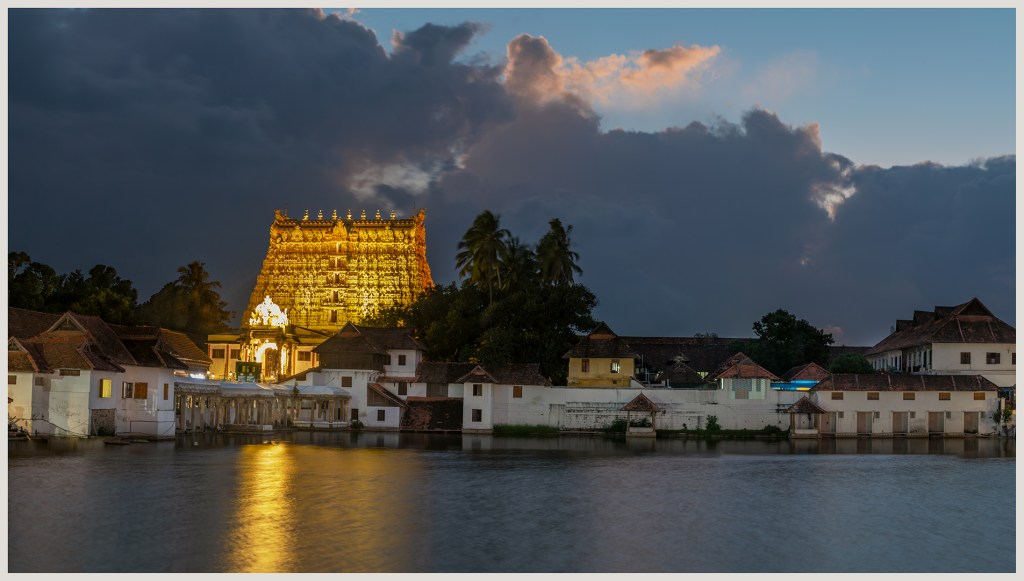
You’ve probably heard of the Sree Padmanabhaswamy Temple, a sacred site that has captured the world’s attention with its staggering treasure worth over $22 billion, making it the world’s richest temple.
Located in Thiruvananthapuram, Kerala, this ancient temple is dedicated to Lord Vishnu in the form of Padmanabha, where the deity is depicted as lying on the sacred serpent Anantha.

As you explore this magnificent spiritual treasure, you’ll discover its unique significance as the abode of Lord Vishnu in his Ananthasayanam posture.
Key Takeaways
- The Sree Padmanabhaswamy Temple is one of the 108 Divya Desams, the holiest Vishnu temples across India.
- The temple’s vaults revealed treasures estimated to be worth over $22 billion in 2011.
- The temple is dedicated to Lord Vishnu in the form of Padmanabha.
- It is considered the world’s richest temple.
- The temple is located in Thiruvananthapuram, Kerala.
The Divine Significance of Sree Padmanabhaswamy Temple
As you approach the Sree Padmanabhaswamy Temple, you’re not just entering a place of worship, but a spiritual epicenter that has been the heartbeat of Thiruvananthapuram city for centuries. This ancient temple is a treasure trove of spiritual and cultural significance, attracting devotees from far and wide.
The Unique Ananthasayanam Posture of Lord Vishnu
The Padmanabhaswamy Temple is renowned for its depiction of Lord Vishnu in the Ananthasayanam posture, reclining on the serpent Anantha. This iconic representation is not just a marvel of artistic expression but also holds deep spiritual significance. The Ananthasayanam posture symbolizes the cosmic repose of Lord Vishnu, embodying the principles of creation and preservation.
Religious and Cultural Importance
The temple is a vibrant hub of religious and cultural activities, with various festivals celebrated throughout the year. Festival celebrations like Vishu and Onam are grand affairs, with Thiruvonam, the 10th day of Onam, being particularly significant as it’s considered Lord Padmanabhaswamy’s birth date. The city comes alive during these celebrations, reflecting the deep connection between the temple and the cultural identity of the region.
- The Padmanabhaswamy Temple serves as the spiritual heart of Thiruvananthapuram, a city whose name literally means “the town of Lord Anantha,” highlighting the temple‘s central role in the region’s cultural identity.
- The temple calendar is filled with vibrant festivals, including the grand celebrations of Vishu and Onam, and the spectacular Lakshadeepam festival that occurs every six years, illuminating the temple with 100,000 oil lamps.
- The temple is not just a place of worship but a cultural repository where ancient traditions, rituals, and artistic expressions have been preserved for centuries, making it a living symbol of Kerala’s spiritual heritage.
As you explore the Padmanabhaswamy Temple, you’ll discover its profound impact on the community, serving as a center for community gathering during festivals and special occasions. The temple‘s significance extends beyond its religious importance, representing a connection to the rich cultural heritage of the region.
History and Legends of Sree Padmanabhaswamy Temple
As you explore the rich heritage of Sree Padmanabhaswamy Temple, you’ll uncover a fascinating history that spans centuries. The temple’s storied past is deeply intertwined with the cultural and religious fabric of Kerala.
Ancient Origins and Mentions in Historical Texts
The Sree Padmanabhaswamy Temple has its roots in ancient history, with mentions in various historical texts that highlight its significance. You can trace the temple’s evolution through these records, which provide insights into its architectural and cultural development.
The Story of Divakar Muni and the Temple’s Foundation
Legend has it that the temple was founded by Divakar Muni, a revered sage, who is said to have installed the idol of Lord Padmanabha. This mythological narrative adds a layer of spiritual significance to the temple, drawing pilgrims and devotees from far and wide.
The Travancore Royal Family Connection
The Travancore royal family, particularly King Martanda Varma, played a pivotal role in shaping the temple’s history. In 1729, King Martanda Varma ascended to the throne and undertook significant reconstruction efforts, including the addition of a gopuram and the installation of the Ottakal Mandapam.

In 1750, the king performed the tiruppadidanam ritual, dedicating his kingdom to Lord Padmanabha and symbolically surrendering his sword to the deity. This act transformed the governance structure of Travancore, with the deity becoming the official ruler and the royal family serving as trustees.
| Historical Event | Year | Significance |
|---|---|---|
| King Martanda Varma’s Ascension | 1729 | Reconstruction of the temple began |
| Installation of Ottakal Mandapam | 1731 | Addition of a massive single stone slab |
| Tiruppadidanam Ritual | 1750 | Dedication of the kingdom to Lord Padmanabha |
The temple’s history is a testament to the enduring legacy of faith and devotion that continues to inspire visitors today.
The World’s Richest Temple: Padmanabhaswamy’s Treasures
As you explore the Sree Padmanabhaswamy Temple, you’ll uncover the secrets behind its status as the world’s richest temple. The temple’s treasure is a marvel that continues to fascinate people around the globe.
The Six Vaults and Their Discoveries
The Sree Padmanabhaswamy Temple has six vaults, each with its own unique discoveries. When these vaults were opened, they revealed a vast treasure trove of gold and precious jewels. The vaults are a testament to the temple’s rich history and the devotion of its followers.
The discovery of the treasures in the vaults has been a significant event, drawing attention to the temple’s historical and cultural significance. The temple vaults have been found to contain a vast array of precious items, including gold coins, jewels, and other valuable artifacts.
The Mysterious Vault B and Its Legends
Among the six vaults, Vault B remains unopened, shrouded in mystery and legend. It’s said to be protected by a serpent lock, known as “Naga bandham,” which can only be opened by chanting the sacred Garuda Mantra. Attempts to open Vault B have been met with resistance due to concerns about the potential consequences of disturbing its contents.
The legends surrounding Vault B have sparked speculation about what lies within. Some believe it contains additional treasure that could double the temple’s already staggering wealth, while others speculate about the presence of ancient spiritual artifacts.
The Sree Padmanabhaswamy Temple continues to be a place of reverence and fascination, with its treasures and mysteries captivating the imagination of people worldwide. As the Padmanabhaswamy Temple stands as a testament to the rich cultural heritage of the region, it remains an important pilgrimage site and a symbol of spiritual devotion.
Sree Padmanabhaswamy Temple Timings and Darshan Information
When planning your visit to the Sree Padmanabhaswamy Temple, understanding the darshan timings is crucial for a serene experience. The temple’s atmosphere changes throughout the day, with different rituals and ceremonies taking place at different times.

Daily Darshan Schedule
The Sree Padmanabhaswamy Temple is open for darshan from early morning to late evening. You can experience the most peaceful darshan during the early morning slot from 3:15 am to 4:15 am, when fewer visitors are present. The temple’s daily schedule is designed to accommodate various rituals and ceremonies, ensuring a unique experience at different times of the day.
Special Festival Timings
During special festivals, the temple timings may vary, and it can get crowded. It’s advisable to check the temple’s festival calendar in advance to plan your visit accordingly. The temple authorities often extend the darshan hours during festivals, allowing more devotees to participate in the celebrations.
Best Times to Visit for a Peaceful Experience
For a more peaceful experience, consider visiting the temple on weekdays, particularly Tuesday through Thursday mornings. The mid-morning slot around 10:30 am on weekdays is also less crowded, making it an ideal time for those seeking a contemplative atmosphere. By avoiding peak tourist seasons and holidays, you can have a more serene and intimate darshan experience.
As you plan your visit to the Sree Padmanabhaswamy Temple, keep in mind that the temple environment is generally more crowded during school holidays, national holidays, and the peak tourist season from October to March. Scheduling your visit outside these times will provide you with a more contemplative experience.
Visitor Guidelines for Sree Padmanabhaswamy Temple
When planning your visit to Sree Padmanabhaswamy Temple, it’s essential to be aware of the guidelines that ensure a respectful and smooth experience. Understanding these rules will help you appreciate the temple’s sanctity and beauty.
Temple Dress Code Requirements
Visitors to Sree Padmanabhaswamy Temple are expected to adhere to a traditional dress code. Men are required to wear a traditional dhoti or a long shirt with pants, while women are expected to wear a sari or a long skirt that covers their shoulders. This dress code is strictly enforced to maintain the temple’s sacred atmosphere.
Prohibited Items and Behavior
Certain items and behaviors are prohibited within the temple premises to preserve its sanctity. Electronic devices such as mobile phones and cameras are restricted, and visitors are expected to maintain a respectful demeanor. Any behavior that disturbs the peaceful environment is not allowed.
Photography Rules and Restrictions
Photography is strictly prohibited inside Sree Padmanabhaswamy Temple, including the inner sanctum, corridors, and all areas within the temple walls. This rule applies to all devices, including professional cameras and mobile phones. For those who wish to capture memories, official temple photographs are available at authorized shops outside the temple complex.
By respecting these guidelines, you contribute to the preservation of the temple’s sacred environment and enhance your own spiritual experience.
Planning Your Visit to Sree Padmanabhaswamy Temple
Planning a visit to Sree Padmanabhaswamy Temple can be a daunting task, but with the right information, you can have a seamless experience. To make the most of your trip, it’s essential to understand the temple’s significance, its history, and the logistics of your visit.
Online Booking Process for Special Darshan

The Sree Padmanabhaswamy Temple official website offers an online booking system for special darshan. This convenient feature allows you to plan your visit in advance and avoid long wait times. To book, simply visit the official website, navigate to the booking section, and follow the instructions.
How to Reach the Temple
The temple is easily accessible by various modes of transportation. Here’s how you can reach this sacred place:
By Air
The nearest airport is Thiruvananthapuram International Airport, which is about 3.5 km from the temple. You can hire a taxi or take a bus from the airport to reach the temple.
By Train
Thiruvananthapuram Central Railway Station is the nearest railway station, approximately 2 km from the temple. You can take a taxi or auto-rickshaw from the station to the temple.
By Road
The temple is well-connected by road, and you can reach it by bus or taxi from nearby cities.
Nearby Accommodations and Facilities
You’ll find a range of accommodation options near the temple to suit various budgets. Some affordable choices include Hotel Highland, Hotel Pratibha Heritage, and Hotel Blue Nest. The area surrounding the temple offers numerous dining establishments serving traditional Kerala cuisine. You can also explore other significant religious sites and cultural attractions within walking distance, such as the Pazhavangadi Mahaganapathy temple and Kuthira Malika (Horse Palace).
After your temple visit, you can extend your exploration to nearby beaches like Kovalam or Shanghumukham, where you can witness spectacular sunset views and experience the coastal beauty that complements Kerala’s spiritual heritage.
Conclusion: The Enduring Legacy of Sree Padmanabhaswamy Temple
Sree Padmanabhaswamy Temple, with its unparalleled treasures and spiritual significance, offers a unique experience for visitors from around the world. Throughout this guide, you’ve discovered the temple’s magnificent architecture, its historical connections to the Travancore royal family, and the practical information needed for a meaningful visit.
The Padmanabhaswamy Temple is more than just a religious site; it’s a living sacred space where ancient rituals continue uninterrupted. As you prepare for your visit, remember that the temple represents an unbroken tradition of devotion that inspires people from all walks of life.
Whether you had questions about darshan timings, dress code, or the mysteries of the unopened vault, this guide has equipped you with comprehensive knowledge. The temple’s legacy extends beyond its material treasures of gold coins and precious gems, offering a profound spiritual connection that continues to captivate devotees worldwide.
FAQ
What is the significance of the Ananthasayanam posture of Lord Vishnu in the temple?
The Ananthasayanam posture depicts Lord Vishnu reclining on the serpent Anantha, signifying his role as the preserver of the universe. This unique posture is a revered representation of Lord Vishnu’s divine power.
What are the temple’s operating hours for daily darshan?
The temple is open for daily darshan from early morning to late evening, with specific timings varying depending on the day and festival schedules.
Can you describe the treasures discovered in the temple vaults?
The temple vaults contain vast treasures, including gold, precious gems, and ancient artifacts, showcasing the rich cultural heritage and historical significance of the temple.
What is the story behind the mysterious Vault B?
Vault B is said to be sealed due to its association with dark legends and curses, sparking curiosity and debate among devotees and historians.
Are there any specific dress code requirements for visiting the temple?
Yes, the temple has a traditional dress code, requiring men and women to wear specific attire, such as a dhoti or a saree, to maintain the sanctity and cultural norms of the temple.
How can you plan a visit to the temple, and what are the online booking procedures?
You can plan your visit by booking special darshan online through the official temple website or authorized platforms, ensuring a smooth and hassle-free experience.
What are the best times to visit the temple for a peaceful experience?
Visiting the temple during early morning or late evening hours is recommended for a peaceful experience, avoiding peak hours and crowds.
Are there any specific rules or restrictions on photography inside the temple?
Yes, there are specific rules and restrictions on photography inside the temple, and you are advised to check with the temple authorities for the most up-to-date information.
Read more: Attractions