
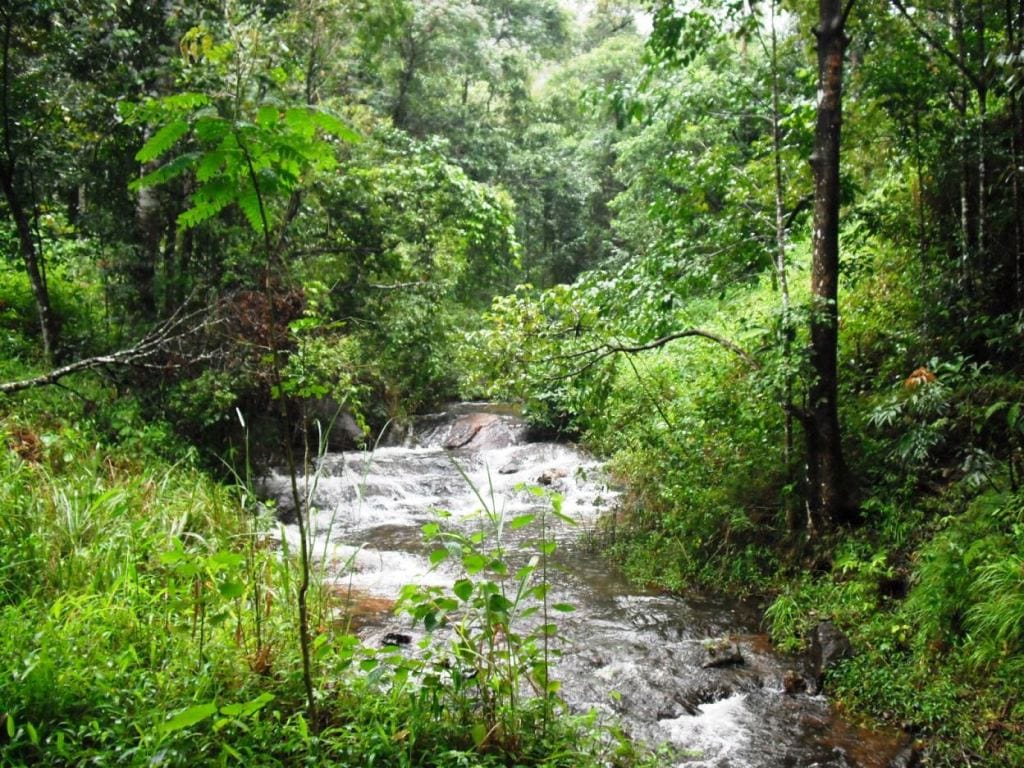
Tucked away in the picturesque corners of Kerala, the Silent Valley National Park is a treasure trove of biodiversity, boasting a tropical rainforest that’s one of India’s most untouched ecosystems. You might be surprised to know that this park was once at the center of a heated environmental debate in the 1970s, when a proposed hydroelectric project threatened to disrupt its delicate balance.

The park’s unique name is rooted in its distinct characteristic – the absence of cicada sounds that typically fill tropical forests. As you explore this ecological haven, you’ll discover a rich history, diverse wildlife, and a triumphant conservation story that has preserved this natural wonder for future generations.
Key Takeaways
- Discover the pristine ecological treasure of Silent Valley National Park
- Learn about the park’s unique name and its fascinating story
- Explore the rich biodiversity and rare species found in the park
- Understand the conservation efforts that have preserved this natural wonder
- Uncover the history and mythology associated with the park
Discovering the Pristine Beauty of Silent Valley

You’re on the cusp of an adventure as you explore Silent Valley, a haven of pristine natural beauty. Nestled in the heart of Kerala, this national park is a treasure trove of biodiversity, featuring lush forests, rich wildlife, and the serene Kunthi River.
Why is it Called the Silent Valley?
The name “Silent Valley” is derived from the absence of the typical cicada sounds that are common in many tropical forests. The absence of these sounds creates an eerie silence, making it a unique destination for nature enthusiasts. The name was reportedly coined in 1847, and it has since become a subject of interest among visitors and locals alike.
Historical Significance and Conservation Story
Silent Valley is not just a natural wonder; it also holds historical significance. The area is believed to be the refuge of Draupadi and the Pandavas during their exile, as mentioned in the ancient Indian epic, the Mahabharata. The conservation efforts that saved this valley from a hydroelectric dam project in the 1970s are a testament to the power of environmental activism. Declared a national park in 1984, Silent Valley is part of the Nilgiri Biosphere Reserve and was recognized as a UNESCO World Heritage Site in 2012 as part of the Western Ghats.
Some key highlights of Silent Valley include: – The origin of its name, which is attributed to the absence of cicada sounds. – The historical connection to ancient Indian mythology through the name “Sairandhrivanam.” – The successful conservation efforts that saved the valley from destruction. – Its status as a UNESCO World Heritage Site, underscoring its global ecological importance. – The preservation of ancient flora and fauna, making it one of India’s significant environmental success stories.
Silent Valley Kerala: Location and Geography

Nestled in the heart of Kerala, Silent Valley National Park is a treasure trove of natural beauty. Located in the Nilgiri Hills of the Western Ghats, it spans across the Palakkad and Malappuram districts.
Silent Valley Located in Which State
Silent Valley National Park is located in the state of Kerala, India. It is a part of the Western Ghats, a biodiversity hotspot known for its rich ecological diversity.
Silent Valley Kerala Distance from Major Cities
You can reach Silent Valley National Park from major cities in Kerala and neighboring states. It is approximately 180km from Kochi, which has an international airport, and about 160km from Coimbatore in Tamil Nadu.
Geographical Features and Climate
The park’s geography is characterized by steep escarpments and continuous high ridges, creating a unique ecosystem. The Kunthippuzha River flows through the valley, adding to the mesmerizing landscape. The climate is pleasant, with temperatures ranging from approximately 20°C to 35°C throughout the year, making it an ideal destination for nature lovers.
The Silent Valley National Park is a tropical rainforest with one of India’s last extensive stretches of tropical evergreen forests. Its strategic location within the Western Ghats biodiversity hotspot has contributed to its unique ecological development.
Biodiversity and Wildlife Treasures
As you step into Silent Valley National Park, you’re immediately immersed in a world teeming with biodiversity. This national park is a haven for nature lovers and wildlife enthusiasts alike.
What is Silent Valley Kerala Famous For?
Silent Valley Kerala is famous for its incredible biodiversity and rich wildlife. The park is home to a vast array of species, including many that are endemic to the Western Ghats. The Lion-tailed Macaque, an iconic and endangered primate, is one of the park’s most prominent residents.
Flora and Fauna Diversity
The flora and fauna diversity in Silent Valley is truly astounding. The forest is a botanist’s paradise, with nearly 1,000 species of flowering plants, 107 species of orchids, and numerous other plant species. The fauna is equally diverse, with 34 species of mammals, 292 species of birds, and 500 species of butterflies and moths.
| Category | Number of Species |
|---|---|
| Flowering Plants | 1,000 |
| Orchids | 107 |
| Mammals | 34 |
| Birds | 292 |
| Butterflies and Moths | 500 |
The Lion-Tailed Macaque and Other Endangered Species
The Lion-tailed Macaque is not only a symbol of Silent Valley but also an endangered species that requires conservation efforts. Other endangered species found in the park include the Nilgiri langur and the Malabar giant squirrel. The park’s diverse ecosystem provides a safe haven for these and many other species.
“The preservation of biodiversity is crucial for maintaining the health of our planet, and Silent Valley National Park is a shining example of conservation efforts.”
Planning Your Visit to Silent Valley
To experience the beauty of Silent Valley, you need to plan your visit during the ideal season. The Silent Valley National Park is a treasure trove of biodiversity, and timing your visit correctly can make all the difference in your experience.
Best Time to Visit Silent Valley
The best time to visit Silent Valley National Park is between December and February. These months offer pleasant weather, ideal for trekking and wildlife observation. The period from December to April is also suitable, as the park is lush and landscapes are picturesque. Avoid visiting during the monsoon season due to heavy rains and potential access difficulties.
Silent Valley Kerala Ticket Price
The entry fee for Silent Valley National Park is ₹50 per adult. Additional services like jeep safaris are available for ₹1600 for up to five passengers, which includes guided exploration. The park operates from 10:00 AM to 5:00 PM, Monday through Saturday, and is closed on Sundays and during peak summer months (March to May).
How to Get Permission to Visit Silent Valley
To visit Silent Valley National Park, you must obtain permission from either the Assistant Wildlife Warden’s office at Mukkali or the Wildlife Warden’s office at Mannarkad. Entry is permitted from 8:00 AM to 1:00 PM. It’s essential to plan ahead and secure your permission in advance to ensure a smooth visit.

How to Reach Silent Valley National Park

You have several convenient ways to get to Silent Valley National Park, depending on your starting location. The park is accessible by air, train, and road, offering flexibility for travelers.
By Air: Nearest Airports
The nearest airports to Silent Valley National Park are Cochin International Airport (180km away), Coimbatore International Airport in Tamil Nadu (160km away), and Kozhikode International Airport. Coimbatore International Airport is a preferred choice for travelers from Tamil Nadu.
By Train: Nearest Railway Stations
If you prefer train travel, the nearest railway station is Palakkad Junction Railway Station, approximately 60km from the park. Regular taxi and bus services are available from the station to Mukkali, the park’s base camp.
By Road: Routes and Transportation
Silent Valley National Park has a comprehensive road network. You can reach Mukkali via Palakkad (60km away) or Mannarkkad (20km away). Regular bus services are available from major Kerala cities like Kochi or Thiruvananthapuram to Palakkad and Mannarkkad, from where you can arrange private transportation.
Exploring Silent Valley: Activities and Attractions
The Silent Valley National Park in Kerala offers an unparalleled opportunity to connect with nature in its purest form. As you explore this pristine destination, you’ll be treated to a myriad of experiences that showcase its natural beauty and biodiversity.
Trekking and Nature Walks
You’ll experience the true essence of Silent Valley through guided trekking expeditions, with the popular 23km journey from Mukkali to Sairandhri taking you through diverse ecosystems. This trek is a must-do to witness the untouched beauty of the valley.
Kunthi River and Waterfalls
The mesmerizing Kunthi River offers serene spots for contemplation and photography. Its crystal-clear waters create a perfect backdrop for experiencing the valley’s tranquil atmosphere.
Nearby Attractions and Day Trips
Beyond Silent Valley, you can extend your nature expedition to nearby destinations like Attappadi Hills with its tribal villages or plan a trip to Munnar’s famous tea plantations. Eco-tourism packages are available, offering immersive experiences including guided nature walks and overnight stays.
- Explore the forest watchtower at Sairandhri for panoramic views.
- Take a guided trail to Bommiyampadi for an exciting exploration.
- Enjoy eco-tourism packages for a deeper connection with nature.

Practical Information for Visitors
As you plan your visit to Silent Valley National Park, it’s essential to be aware of the guidelines that ensure a safe and enriching experience. The park is home to ethnic tribes like the Irulas, Kurumbas, Mudugas, and Kattunaikkars, who have lived here since time immemorial. To visit, you must obtain permission from the Assistant Wildlife Warden’s office at Mukkali or the Wildlife Warden’s office at Mannarkad.
Key guidelines to keep in mind: Respect the indigenous communities and their traditional knowledge. Adhere to park regulations, including prohibitions on plastic and noise restrictions. Carry essentials like water, insect repellent, and rain protection. Consider staying in nearby towns like Mannarkkad or Palakkad for a more comfortable experience. By following these guidelines, you’ll help preserve the delicate ecosystem of Silent Valley.
FAQ
What is the significance of the Nilgiri Biosphere Reserve?
The Nilgiri Biosphere Reserve, where Silent Valley is located, is a UNESCO-designated biosphere reserve that protects a vast array of flora and fauna, including many endangered species.
What are the must-see attractions near Silent Valley?
You can explore the nearby attractions like the Kunthi River, waterfalls, and other scenic spots, making your trip to Silent Valley a memorable experience.
How can I get to Silent Valley from Coimbatore International Airport?
You can hire a taxi or take a bus from Coimbatore International Airport to reach Silent Valley, which is approximately 60 km away.
What is the best time to visit Silent Valley?
The best time to visit Silent Valley is from October to May, when the weather is pleasant and ideal for trekking and nature walks.
Are there any guided tours available in Silent Valley?
Yes, you can hire a guide to explore the Silent Valley National Park, which will help you spot the diverse wildlife and understand the ecosystem.
Can I spot the Malabar Giant Squirrel in Silent Valley?
Yes, Silent Valley is home to the endangered Malabar Giant Squirrel, and you may be able to spot it during your visit, especially during the early morning or late evening hours.
What are the rules for visiting Silent Valley?
To protect the fragile ecosystem, visitors are required to obtain permission and follow the rules and regulations set by the forest department.
Can I trek in Silent Valley?
Yes, trekking is one of the popular activities in Silent Valley, and you can explore the various trekking trails with a guide.
Read more: Attractions



.jpg)
