Nestled in the historic north of Gujarat, Patan is a hidden gem that combines ancient glory with authentic cultural charm. With the spectacular stepwell Rani ki Vav — a UNESCO World Heritage Site since 22 June 2014 — Patan offers travellers a unique glimpse into India’s medieval water-engineering and architectural splendour. Whether you’re weaving through lanes where the famed Patola sarees are made, discovering heritage temples and tanks, or simply savouring a Gujarati thali, Patan promises an enriching experience for domestic and international visitors alike.

Quick Snapshot
| Category | Details |
|---|---|
| Best time to visit | October to March – pleasant weather, clear skies |
| How to reach | Nearest major airport: Ahmedabad (~125 km) |
| Must-do | Visit Rani ki Vav, explore Patola weaving, heritage temples, local food |
| Budget | Budget to mid-range friendly; many guesthouses, local transport |
| Safety | Generally safe for travellers; basic common-sense required |
Why Visit Patan, Gujarat?
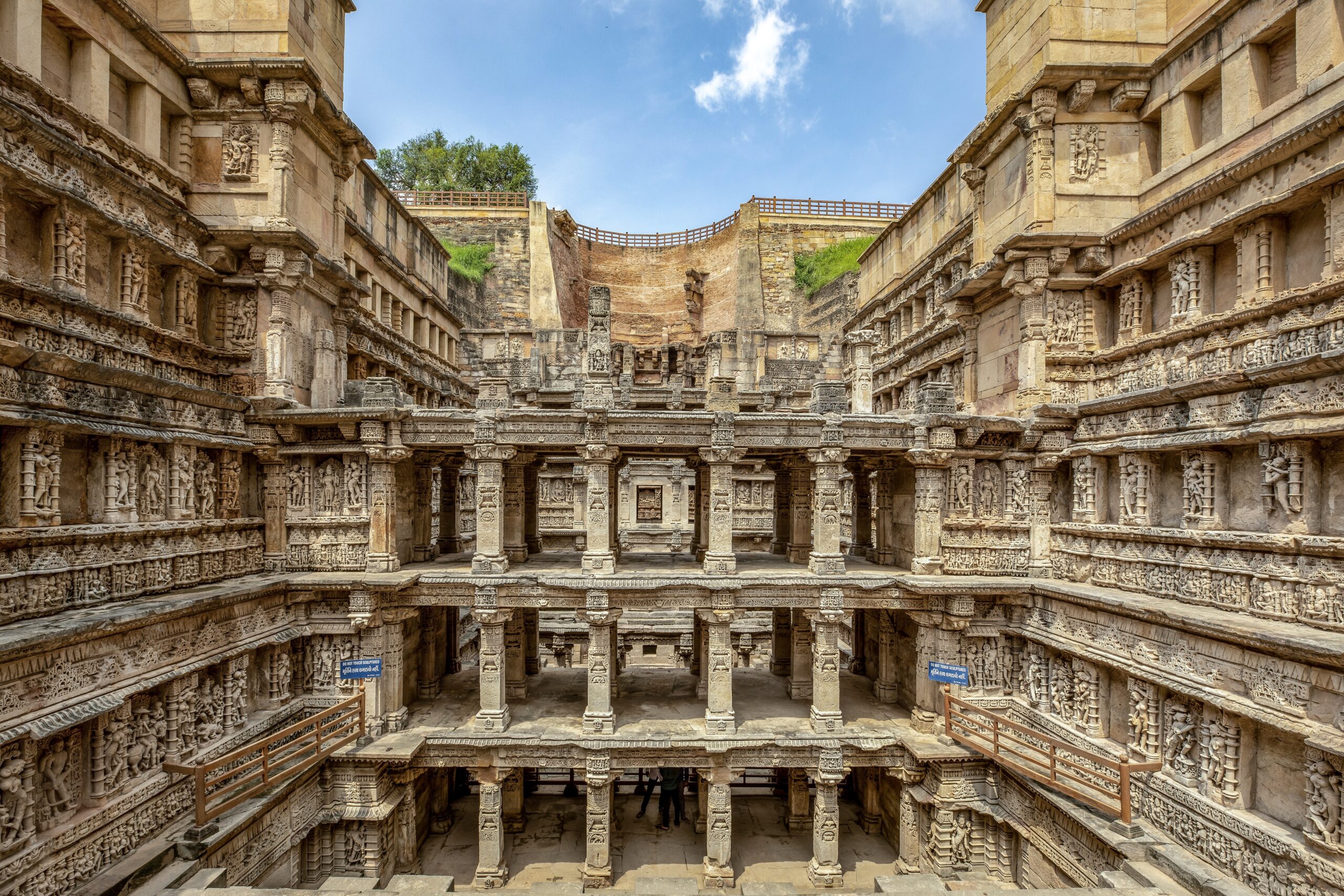
Patan was once known as Anahilpur or Anhilwad Patan, the capital of the Solanki (Chaulukya) dynasty in medieval Gujarat, and thus carries rich layers of history. The city’s architectural legacy is epitomised by the Rani ki Vav – carved with over 500 principal sculptures and more than a thousand minor ones in the Maru-Gurjara style. Also, Patan is famed for its exquisite Patola silk sarees — a weaving tradition that’s nearly unique to the region. For the traveller wanting something off-the-beaten-path yet accessible from major hubs, Patan is ideal — a place where heritage meets authentic local culture, without the heavy tourist crowds of larger cities.
When to Go
Seasonal Breakdown:
- October – March (Winter): Crisp, cool days (typically 15 °C to 30 °C). Comfortable for sightseeing.
- April – June (Summer): Hot, with temperatures often 35 °C+, so mid-day sightseeing may be taxing.
- July – September (Monsoon): Rain brings moderate relief from heat but some sites and roads may be affected; check local advisories.
Note: I couldn’t locate an official monthly temperature/rainfall breakdown specific to Patan district from a government database — travellers should check the Indian Meteorological Department (IMD) or local weather forecasts before travel.
How to Reach
By Air
The nearest major airport is Ahmedabad International Airport (~125 km from Patan) via road.
By Rail
Patan has a railway station. The town is connected by rail to Mehsana and Ahmedabad.
By Road
- From Ahmedabad: ~3.5 hours by intercity bus.
- Patan lies on or near highways linking Mehsana, Himmatnagar and other north-Gujarat towns.
Local Tip
Start early in the morning if coming from Ahmedabad to avoid traffic and to pack more sightseeing into the day.
Where to Stay
Patan offers accommodation options across budget, mid-range and somewhat upscale tiers.
- Budget: Guesthouses and simple hotels around the old town, ideal for backpackers or budget travellers.
- Mid-range: Comfortable hotels with air-con, breakfast included; convenient for 1-2 night stays.
- Luxury: Fewer large luxury resorts in Patan itself, so travellers seeking luxury might stay in Ahmedabad and do a day-trip (though staying in Patan enhances the experience).
For example, the district website lists tourist-hotel links for Patan.
When booking, check distance from the main attractions (Rani ki Vav and the old town) to maximise sightseeing time.
Top Attractions & Experiences
Rani ki Vav

This grand stepwell, built in 1063 CE by Queen Udayamati in memory of King Bhimdev I, is located on the banks of the Saraswati River. It is structured as an inverted temple, with seven levels of stairs, and exceptionally well-preserved sculptural panels. Visiting hours: 9 am-5 pm (according to Gujarat Tourism) Gujarat Tourism
Patola Weaving & Heritage Museum

Patan is world-famous for its Patola silk sarees, hand-woven with very intricate patterns. Some pieces take 4–6 months to complete. Visiting a weaving workshop (with prior appointment) or the local heritage museum gives a deeper cultural insight.
Sahasralinga Tank

The medieval artificial water tank built under the Chaulukya rule is now in ruins but remains a monument of national importance. A visit gives insight into historic water-management systems.
Other Temples & Heritage Spots
- Panchasara Parshwanath Jain Derasar in Patan district: a notable Jain temple.
- Explore old town lanes for traditional clay toy-making & small artisans. (Cultural insight, less formal citations).
Suggested Itineraries
1-Day Itinerary
- Morning arrival in Patan; check-in hotel.
- Visit Rani ki Vav straightaway (2-3 hrs).
- Lunch in town.
- Afternoon: Patola weaving workshop or museum visit.
- Early evening: stroll old town, local market, dinner.
2-Day Itinerary
Day 1: As above.
Day 2: Visit Sahasralinga Tank, local artisan workshops; maybe short road-trip to nearby village or temple. Depart by late afternoon.
3-Day Itinerary
- Day 1 & Day 2 as above.
- Day 3: Broaden out — explore further spaces in Patan district, engage in local craft experiences, drive to nearby town for a different perspective, spend leisurely pace before departure.
Costs & Budget
| Item | Typical Cost* |
|---|---|
| Accommodation (budget guesthouse) | ~ ₹1,000-1,500/night |
| Mid-range hotel | ~ ₹3,000-5,000/night |
| Local meals (per person) | ~ ₹300-600 |
| Entry to Rani ki Vav | (Check latest; not found verified) |
| Local taxi / auto rides | Depends on distance; negotiate ahead |
*Note: Costs are approximate; no fully official verified amount found for entry fee at time of writing.
Local Transport
Within Patan: autos and rickshaws are common; negotiate or ask meter. For longer day-trips you can hire a car with driver for a half-day or full-day. Buses connect to neighbouring towns but may be slower or less comfortable for short-term tourists.
For more details on transport and safety contacts, see local travel-tips.
Food & Drink
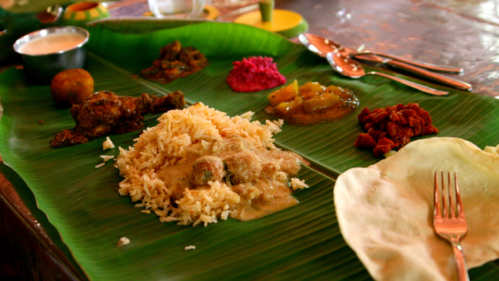
Enjoy Gujarati thali (vegetarian), local snacks like dhokla, khakhra, fafda. In Patan you may find family-run eateries serving fresh local food. For craft-loving travellers, combine food visit with Patola-shop visits.
Hygiene tip: Choose places with good foot-fall; drink bottled or boiled water.
Safety, Health & Permits
Patan is generally tourist-friendly. Basic precautions:
- Keep an eye on local weather (heavy rains may affect roads).
- Health: ensure you carry insect repellent, basic medicines.
- Permits: No special permit noted for foreign tourists to Patan’s regular sites.
- Emergency contacts: General helpline “112”, police “100”, Ambulance “102”.
Packing List & Tips
Must-pack:
- Lightweight cotton clothes for day; a jacket for cooler evenings (Oct-Mar).
- Comfortable walking shoes (especially for stepwell and old-town lanes).
- Sunhat, sunglasses, sunscreen.
Cultural notes: - Respect temple dress codes: cover shoulders, knees.
- For Patola workshop visits, photography may or may not be allowed — ask permission.
Responsible Travel & Sustainability
- Respect local heritage: Don’t climb on sculptures at Rani ki Vav or other monuments.
- Support local artisans: When buying Patola sarees or crafts, ask about authenticity and value—but avoid bargaining to the point of undercutting craft wages.
- Avoid plastic bags and single-use plastics where possible — Gujarat has strong plastic-restriction norms under state-tourism policy.
Top FAQs
Q1: How many days are enough to visit Patan?
A: A well-planned 1-2 days can cover major attractions in Patan; if you want a relaxed pace and craft interaction, consider 3 days.
Q2: What is Patan Gujarat famous for?
A: It is famous for Rani ki Vav (a UNESCO site), Patola silk sarees, historic temples and its medieval capital heritage.
Q3: Is Patan suitable for family trips or kids?
A: Yes — the stepwell offers large open spaces and photo-ops; local craft workshops can engage older children; just keep sun-and-heat considerations in mind.
Q4: What is the best time to visit Patan?
A: Between October and March for comfortable weather and clear skies.
Q5: How to reach Patan from Ahmedabad?
A: By bus or car: it takes around 3.5 hours from Ahmedabad to Patan by road.
Q6: Are there any permit requirements for tourists in Patan?
A: No special permit noted for major attractions. Always reconfirm with official tourism office if you plan unusual activities.
Q7: What should I pack for Patan?
A: Comfortable shoes, sunscreen, lightweight daylight clothes, modest evening attire; in summer bring extra water and plan excursions early morning.
Conclusion
Patan, Gujarat is a destination where heritage, culture and craftsmanship converge — making it an excellent choice for travellers seeking more than just the usual tourism stop. Whether you’re captivated by the sculptural grandeur of Rani ki Vav, curious about the weaving of Patola sarees, or simply eager to experience a less crowded side of western India, Patan delivers.
Plan ahead, pick a comfortable season, support local artisans, and you’ll leave with deeper memories than most typical city tours. Happy travels — and safe journey!
Read more: Attractions