Imagine standing at the roof of Arunachal Pradesh, surrounded by breathtaking panoramic views and serene natural beauty. Mayudia Pass, nestled in the Eastern Himalayas, is a hidden snow paradise that promises an unforgettable journey. Located about 56 km away from Roing, this magnificent mountain pass stands at 2,655 meters above sea level.

The name “Mayudia” is derived from the Idu-Mishmi words “Mayu” and “Dia,” meaning “Peak of the Mayu Mountain.” As you plan your visit, you’ll want to know the best time to experience the heavy snowfall or enjoy the lush green landscapes during summer. Whether you’re an adventure seeker or a nature enthusiast, Mayodia Pass is a must-visit destination.
Key Takeaways
- Discover the breathtaking panoramic views and serene natural beauty of Mayodia Pass.
- Learn about the fascinating etymology of Mayodia Pass and its strategic importance.
- Understand the best time to visit Mayodia Pass for heavy snowfall or lush green landscapes.
- Explore the pass as a vital link between the Dibang Valley and Lohit Valley regions.
- Plan your trip to Mayodia Pass, a year-round attraction for nature enthusiasts and adventure seekers.
Discovering Mayudia Pass: Arunachal Pradesh’s Hidden Snow Paradise
As you venture into the uncharted territories of Arunachal Pradesh, you’ll discover the hidden gem of Mayodia Pass. Located in the Lower Dibang Valley district, this pass is a part of the Mishmi Hills in the Eastern Himalayas.
Where is Mayudia Pass Located?
It is situated approximately 56 kilometers away from Roing, a town in Arunachal Pradesh. The pass is surrounded by dense forests teeming with diverse flora and fauna, making it an accessible yet secluded destination in Northeast India.
The Story Behind the Name
The name “Mayudia” is attributed to a Nepali girl named Maya, who vanished in the snow and could not be traced. Locals revere her memory and honor an offering in her name every year.
Mayudia Pass Height and Geographical Significance
It is situated at an elevation of around 2,655 meters above sea level, making it one of the highest motorable passes in the region. The pass serves as a natural boundary and connector between different valleys and cultural regions.
| Location | Elevation | District |
|---|---|---|
| Mishmi Hills, Eastern Himalayas | 2,655 meters | Lower Dibang Valley |
Mayodia Pass is a testament to the natural beauty of Arunachal Pradesh, offering breathtaking views and a unique cultural experience. As you explore this hidden snow paradise, you’ll be immersed in the rich heritage of the region.
What Makes Mayudia Pass Unique
It nestled in the heart of the Eastern Himalayas, is a destination like no other. Surrounded by the majestic mountains on one side and the Dehing Patkai Mountain Range on the other, this pass is a land of breathtaking beauty.
The Eastern Himalayan Beauty
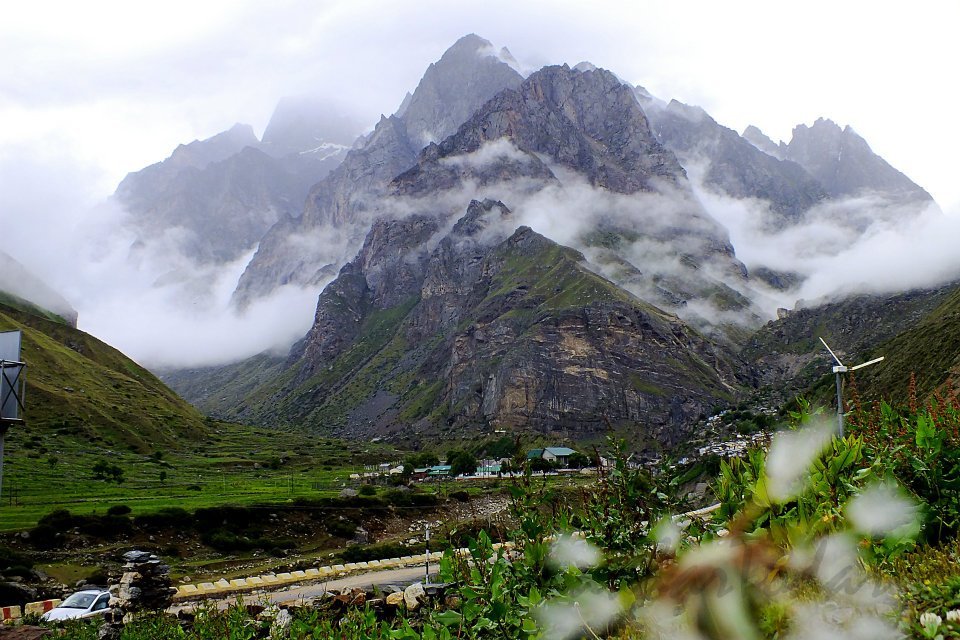
The unparalleled beauty of Mayodia Pass is characterized by its snow-capped peaks and verdant valleys, creating a visual spectacle that changes with each season. You can marvel at the unmatched Eastern Himalayan beauty that defines this pass, a true marvel of nature.
Flora and Fauna of the Region
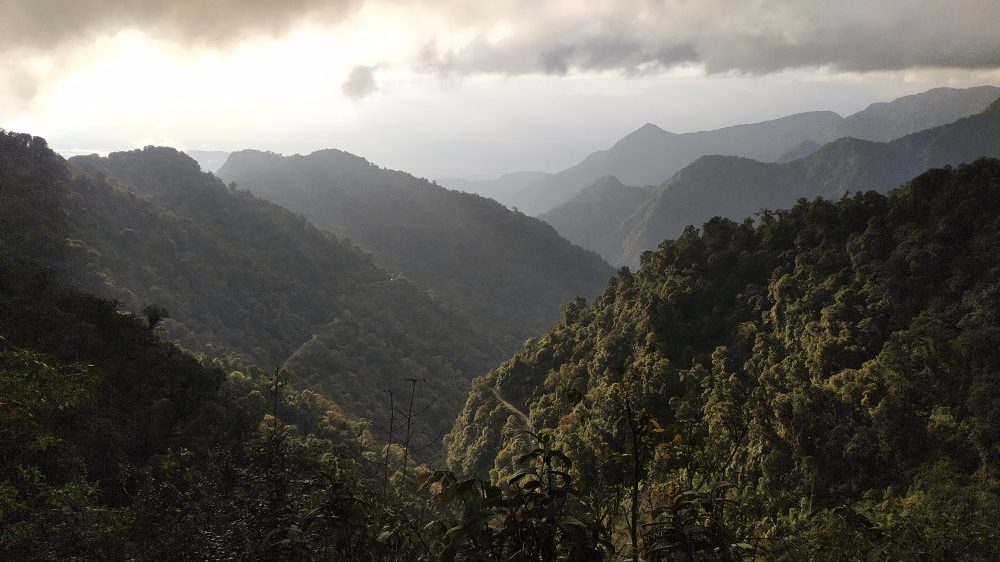
The unique geographical position of Mayodia Pass between the Eastern Himalayas and the Dehing Patkai Mountain Range creates a special microclimate that supports diverse ecosystems. You can discover the rich biodiversity of the region, home to numerous endemic plant species, rare medicinal herbs, and a variety of wildlife that thrives in this pristine environment.
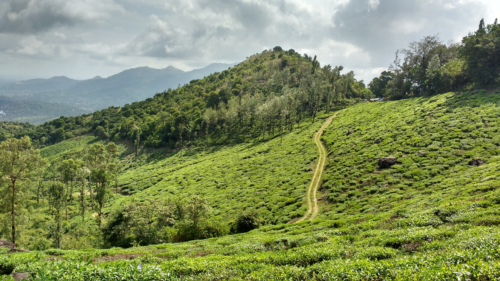
- Experience the lush green landscapes that surround Mayodia Pass.
- Explore the diverse flora and fauna that make this region unique.
Strategic Importance of Mayudia Pass
It holds strategic importance as it connects the Dibang Valley region with the Lohit Valley region of Arunachal Pradesh. The pass plays a crucial role in facilitating transportation and trade between these two regions, especially for local communities residing in the remote mountainous areas.
Cultural Significance to Local Tribes
The pass is also significant to local Idu-Mishmi and other tribal communities, who have incorporated this natural landmark into their traditions, folklore, and seasonal migration patterns for generations. You can learn about the cultural significance of Mayodia Pass and its importance to the local tribes.
In conclusion, Mayodia Pass is a unique destination that offers a blend of natural beauty, strategic importance, and cultural significance. As you plan your visit to this breathtaking pass, you can look forward to experiencing the best of what Arunachal Pradesh has to offer.
Best Time to Visit Mayudia Pass
As you plan your trip to Mayodia Pass, understanding the best time to visit is crucial for a memorable experience. Located in the Dibang Valley District, Mayodia Pass offers a diverse range of experiences across different seasons, making it a year-round destination for tourists.
Winter Season (November-March)
Winter is the peak tourist season at Mayodia Pass, with heavy snowfall transforming the landscape into a winter wonderland. The snowfall typically starts in November and continues until March, with the heaviest snowfall occurring between January and February. This period is ideal for snow activities and photography against the backdrop of the Eastern Himalayas.

Mayudia Snowfall Time: What to Expect
During the winter months, Mayodia Pass receives significant snowfall, with accumulation reaching several feet. The snowfall time is a major attraction, drawing tourists from various places. You can expect a serene and peaceful environment, with the snow-covered peaks offering breathtaking views.
Summer Season (April-June)
The summer season, from April to June, offers a different charm at Mayodia Pass. With clear skies and moderate temperatures ranging from 15°C to 25°C, it’s an ideal time for sightseeing and outdoor activities. The melting snow reveals lush meadows dotted with wildflowers, adding to the pass’s beauty.
Monsoon Season (July-September)
The monsoon season brings a unique beauty to Mayodia Pass, with the landscape turning intensely green. However, the road conditions become unpredictable due to rainfall and occasional landslides. Visiting during this time requires careful planning and preparation.
In conclusion, Mayodia Pass is a destination that offers something unique in every season. Whether you’re looking for a winter wonderland, a summer of adventure, or the lush green landscapes of monsoon, Mayodia Pass has something for every kind of traveler. Plan your visit according to your preferences to make the most of your journey.
How to Reach Mayudia Pass
The journey to the Pass is as thrilling as the destination itself, with stunning landscapes to enjoy. Located in the Dibang Valley District of Arunachal Pradesh, It is a hidden gem that requires some planning to reach.
Nearest Airports and Railway Stations
The nearest airport to Mayodia Pass is Dibrugarh Airport in Assam, which serves as a primary gateway to this remote Himalayan destination. You can also arrive at Tinsukia Railway Station, another key access point.
Roing to Mayudia Pass: Road Journey
The road journey from Roing to Mayodia Pass is approximately 56 kilometers, offering breathtaking views of the surrounding mountains. The winding road requires careful driving, especially during winter months when snow and ice can make travel challenging.
Distance from Key Locations
Understanding the distances from key locations can help you plan your trip.
Tinsukia to Mayudia Pass Distance
The distance from Tinsukia to Mayodia Pass is approximately 150 kilometers.
Tezu to Mayudia Pass Distance
Tezu to Mayudia Pass is around 120 kilometers.
Dibrugarh to Mayudia Pass Distance
Dibrugarh to Mayudia Pass is about 180 kilometers, involving a crossing of the Dhola-Sadiya Bridge.
Required Permits and Documentation
Before visiting Mayudia Pass, ensure you have the necessary documentation, including the mandatory Inner Line Permit (ILP) required for all visitors to Arunachal Pradesh.

Places to Stay and Explore Near Mayudia Pass
With its serene landscapes and rich cultural heritage, the area around Mayudia Pass is replete with opportunities for both relaxation and exploration. As you visit this breathtaking destination in Arunachal Pradesh, you’ll discover a range of options to make your trip truly unforgettable.
Hotels Near Mayudia Pass

For those looking to stay near Mayudia Pass, options like Mibo Homestay, Mito Homestay, and 4 Season Stay in Roing offer comfortable accommodations with a touch of local hospitality. These homestays are perfect for travelers seeking an authentic experience in the Dibang Valley district.
Top Attractions Around Mayudia Pass
The region around Mayudia Pass is dotted with incredible attractions that showcase the natural beauty and cultural richness of Arunachal Pradesh. Here are some must-visit places:
Mehao Wildlife Sanctuary
Spanning altitudes from 900 to 3500 meters, the Mehao Wildlife Sanctuary is a haven for wildlife enthusiasts, with species like the takin, hoolock gibbon, and red panda.
Bhismaknagar Fort
This 12th-century fort is one of Arunachal Pradesh‘s oldest archaeological sites, housing numerous artifacts that tell the story of the region’s rich cultural past.
Mehao Lake
Located in the Lower Dibang Valley district, Mehao Lake is a picturesque natural lake formed by the Dibang River, attracting nature lovers and photographers alike.
Roing Town
As the district headquarters of Lower Dibang Valley, Roing Town offers a glimpse into the traditional way of life of the Adi and Mishmi tribes, amidst modernization.
Conclusion
If you’re looking for a unique adventure, Mayudia Pass in Arunachal Pradesh is the perfect destination, offering a mix of natural splendor and cultural immersion. This hidden gem transforms with the seasons, from a snow-covered wonderland in winter to a lush paradise in summer. As you visit Mayudia Pass, you’ll experience the warm hospitality of local communities and the rich biodiversity of the region. Plan your trip thoughtfully, considering the best time to visit and necessary permits. Mayudia Pass is more than just a geographical landmark; it’s a symbol of Arunachal Pradesh’s pristine beauty and a vital link between communities.
Read more: Arunachal Pradesh
FAQ
The best time to visit Mayudia Pass is during winter (November to March) for heavy snowfall or in summer (April to June) for lush green landscapes.
The nearest airport is Tezu, and the nearest railway station is Tinsukia. From Roing, you can take a road journey to Mayudia Pass.
Mayudia Pass is situated at a high altitude, making it a breathtaking destination amidst the Eastern Himalayas.
Yes, visitors need to obtain necessary permits and documentation before heading to Mayudia Pass, as it is located in a sensitive border area.
You can explore the Dibang Wildlife Sanctuary and enjoy the scenic beauty of the surrounding landscapes.
Yes, Mayudia Pass offers opportunities for trekking and experiencing the thrill of being in a snow-covered paradise.