Imagine embarking on a journey through the heart of the Himalayas, surrounded by majestic mountains and serene alpine lakes. The Kashmir Great Lakes Trek is an adventure that attracts thousands of trekkers every year, offering breathtaking views and an unforgettable experience.

You are about to undertake a moderate to difficult trek that takes you through some of the most stunning landscapes in the Kashmir Himalayas. Understanding the difficulty level and cost associated with this trek is crucial for proper preparation.
Key Takeaways
- Understand the difficulty level of the Kashmir Great Lakes Trek to prepare adequately.
- Get a clear breakdown of the costs associated with the trek.
- Learn how to budget effectively for this Himalayan adventure.
- Discover the unparalleled beauty of alpine lakes and meadows.
- Prepare for a life-changing experience in the Kashmir Himalayas.
The Majestic Kashmir Great Lakes Trek: An Overview
The Kashmir Great Lakes trek is an adventure like no other, taking you through some of the most beautiful and serene lakes in the region. As you embark on this journey, you’ll be surrounded by the majestic beauty of the Himalayas, with crystal-clear waters reflecting the grandeur of the snow-capped peaks.
What Makes the Kashmir Great Lakes Trek Special
The Kashmir Great Lakes trek stands out for its breathtaking views of high-altitude lakes and alpine meadows. You’ll traverse through lush green valleys and witness the pristine beauty of the surrounding landscape. The trek is a visual feast, with each day presenting a new and unique landscape.
As you journey through the trek, you’ll encounter a variety of flora and fauna, adding to the richness of the experience. The trek’s unique blend of natural beauty and serene landscapes makes it a must-visit destination for nature lovers and adventure seekers alike.
The Alpine Lakes You’ll Encounter
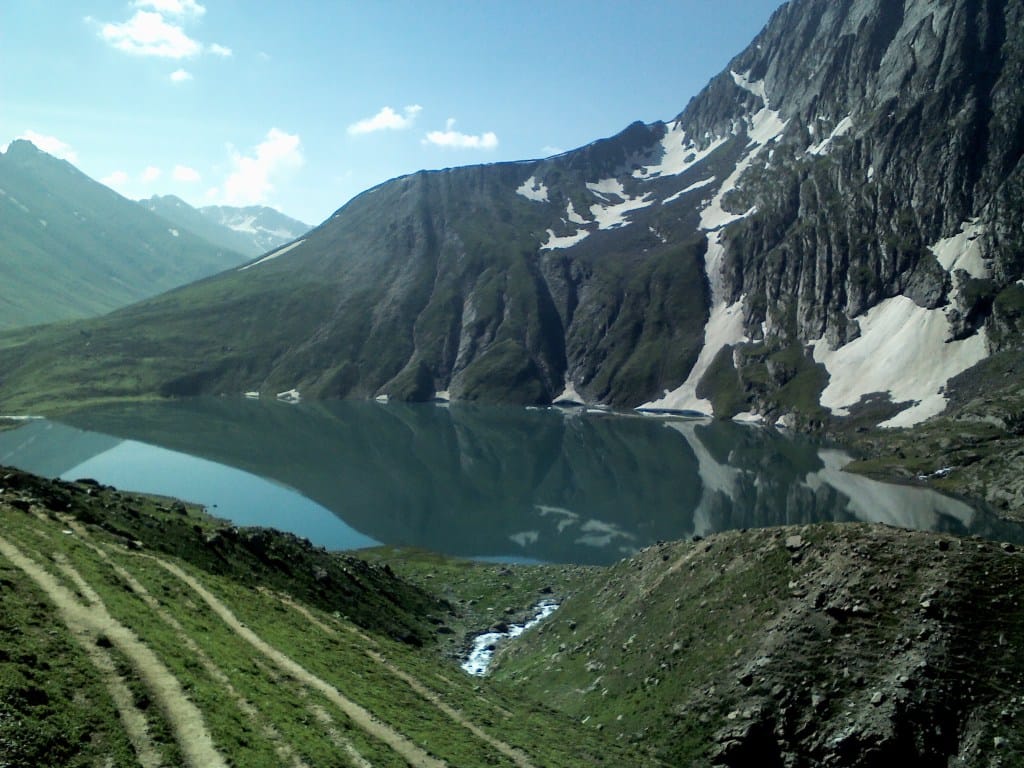
One of the highlights of the Kashmir Great Lakes trek is the opportunity to witness some of the most stunning alpine lakes in the region. You’ll visit Vishansar Lake, known for its emerald waters that reflect the surrounding mountains in perfect symmetry. Krishnasar Lake, located just above Vishansar, offers a breathtaking panorama that will leave you speechless.
Further along the trek, you’ll marvel at the magnificent Gadsar Lake, often considered the most beautiful of all the lakes, with its unique blue-green water surrounded by wildflowers during the summer months. The twin lakes of Gangabal and Nundkol, nestled at the foot of Mount Haramukh, create an almost mystical atmosphere, showcasing the diversity and beauty of the region’s lake ecosystems.
Each lake has its own distinct character, color, and surrounding landscape, making every day of the trek a new visual feast for your senses. The experience of witnessing these lakes up close is truly unforgettable, leaving a lasting impression on your mind.
Difficulty Level of Kashmir Great Lakes Trek
Understanding the difficulty level of the Kashmir Great Lakes Trek is crucial for a successful journey. This trek is not for the faint of heart; it demands a certain level of physical fitness and mental toughness. As you prepare for this adventure, it’s essential to assess the challenges you’ll face on the trail.

Physical Fitness Requirements
The Kashmir Great Lakes Trek requires a good level of physical fitness due to its high altitude and demanding daily distances. Trekkers should be prepared for long days of walking, often on uneven terrain. A basic level of cardiovascular fitness is necessary, which can be achieved through regular exercise such as running, cycling, or swimming.
It’s also important to build up your endurance by incorporating strength training into your workout routine. This will help you navigate the challenging terrain with more ease.
Technical Challenges on the Trail
While the Kashmir Great Lakes Trek is considered non-technical, there are still challenges that trekkers need to be aware of. Ascending and descending steep mountain trails require careful footing and balance. Trekkers should also be prepared for variable weather conditions, including snow and ice, which can make the trail more hazardous.
Basic knowledge of mountain safety and first aid is beneficial. Understanding how to use trekking gear such as crampons and trekking poles can also be helpful.
Is Kashmir Great Lakes Trek Suitable for Beginners?
The Kashmir Great Lakes Trek is not recommended for absolute beginners due to its moderate difficulty level, high altitude, and demanding daily distances. However, first-time trekkers who are exceptionally fit and determined can attempt this trek with proper guidance. It’s advisable for beginners to gain experience on easier treks before attempting this more challenging adventure.
Joining a reputable trekking company can provide the necessary support and guidance for beginners. Prior trekking experience helps you understand how your body responds to altitude and exertion, making the Kashmir Great Lakes experience more enjoyable.
Kashmir Great Lakes Trek Distance and Duration

As you prepare for the Kashmir Great Lakes Trek, understanding its distance and duration becomes crucial for a well-planned adventure. The trek is not just about the destination; it’s about the journey, the landscapes you traverse, and the experiences you gather along the way.
Day-by-Day Distance Breakdown
The Kashmir Great Lakes Trek spans approximately 45-48 kilometers over 6-7 days. Here’s a breakdown of what you can expect:
The trek is carefully paced to allow trekkers to acclimatize and enjoy the stunning landscapes. Each day’s journey is designed to be manageable, with campsites that offer breathtaking views.
- Day 1: Sonamarg to Nichnai (9-10 km)
- Day 2: Nichnai to Vishansar (12-13 km)
- Day 3: Vishansar to Gadsar (10-11 km)
- Day 4: Gadsar to Gangabal (8-9 km)
- Day 5: Gangabal to Naranag (12-13 km)
- Day 6: Naranag to Sonamarg ( variable, as it’s a return journey)
This breakdown helps trekkers understand the daily challenges and plan accordingly.
Total Trek Length and Time Required
While the trek itself is 6 days long, it’s advisable to plan for a total of 8-9 days for your trip. This includes travel days to and from Srinagar, acclimatization time, and a recommended buffer day for weather contingencies.
Buffer Day: Keeping a buffer day is crucial for emergencies such as bad weather, landslides, or political situations. If not used, this day can be utilized for sightseeing in Srinagar.
Understanding the total time required helps in planning a stress-free journey.
Complete Itinerary for the Kashmir Great Lakes Trek
As you prepare for the Kashmir Great Lakes Trek, understanding the day-to-day itinerary is essential for a smooth and enjoyable experience. The trek is a breathtaking adventure that takes you through some of the most beautiful landscapes in the Himalayas.
Day 1-2: Reaching Sonamarg and Acclimatization
Your journey begins with reaching Sonamarg, a picturesque valley that serves as the base camp for the trek. You will spend the first couple of days acclimatizing to the altitude, which is crucial for a safe and successful trek. During this time, you can explore the surroundings, enjoy the local cuisine, and get familiar with the trekking gear.
Acclimatization is key to avoiding altitude sickness. The initial days are designed to help your body adjust to the high altitude, ensuring you’re ready for the challenges ahead.
Day 3-5: The Heart of the Trek
From Day 3 to Day 5, you’ll embark on the core trekking segment, navigating through lush forests, crossing streams, and ascending to higher altitudes. The trail offers breathtaking views of the surrounding mountains and valleys, making every step a rewarding experience.
The weather conditions can be unpredictable, and it’s essential to be prepared for sudden changes. Your guides will help you navigate through challenging sections, ensuring your safety throughout the trek.
Day 6-7: Final Stretch and Descent
The final days of the trek involve reaching the highest point and beginning your descent. The views from the top are spectacular, with several alpine lakes and meadows to explore. As you descend, you’ll have the opportunity to reflect on the incredible experiences you’ve had during the trek.
Safety remains a top priority as you descend, with guides assisting you through potentially tricky terrain.
Buffer Day: Why It’s Essential
Including a buffer day in your itinerary is crucial for tackling any unforeseen challenges that may arise during the trek. Whether it’s due to bad weather, landslides, or the need for additional acclimatization, having an extra day can make a significant difference.
- Include a buffer day in your itinerary as essential insurance against unpredictable Himalayan weather.
- Understand that sudden rainfall can make certain sections of the trail slippery and potentially dangerous.
- Recognize that some trekkers may need extra time to acclimatize to the altitude.
- Appreciate that if unused for weather or health reasons, your buffer day becomes a bonus opportunity to explore Srinagar’s cultural attractions.
By incorporating a buffer day, you ensure a more flexible and safe trekking experience, allowing you to enjoy the journey without undue stress.
Best Time to Visit Kashmir Great Lakes

Embarking on the Kashmir Great Lakes trek at the right time can make all the difference between a memorable adventure and a challenging ordeal. The trek’s success largely depends on the weather conditions and your preparedness for the challenges that come with it.
July to September: The Prime Season
The summer months from July to September are considered the prime time for the Kashmir Great Lakes trek. During this period, the weather is generally mild, with daytime temperatures ranging from 15°C to 20°C (59°F to 68°F) at lower altitudes. However, it’s crucial to be prepared for variable conditions, as temperatures can drop significantly at night, often nearing freezing points, especially at higher altitudes.
Trekkers should expect occasional afternoon showers in July and early August, which typically clear quickly. Nonetheless, it’s vital to have proper rain protection for both yourself and your backpack. The trek leaders’ guidance is invaluable during such times, ensuring the safety of all trekkers.
Weather Conditions Throughout the Season
As you ascend to higher altitudes, particularly at Gadsar and Nichnai passes, temperatures drop noticeably, and winds can add a significant chill factor even on sunny days. It’s essential to pack layers that allow you to adjust to changing conditions throughout the day, from cool misty mornings to warm afternoons and cold evenings at high-altitude campsites.
Being aware that weather patterns can change rapidly in the mountains, it’s crucial to be prepared with appropriate gear regardless of forecasts. This preparedness will ensure that you can fully enjoy the breathtaking beauty of the Kashmir Great Lakes trek without being caught off guard by adverse conditions.
Kashmir Great Lakes Trek Cost Breakdown

When embarking on the Kashmir Great Lakes trek, it’s essential to have a clear breakdown of the costs involved. The total cost can vary significantly based on the trek package you choose, additional expenses, and your personal preferences during the trek.
Trek Package Inclusions
Trek packages for Kashmir Great Lakes typically include essential services such as accommodation, meals, trekking permits, and guide services. Budget-friendly packages starting around ₹12,000 ($145) provide basic services, while premium options costing up to ₹25,000 ($300) offer enhanced comfort and smaller group sizes.
When selecting a trek package, consider what’s included. Basic packages usually cover standard camping equipment, vegetarian meals, and a guide. Premium packages, on the other hand, may offer higher quality camping gear, more varied menu options, and more experienced trek leaders who can provide insights into local culture and photography spots.
Additional Expenses to Consider
While trek packages cover many essentials, there are additional expenses to consider. These may include travel to and from the trek starting point, personal trekking gear, and any additional activities or services not covered by the package.
You should also budget for travel insurance, which is crucial for covering unexpected medical or evacuation expenses. Other expenses might include personal medications, tips for guides and porters, and any souvenirs you wish to purchase during your journey.
Budget vs. Premium Trek Options
Choosing between budget and premium trek options depends on your priorities and budget. Budget options, with larger groups (15-20 trekkers), basic vegetarian meals, and standard camping equipment, are cost-effective but may lack some comforts.
Premium packages offer a more personalized experience with smaller groups (8-12 trekkers), better quality food, and more experienced guides. While the core trekking experience remains the same, the differences in group size, food quality, and guide expertise can significantly impact your overall enjoyment of this challenging trek.
Ultimately, investing in a mid-range or premium package can enhance your trekking experience, providing a better balance between cost and comfort. Consider your priorities and choose a package that aligns with your expectations for the Kashmir Great Lakes trek.
Top Trek Operators for Kashmir Great Lakes

The Kashmir Great Lakes trek is a breathtaking adventure, and selecting a reliable trek operator can make all the difference in your experience. With several operators offering packages, it’s crucial to choose one that aligns with your trekking goals and preferences.
TrekUp India: Services and Packages
TrekUp India is a well-known operator that offers comprehensive trek packages for Kashmir Great Lakes. Their team of experienced guides and support staff ensure a safe and enjoyable journey. With a focus on sustainable trekking practices, they provide a responsible tourism experience.
Thrillophilia: Trek Experience and Offerings
Thrillophilia is another reputable operator that offers exciting trek packages, including the Kashmir Great Lakes. Their group sizes are manageable, allowing for a more personalized experience. They emphasize adventure and exploration, making them a great choice for thrill-seekers.
Other Reliable Trek Operators
Besides TrekUp India and Thrillophilia, other operators like India Hikes, Trek the Himalayas, Renok Adventures, and Kashmir Alpine Adventures offer competitive packages and unique experiences. India Hikes is known for its green trails initiative, while Trek the Himalayas offers experienced local guides. Renok Adventures is praised for its excellent campsite locations, and Kashmir Alpine Adventures provides authentic cultural insights.
When choosing a trek operator, consider factors like group size, itinerary, and inclusions to ensure the best fit for your adventure. Researching and comparing these aspects will help you have a memorable trekking experience in the Kashmir Great Lakes.
Planning Your Kashmir Great Lakes Trek from Delhi
Embarking on the Kashmir Great Lakes Trek from Delhi requires meticulous planning to ensure a seamless journey. As you prepare for this adventure, understanding the logistics of traveling from Delhi to Srinagar is crucial.
Travel Options from Delhi to Srinagar
To start your trek, you need to reach Srinagar from Delhi. The most convenient way is by flight, which takes approximately 1.5 hours. Upon arrival, you can spend your day exploring Dal Lake and the Mughal Gardens, acclimatizing to the higher altitude.
Some recommended stay options in Srinagar include Hotel Chinar Inn, Royal Athena Houseboats, and Alhamra Retreats. These provide comfortable accommodations and a chance to enjoy the local culture.
Recommended Itinerary for Delhi Travelers
Here’s a suggested itinerary for trekkers from Delhi:
- Day 1: Fly from Delhi to Srinagar, explore Dal Lake, and acclimatize.
- Day 2: Travel to Sonamarg, attend trek briefing, and prepare equipment.
- Days 3-8: Complete the Kashmir Great Lakes Trek from Sonamarg to Naranag.
- Day 9: Return to Srinagar, with evening free for shopping or relaxation.
- Day 10: Buffer day for contingencies or additional sightseeing, followed by an evening or next morning flight back to Delhi.
It’s essential to keep a buffer day for emergencies, ensuring that your trek is not disrupted by unforeseen circumstances.
By planning your Kashmir Great Lakes Trek from Delhi carefully, you can enjoy a stress-free and memorable adventure.
Essential Gear and Packing List
As you prepare for the Kashmir Great Lakes trek, it’s essential to pack the right gear to ensure a safe and enjoyable journey. The trek demands a thoughtful approach to packing, balancing essentials with the need to travel lightly.
Clothing Requirements for Different Weather Conditions
The Kashmir Great Lakes trek exposes you to a range of weather conditions, from warm sunshine to chilly nights. Layering is key, so pack clothing that can be layered to adjust to changing temperatures. Include breathable base layers, insulating mid-layers, and a waterproof outer layer. Don’t forget warm accessories like hats, gloves, and scarves for colder moments.
For the trek, you’ll need sturdy, waterproof trekking boots, as well as comfortable camp shoes. Quick-drying trekking socks are a must, and consider bringing spare socks for layering or in case the others get wet. Your clothing should be capable of withstanding variable weather, including rain and potential snow.
Trekking Equipment You’ll Need
A well-prepared trekker is equipped with the right gear. Essential trekking equipment includes a sturdy backpack, a sleeping bag rated for cold temperatures, and a comfortable sleeping mat. Trekking poles can be invaluable, especially on uneven or slippery terrain, providing stability and reducing strain on your knees.
A reliable headlamp or torch, along with extra batteries, is crucial for navigating in the dark. You’ll also need a water bottle or hydration bladder, water purification tablets or a filter, and a first-aid kit. A personal locator beacon (PLB) or satellite phone can be a vital safety addition, especially in areas with no cell service.
Personal Medications and First Aid
Your safety and health are paramount. Pack a first-aid kit that includes essentials like bandages, antiseptic wipes, pain relievers, and any medications you may need. If you have specific medical conditions, be sure to bring any necessary medications and inform your trek leader.
Consider including a personal first-aid guide, blister care, and any other items that might be useful in case of minor accidents. Remember, a well-stocked first-aid kit can make a significant difference in managing emergencies.
Documents and Permits Required
Before you set off on the Kashmir Great Lakes trek, ensure you have all the necessary documents. This includes a government-issued photo ID, multiple photocopies of your ID proof for various permits, and a medical certificate stating you’re fit for high-altitude trekking.
- Carry your government-issued photo ID (Aadhar Card, Passport, Driving License) that matches the details provided during trek registration.
- Bring multiple photocopies of your ID proof to submit for various permits required along the route.
- Obtain a medical certificate from your doctor stating you’re fit for high-altitude trekking.
- Keep digital copies of all important documents stored in your phone or email for backup.
- Carry emergency contact information, including your travel insurance details, on a card in your backpack.
By being well-prepared with the right gear and documents, you’ll be able to focus on enjoying the breathtaking beauty of the Kashmir Great Lakes trek.
Accommodation and Facilities During the Trek
As you embark on the Kashmir Great Lakes trek, you’ll find that the accommodation and facilities provided are designed to ensure a comfortable and enjoyable experience. The trek organizers understand the importance of a well-supported trek, and thus, they provide excellent camping arrangements and food provisions.
Camping Arrangements on the Trail
The camping arrangements on the Kashmir Great Lakes trek are carefully planned to provide you with a comfortable resting place after a day’s trek. The trek team sets up camps at designated sites, ensuring that you have a safe and secure place to rest. You’ll be camping in tents that are designed to withstand various weather conditions, and the team will take care of setting up and dismantling the camps. The campsites are usually located near water sources, adding to the serenity of the surroundings.
Food and Water Provisions
The food and water provisions on the Kashmir Great Lakes trek are designed to keep you energized and nourished throughout your journey. On all trek days, you are provided with three full meals (breakfast, lunch, and dinner) in addition to evening snacks and tea. The meals are vegetarian, and the menu is pre-decided for all days of the trek. You can also request eggs on certain days if needed. If you have any specific food-related allergies or restrictions, you can inform the local staff during the trek, and they will accommodate your requests.
- Start your day with a hearty breakfast, typically including porridge, eggs, bread, and hot beverages, to provide energy for the day’s trek ahead.
- Carry packed lunches to enjoy at scenic spots along the trail, usually consisting of energy-dense foods like sandwiches, fruits, nuts, and chocolate.
- Return to camp for evening tea and snacks followed by a substantial dinner featuring rice, dal, vegetables, and occasionally paneer or eggs for protein.
- The trek staff provides boiled drinking water at camps and identifies safe water sources along the trail for refilling during the day’s trek, ensuring you stay hydrated at high altitudes.
“The key to a successful trek is not just the scenery, but also the nourishment and hydration,” says a seasoned trekker.
The right food and water provisions can make all the difference in your trekking experience, providing you with the energy to tackle challenging trails and enjoy the breathtaking views.
Comparing Kashmir Great Lakes with Other Kashmir Treks
The Kashmir Great Lakes trek is a standout adventure in the Himalayas, but how does it compare to other treks in the region? When considering treks in Kashmir, the difficulty level and scenic beauty are crucial factors. The Great Lakes trek, known for its stunning alpine lakes and mountain vistas, is often compared to other challenging treks in the region.
Tarsar Marsar Trek vs. Kashmir Great Lakes
The Tarsar Marsar trek is another popular trek in Kashmir, known for its picturesque lakes and challenging terrain. While both treks offer breathtaking views, they differ in their landscapes and difficulty levels. The Tarsar Marsar trek is considered more challenging due to its rugged terrain and less defined trails. In contrast, the Kashmir Great Lakes trek, while demanding, has a more gradual ascent and better-defined paths.
For trekkers, the choice between these two treks depends on their experience and preferences. If you prefer a more rugged and less crowded trail, Tarsar Marsar might be the better choice. However, if you’re looking for a trek with stunning lakes and relatively better infrastructure, the Kashmir Great Lakes trek is ideal.
Comparison with Other Challenging Himalayan Treks
When comparing the Kashmir Great Lakes trek to other challenging Himalayan treks like Rupin Pass or Goecha La, several factors come into play. These treks share similar difficulty levels, with challenges arising from altitude and variable weather conditions rather than technical difficulties.
The Kashmir Great Lakes trek, however, offers a unique experience with its pristine lakes and less crowded trails compared to some of the more popular Himalayan treks like Nepal’s Everest Base Camp. For many trekkers, the Great Lakes trek hits the sweet spot of being challenging yet accessible.
In conclusion, while the Kashmir Great Lakes trek is moderately difficult, it’s an excellent choice for those looking for a challenging yet rewarding experience in the mountains of Kashmir. Its unique landscapes and relatively less crowded trails make it a standout among other treks in the region.
Physical Preparation for the Kashmir Great Lakes Trek
As you prepare for the Kashmir Great Lakes trek, it’s essential to focus on your physical conditioning to ensure a safe and enjoyable journey. The trek is challenging and requires a good level of fitness to navigate its demanding terrain and high altitudes.
Training Schedule: 2 Months Before the Trek
To prepare yourself for the trek, start a training schedule at least two months in advance. If you can jog or run for 4 kms in 30-35 minutes, you’re on the right track. Once a week, practice running 8 kms in about an hour to improve your endurance. Incorporate resistance workouts like squats, lunges, and push-ups into your routine to build overall strength. Consistency is key; with regular practice, you’ll notice significant improvements in your stamina.
| Training Activity | Frequency | Target |
|---|---|---|
| Jogging/Running | 3 times a week | 4 kms in 30-35 minutes |
| Running | Once a week | 8 kms in 1 hour |
| Resistance Workouts | 2 times a week | Squats, Lunges, Push-ups |
Altitude Sickness: Prevention and Management
Altitude sickness is a significant concern on the Kashmir Great Lakes trek, as it takes you to heights above 13,000 feet where oxygen levels are lower. Understanding the risks and taking preventive measures is crucial for your safety.
- Recognize early symptoms such as headache, nausea, dizziness, fatigue, and loss of appetite. Never ignore these signs.
- Follow the golden rule of high-altitude trekking: ascend slowly to allow your body to acclimatize.
- Stay hydrated by drinking 4-5 liters of water daily, as dehydration can exacerbate symptoms.
- Consider consulting your doctor about prophylactic medication like Diamox (Acetazolamide) to help prevent altitude sickness.
By being aware of the risks and taking proactive steps, you can minimize the impact of altitude sickness and enjoy the trek. Your safety is paramount, and being prepared is the first step towards a successful and enjoyable trekking experience.
Highlights of the Kashmir Great Lakes Trek
Trekking through the Kashmir Great Lakes is like stepping into a postcard, with its crystal-clear lakes and vibrant wildflowers. The trek is a visual spectacle that will leave you in awe of nature’s splendor.
Vishansar and Krishnasar Lakes
The trek begins with a visit to Vishansar Lake, a serene body of water surrounded by lush meadows and towering mountains. As you continue, you’ll encounter Krishnasar Lake, known for its picturesque setting and tranquil atmosphere. These lakes are a perfect spot to acclimatize and soak in the beauty of the Himalayas.
Gadsar Lake and Surrounding Meadows
One of the highlights of the trek is Gadsar Lake, often referred to as the “Lake of Demons.” It’s a mystical place surrounded by pine forests and vibrant meadows filled with wildflowers. The lake’s deep blue waters are a treat to behold, and the surrounding landscape offers ample opportunities for photography and exploration.
Gangabal and Nundkol Twin Lakes
The trek culminates at the Gangabal Lake, situated at the foot of Mount Harmukh, the highest peak in the region. The lake is a sacred site and a popular pilgrimage destination. Nearby, Nundkol Lake offers a serene and peaceful atmosphere, making the twin lakes a must-visit during your trek.
Flora and Fauna Along the Trail
The Kashmir Great Lakes Trek is a haven for wildlife enthusiasts. The region is home to a variety of animals, including the Himalayan black bear, snow leopard, and musk deer. As you trek, you’ll pass through dense pine and birch forests, giving way to alpine meadows filled with a variety of flowers, including edelweiss, gentians, and primulas. The trek offers a unique opportunity to experience the rich biodiversity of the Kashmir Himalayas.
Kashmir Great Lakes Trek Opening Dates and Booking Process
Embarking on the Kashmir Great Lakes trek requires careful planning, starting with understanding when the trek routes open each year. The trekking season is a critical factor in ensuring a safe and enjoyable trekking experience.
When Trek Routes Open Each Year
The Kashmir Great Lakes trek typically opens in late June or early July, when the snow melts and the trails become accessible. This period, extending through September, is considered the best time for trekking due to favorable weather conditions.
It’s essential to plan your trek during this window to avoid the risks associated with early or late-season trekking, such as snow-covered trails and unpredictable weather.
How to Book Your Trek: A Step-by-Step Guide
Booking your Kashmir Great Lakes trek involves several steps to ensure a smooth and enjoyable experience. Here’s a step-by-step guide:
- Research reputable trek operators offering Kashmir Great Lakes expeditions, comparing itineraries, group sizes, inclusions, and reviews from previous trekkers.
- Book your trek 2-3 months in advance, especially if planning to trek during the peak season of July and August.
- Complete the registration process by submitting required documents, including identification proof, medical certificate, and signing the necessary indemnity forms.
- Make your payment according to the operator’s policy, typically involving an initial deposit followed by full payment closer to the trek date.
By following these steps, you can secure your spot on the Kashmir Great Lakes trek and look forward to a memorable experience.
Safety Considerations and Emergency Protocols
Safety is paramount on the Kashmir Great Lakes trek; knowing what to expect and how to respond in emergencies is vital. As you embark on this adventure, understanding the potential risks and having a well-planned emergency response can make a significant difference.
Common Risks and How to Mitigate Them
The Kashmir Great Lakes trek, like many high-altitude adventures, comes with its set of challenges. Altitude sickness is a common risk, and being aware of its symptoms is crucial. To mitigate this, gradual acclimatization is key. Ensuring that your trek itinerary allows for adequate rest days can significantly reduce the risk.
Other risks include unpredictable weather and treacherous terrain. Staying informed about weather forecasts and being prepared with the right gear can help mitigate these risks. Your trek team will also play a crucial role in guiding you through challenging sections and ensuring your safety.
- Understand the emergency evacuation plan, which typically involves stretcher or assisted evacuation to the nearest road head.
- Recognize that serious medical emergencies may require evacuation to Srinagar.
Emergency Evacuation Procedures
In the event of an emergency, having a clear evacuation plan is essential. The Kashmir Great Lakes trek emergency evacuation procedures are designed to respond quickly and effectively. Your trek leaders are trained to handle emergencies and will coordinate with local support teams to ensure a swift response.
| Emergency Type | Response Plan | Support Team |
|---|---|---|
| Altitude Sickness | Gradual descent and medical support | Trek Leaders, Local Guides |
| Serious Medical Emergency | Evacuation to Srinagar | Trek Leaders, Local Ambulance Services |
It’s also crucial to have comprehensive travel insurance that covers high-altitude trekking and emergency evacuations, including helicopter rescue if needed. Understanding the communication protocols used by your trek team, such as satellite phones, can also provide reassurance.
By being aware of the potential risks and having a solid emergency response plan in place, you can enjoy the Kashmir Great Lakes trek with confidence. Trusting your trek leaders and being prepared are key to a safe and successful adventure.
Conclusion: Is the Kashmir Great Lakes Trek Worth It?
As you consider embarking on the Kashmir Great Lakes trek, it’s essential to weigh the challenges against the unparalleled beauty that awaits you. This trek is more than just a journey through the mountains; it’s an experience that will leave you in awe of nature’s splendor.
The Kashmir Great Lakes trek offers a unique blend of adventure and accessibility, making it achievable for committed trekkers without demanding technical mountaineering skills. As you traverse through some of India’s most pristine wilderness areas, the sense of achievement and the memories created will far outweigh the difficulties.
One of the standout features of this trek is the opportunity to witness multiple alpine lakes in a single journey, each with its own character and setting. From the serene valleys to the majestic mountains, the diversity of landscapes is truly breathtaking. The trekking experience is enriched by the varied trails that lead you through lush meadows and alongside crystal-clear lakes.
Beyond the physical journey, the Kashmir Great Lakes trek offers a deeper connection with nature, a break from digital distractions, and the chance to return home with a renewed perspective on what truly matters in life. As you reach the end of this incredible trek, you’ll carry with you not just memories, but a newfound appreciation for the beauty of the natural world.
In conclusion, the Kashmir Great Lakes trek is an experience that promises to be rewarding for those who undertake it. With its trekking trails, stunning lakes, and majestic mountains, it’s a journey that will stay with you long after you reach the end of the trail.
FAQ
What is the altitude of the Kashmir Great Lakes Trek?
The trek reaches a maximum altitude of approximately 4,140 meters at the Gadsar Pass, making it a high-altitude trek that requires proper acclimatization.
What are the physical fitness requirements for the trek?
You should be in good physical shape, with a decent level of cardiovascular endurance, as the trek involves walking for 6-7 hours a day on challenging terrain.
What kind of terrain can I expect on the trek?
The trek involves traversing through alpine meadows, pine forests, and steep mountain trails, with some sections involving rocky and uneven terrain.
Are there any technical challenges on the trek?
While the trek is considered non-technical, there are some sections that involve scrambling and using trekking poles for stability, particularly on the Gadsar Pass.
What is the weather like during the trek?
The weather can be unpredictable, with sudden rain showers and temperature fluctuations, so it’s essential to pack layers and be prepared for changing conditions.
What kind of accommodation and food can I expect during the trek?
You’ll be camping in designated campsites, with basic amenities and nutritious food provided by the trek organizers, including vegetarian and non-vegetarian options.
How do I prevent altitude sickness during the trek?
To minimize the risk of altitude sickness, it’s essential to acclimatize properly, stay hydrated, and listen to your body, with rest days built into the itinerary.
What safety measures are in place during the trek?
The trek organizers have experienced guides and emergency protocols in place, including first aid kits and evacuation plans, to ensure your safety during the trek.
Read more: Attractions