You’ve likely seen it in movies or pictures, but nothing compares to experiencing the grandeur of the Gateway of India in person.
This iconic monument stands 85 feet tall, a testament to the rich history of Mumbai. Built to commemorate King George V’s visit in 1911, it’s a symbol of the city’s heritage and a popular tourist site.

As you explore this guide, you’ll discover the fascinating story behind this magnificent structure, learn about its significance, and get practical information on visiting, including directions and nearby attractions.
Key Takeaways
- Learn about the history and significance of the Gateway of India.
- Get directions and plan your visit to this iconic monument.
- Discover nearby attractions and photo opportunities.
- Understand the cultural impact of the Gateway of India.
- Find practical tips for visiting the Gateway of India.
The Iconic Gateway of India: History and Significance
As you approach the Gateway of India, you’ll realize it’s more than just a monument; it’s a symbol of Mumbai’s rich history. This iconic landmark has become an integral part of the city’s identity, reflecting its vibrant spirit and cultural heritage.
Origin and Purpose of the Monument
The Gateway of India was established to commemorate the visit of King George V and Queen Mary to India in 1911. Designed by architect George Wittet, the monument took nearly four years to complete and was finally inaugurated on December 4, 1924. The Gateway’s design is a blend of Indian and European architectural styles, making it a unique symbol of Mumbai’s cultural fusion.
The monument’s purpose extends beyond its historical significance, as it has become a gathering spot for locals and tourists alike. You’ll see street vendors, photographers, and locals congregating around the Gateway, making it a vibrant hub of activity.
The Last British Troops and Independence
The Gateway of India holds a significant place in India’s struggle for independence. On February 28, 1948, the last British troops departed from India, marking the end of British colonial rule. This event was a poignant moment in Indian history, and the Gateway of India stands as a reminder of the country’s journey towards freedom.
Cultural Significance in Modern Mumbai
Today, the Gateway of India is synonymous with the city of Mumbai, representing its cosmopolitan identity and historical resilience. The monument has evolved into a cultural icon, hosting various events and celebrations throughout the year. Notably, the local Jewish community has been celebrating Hanukkah at the Gateway since 2003, with menorah lighting ceremonies that add to the monument’s cultural significance.
As you experience the Gateway of India, you’ll realize that it has transcended its colonial origins to become a truly synonymous city landmark, embodying the spirit of Mumbai and its people.
Architectural Marvel: Design and Structure
Standing tall on the waterfront, the Gateway of India is an architectural masterpiece that captivates visitors. This iconic monument is a blend of different architectural styles, making it a unique piece of history.
Indo-Saracenic Style and Influences
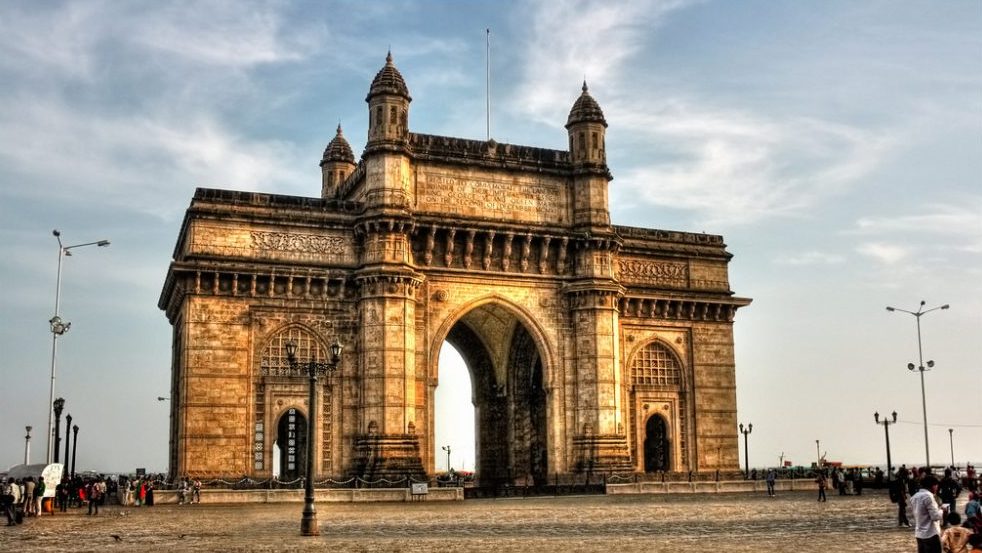
The Gateway of India is a prime example of the Indo-Saracenic architectural style, which combines European structural principles with Indian decorative elements. This style is evident in the monument’s perfect proportions and symmetry, making it a visually appealing structure.
Construction Materials and Dimensions
The structure is built using yellow basalt and concrete, giving it a distinctive appearance. It has a rectangular shape with three arched passageways on the longer sides and a single arched passageway on the shorter sides. The central arch is notably higher and wider, adding to the monument’s grandeur.
Unique Architectural Features
One of the most striking features of the Gateway of India is its central dome surrounded by four turrets, creating a striking silhouette against the Arabian Sea. The intricate carvings and thoughtful integration with its waterfront setting add to its beauty.
| Architectural Element | Description |
|---|---|
| Central Dome | Surrounded by four turrets, creating a striking silhouette |
| Arched Passageways | Three on the longer sides, one on the shorter sides |
| Construction Materials | Yellow basalt and concrete |
How to Reach the Gateway of India

The Gateway of India is well-connected and easily accessible. Located at the southeastern end of Chhatrapati Shivaji Maharaj Marg, it can be reached via a heavy security checkpoint.
Location and Map Details
The Gateway of India is situated in South Mumbai, overlooking the Arabian Sea. You can find it on most maps, and its proximity to other tourist attractions makes it a convenient stop on your itinerary.
Transportation Options
You have multiple transportation options to reach the Gateway of India. The nearest railway station is Churchgate or Mumbai Central, from where you can take a taxi or ride-hailing service. Buses and auto-rickshaws are also available.
Best Times to Visit
To make the most of your visit, consider the time of day. Early morning hours (6-8 AM) offer thinner crowds and golden light ideal for photography. Sunset (around 5:30-7 PM) provides spectacular views with warm evening light. The winter months (November to February) are the most pleasant, with temperatures between 15-30°C (59-86°F).
Avoid the monsoon season (June to September) due to heavy rains. If you’re interested in seeing the Gateway illuminated, plan your visit for the evening hours when it’s beautifully lit up.
Gateway of India vs. India Gate: Understanding the Difference
Two of India’s most iconic monuments, the Gateway of India and India Gate, are often confused with one another, but they have distinct histories and purposes. As you delve into the details of these structures, you’ll discover that they serve fundamentally different commemorative purposes in India’s historical narrative.
Location and Historical Context
The Gateway of India is located in Mumbai, Maharashtra, and was built to commemorate the visit of a British monarch, King George V, in 1911. On the other hand, India Gate is situated in New Delhi and was constructed as a war memorial to honor the sacrifice of 70,000 Indian soldiers who died fighting for the British Army in World War I. Over the years, both monuments have become integral to their respective cities’ identities.

Architectural Differences
The Gateway of India is an example of Indo-Saracenic architecture, blending Indian, Islamic, and Western styles. This monument stands as a testament to the rich cultural heritage of India. In contrast, India Gate is inspired by the Arch de Triomphe in Paris, symbolizing the sacrifices made during the war. The architectural differences between the two monuments reflect their unique historical contexts and purposes.
Significance and Purpose
The Gateway of India was originally a symbol of colonial power but has transformed over time to become a beloved landmark representing Mumbai’s identity and India’s independence. The Gateway of India is a significant Gateway India that has become synonymous with the city. India Gate, meanwhile, maintains its solemn purpose as a war memorial while also becoming a symbol of national pride and sacrifice. Understanding the significance of both monuments enhances your appreciation of India’s complex history and its Gateway India.
Exploring Around the Gateway of India
The area around the Gateway of India is a microcosm of Mumbai’s history, with numerous sites that tell the story of the city’s past and present. As you explore this iconic location, you’ll discover a wealth of cultural, historical, and entertainment options that make your visit even more enriching.
The Five Jetties and Boat Rides
The Gateway of India is surrounded by the Five Jetties, which are used for various boat rides and ferry services. You can take a leisurely cruise around the harbor or use the ferries to visit nearby islands like Elephanta. These boat rides offer a unique perspective on the city’s skyline and the Gateway’s majestic structure.

Elephanta Caves Excursion
One of the most popular excursions from the Gateway of India is to the Elephanta Caves, a UNESCO World Heritage Site. Located on Elephanta Island, these caves are renowned for their intricate rock-cut sculptures and carvings, which depict various aspects of Hindu mythology. The caves are a testament to the rich cultural heritage of India and offer a fascinating glimpse into the country’s ancient past.
Nearby Attractions
The area around the Gateway of India is dotted with numerous attractions that are worth visiting. Two of the most notable landmarks are the Taj Mahal Palace Hotel and the statue of Shivaji Maharaj.
Taj Mahal Palace Hotel
The Taj Mahal Palace Hotel, located adjacent to the Gateway, is an iconic hotel that has hosted numerous celebrities and dignitaries over the years. Its stunning architecture, which blends Indian and European styles, is a sight to behold, and its luxurious amenities make it a popular destination for travelers.
Shivaji Statue and Other Monuments
In the grounds of the Gateway, you’ll find the impressive statue of Shivaji Maharaj, the 17th-century Maratha warrior king. Unveiled on January 26, 1961, this statue replaced a bronze statue of King George V, symbolizing India’s post-independence reclamation of public spaces. You might also notice the statue of Swami Vivekananda nearby, honoring the influential spiritual leader.
| Attraction | Description | Significance |
|---|---|---|
| Gateway of India | Iconic monument and symbol of Mumbai | Historical and cultural significance |
| Taj Mahal Palace Hotel | Luxurious hotel with stunning architecture | Iconic hospitality and luxury |
| Shivaji Statue | Statue of the 17th-century Maratha warrior king | Symbol of Indian heritage and history |
As you explore the area around the Gateway of India, you’ll discover a rich tapestry of historical landmarks, cultural experiences, and entertainment options. From the Five Jetties to the Elephanta Caves, each site offers a unique perspective on Mumbai’s diverse heritage, making your visit a truly unforgettable experience.
Visual Journey: Gateway of India Through the Years
As you embark on a visual journey through the years, the Gateway of India reveals its timeless beauty and historical significance. This iconic monument has been a silent witness to the passage of time, and its transformation is a testament to its enduring appeal.
Historical Photos and Transformation
Historical photos of the Gateway of India showcase its transformation over the years. From its construction to the present day, the monument has undergone significant changes, influenced by the people and events that have shaped its history.
The Gateway at Different Times of Day
The Gateway of India presents a different character depending on the time of day you visit, offering unique photographic opportunities throughout the day. At dawn, the monument is bathed in soft golden light, with fewer people around for more peaceful photos. During midday, the Gateway is in sharp detail under the bright sun, bustling with tourists and locals. The magic of sunset transforms the Gateway with warm amber hues, silhouetting the structure against colorful skies. After dark, the Gateway is enchanted by LED lighting, creating a dramatic nighttime presence.
| Time of Day | Characteristics | Photographic Opportunities |
|---|---|---|
| Dawn | Soft golden light, fewer people | Peaceful photos |
| Midday | Bright sun, bustling with people | Vibrant atmosphere |
| Sunset | Warm amber hues, colorful skies | Silhouetted structure |
| Night | LED lighting, dramatic presence | Evening photography |
Conclusion
As you conclude your journey through the history and significance of the Gateway of India, you’re left with a deeper appreciation for this iconic monument. The Gateway is more than just a tourist attraction; it’s a living symbol of Mumbai’s complex history and vibrant present. Whether you’re admiring it against the backdrop of the Taj Mahal Palace Hotel or catching a ferry to Elephanta Island, you’re participating in a tradition shared by millions. The Gateway of India has witnessed pivotal moments, from welcoming British royalty to bidding farewell to colonial troops.
Read more: Attractions
FAQ
The Gateway of India is a monument built to commemorate the visit of King George V and Queen Mary to India. It was also the site where the last British troops left India, marking the country’s transition to independence.
The Gateway of India is an example of Indo-Saracenic architecture, blending Indian, Islamic, and Western styles. The monument is constructed using yellow basalt and features four turrets.
The Gateway of India is located in Mumbai, near the Apollo Bunder area. You can reach the monument by taking a taxi, bus, or metro. The nearest metro station is Churchgate or Colaba, from where you can take a short taxi ride.
The Gateway of India is surrounded by several attractions, including the Taj Mahal Palace Hotel, Elephanta Island, and the Five Jetties. You can take a boat ride to Elephanta Island, which is known for its rock-cut temples and Elephanta Festival.
The best time to visit the Gateway of India is during the evening hours, when the monument is beautifully lit up. You can also visit during the day, but be prepared for the crowds and heat.
No, the Gateway of India and India Gate are two different monuments. While both are significant landmarks, they are located in different parts of India and have distinct historical and architectural significance.