Have you ever wondered about an ancient temple that’s over 800 years old? The Baijnath Temple in Himachal Pradesh is amazing. It’s a place of history and a sacred site for Lord Shiva, known as Vaidyanath, the Lord of Physicians.
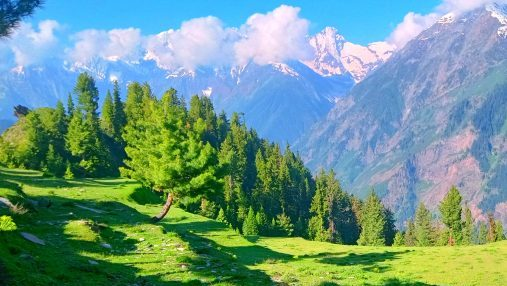
This temple is surrounded by the beautiful Dhauladhar ranges. It combines rich culture and stunning nature. Let’s explore this architectural wonder and learn its fascinating stories.

Key Takeaways
- Baijnath Temple was built in 1204 AD, showing over 800 years of history.
- It’s a temple for Lord Shiva and has other gods like Goddess Parvati and Lord Ganesha.
- The temple’s design shows the early medieval North Indian Nagara style.
- Maha Shivaratri celebrations here draw millions of pilgrims every year.
- The best times to visit are March to June and September to November.
- There’s no entry fee, so everyone can come.
- The temple is open daily from 6:00 AM to 9:00 PM. Aarti is at 7:00 AM.
Introduction to Baijnath Temple
The Baijnath Temple was built in 1204 AD. It’s a big place for people who love Lord Shiva in India. It’s in the calm Beas valley, close to Palampur, about 16 km away.
This temple is famous for its baijnath history. It has beautiful architecture and carvings. These show the skill of old times.
Every year, many people come here. They are drawn by the temple’s history and baijnath spirituality. A local board helps with the worship. The SDM leads the temple’s work.
The Archaeological Survey of India protects this temple. It shows how important it is for our culture.

Many festivals happen here, like Maha Shivratri and Makara Sankranti. These festivals bring lots of visitors. The temple is not just spiritual but also beautiful.
It offers a special baijnath tourism experience. The nearest airport is Dharamshala, about 44 km away. Paprola Railway Station is just 2 km from the temple.
This Sacred Site’s Mythological Significance
The Baijnath Temple is a treasure of old stories and legends. It’s famous for its baijnath mythology. This draws many people who want to feel connected spiritually and culturally.
This place mixes stories of gods with its own history. It makes the temple even more special and mysterious.
Legend of Ravana and Lord Shiva
The legend of Ravana is a big story in Hindu myths. Ravana, the king of Lanka, wanted to live forever. He asked Lord Shiva for this wish.
He carried a sacred linga a long way. He faced many challenges. In the end, the linga was placed at Baijnath.
This moment shows the temple’s importance. It’s seen as a place of divine energy and respect.
The Role of the Jyotirlinga
Baijnath Temple is one of the twelve Jyotirlingas in India. This makes it very special. Each Jyotirlinga shows a different side of Lord Shiva.
The temple is a key spot for people. They believe it helps them feel closer to Lord Shiva. It gives them blessings from the god himself.

Historical Insights into Baijnath
The Baijnath Temple is a symbol of devotion and skill, built in 1204 CE. It was made by two merchants, Ahuka and Manyuka. This temple shows the area’s rich history in building temples.
Its main spire is about 40 feet tall. This makes the temple look very grand. The walls have stone carvings of over 40 mythological scenes, adding to its story.
The Construction by Ahuka and Manyuka in 1204
The start of Baijnath Temple was a big moment for the area. Ahuka and Manyuka built it to honor Lord Shiva. They wanted it to be a masterpiece, showing the Nagara style of North Indian temples.
Renovations and Repairs Through the Centuries
The temple has been fixed up many times to keep it strong. King Sansar Chand did big repairs in the 18th century. This helped the temple stay important.
The 1905 earthquake tested the temple’s strength. But it stood strong, keeping much of its original look. The temple’s history is written in its stones, telling of its past and the efforts to save it.
Architectural Grandeur of the Temple
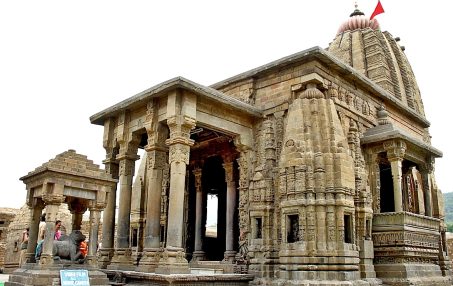
The Baijnath Temple is a stunning example of Indian culture. It follows the nagara style, known for its tall shikhara details. This style makes the temple look grand and beautiful.
Nagara Style Influence
The temple shows its roots in Northern India’s medieval era. It has a square sanctum and a tall shikhara. This design is both beautiful and meaningful.
Intricate carvings tell stories from Hindu myths. They are found all over the temple.
Details of the Shikhara and Mandapa
The shikhara of the Baijnath Temple is amazing. It shows great skill and makes you look up, feeling close to the divine. Below, the mandapa is a place for people to meet.
It has carved pillars with pictures of gods. These parts make the temple feel spiritual and beautiful.
Spiritual Experience at Baijnath Temple
Visiting Baijnath Temple is a deep spiritual journey. It’s filled with devotion and community. This special place is in Himachal Pradesh, at 3,608 feet high. It has been here for over 800 years, welcoming thousands every year.
The air is filled with prayers, making it peaceful. It’s a great place for thinking and feeling close to the divine.
People feel calm as they explore the temple. They are amazed by its old design. The area’s beauty and the temple’s history make it a special trip.
Visitors come for more than just spiritual growth. They also enjoy local food and the friendly people.
The temple’s history, spiritual practices, and beautiful views make it special. Visitors join in rituals and ceremonies. They connect with a tradition that has lasted for centuries. This makes the temple a key cultural and spiritual spot in India.
Festivals Celebrated at Baijnath Temple
Baijnath Temple is alive with festivals every year. The Maha Shivratri festival is very special. Thousands come to celebrate Lord Shiva for five days.
Shivratri Celebrations
Maha Shivratri has many rituals and prayers. People stay up all night, singing and dancing for Lord Shiva. The temple’s holy water is believed to heal, making the festival even more special.
Cultural Performances During Festivals
During festivals, Baijnath is filled with music and dance. These shows celebrate the area’s culture and bring people together. They make Baijnath Temple a place of joy and unity.
Visiting Baijnath: A Guide for Travelers
Planning a trip to Baijnath is exciting. It’s full of spiritual and scenic experiences. Knowing the best time and temple hours makes your trip smooth.
Best Time to Visit Baijnath
The best months are March to June and September to November. The weather is nice then. It’s warm in summer and cool in winter.
If you want to see the temple in snow, go from October to February. It’s a special time.
Temple Timings and Entry Fees
The Baijnath Temple is open from 6:00 AM to 9:00 PM every day. You can visit anytime. It’s free to enter, so everyone can come.
The aarti ceremony is at 7:00 AM. It’s a deep spiritual experience for those who attend.
| Aspect | Details |
|---|---|
| Best Time to Visit | March to June, September to November |
| Temperature Range | 25°C (Summer), 11°C to 15°C (Winter) |
| Temple Visiting Hours | 6:00 AM to 9:00 PM |
| Entry Fee | No fee |
| Aarti Timing | 7:00 AM |
Plan your visit during these months for a great trip. You’ll see natural beauty and important pilgrimage sites.
Natural Beauty Surrounding Baijnath Temple
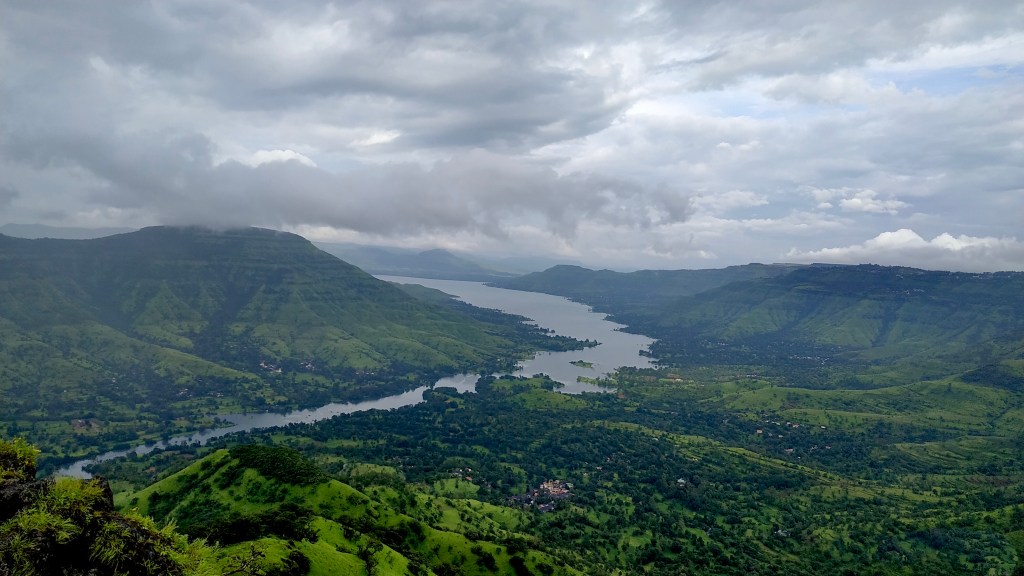
The Baijnath Temple is set in a stunning natural scene. It’s a perfect spot for those seeking peace and beauty. The area is at 1,130 meters (3,707 feet) high, surrounded by breathtaking views.
Scenic Views of the Dhauladhar Ranges
The Dhauladhar Ranges offer amazing views. They are full of towering peaks and green hills. The temple is framed by these sights, making it a great place to see the Himalayas.
Every season brings new colors to the views. This makes the Dhauladhar Ranges even more beautiful.
The Binwa River’s Role in the Atmosphere
The Binwa River is close to Baijnath. It’s a calm and clear river that flows gently. This creates a peaceful place for thinking and relaxing.
The river is also important culturally. It’s a place for spiritual thoughts. Visitors love walking by the river, enjoying the quiet and beauty.
| Aspect | Details |
|---|---|
| Elevation of Baijnath | 1,130 meters (3,707 feet) |
| Natural Structures | Dhauladhar Ranges and Binwa River |
| Best Time to Visit | March to June and September to November |
| Temperatures in Summer | 15°C to 25°C |
| Temperatures in Monsoon | 12°C to 20°C |
| Temperatures in Autumn | 10°C to 20°C |
| Temperatures in Winter | 5°C to 15°C |
Travel Connectivity to Baijnath
Baijnath is easy to get to for visitors. You can travel by air, rail, or road. This makes your trip to the Baijnath Temple smooth and fun.
How to Reach: Airports and Railways
There are two main places to start your journey:
- Kangra Airport: It’s the closest big airport, 60 kilometers away. You can fly here from many cities.
- Pathankot Railway Station: This station is about 100 kilometers from Baijnath. It’s great for those taking the train.
These places make it easy to get to Baijnath. They help with baijnath travel connectivity.
Road Connections and Local Transport
Getting around Baijnath is easy with local transport. Here are some ways to travel by road:
- Local buses run from towns like Palampur and Mandi. They make it simple to get to the temple.
- Taxis and auto-rickshaws offer a personal way to see the area.
This network helps you move around easily. It makes it simple to reach Baijnath by air and rail and enjoy the area.
Accommodation Options in Baijnath
Travelers looking for a great time at Baijnath Temple have many choices. You can find fancy hotels or places that are easy on the wallet. Staying near the temple makes your visit better, letting you enjoy the peaceful surroundings and temple activities.
Best Hotels Near Baijnath Temple
Here are some top hotels near Baijnath Temple. They offer comfort and great service:
| Hotel Name | Average Cost (INR) | Type |
|---|---|---|
| Hotel Binwa View | 1,500 onwards | Budget |
| Welcome Heritage Taragarh Palace | 4,000 onwards | Luxury |
| Hotel Billing View | Not explicitly stated | Budget |
| Sterling Banquet & Hotel | 3,500 onwards | Mid-Range |
| RIGVEDA | 1,000 onwards | Budget |
Budget-Friendly Stays for Travellers
For those watching their budget, there are many affordable hotels in Baijnath. Places like RIGVEDA and Hotel Binwa View offer good value. They are great for anyone wanting to visit the Baijnath Temple easily.
Most hotels let you check in from 12:00 PM to 2:00 PM. You can check out between 11:00 AM to 12:00 PM. This makes planning your trip simpler, even if you’re coming from Gaggal Airport, about 55 km away.
Nearby Attractions to Explore
When you visit Baijnath, you can see many cool places. You can go to Palampur and Bir Billing for fun.
Palampur: Tea Plantations and Scenic Beauty
Palampur is 16 km from Baijnath. It’s a place where you can see tea plants and beautiful views. It’s great for people who love nature and culture.
The best time to go is from March to June and September to November. You should stay for 5 to 7 days to see everything.
- Distance to Chamunda Devi Temple: 18.6 km
- Distance to Andretta Pottery: 13.2 km
- Distance to Neugal Khad: 4.3 km
- Distance to Tashi Jong Monastery: 14.5 km
- Distance to Norbulingka Institute: 29.1 km
- Distance to Sobha Singh’s Art Gallery: 12.4 km
- Distance to Saurabh Van Vihar: 2.1 km
- Distance to Naam Art Gallery: 27.5 km
- Distance to Baijnath Temple: 17 km
- Tea Gardens: Within Palampur
Bir Billing: Adventure Activities
Bir Billing is about 28 km from Baijnath. It’s famous for bir billing paragliding. People from all over come here for fun.
You can also go hiking and see the beautiful views. It’s a great place for fun and adventure. The International Paragliding Championship is held here in October.
Recent Developments and News About Baijnath
Recent baijnath news shows efforts to make Baijnath Temple more important for tourism growth in baijnath. Projects aim to keep the temple’s unique design safe and better for visitors. These efforts make the city’s history and culture more interesting to visitors from around the world.
The Baijnath temple complex has a rich history from the 8th to 18th centuries. It has 142 rare sculptures that have been hidden for over 50 years. These sculptures tell the story of the Katyuri kings, a key part of the region’s past.
The temple faces problems, like a peepal tree growing on its roof. A museum to show temple artifacts has been ready for two years but is closed. A plan to add sculptures for visitors is also delayed because of money issues.
The work on Baijnath Temple is important for its culture and tourism. It helps keep history alive and makes the area more attractive to visitors.
Conclusion
The Baijnath Temple is a key part of Himachal Pradesh’s culture, history, and spirit. It’s more than just a place to see. It’s a spot where people can learn and feel the area’s deep traditions.
Getting to Baijnath is easy, about 300 kilometers from Dehradun. It’s close to Kausani and Bageshwar too. The temple is surrounded by green hills and the River Beas, making it peaceful.
Visiting in September or May is best. The weather is nice, and you can really feel the temple’s importance.
Baijnath is not just for spiritual reasons. It’s also a chance to learn about India’s rich history and culture. You can shop at Garur Market or join in the Mahashivratri celebrations.
It’s a place where history, spirit, and nature come together. Your visit will be unforgettable, filled with beauty and tradition.
Read more: Attractions
FAQ
The Baijnath Temple is special. It’s dedicated to Lord Shiva, known as Vaidyanath, the Lord of Physicians. It’s one of the twelve Jyotirlingas in India. This makes it a big spiritual spot.
It was built in 1204 AD. Two brothers, Ahuka and Manyuka, made it. The temple has been fixed up many times over the years.
The best time is from March to June and September to November. The weather is nice then. It’s perfect for exploring.
No, there’s no fee to get in. You can visit whenever you want. It’s free.
The temple has Nagara style architecture. It has big shikharas and fancy carvings. These show off ancient art and skill.
Shivratri is a big festival here. There are lots of rituals, prayers, and shows. Thousands of people come to celebrate.
You can fly into Kangra Airport, which is 60 km away. Or take a bus from Palampur or Mandi. It’s easy to get here.
You can stay in fancy hotels with great views. Or choose simple places for pilgrims. There’s something for everyone.
Palampur is close. It’s famous for tea. Bir Billing is great for paragliding and fun outdoor activities.
There are new efforts to save the temple. They want to show off local culture and history. This makes the temple even more interesting for visitors.