Nestled in the Kutch district of Gujarat, Mandvi is a coastal town that boasts a rich maritime history and breathtaking natural beauty. You can explore the remnants of the ancient Mandvi Fort wall that once enclosed the old city, offering a glimpse into its storied past.

As you visit this charming town, you’ll uncover its fascinating story as a former major port and summer retreat for the Maharao of Cutch State. The town is renowned for its 400-year-old shipbuilding industry, where traditional wooden ships called dhows are still crafted using time-honored techniques.
Key Takeaways
- Explore the historic Mandvi Fort and its remnants.
- Experience the town’s rich maritime history.
- Witness traditional shipbuilding techniques.
- Enjoy the pristine beaches and natural beauty.
- Discover the cultural heritage of Mandvi.
Discovering Mandvi: Gujarat’s Coastal Gem
As you step into Mandvi, Gujarat’s hidden gem, you’ll uncover a treasure trove of history, culture, and natural beauty. This charming port city has been a significant maritime hub for centuries, thanks to its strategic location.
Historical Significance of Mandvi
Mandvi’s history dates back to the 15th century when it was a major port city, playing a crucial role in the region’s maritime trade. The city’s rich cultural heritage is reflected in its architectural landmarks, such as the Vijay Vilas Palace and the Mandvi Fort.
Geographic Location and Climate
Mandvi is located at 22°49′N 69°22′E, where the Rukmavati River meets the Gulf of Kutch. The city is about 56 kilometers south of Bhuj and approximately 446 kilometers from Ahmedabad. Mandvi has a hot semi-arid climate, with three distinct seasons. The “hot” season from March to mid-June is sweltering, while the monsoon season from mid-June to September brings most of the annual rainfall.
The city’s climate is more moderate than inland areas due to its coastal location, making it a preferred retreat for centuries. You can experience the unique weather patterns of this coastal town, with an annual rainfall of 538 millimeters, creating a microclimate that supports the region’s distinctive ecology and agricultural practices.
How to Reach Mandvi Gujarat
Mandvi, a picturesque town in Gujarat, is accessible by multiple modes of transport, making it easier for travelers to plan their visit. Whether you’re coming by road, rail, or air, understanding the options available will help you plan your trip efficiently.
By Road: Distance from Major Cities
For those traveling by road, Mandvi is well-connected to major cities in Gujarat. If you’re wondering about the distance from Ahmedabad to Mandvi, Gujarat, it’s approximately 440 km, and the journey takes around 7-8 hours by car or bus. There are nearly 2 direct buses plying between Bhuj and Mandvi, operated by state transport and private services like Royal Express, with a travel time of just 1 hour 30 minutes.

Nearest Railway Station and Airport
If you’re traveling by train, the nearest railway station to Mandvi is in Bhuj, which is well-connected to major cities across India. For air travel, the nearest airport is also in Bhuj, providing a convenient option for those coming from farther away.

Local Transportation Options
Once you arrive in Mandvi, navigating the town and its surroundings is relatively easy thanks to the variety of local transportation options. You can hire auto-rickshaws for short distances or rent a private taxi for the day to visit multiple attractions, especially during the peak tourist months of May through July.
- Navigate Mandvi and its surroundings with ease using the variety of local transportation options that cater to different preferences and budgets.
- Hop on one of the approximately two direct buses that ply between Bhuj and Mandvi daily.
- Hire auto-rickshaws for convenient short-distance travel within Mandvi town.
- Consider renting a private taxi for the day if you’re planning to visit multiple attractions around Mandvi.
- Experience the traditional mode of transport by taking a camel ride along Mandvi Beach.
The Magnificent Mandvi Beach
The majestic Mandvi Beach, known for its stunning sunsets and picturesque views, offers a tranquil escape from the hustle and bustle of city life. As you explore this beautiful destination, you’ll discover a range of activities and breathtaking scenery that make it a must-visit location.
Beach Activities and Water Sports
Visitors to Mandvi Beach can enjoy a variety of activities, including swimming, sunbathing, and water sports. The beach is perfect for those looking to relax or engage in some adventure. You can also take a leisurely walk along the shore, enjoying the cool sea breeze and the sound of the waves.

Wind Farms and Scenic Views
One of the unique features of Mandvi Beach is its wind farms, which add to the scenic beauty of the area. The wind turbines stand tall against the backdrop of the Arabian Sea, creating a striking visual contrast. As you explore the beach, you’ll be treated to breathtaking views of the surrounding landscape.
Best Time to Visit the Beach
The best time to visit Mandvi Beach is between October and March, when the weather is pleasantly cool, with temperatures ranging from 14°C to 30°C. This period is ideal for beach activities and sightseeing. You can also consider staying at the exclusive beach resort connected to Vijay Vilas Palace, which offers luxury air-conditioned tented accommodations with direct access to a private section of the beach.
- Plan your visit between October and March for ideal weather conditions.
- Avoid the intense summer heat from April to June, though early morning and evening visits can still be enjoyable.
- Experience the unique charm of Mandvi Beach during winter months (November to February) for long walks and outdoor picnics.
- Witness the spectacular sunset views, particularly during April and October when the atmospheric conditions create vivid hues.
Mandvi Port: A Historical Maritime Hub
As you explore Mandvi, you’ll discover the historic Mandvi Port, a place where the past and present converge. This port has been a cornerstone of the region’s maritime activities for centuries, playing a significant role in shaping the local culture and economy.
History and Significance of the Port
The Mandvi Port has a rich history that dates back 400 years. It was once a major hub for trade, with ships sailing to and from England. The port’s significance extends beyond its economic importance, as it has also been a cultural melting pot, influencing the local traditions and customs.
Today, the port continues to be an important part of Mandvi’s identity, with many residents relying on it for their livelihood. As you visit the port, you can still see remnants of its glorious past, including traditional shipbuilding techniques that have been passed down through generations.
Traditional Shipbuilding Industry
Mandvi is renowned for its traditional shipbuilding industry, which has been thriving for centuries. The shipbuilders here are master craftsmen who continue to build vessels using techniques that have remained largely unchanged over the years. You can witness the living heritage of Mandvi’s 400-year-old shipbuilding tradition, where master carpenters craft wooden vessels with precision and care.
- Witness the living heritage of Mandvi’s 400-year-old shipbuilding tradition.
- Marvel at the craftsmanship of skilled artisans who once built ships capable of sailing to England and back.
- Observe traditional dhow construction at shipyards near Salaya village.
- Appreciate how this traditional industry has adapted to modern times.
- Learn about sustainable practices employed in this traditional industry.
As you explore the port today, you can see the blend of tradition and modernity, with shipbuilders focusing on fishing boats and smaller vessels while maintaining the core techniques that made Mandvi famous.
Architectural Wonders of Mandvi
As you explore Mandvi, you’ll discover a treasure trove of architectural marvels that reflect its rich history. The town is home to numerous historical structures that showcase its cultural and architectural heritage.
Vijay Vilas Palace: The Royal Summer Retreat
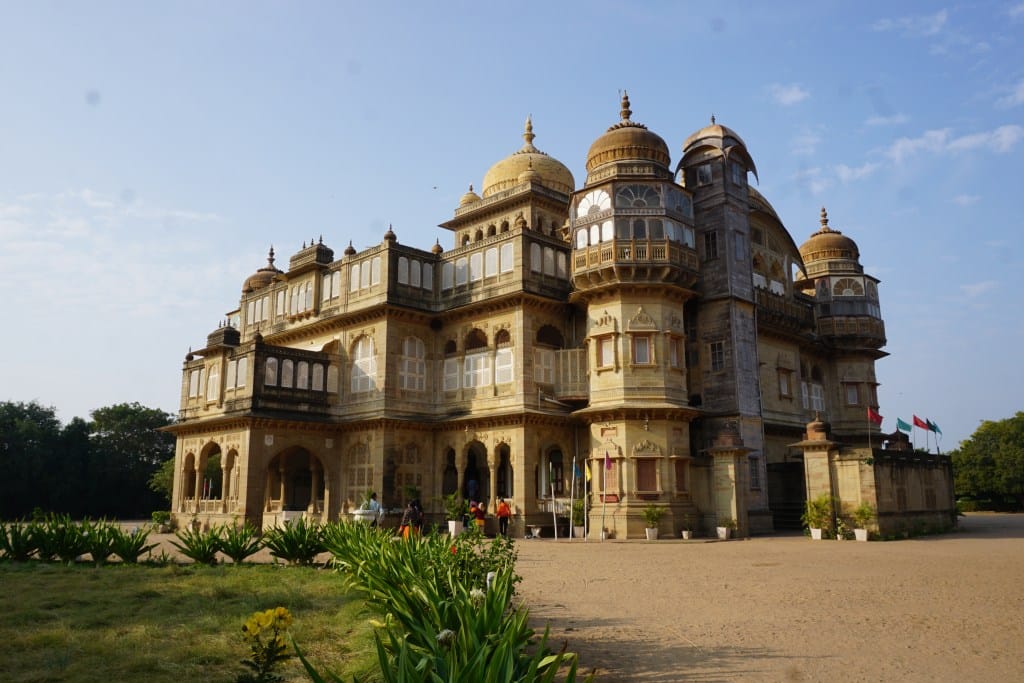
The Vijay Vilas Palace is a stunning example of royal architecture in Mandvi. Built as a summer retreat, this palace is a blend of traditional and modern styles, featuring intricate designs and beautiful gardens. You can explore the palace’s opulent interiors and learn about its history.

Visiting Vijay Vilas Palace is like stepping into a different era, with its ornate design and majestic architecture. The palace is a must-visit attraction when in Mandvi, offering a glimpse into the region’s royal past.
Mandvi Fort and City Walls
Mandvi was originally a fortified town, enclosed by a fort wall about 8 meters high and 1.2 meters wide. The remains of this ancient fort wall can still be seen today, offering a glimpse into the town’s strategic importance in the past. You can explore the historical remnants of Mandvi Fort and trace the remaining sections of the ancient fort walls.
Visiting during January and February is ideal, as the mild temperatures make exploring the fort remains comfortable. The clear winter light also creates perfect conditions for photography.
Religious Sites and Temples in Mandvi
As you explore the spiritual landscape of Mandvi, you’ll discover a tapestry of religious sites that reflect the town’s rich cultural heritage. Mandvi is home to a diverse array of temples, shrines, and other sacred landmarks that are integral to the town’s identity.
72 Jinalaya Jain Temple
The 72 Jinalaya Jain Temple is a significant religious site in Mandvi, dedicated to the Jain community. This temple is renowned for its intricate architecture and spiritual significance, attracting visitors from across the region. As a revered Jain temple, it embodies the principles of non-violence and compassion that are central to Jainism.
Mazar-e-Noorani
Mazar-e-Noorani is another important religious site in Mandvi, holding great significance for the Dawoodi Bohra community. This sacred shrine is a testament to the town’s rich cultural diversity and its history of religious tolerance. Visitors can experience the serene atmosphere and architectural beauty of this revered site.
For the Dawoodi Bohra community, Mazar-e-Noorani is a place of great pilgrimage, retrieved February, during specific religious events.
Other Significant Religious Sites
Mandvi is also home to several other significant religious sites, including the historic Swaminarayan Temple, Kharva na Mama Temple, Shitla Mata Temple, and Ashapura Mata Temple. These temples are not only important spiritual landmarks but also showcase the town’s architectural heritage. The Swaminarayan Temple, approximately 157 years old, is a testament to Mandvi’s deep-rooted Hindu traditions.
- Visit the historic Swaminarayan Temple in Mandvi’s main city, a spiritual landmark that stands as a testament to the town’s deep Hindu religious traditions.
- Explore the newer Swaminarayan Temple on the main Mandvi-Naliya road, continuing the architectural and spiritual legacy of its older counterpart.
- Pay respects at the Kharva na Mama Temple near Hanuman Dairy, significant to the Kharva community, integral to Mandvi’s maritime history.
- Visit the Shitla Mata Temple on Layja Road, dedicated to the goddess believed to protect against diseases, with recent improvements including a new walkway along the adjacent lake.
Plan your pilgrimage during the winter months of Nov Dec when religious festivals often take place, enhancing the spiritual experience at these sacred sites with special ceremonies and celebrations.
| Temple/Religious Site | Significance | Best Time to Visit |
|---|---|---|
| 72 Jinalaya Jain Temple | Jain community, intricate architecture | Anytime |
| Mazar-e-Noorani | Dawoodi Bohra community, historical significance | Retrieved February, during specific events |
| Swaminarayan Temple | Hindu traditions, 157 years old | Nov Dec for festivals |
Cultural Heritage of Mandvi Gujarat
As you explore Mandvi, you’ll discover a rich cultural heritage that reflects the town’s history and diversity. With a population of around 51,000 people from various communities, including Brahmins, Charans, Bhanushalis, and Jains, Mandvi is a unique cultural melting pot.

Shyamji Krishna Varma Memorial
The Shyamji Krishna Varma Memorial is a significant cultural landmark in Mandvi, dedicated to the renowned revolutionary and scholar. This memorial is a testament to the town’s contribution to India’s struggle for independence. Visitors can explore the memorial to learn more about Shyamji Krishna Varma’s life and his impact on Indian history.
Local Customs and Traditions
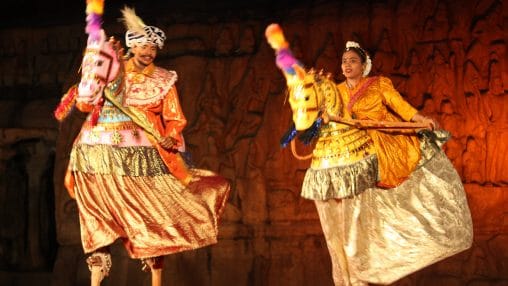
Mandvi is known for its vibrant cultural practices, including traditional folk dances, music, and distinctive clothing styles. The town celebrates various festivals with enthusiasm, showcasing its rich cultural heritage. Some of the local customs include:
- Experience the authentic Kutchi culture that thrives in this coastal town, expressed through vibrant folk dances and traditional music.
- Taste the famous Dabeli, a popular Indian street food reportedly invented in Mandvi in the 1960s.
- Observe the traditional crafts that continue to flourish in the region, including intricate Bandhani tie-dye textiles.
Today, Mandvi continues to be a place where tradition and modernity blend seamlessly, making it a fascinating destination for cultural enthusiasts. The land’s maritime heritage has significantly shaped local customs, from seafaring traditions to international influences visible in the town’s architecture and cuisine.
Culinary Delights of Mandvi
Mandvi’s culinary delights are a reflection of its rich cultural heritage and coastal location. The town offers a diverse range of cuisines that cater to various tastes and preferences.
Famous Dabeli and Local Cuisine
One of Mandvi’s most famous dishes is the Dabeli, a flavorful snack that has gained popularity across the region. Besides Dabeli, you can also savor local Gujarati cuisine, which is known for its unique flavors and spices. The area near Azad Chowk is particularly famous for its street food, including Khari Daar and Toss, which are must-try dishes when visiting Mandvi. Over the past decade, Mandvi’s culinary scene has evolved to include Punjabi, South Indian, and Chinese cuisines, making it a melting pot of flavors.
Best Restaurants and Food Joints
With more than 20 dining establishments, ranging from small street food stalls to larger restaurants, Mandvi has something to offer for every budget and preference. You can enjoy good food at these eateries, which have successfully established themselves in the city. Visiting during January can be particularly enjoyable due to the pleasant weather, making outdoor dining a delight. Many restaurants offer special seasonal dishes during this time, enhancing your culinary experience.
As you explore Mandvi’s culinary delights, consider visiting the Shyamji Krishna Varma memorial to combine cultural exploration with culinary discovery for a complete Mandvi experience. This approach allows you to see Mandvi in its entirety, appreciating both its historical significance and its vibrant food culture.
Day Trips from Mandvi
Mandvi is not just a destination; it’s a gateway to a plethora of exciting day trips. The region around Mandvi is rich in history, culture, and natural beauty, making it an ideal base for exploring the wider area.
Exploring the White Rann of Kutch
The White Rann of Kutch is a unique natural wonder located not far from Mandvi. This vast salt desert is a breathtaking sight, especially during the monsoon season when it turns into a salt marsh. The Rann of Kutch is approximately 70 kilometers from Mandvi, making it a perfect day trip destination.

Visiting Bhuj: The Heritage City
Bhuj, often referred to as the “Jaisalmer of Gujarat,” is a heritage city that is just 56 kilometers from Mandvi. The city’s name is derived from Bhujiyo Dungar, a hill that overlooks the city and houses an important fort. You can explore the Aina Mahal (Palace of Mirrors) and Prag Mahal, two magnificent palaces that showcase different architectural styles and offer insights into the opulent lifestyle of Kutch’s former rulers. A visit to the Shyamji Krishna Varma Smarak in Bhuj will complement your visit to the memorial in Mandvi, providing a deeper understanding of this revolutionary freedom fighter’s legacy. Additionally, you can experience the vibrant handicraft traditions of Bhuj, including Kutchi embroidery, Rogan art, and block printing.
Comparing Bhuj’s palaces to Mandvi’s Vijay Vilas Palace will give you a broader appreciation of the region’s architectural heritage. The city’s rich history and cultural significance make it a must-visit destination for anyone traveling to the area.
Planning Your Perfect Trip to Mandvi
With its unique blend of Kutchi culture and maritime history, Mandvi is a destination that promises an unforgettable experience. To make the most of your visit, plan a 2-3 day itinerary that includes exploring the pristine Mandvi Beach, the historic port, and the magnificent Vijay Vilas Palace retreat.
The best time to visit Mandvi is between October and March, when the average temperature is around 27.4°C, ideal for exploring both indoor cultural sites and outdoor attractions. Be sure to visit the Shyamji Krishna Varma memorial, an important historical site honoring one of India’s revolutionary freedom fighters.
Consider staying at the Mandvi Beach Resort or the tented accommodation at Vijay Vilas Palace for a unique experience. As you immerse yourself in the authentic Kutchi culture, you’ll discover the town’s distinctive character shaped by its historical position at the junction of maritime spice routes and desert caravan paths.
FAQ
What is the best time to visit Mandvi Beach?
The best time to visit is from October to February when the climate is pleasant, making it ideal for beach activities and water sports.
How do I reach Mandvi, Gujarat?
You can reach Mandvi by road, and the nearest railway station is in Bhuj, which is well-connected to major cities. The nearest airport is also in Bhuj.
What is the significance of Vijay Vilas Palace in Mandvi?
Vijay Vilas Palace is a royal summer retreat built by the Maharaja of Kutch, showcasing stunning architecture and beautiful gardens.
What are the popular activities to do in Mandvi?
You can enjoy beach activities, water sports, and visit the Vijay Vilas Palace, Mandvi Port, and other historical sites like the Shyamji Krishna Varma Memorial.
What is the climate like in Mandvi, Gujarat?
Mandvi experiences a moderate climate, with pleasant winters from October to February and hot summers from March to May.
Are there any notable religious sites in Mandvi?
Yes, Mandvi is home to several significant religious sites, including the 72 Jinalaya Jain Temple and Mazar-e-Noorani.
Can I explore the surrounding areas from Mandvi?
Yes, you can take day trips to explore the White Rann of Kutch and visit Bhuj, a heritage city with rich cultural heritage.
What is the local cuisine like in Mandvi?
Mandvi is famous for its local delicacy, Dabeli, and offers a variety of traditional Gujarati cuisine at its best restaurants and food joints.
Read more: Attractions