
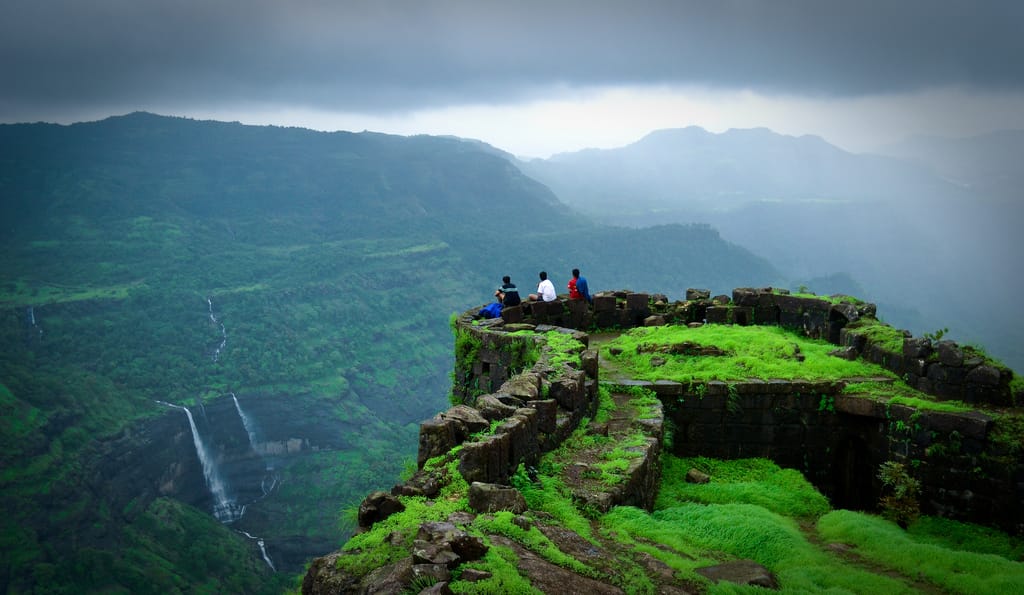
Did you know that Maharashtra is home to approximately 350 historic forts that stand as testaments to the region’s rich cultural heritage? These magnificent structures, influenced by various dynasties, including the Maurya, Gupta, and Maratha empires, showcase a diverse range of architectural styles.

As you embark on a journey through Maharashtra’s incredible fortress landscape, you’ll uncover the stories of conquest, defense, and royal ambition that these forts tell. From imposing hill fortresses to strategic sea forts, each structure is a silent witness to centuries of fascinating history.
Key Takeaways
- Explore approximately 350 historic forts in Maharashtra, showcasing diverse architectural styles.
- Discover the rich history and cultural significance of these magnificent structures.
- Learn about the various dynasties that influenced the architecture of these forts.
- Plan your fortress exploration adventure through Maharashtra’s historically rich state.
- Uncover the stories of conquest, defense, and royal ambition that these forts tell.
The Rich Heritage of Maharashtra’s Fortifications
The state of Maharashtra is home to nearly 350 forts, each telling a unique story of the region’s past. These fortifications are not just remnants of a bygone era but are testaments to the region’s rich history and culture. As you delve into the stories of these forts, you’re not just reading about structures; you’re uncovering the legacy of the Maratha Empire and the genius of Shivaji Maharaj.
Historical Significance of Maharashtra’s 350 Forts
The historical significance of Maharashtra’s 350 forts cannot be overstated. These structures served as military strongholds, administrative centers, and symbols of power for various dynasties that ruled the region. Here are a few key points that highlight their importance:
- Maharashtra’s landscape is dotted with approximately 350 forts, each representing a crucial chapter in the region’s rich and complex history.
- These fortifications controlled important trade routes, protected valuable territories, and served as the backbone of military defense systems.
- The strategic importance of these forts is a testament to the region’s significance in the broader historical context of India.
The Legacy of Shivaji Maharaj and the Maratha Empire
Chhatrapati Shivaji Maharaj, the legendary Maratha warrior king, revolutionized guerrilla warfare and fort architecture. He captured, built, and renovated numerous forts that became the foundation of the powerful Maratha Empire. Shivaji Maharaj’s military genius is reflected in his strategic use of these fortifications, which helped him challenge the mighty Mughal Empire and establish Maratha supremacy in the region.
The legacy of Shivaji Maharaj and the Maratha Empire lives on through these magnificent structures, standing as testaments to their engineering prowess, military strategy, and cultural achievements. Today, these 350 forts collectively form one of the world’s most impressive collections of military architecture, offering invaluable insights into medieval warfare, construction techniques, and the political history of the Deccan region.
The Magnificent Forts of Maharashtra

The forts of Maharashtra, often referred to as the Green Canyon of India, are a marvel of ancient engineering. Maharashtra’s collection of forts represents diverse architectural styles influenced by multiple dynasties. From imposing hill fortresses perched atop dizzying heights to strategic sea forts guarding the coastline, these structures are a true reflection of the region’s historical significance.
Types of Forts: Hill Forts, Sea Forts, and Forest Forts
Maharashtra’s forts can be classified into three main categories based on their geographical location and strategic purpose. These include:
- Hill Forts (Giri-Durg): Built on elevated terrain, utilizing natural cliffs and steep slopes as part of their defense system. Examples include Rajgad, Torna, and Sinhagad.
- Sea Forts (Jal-Durg): Constructed on islands or coastal areas to protect Maharashtra’s valuable coastline from naval invasions. Sindhudurg, Janjira, and Kolaba are prime examples.
- Forest Forts (Van-Durg): Nestled within dense woodland areas, offering natural camouflage and often used as secret bases for guerrilla warfare tactics. Vasota and Bhairavgad represent this category.
Architectural Marvels and Defense Systems
The architectural brilliance of these forts is evident in their ingenious defense systems, including multiple concentric walls, strategic gateways, hidden escape routes, and sophisticated water management systems. Many forts feature distinctive elements like “machicolations” for dropping hot oil on attackers and “bent entrances” to prevent battering rams. The construction techniques employed demonstrate remarkable engineering knowledge, with many structures built to withstand natural challenges while maintaining their structural integrity.
Shivaji Maharaj’s 12 Legendary Forts

You can explore the rich history of Shivaji Maharaj through the 12 iconic forts that defined his reign. These forts were not just structures; they were the backbone of his kingdom, each serving a unique purpose in his military strategy.
Raigad: The Capital Fort
Raigad Fort, located at a height of 820 meters, was the capital of Shivaji’s kingdom. This fort was considered the most secure in the region and served as Shivaji’s throne and final resting place. The fort’s impressive structures include the royal court, market areas, and intricate water systems.
Pratapgad: Site of Historic Battle
Pratapgad Fort was the site of the famous battle between Shivaji and Afzal Khan in 1659. This fort combines military functionality with religious significance, featuring both defensive structures and the sacred Bhavani Temple where Shivaji received his legendary sword.
Sindhudurg: The Impregnable Sea Fort
Sindhudurg Fort, constructed on a rocky island, was Shivaji’s naval masterpiece. Built using innovative techniques, including foundations set in molten lead, it was virtually impregnable to naval attacks, demonstrating the Marathas’ maritime ambitions.
Other Key Forts in Shivaji’s Kingdom
The remaining nine forts in Shivaji’s core defensive network include Torna, Rajgad, Purandar, Sinhagad, Panhala, Vishalgad, Suvarnadurg, Vijaydurg, and Lohagad. Each of these forts was strategically positioned to control important trade routes, monitor enemy movements, and provide safe havens during military campaigns.
Shivaji Maharaj’s military genius lay not just in capturing these forts but in renovating them with advanced defensive features, sustainable water management systems, and administrative structures, transforming them into self-sufficient power centers.
Top 10 Must-Visit Historical Forts in Maharashtra

As you explore Maharashtra, you’ll discover a treasure trove of historical forts that have witnessed the rise and fall of empires. The state’s rich history is reflected in its numerous fortifications, each with its unique story to tell. From the imposing hill forts to the sea forts that dot the Arabian Sea coastline, Maharashtra’s forts are a testament to the region’s strategic importance and architectural prowess.
Lohagad Fort: The Iron Fortress
Lohagad Fort, near Lonavala, is known as the “Iron Fort” due to its robust structure. Originally built by Guru Govind Singh in 1564 CE, it was later captured by Shivaji Maharaj in 1670 CE, who converted it into a treasury house. The fort features four distinctive entrances: Maha Darwaja, Ganesh Darwaja, Hanuman Darwaja, and Narayan Darwaja.
Janjira Fort: The Undefeated Sea Fort
Janjira Fort, also known as Murud Fort, stands as an engineering marvel on an island in the Arabian Sea. Despite numerous attempts by various powers, including the Portuguese and British, the fort remained unconquered. It features 26 rounded bastions, showcasing its impressive defensive architecture.
Daulatabad Fort: The Unconquerable Citadel
Daulatabad Fort, formerly known as Devagiri, is one of the best-preserved medieval fortresses. Its defense system includes a 40-foot moat once filled with crocodiles and confusing pathways to disorient attackers. The impressive 210-foot Chand Minar tower is a highlight of the fort.
Panhala Fort: The Largest Fort in the Deccan
Panhala Fort, the largest fort in the Deccan, served as the temporary capital of the Maratha Empire. It sprawls across 7 kilometers and features remarkable structures like the Teen Darwaza gate and Sajja Kothi, where Shivaji imprisoned his son Sambhaji.
Panhala Fort’s Teen Darwaza gate Learn MoreRaigad Fort: The Capital of Maratha Empire
Raigad Fort, the capital of the Maratha Empire under Shivaji, sits atop the Sahyadri range. Visitors must climb 1,737 steps to reach its entrance, which rewards them with spectacular valley views and historical structures like the royal court (Darbar) and market streets (Bazaar Peth).
Raigad Fort’s royal court Learn MoreShaniwarwada: The Peshwa Palace Fort
Shaniwarwada in Pune, a seven-storied palace fort, served as the seat of the Peshwas from 1730 to 1818. It features five magnificent gates and is famous for its architectural elements and the legend of Narayan Rao’s ghost.
Shaniwarwada’s magnificent gates Learn MoreSinhagad Fort: The Lion’s Fort
Sinhagad Fort, located at 1,312 meters above sea level, witnessed the famous battle where Tanaji Malusare sacrificed his life. The fort offers historical structures and breathtaking panoramic views.
Sinhagad Fort’s panoramic views Learn MoreTorna Fort: Shivaji’s First Conquest
Torna Fort, Shivaji’s first conquest at the age of 16, stands at an impressive height of 1,403 meters, making it the highest hill fort in Pune district. It features the Menghai Devi temple and is considered the birthplace of the Maratha Empire.
Torna Fort’s Menghai Devi temple Learn MoreRajmachi Fort: The Twin Fortresses
Rajmachi Fort, a complex of twin fortresses (Manaranjan and Shrivardhan), offers historical exploration and one of the most scenic treks in Maharashtra, with spectacular views of Lonavala and Khandala.
Rajmachi Fort’s scenic trek Learn MoreVijaydurg Fort: The Victory Fort
Vijaydurg Fort, the oldest coastal fort on the Sindhudurg coast, is surrounded by water on three sides. It features a unique underground tunnel that once extended to the Guhagar beach, allowing for surprise attacks on enemy ships.
Vijaydurg Fort’s underground tunnel Learn More
Unconquered and Impregnable Fortresses

Maharashtra boasts an impressive array of fortresses that remained unconquered throughout history. You can explore these historical sites to understand their significance and the strategic brilliance behind their construction.
Janjira Fort: The Undefeated Marvel
Janjira Fort, also known as Murud Fort, is a testament to the architectural prowess of the 17th century. Built by the Siddis, this fort successfully repelled multiple invasion attempts by the Portuguese, Dutch, Marathas, and British, remaining unconquered throughout its operational history despite Shivaji Maharaj’s numerous attempts to capture it.
The secret to Janjira’s impregnability lies in its strategic island location 500 meters from the shore in the Arabian Sea, its 40-foot high walls rising directly from the water, and its ingenious defensive architecture featuring 26 rounded bastions equipped with cannons that could fire in all directions.
Other Formidable Fortifications
Other formidable fortifications in Maharashtra include Daulatabad Fort with its confusing pathways and seven-story vertical climb designed to exhaust and disorient attackers, and Pratapgad Fort, whose strategic mountain location made frontal assaults nearly impossible.
Sindhudurg Fort represents another engineering marvel that remained unconquered, built on an island foundation secured with lead to withstand powerful sea waves and enemy attacks, with walls reaching 30 feet high and 12 feet thick.
You can visit these forts to experience their grandeur and understand the advanced military engineering of their time, combining natural geographical advantages with architectural innovations that made them virtually impenetrable even to the most determined invaders.
The Oldest Forts in Maharashtra

As you explore Maharashtra, you’ll discover a plethora of historical forts that have stood the test of time. The state is home to numerous ancient fortifications, with some structures dating back over a millennium. These forts not only showcase the evolution of military architecture but also provide a glimpse into the region’s rich historical heritage.
Daulatabad Fort: The Ancient Devagiri
Daulatabad Fort, also known as Devagiri or “Hill of Gods,” is one of Maharashtra’s oldest and best-preserved fortifications. Built by the Yadava king Bhillama V around 1187 AD, it stands on a 200-meter-high conical hill. The fort features multiple layers of defense, including a 40-foot deep moat once filled with crocodiles, and the famous “Andheri” (dark passage)—a pitch-black labyrinth that could be filled with smoke to suffocate invaders.
Other Ancient Fortifications
Other notable ancient forts in Maharashtra include Vijaydurg Fort, considered the oldest coastal fort on the Konkan coast, and Sinhagad Fort near Pune, which has origins potentially dating back 2,000 years. These forts provide invaluable insights into early medieval engineering, defensive strategies, and the political landscape of pre-Islamic Maharashtra, serving as living museums of the region’s rich historical heritage.
The Most Challenging Forts for Trekkers

For experienced trekkers, Maharashtra’s rugged landscape offers some of the most exciting and demanding fort treks. The state’s rich history and diverse geography have created a unique landscape of forts that are as challenging as they are rewarding.
Harishchandragad: The Sky Fort
Harishchandragad, aptly nicknamed “The Sky Fort,” presents one of the most demanding treks in Maharashtra. The most challenging route via the near-vertical Nalichi Vaat (throat passage) requires technical climbing skills to navigate the 80-degree rock patches and exposed sections. Perched at an elevation of 4,670 feet in the Malshej region, Harishchandragad rewards those who conquer its difficult ascent with spectacular attractions, including the Konkan Kada—a concave cliff offering a 1,000-foot vertical drop and panoramic views that stretch to the horizon.
Alang-Madan-Kulang: The Toughest Trek
The Alang-Madan-Kulang (AMK) trek is widely considered the toughest fort trek in Maharashtra, requiring 2-3 days to complete and demanding advanced trekking experience to navigate the three adjacent forts in the Kalsubai range. Alang Fort, standing at 4,852 feet, presents a particularly daunting challenge with its 300-foot rock patch that must be climbed without proper footholds, while Madan (4,838 feet) features treacherous narrow ridges, and Kulang (4,790 feet) requires navigating through dense forest followed by exposed rock climbing.
Other Challenging Fort Treks
Other notably challenging fort treks include Kalavantin Durg near Panvel, famous for its extremely narrow rock-cut steps with no railings and near-vertical climbs that become particularly treacherous during monsoon seasons. The Rajgad to Torna traverse presents a formidable 16-kilometer ridge walk connecting two historic forts, requiring excellent stamina and balance to navigate the exposed sections along the mountain spine with steep drops on both sides.
These challenging treks should only be attempted by experienced trekkers with proper equipment, local guides, and during favorable weather conditions, as they combine physical demands with technical difficulties that can become life-threatening during adverse weather.
Sea Forts of Maharashtra: Gems of the Arabian Sea
As you explore the coastline of Maharashtra, you’ll discover a series of magnificent sea forts that stand as testaments to the region’s rich maritime history. These forts not only showcase the engineering prowess of their time but also highlight the strategic naval ambitions of historical rulers, particularly Shivaji Maharaj.

Murud-Janjira: The Island Fortress
Murud-Janjira stands as one of the most impressive sea forts in Maharashtra, built on an oval-shaped rock island approximately 500 meters from the shore. This unconquered marvel features 26 rounded bastions that remain undamaged despite centuries of exposure to the sea and numerous attacks. You can access this fort only by sailboats from Rajapuri jetty, adding to its mystique.
Sindhudurg: Shivaji’s Naval Pride
Sindhudurg Fort, built between 1664-1667, is Shivaji’s naval masterpiece. It covers 48 acres on a rocky island near Malvan and represents one of the Maratha Empire’s greatest engineering achievements. The fort’s foundation was laid in lead to withstand powerful sea waves, and its massive walls rise 30 feet above sea level.
Kolaba Fort: The Coastal Guardian
Kolaba Fort, also known as Alibaug Fort, stands just 2 kilometers off the shore of Alibaug beach. It becomes accessible by foot during low tide and served historically as a crucial naval station that controlled the surrounding waters and protected trade routes.
| Fort Name | Location | Historical Significance |
|---|---|---|
| Murud-Janjira | Near Murud Village | Unconquered sea fort with 26 bastions |
| Sindhudurg | Near Malvan | Shivaji’s naval masterpiece, built between 1664-1667 |
| Kolaba Fort | Alibaug beach | Crucial naval station controlling surrounding waters |
Forest and Hill Forts: Hidden in Nature’s Embrace
As you venture beyond Maharashtra’s famous hill and sea forts, you’ll discover hidden gems nestled within lush forests and remote mountain ranges. These lesser-known forts offer a perfect blend of history, adventure, and natural beauty for the intrepid explorer.
Rajmachi: The Twin Forts in Western Ghats
Rajmachi Fort, a complex comprising twin fortifications, Shrivardhan and Manaranjan, perched atop a plateau in the Western Ghats, offers one of the most rewarding trekking experiences in Maharashtra. The trek takes you through dense forests, gushing streams, and picturesque waterfalls. You can approach from either Lonavala or Karjat, both routes culminating in breathtaking views of the Sahyadri mountains and Shirota Lake.

Vasota: The Fort in Koyna Wildlife Sanctuary
Vasota Fort, known as “Vyagragad” or Fort of the Tiger, is hidden deep within the Koyna Wildlife Sanctuary. The journey to Vasota involves a boat ride across the backwaters of Shivsagar Lake followed by a trek through pristine forest trails, offering glimpses of rich biodiversity. The surrounding dense forests are home to diverse wildlife, including leopards and sloth bears.
These forest and hill forts not only served as strategic military outposts but also as self-sufficient ecosystems with their own water harvesting systems and sustainable design principles.
Preservation Efforts and Tourism Development
The forts of Maharashtra are not just historical monuments but also a testament to the region’s cultural identity, necessitating careful preservation. As you explore these sites, you can see the impact of various conservation initiatives.
Conservation Challenges and Initiatives
Maharashtra’s 350+ forts face significant conservation challenges, including natural weathering, unregulated tourism, vandalism, and encroachment. The Archaeological Survey of India (ASI) has taken several major forts under its protection, implementing scientific conservation methods. Grassroots organizations like the Shivaji Trail group work with local communities on restoration projects and awareness campaigns.
Promoting Sustainable Tourism
Sustainable tourism practices are being promoted through regulated visitor numbers, proper waste management, and educational programs. The Maharashtra Tourism Development Corporation (MTDC) has developed infrastructure around major forts, balancing accessibility with conservation. Local communities are involved in fort conservation through employment as guides and maintenance workers.
| Initiative | Description | Impact |
|---|---|---|
| ASI Conservation | Scientific conservation methods | Stabilization of structures |
| Shivaji Trail Group | Restoration projects and awareness campaigns | Community engagement |
| MTDC Infrastructure | Balancing accessibility with conservation | Enhanced visitor experience |
Planning Your Fort Exploration Trip
As you plan your trip to explore Maharashtra’s forts, consider the best time to visit for an unforgettable experience. The ideal time to visit these historical sites depends on your priorities.
Best Seasons to Visit Maharashtra Forts
The post-monsoon season (October-November) offers lush landscapes, while winter (December-February) provides clear skies and comfortable temperatures. Monsoon (June-September) transforms the forts into verdant paradises, but it’s suitable only for experienced trekkers.
Essential Tips for Fort Trekking
Pack sturdy hiking shoes, moisture-wicking clothing, and a first aid kit. Don’t forget to carry sufficient water, energy-rich snacks, and a power bank for your mobile phone.
Guided Tours and Local Experiences
Consider hiring local guides for an authentic and educational experience. They share historical details, folk legends, and cultural insights, ensuring your safety and enriching your trekking adventure.
Conclusion
Maharashtra’s forts are more than just relics of history; they are gateways to understanding the region’s cultural and military heritage. The Maratha Empire, under the leadership of Shivaji Maharaj, left an indelible mark on the landscape with their strategic fortifications.
These forts, dating back to the 16th and 17th centuries, showcase the region’s rich history, military ingenuity, and cultural heritage. As you explore the forts scattered across Pune district and beyond, you’ll discover unique architectural features and historical significance.
The preservation of these historical treasures is a collective responsibility, requiring cooperation among government agencies, local communities, tourism stakeholders, and visitors. Whether you’re a history enthusiast or cultural explorer, Maharashtra’s magnificent forts offer profound experiences that deepen your appreciation for India’s rich heritage.
FAQ
What is the significance of Shivaji Maharaj’s forts in Maharashtra?
Shivaji Maharaj’s forts played a crucial role in the Maratha Empire, serving as strategic military outposts, administrative centers, and symbols of power. You can still experience the grandeur of these historical sites today.
What are the different types of forts found in Maharashtra?
Maharashtra is home to various types of forts, including hill forts, sea forts, and forest forts, each with its unique architecture and historical significance. You can explore these diverse fortifications to gain a deeper understanding of the region’s rich heritage.
Which is the most challenging fort to trek in Maharashtra?
The Alang-Madan-Kulang trek is considered one of the toughest fort treks in Maharashtra, offering breathtaking views and an adrenaline-pumping experience. You can test your endurance and push your limits on this challenging trek.
What is the best time to visit Maharashtra’s forts?
The best time to visit Maharashtra’s forts is during the winter and spring seasons, when the weather is pleasant and ideal for trekking and exploration. You can plan your trip accordingly to make the most of your fort-hopping adventure.
Are guided tours available for Maharashtra’s forts?
Yes, guided tours are available for many of Maharashtra’s forts, offering you a chance to gain insights into the history, architecture, and cultural significance of these ancient structures. You can opt for guided tours to enhance your overall experience.
How can I contribute to the preservation of Maharashtra’s forts?
You can contribute to the preservation of Maharashtra’s forts by respecting the sites, following rules and regulations, and supporting local conservation initiatives. By being a responsible tourist, you can help protect these historical treasures for future generations.
Can I visit the sea forts of Maharashtra?
Yes, you can visit the sea forts of Maharashtra, such as Sindhudurg and Janjira, which are located along the Arabian Sea coast. You can take a boat ride or ferry to reach these island fortresses and experience their unique charm.
Read more: Attractions



.jpg)

.JPG)
.jpg)


