
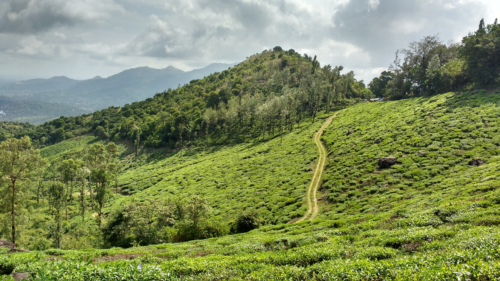
If you’re looking for a trekking destination in India that combines lush forests, misty hills, spice-scented air, and the gentle rhythms of the Western Ghats — then Wayanad should be on your bucket list. Nestled in the verdant Ghats of northern Kerala, Wayanad offers some of the most accessible yet rewarding treks in the region.

The hills, peaks, caves and forested tracks here give you a taste of mountains, wilderness and local tribal culture — often all in the same trip. As per Kerala Tourism and district-level information, Wayanad is celebrated for its rich biodiversity, rolling hills and thriving ecotourism.
In this guide — “Best trekking trails in Wayanad” — I’ll take you through every major trek worth doing, the best seasons, how to reach and stay, budgeting, packing, safety and offbeat experiences. Whether you’re a seasoned trekker or trying your first mountain hike, this is your one-stop roadmap to explore Wayanad on foot.
Quick Snapshot
| What? | Highlights |
|---|---|
| Region | Wayanad, Kerala — in the Western Ghats, lush hills, forests & spice plantations |
| Best trekking hills/trails | Chembra Peak, Banasura Hill, Edakkal Caves route, Pakshipathalam Bird Sanctuary trek, Kurumbalakotta Hill, Neelimala Viewpoint trek (and some offbeat forest paths) |
| Best time for trekking | October to February (post-monsoon to winter) — cool, clear, ideal. |
| Entry / Permits | Most treks require forest-department permission; some have regulated entry — e.g. Chembra Peak limits 200 persons/day. |
| Base towns to stay | Kalpetta, Meppadi, Vythiri — with homestays, budget lodges & moderate resorts |
| Why trek here | Pleasant climate, panoramic views, varied trails (peaks, caves, forest walks), biodiversity, cultural/tribal flavour |
Why Trek in Wayanad?
- Natural diversity & scenic beauty: Wayanad lies in the Western Ghats — hills, evergreen forests, spice plantations, rivers, and misty valleys define its landscape.
- Wide variety of treks for different skill levels: From moderate-day hikes like Chembra Peak to easier hilltop views like Kurumbalakotta — there are trails for beginners and experienced trekkers alike.
- Blend of wilderness and culture: Forests, wildlife, tribal communities, plantations, and even intriguing caves (with ancient petroglyphs) — offering more than just a hike.
- Good infrastructure & accessibility: Road connectivity, availability of homestays and local guides, regulated trekking permits (forest department) help ensure a safer, organized experience.
- Ideal for responsible, eco-conscious travel: Compared to overtourism hotspots, Wayanad remains relatively low-impact; trekking encourages slower travel and greater nature appreciation.
Best Time to Trek: Seasonal Breakdown
Wayanad experiences a tropical highland climate shaped by the Western Ghats.
- Winter (October to February): This is the peak season. Temperatures generally range between ~10 °C to 25 °C in the hills. Crisp mornings, clear skies — ideal for trekking and panoramic views.
- Post-monsoon (October–November / December): Lush greenery, refreshed water bodies, pleasant humidity, and post-rain freshness — unbeatable for trekking right after monsoons.
- Summer (March to May): Can get warm (20–35 °C) but manageable in early morning/late afternoon treks — though lower altitude treks may feel hot.
- Monsoon (June to September): Forests become dense, waterfalls swell, but heavy rainfall can make trekking risky (slippery trails, less visibility). Trekking during monsoon not generally recommended.
Bottom line: For most trekkers, October to February — or post-monsoon (late October–November / December) — is the sweet spot: green, cool, and accessible.
How to Reach Wayanad
By Air:
Nearest major airports are at Kozhikode International Airport (Calicut) — about ≈ 76 km from Wayanad plains (though the hilly drives are longer), and Bengaluru International Airport if coming via Karnataka. After landing, hire a taxi or take a bus to Wayanad.
By Rail:
Kozhikode (Calicut) is the nearest major railhead. From there, regular buses and taxis connect to towns in Wayanad (Kalpetta, Meppadi, etc.).
By Road:
Wayanad is accessible via scenic mountain passes — from Kozhikode through Thamarassery Ghat Pass, or from Mysore/Bengaluru via forested roads. Once in Wayanad, internal road connectivity is good, taking you to trailheads or homestays. The region’s plantation-and-forest roads offer a flavourful arrival.
Where to Stay: Base Towns & Budget Range
| Base Town / Area | Why Stay Here | Approx Budget* |
|---|---|---|
| Kalpetta | Centrally located, good for accessing multiple treks, nearby facilities, shops, eateries | ₹800–₹1500 (budget guesthouses), ₹2000–₹4000 (mid-range lodges) |
| Meppadi | Close to certain treks (like Chembra); quieter, scenic | ₹1000–₹2200 (homestays / guesthouses) |
| Vythiri / Lakkidi / Wayanad countryside | For tranquil, nature-immersed stays — plantations, spice farms, hills, fewer crowds | ₹1200–₹3000 (eco-lodges, homestays) |
* Typical budget ranges for low–mid stay. High-end resorts can be costlier.
Staying in homestays or small eco-lodges often adds warmth — you may get home-style Kerala meals, local interactions, and easy access to guides.
Top Trekking Trails in Wayanad
Here’s a deep dive into the major trekking trails you should consider — from popular peaks to offbeat viewpoints and forest hikes.
Chembra Peak

- Elevation & Significance: At roughly 2,100 m above sea level, Chembra is the highest peak in Wayanad.
- Trail & Duration: Trek begins near the forest office (close to Meppadi); the permit counter is the entry point, though actual start is about 1 km away. The round-trip trek to the famous “heart-shaped lake” and back is about 7 km. Lengthwise, total time is roughly 4–6 hours at a comfortable pace.
- Difficulty & Permits: The trek is rated moderate. Basic fitness and familiarity with walking long distances are sufficient. Trekking requires a permit from the forest/eco-tourism office (usually Meppadi Forest Office). The number of trekkers is limited — only 200 people per day allowed. Camping or overnight stay at Chembra is not allowed.
- Best Season: Post-monsoon and winter (October–February) — when the lake is full, meadows are green, and views are clear.
- What Makes It Special: The heart-shaped lake on the way — a lush meadow, forest views, and panoramic hills. From vantage points, you may see valleys, hills of Nilgiri, Kozhikode district and beyond.
- Tips: Start early; carry your own water/food (no stalls on trail). Entry ends by early afternoon (some sources say 2 pm or 5 pm depending on package/timing).
Banasura Hill Trek

- What & Where: Banasura — forested hill above the famous Banasura Sagar Dam (largest earthen dam in India) — offers forest-to-hill trekking with a mix of grasslands, rocky terrain, and forest cover.
- Trail & Duration: One of the commonly used routes is via Meenmutty → Kattukunnu → Aanchola. Entry typically early morning (~07:30 AM) for small groups (entry for about 75 people per slot). The trek is moderately strenuous; often suitable for ages 11 and above.
- Permits & Charges: Forest-department permission is required. According to DTPC-Wayanad listing, there are organized contact numbers for trekking. Local guide accompaniment is mandatory per forest rules.
- What You Get: Great views of hills and the dam reservoir below, possibility of spotting wildlife or hearing forest sounds, and relatively less crowded compared to Chembra. Also — if you combine visit to the dam or nearby waterfalls (e.g. Meenmutty waterfall), the experience becomes richer.
- Best Season: Post-monsoon to winter — when forest cover is green, streams flow, and weather remains pleasant.
Edakkal Caves Trek / Trail

- What & Where: The Edakkal Caves — not a “peak trek” but a hike up to a rocky outcrop which leads to ancient caves, with stone carvings & pre-historic petroglyphs, plus sweeping views.
- Trail Details: From the parking/ticket counter, you hike up a short forested slope /path to reach the caves. The walk isn’t very long, but the climb is a bit steep and involves uneven terrain — so moderate-difficulty at least.
- Why It’s Worth It: Inside the caves you see ancient carvings (historical interest), and from the hill you get panoramic views of Wayanad’s forested hills and valleys. It’s a good mix of history + relatively easy adventure.
- Best Season: Since this is more about rock & cave — avoid heavy monsoon for slippery trails. Post-monsoon/winter ideal.
Pakshipathalam Bird Sanctuary Trek (and forest trails)

- What & Where: The region of forest & hills around the Pakshipathalam Bird Sanctuary in Wayanad — known for forest trails, birdlife, and remote, offbeat trekking paths. Wayanad’s forests and wildlife sanctuaries make it a good fit for trekkers who enjoy wilderness and solitude.
- Trail & Experience: Trekking here is less “peak-hike” and more “forest hike + viewpoint + nature & birdwatching.” You walk through thick forest cover, might experience wildlife, birds, native flora. Since these are forest zones, trails may be rough and require guidance/permit as per forest-department rules.
- Best For: Nature lovers, bird watchers, photographers, people seeking quiet and off-the-beaten-path treks, not just panoramic summit views.
- Best Season: Post-monsoon to winter — when forest is lush but trails are not overly muddy; monsoon may make tracks slippery/risky.
Kurumbalakotta Hill Trek

- What & Where: Kurumbalakotta Hill — a viewpoint hill offering sweeping views of other hills like Chembra, Banasura, Ambukuthi etc.
- Trail & Difficulty: The trek begins from a place called Malankara — about 2.5 km trek via bumpy, unpaved paths and rocky ascent. It’s moderately challenging due to uneven terrain, but not very long. Many people combine a jeep ride plus a short hike if they prefer.
- Why It’s Special: At the top — panoramic, 360° views of multiple hills of Wayanad, forested valleys, misty mornings; a peaceful viewpoint without the crowds you may find at major peaks. Great for photography, sunrise / sunset views — especially for trekkers looking for a lighter hike.
Neelimala Viewpoint Trek (and Other Minor/Offbeat Hikes)
Beyond the main popular trails, Wayanad offers several lesser-known — but beautiful — treks: hills, viewpoints, forest paths, plantation-edge walks and forest-cave combinations. For example: a trek to Neelimala viewpoint, or short forest hikes in the outskirts of Wayanad’s villages/plantations. Local guides and homestays often help map these offbeat routes.
These treks might require more flexibility, some trail-finding skills, and guidance — yet reward you with solitude, authentic nature, and unique perspectives.
Offbeat & Tribal Trails
While the big peaks draw most trekkers, Wayanad’s lesser-known trails — forest paths, tribal villages, plantation-edges, and forest-to-village walks — can be deeply enriching. Some of these:
- Forest trails around sanctuary zones (with permission) — good for birdwatching, spotting wildlife, understanding tribal life.
- Plantation-edge walks (tea, coffee, spice plantations) — often around homestays, giving a glimpse of local agrarian life.
- Village-to-forest hikes, or hikes connecting hamlets and forest patches — allow a mix of cultural immersion and nature.
These are usually guided by local residents or tribal guides (as permitted by authorities), and offer a perspective different from standard tourist treks. They reward patience, curiosity, and respect for local culture.
Suggested Itineraries
1-Day Trek + Easy Exploration (for short trips)
- Morning: Trek to Chembra Peak — reach early, do the heart-lake walk.
- Afternoon: Return, have lunch in Meppadi / Kalpetta.
- Late Afternoon: Visit Edakkal Caves (if time permits) for a light historical hike.
- Evening: Relax at your stay; enjoy local Kerala meal, tea estates or plantation sunset view.
Ideal for: Short weekend trips, travellers with limited time, or first-time trekkers trying to taste Wayanad.
3-Day Adventure + Hill-to-Forest Combo
Day 1: Arrive → Settle in Kalpetta or Meppadi → Short forest/walk or village-edge stroll
Day 2: Early morning — Trek Chembra Peak → Afternoon rest → Evening visit to a plantation / local village
Day 3: Trek Banasura Hill, maybe explore Banasura Sagar Dam area or nearby waterfalls — then depart
Why this works: Combines a major peak trek + moderate hill trek + local culture/relaxation; gives a balanced Wayanad experience.
5-Day Immersive Trek & Nature Circuit
Day 1: Arrive, settle in homestay (Kalpetta/Meppadi), rest, prepare gear
Day 2: Trek to Kurumbalakotta Hill (easy to moderate) — viewpoint, photography, sunrise/sunset
Day 3: Early morning Chembra Peak trek — entire day (lake + meadows)
Day 4: Forest / tribal / offbeat trail or Pakshipathalam region hike — birdwatching / wilderness walk
Day 5: Visit Edakkal Caves, local tribal villages / plantations, relax, depart
Why this works: Gives a mix of hills, forest, cultural exposure, rest and relaxed exploration. Great for trekkers wanting depth, not just a quick hike.
Costs & Budgeting
| Item / Activity | Typical Cost / Range* |
|---|---|
| Basic homestay / guesthouse (per night) | ₹800–₹1500 |
| Mid-range lodge / eco-stay (per night) | ₹2000–₹4000 |
| Trek permit/entry (e.g. for peaks) | Varies — e.g. group Chembra permit ~ ₹750 per 10 persons (Indian nationals) |
| Local guide (where required) | Often included in permit fee; otherwise modest — but varies; confirm at forest office |
| Food (local meals / homestay meals) | ₹150–₹400 per meal depending on the place & meal type |
| Transport (internal — taxi / bus) | Depends on distance; local bus/taxi charges vary; plan buffer for forest-area drives |
* Costs are indicative — vary by season, group size, and stay/guide choices.
Local Transport Guide
Once you arrive in Wayanad (from airport or railhead), the following transport options are common:
- Local buses & minibuses: Between main towns (Kalpetta, Meppadi, Vythiri, etc.) — good for budget travellers.
- Taxis / private jeeps: For reaching remote trailheads or forest-entry points (especially early morning).
- Motorbike / scooter rental: If available — gives flexibility to explore on your own.
- Walking / arranged trek-pickup: Many homestays or local guides offer transport or pickup to trek starting points.
Because many treks begin from forest offices or remote parking spots, using taxi/jeep early morning is often most practical, especially for sunrise starts.
Food & Cuisine — What to Eat in Wayanad
Staying in local homestays or small lodges gives you a taste of Kerala’s regional flavours:
- Simple Kerala meals — rice, curry (vegetarian or non-veg), local vegetables, fresh coconut-based dishes.
- Spice & plantation produce — Wayanad is known for spices, coffee, tea; often you find fresh produce or plantation-style meals.
- Tea / coffee at plantations — ideal after a trek or as a relaxing break.
- Fresh water & local snacks — carry some if going for day-treks (since treks often don’t have food stalls). For example, on Chembra day-hike, there are no food stalls on trail.
Safety, Health & Permits
- Forest permission mandatory for most well-known treks (peaks, forest / sanctuary treks). For example, for Chembra Peak you must secure permit at forest office/ticket counter.
- Group limits & regulated entry: Chembra — 200 trekkers per day limit.
- Never trek after dark or overnight, unless officially permitted (most popular treks prohibit overnight stays due to wildlife and forest protection). Chembra does not allow camping/overnight.
- Carry valid ID / documents: Forest office may ask for ID before permit. Many homestays & guides advise the same.
- Stay eco-conscious: Wayanad is home to forests, wildlife corridors, tribal communities — avoid plastic, littering; respect wildlife, noise, local communities. Many treks (e.g. Chembra) have strict rules (plastic-free zones).
- Health & weather caution: In higher elevations, mornings & nights can be cold — pack warm clothes. Avoid treks during heavy rains / monsoon due to slippery terrain & risk of landslides / flooding.
Essential Packing Checklist
- Lightweight but sturdy trekking shoes — for rocky, uneven forest/peak trails
- Comfortable clothes (quick-dry / moisture-wicking) + a warm layer (for early morning / higher altitudes)
- Rain protection — in case of sudden showers (though avoid treks in heavy monsoon)
- Sufficient water + energy snacks (no guaranteed shops on treks)
- Basic first-aid kit, insect repellent (forest areas)
- Valid ID, permit, and emergency contact number
- Reusable water bottle / metal flask (to avoid plastic — many treks enforce plastic-free rules)
- Torch / flashlight (early morning / late evening travel)
- Light backpack (daypack) — with essentials (food, water, jacket, camera)
Responsible Trekking & Eco-Ethical Travel in Wayanad
Trekking in Wayanad — or anywhere in the Western Ghats — comes with responsibility. Here’s how you can contribute:
- Respect forest rules & regulations — obtain permits, stick to marked trails.
- Avoid littering — carry back all trash. Use reusable bottles, avoid plastic.
- Respect wildlife & local habitats — keep noise levels down, avoid disturbing animals or birds.
- Support local economy — stay in homestays, hire local tribal or village guides, eat local food, buy local produce or handicrafts.
- Travel in small groups — avoid large crowds in fragile areas; helps reduce environmental stress.
- Be culturally sensitive — many areas are home to tribal communities; respect their traditions, privacy, and local customs.
By trekking responsibly, you help preserve Wayanad’s fragile ecosystem and ensure that future travellers can enjoy the same natural wonders.
Conclusion
Wayanad is a hidden jewel in the Western Ghats — a place where hills, forests, spice plantations, tribal heritage and nature’s raw beauty converge. Its trekking trails, from popular peaks like Chembra and Banasura to quiet forest paths and historical caves, offer something for every kind of adventurer. If you go with respect, patience, and a spirit of discovery — Wayanad will reward you with misty valleys, calm forest mornings, panoramic views, and memories that stay long.
Whether you’re planning a quick getaway or a deeper nature escape — let Wayanad be your next trek.
Read more: Attractions
FAQs
A: For most major treks (like Chembra Peak, Banasura Hill, forest/sanctuary treks), yes — you need a permit from the forest or eco-tourism department. Always check at the forest-office or local tourism/guide service before starting.
A: No — overnight camping is not allowed on Chembra Peak, as per forest regulations.
A: The ideal and safest months are October to February — cool, dry or post-monsoon climate makes trekking safe and enjoyable. Avoid heavy monsoon (June–September) for major treks.
A: For beginners, Kurumbalakotta Hill or Edakkal Caves hike are good starting points — shorter treks, less strenuous, manageable terrain, scenic views.
A: For many treks (especially forest/sanctuary areas, Banasura, etc.), local guides are required as per forest department regulation. For Chembra, the trail is well-marked and a guide is not strictly needed — but strongly recommended for better experience and safety.
A: Avoid trekking during heavy rainfall or just after heavy rains — as trails get slippery, streams swell, and risk of landslides or hazards increases. Always check weather forecasts and forest-department advisories.
A: A 3-day plan gives you a good mix of major treks (one big + one moderate) plus local culture/relaxation. For more immersive experience (forest, viewpoint, local life), 5 days is ideal.
A: Yes — especially on well-marked treks like Chembra or Kurumbalakotta. But for forest / sanctuary / offbeat trails, it’s safer to go with a group or with a certified local guide.
A: Yes — easier hikes like Edakkal Caves, Kurumbalakotta, or guided forest trails can be family-friendly. For steeper treks, ensure children are comfortable walking uphill and follow forest rules strictly.



.jpg)
