Did you know that Kerala’s vibrant dance forms like Kathakali and Mohiniyattam have been captivating audiences for over 500 years? These performances are more than just art—they are a living testament to the region’s rich heritage and cultural legacy. Kerala’s dance traditions are deeply rooted in storytelling, blending intricate movements, colorful costumes, and soulful music to create an unforgettable experience.

Across the world, Kerala is celebrated as a hub of cultural tourism, thanks to its unique art forms. From grand cultural centers to intimate local venues, every performance offers a glimpse into the state’s artistic soul. Watching these dances is akin to witnessing the natural beauty of Kerala—both leave you in awe.
This article invites you to explore the heart of Kerala’s dance culture. Discover the venues where history comes alive, and immerse yourself in the magic of these timeless performances. Let’s embark on a journey to uncover the essence of Kerala’s artistic traditions.
Key Takeaways
- Kerala’s dance forms like Kathakali and Mohiniyattam have a history spanning over 500 years.
- These performances are a celebration of the state’s rich cultural heritage.
- From grand stages to intimate venues, every show offers a unique experience.
- Kerala’s dance traditions have gained global recognition, boosting cultural tourism.
- Watching these dances is as mesmerizing as experiencing Kerala’s natural beauty.
Overview of Kerala’s Cultural Heritage
Kerala’s cultural heritage is a vibrant tapestry of art, music, and storytelling, with dance playing a central role. For centuries, the state has celebrated its traditions through performances that are both visually stunning and deeply meaningful. These art forms are not just entertainment—they are a way of life, reflecting the region’s history and values.
Dance and music are woven into the daily lives of Kerala’s communities. From festivals to religious events, these performances are integral to local celebrations. They serve as a medium to preserve stories, traditions, and narratives passed down through generations. Each movement and rhythm carries the weight of history, connecting the present to the past.
Kerala’s modern cultural expressions are shaped by its rich history. Influences from regional kingdoms, trade, and spirituality have left an indelible mark on its art forms. Today, this heritage is celebrated in temples, cultural centers, and festivals across the state. Understanding this background is essential to fully appreciate the artistry behind each performance.
Here’s a quick look at how Kerala’s cultural heritage is preserved and celebrated:
| Aspect | Description |
|---|---|
| Festivals | Major events like Onam and Thrissur Pooram feature traditional performances. |
| Temples | Many temples host dance and music performances as part of rituals. |
| Cultural Centers | Venues like Kerala Kalamandalam promote and preserve traditional art forms. |
| Daily Life | Dance and music are part of community gatherings and celebrations. |
Exploring Kerala’s cultural heritage offers a deeper understanding of its art forms. As we delve further, you’ll see how these historical roots shape the modern experiences described in later sections.
Best places to experience Kerala’s traditional dance forms
The roots of Kerala’s dance forms stretch back centuries, blending art, history, and spirituality. These performances are more than just art—they are a window into the region’s cultural heritage. From ancient temples to modern stages, these traditions have evolved while preserving their essence.

Historical Roots of Kerala Dance
Kerala’s dance forms, like Kathakali, have origins dating back over 500 years. These performances were initially used to narrate epic tales from Indian mythology. The intricate movements and vibrant costumes are designed to convey emotions and stories without words.
Venues like Kerala Kalamandalam and the Kerala Kathakali Centre play a vital role in preserving these traditions. They offer a space where history comes alive, allowing audiences to connect with the past through dance.
Global Recognition and Local Pride
Today, Kerala’s dance forms have gained international acclaim. They are showcased at global cultural festivals, bringing the state’s cultural heritage to the world stage. Locals take immense pride in these traditions, ensuring they are passed down to future generations.
From temple festivals to prestigious theaters, there are numerous places to witness these performances. Whether you visit a well-known cultural center or a hidden gem, each venue offers a unique glimpse into Kerala’s artistic soul.
Diverse Dance Forms and Their Stories
Kerala’s dance forms are a mesmerizing blend of art, emotion, and tradition, each telling a unique story. These performances are not just entertainment—they are a reflection of the region’s heritage and cultural identity. From the dramatic Kathakali to the graceful Mohiniyattam, every dance form has its own narrative and charm.

Kathakali and Mohiniyattam: Iconic Traditions
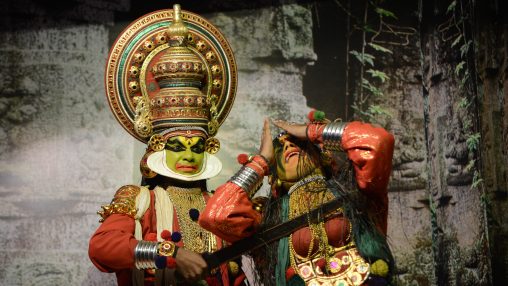
Kathakali is renowned for its elaborate makeup, expressive poses, and traditional music. This dance form brings to life epic tales from Indian mythology, captivating audiences with its vibrant aesthetics. Performers use intricate movements and facial expressions to convey emotions, making it a visual storytelling masterpiece.
Mohiniyattam, on the other hand, is celebrated for its graceful fluidity and subtle expressions. Often referred to as the “dance of the enchantress,” it embodies the feminine charm and storytelling traditions of Kerala. The gentle swaying movements and lyrical music create a serene and captivating experience.
Thiruvathirakkali, Kolkali, and More
Thiruvathirakkali and Kolkali add a communal energy to Kerala’s dance traditions. Thiruvathirakkali, performed by women during festivals, is a rhythmic group dance that celebrates unity and joy. Kolkali, a folk dance performed with sticks, showcases the vibrant spirit of local celebrations.
These group performances are deeply rooted in Kerala’s cultural fabric. They bring communities together, creating a festive atmosphere that enlivens every occasion. Whether it’s a temple festival or a village gathering, these dances are a testament to the region’s artistic vibrancy.
“Every movement in Kerala’s dances tells a story, connecting the past to the present.”
Here’s a quick overview of where you can experience these dance forms:
| Dance Form | Venue |
|---|---|
| Kathakali | Kerala Kalamandalam, Kochi Cultural Center |
| Mohiniyattam | Kerala Kathakali Centre, Thrissur Pooram Festival |
| Thiruvathirakkali | Onam Celebrations, Temple Festivals |
| Kolkali | Village Gatherings, Folk Festivals |
Kerala’s dance forms are more than just performances—they are a celebration of its rich heritage. Each dance tells a story, preserving the region’s history and cultural identity. Whether you’re watching a Kathakali performance or joining a Thiruvathirakkali circle, you’re experiencing the heart of Kerala’s artistic soul.
Regional Venues to Witness Traditional Dance
Kerala’s regional venues are a treasure trove of cultural performances, offering a deep dive into its artistic legacy. From grand theaters to intimate local stages, each place provides a unique way to connect with the region’s heritage. These venues are not just spaces for performances—they are cultural hubs that preserve and celebrate Kerala’s traditions.
Famous Cultural Centers and Theaters
Kerala Kalamandalam in Thrissur is a cornerstone of the state’s artistic traditions. Established to promote and preserve classical dance forms, it offers regular performances and training programs. The intricate costumes and authentic settings here bring the art to life, making it a must-visit for enthusiasts.
Another iconic venue is the Kerala Kathakali Centre in Kochi. Known for its vibrant Kathakali performances, this center immerses visitors in the world of storytelling through dance. The detailed makeup and expressive movements of the performers are a visual treat, showcasing the essence of Kerala’s cultural heritage.
Hidden Gems in Thrissur, Kochi, and North Malabar
Beyond the well-known centers, Kerala is home to hidden gems that offer intimate and authentic experiences. In Thrissur, small temples and local festivals often feature traditional performances. These events are deeply rooted in community life, providing a glimpse into the region’s artistic soul.
North Malabar, with its rich cultural tapestry, hosts lesser-known venues that celebrate folk dance forms. These performances, often held during local festivals, are a testament to the region’s vibrant traditions. Exploring these off-the-beaten-path locations allows visitors to experience the full spectrum of Kerala’s artistic heritage.
Here’s a quick guide to some of the top venues:
| Venue | Location | Performance Type |
|---|---|---|
| Kerala Kalamandalam | Thrissur | Kathakali, Mohiniyattam |
| Kerala Kathakali Centre | Kochi | Kathakali |
| Local Temples | Thrissur | Traditional Ritual Performances |
| North Malabar Festivals | North Malabar | Folk Dances |
Whether you visit a renowned cultural center or a hidden gem, each venue offers a unique way to experience Kerala’s artistic traditions. These spaces not only preserve the state’s heritage but also connect visitors to its vibrant cultural heartbeat.
Planning Your Cultural Journey
Planning a trip to immerse yourself in Kerala’s cultural performances requires thoughtful preparation. From booking tickets to understanding local traditions, every detail enhances your experience. Here’s how to make the most of your cultural adventure.
Insider Tips for a Memorable Experience
Start by researching performance schedules at cultural centers like Kerala Kalamandalam and the Kerala Kathakali Centre. These venues often host regular shows, but booking tickets in advance is highly recommended. Weekends and festival seasons are particularly busy, so plan accordingly.
Local guides can provide invaluable insights into the history and significance of each dance form. They can also help you navigate event calendars and suggest hidden gems off the beaten path. Engaging with the community adds depth to your journey, allowing you to connect with the stories behind the performances.
Local Costumes, Traditions, and Performance Schedules
Traditional costumes play a vital role in Kerala’s performances. The vibrant attire and intricate makeup of Kathakali, for example, are as much a part of the experience as the dance itself. Many venues offer behind-the-scenes tours where you can learn about the preparation process.
Combine your visit to cultural centers with trips to historical and scenic places. This creates a well-rounded itinerary that balances art, history, and nature. For instance, after a Kathakali show, explore nearby temples or take a stroll along Kerala’s serene backwaters.
Here’s a quick checklist for planning your trip:
- Check performance schedules and book tickets early.
- Hire a local guide for deeper cultural insights.
- Explore nearby historical and scenic attractions.
- Engage with local communities to learn about the stories behind each dance form.
By following these tips, you’ll ensure a seamless and enriching cultural journey. Kerala’s artistic traditions are waiting to captivate you—prepare well, and you’ll leave with unforgettable memories.
Conclusion
Kerala’s artistic expressions, rooted in centuries-old traditions, continue to captivate audiences globally. Each dance performance is a unique window into the region’s rich heritage, blending storytelling, vibrant costumes, and intricate movements. Whether witnessed in grand theaters or local festivals, these art forms leave a lasting impression.
From Kathakali’s dramatic poses to Mohiniyattam’s graceful sway, every form tells a story that connects the past to the present. These performances are not just entertainment—they are a celebration of Kerala’s cultural identity, drawing enthusiasts from around the world.
Plan your journey today and immerse yourself in this timeless artistry. Kerala’s dance traditions await, offering an unforgettable glimpse into its vibrant soul. Explore, cherish, and celebrate these living treasures as part of your cultural adventure.
Read more: Attractions
FAQ
Kerala’s dance forms are deeply rooted in its cultural heritage. They blend storytelling, vibrant costumes, and intricate movements, making them stand out globally.
You can experience these iconic traditions at cultural centers like Kerala Kalamandalam in Thrissur or venues in Kochi and North Malabar.
Yes, forms like Thiruvathirakkali and Kolkali are equally captivating, often performed during festivals and cultural events.
While there’s no strict dress code, wearing modest attire shows respect for the local culture. Some venues may suggest traditional Kerala costumes for a more immersive experience.
Check performance schedules at cultural centers or local theaters. Arriving early ensures you get the best seats and can explore the venue’s heritage.
Absolutely! Kathakali and Mohiniyattam, in particular, have gained global acclaim for their artistic depth and cultural significance.