Coimbatore is one of those rare Indian cities where food is not just a necessity — it’s a quiet obsession. Known for its industrious spirit and warm culture, this Tamil Nadu city hides a culinary universe that blends Kongu Nadu traditions, temple-style cooking, and the unmistakable charm of South Indian breakfasts. If you are someone who travels to discover what a city tastes like, then exploring the famous South Indian food in Coimbatore is a journey you will remember long after your plates are empty.

According to Coimbatore district administration data, the region lies in the heart of Kongu Nadu, a historical Tamil region known for its millet-based dishes, coconut oils, and spicy yet balanced flavors. Coimbatore’s food scene is not flashy — there are no attention-seeking plates or overdone presentations — yet the authenticity and depth of its flavors have made the city a must-visit destination for culinary enthusiasts from across India.
Whether you’re seeking crispy ghee roast dosas at dawn, bun parottas after dark, or piping hot filter coffee served with the seriousness of a cultural ritual, Coimbatore serves it all. And yes — the city is absolutely worth visiting just for its food.
Quick Snapshot
| Feature | Details |
|---|---|
| Region | Coimbatore, Tamil Nadu, India |
| Culinary Identity | Kongu Nadu cuisine, vegetarian South Indian staples, temple-style food, street food |
| Meal Culture | Breakfast is taken seriously; lunch is wholesome; evenings are for snacks and coffee |
| Must-Try Dishes | Ghee Roast Dosa, Annapoorna Filter Coffee, Kothu Parotta, Idiyappam, Podi Idli, Arisi Paruppu Sadam |
| Ideal Trip Duration | 2–5 days for a complete food trail |
| Best Time to Visit | October–March for pleasant weather and outdoor food experiences |
Why Explore the Food Culture of Coimbatore?
Coimbatore’s culinary landscape stands apart from cities like Chennai or Madurai. While Tamil Nadu broadly shares a love for idlis, dosas, chutneys, and sambar, Coimbatore infuses subtle local variations driven by climate, agrarian history, and trade patterns.
Here’s why food lovers should not skip this city:
- Kongu Nadu Influence: This region traditionally avoided rice-heavy meals; instead, millets, lentils, and oil-pressed coconut defined diets.
- Naturally Balanced Flavors: Coimbatore does not assault you with spice. Its dishes are clean, delicate, and made slowly — the culinary equivalent of a friendly conversation rather than a shout.
- Street Food That Doesn’t Pretend: Here, the bun parotta and kothu parotta rule evenings. You may find queues long, but the wait is always worth it.
- Temple Food Practices: Meals are prepared with mindfulness, minimal waste, and sacred culinary traditions.
- Filter Coffee Culture: This city treats coffee like art — nothing is accidental in its preparation.
For anyone seeking authentic South Indian vegetarian food in Coimbatore, this city is paradise.
Best Time to Visit for a Culinary Trip
According to IMD temperature data, Coimbatore enjoys a semi-arid climate but remains pleasant through much of the year.
Seasonal Breakdown
- October to March: The best time for food walks and outdoor markets. Mornings are crisp, making idli, pongal, and filter coffee feel heavenly.
- April to June: Warm afternoons but cool evenings — perfect for night street food scenes.
- July to September: Monsoon brings mild showers; many travelers enjoy hot snacks and spicy chutneys during this time.
Food availability remains year-round, but winter mornings and monsoon evenings elevate Coimbatore’s classics to another level.
How to Reach Coimbatore
Coimbatore is one of the most well-connected cities in Tamil Nadu.
- By Air: Coimbatore International Airport handles domestic and international flights. As per Airport Authority of India data, it operates regular flights to major metros.
- By Rail: Coimbatore Junction is connected to key cities across India. According to IRCTC railway listings, several daily trains connect Chennai, Bengaluru, Kochi, and Hyderabad.
- By Road: Well-maintained highways link Coimbatore to Ooty, Palakkad, Erode, Tiruppur, and Salem.
Once inside the city, autos, buses, and app taxis make food exploration seamless.
Where to Stay for Food Lovers
If food is the highlight of your visit, consider these areas:
| Area | Why Stay Here | Ideal Budget Range |
|---|---|---|
| Gandhipuram | Central location, eateries everywhere | Budget to Mid-range |
| RS Puram | Premium cafes, legendary restaurants | Mid-range to Luxury |
| Race Course Road | Upscale, calm streets, great bakeries | Mid to High |
With street stalls, tiffin centers, and legendary restaurants around every corner, no neighborhood is truly bad for eating in Coimbatore — some are simply more deliciously efficient.
Famous South Indian Food in Coimbatore
Here comes the heart of the journey — the dishes that define the city’s culinary soul. Each one tells a story.
Idli with Podi and Ghee

Coimbatore believes that an idli is not merely steamed rice cake — it’s a morning ritual. Soft, cloud-like idlis are served with podi (spiced lentil powder) and molten ghee that melts into every pore. Locals take breakfast seriously and often pair idli with coconut chutney and sambar that is neither watery nor overly spicy.
Best time to eat: Breakfast
Ghee Roast Dosa

If idli is the soul of mornings, dosa is the city’s pride. The Ghee Roast is a large, crisp, cone-shaped dosa drizzled generously with golden ghee. Coimbatore’s version is lighter and more aromatic than its counterparts in Chennai or Bengaluru.
Kothu Parotta

KARTY JazZ, CC BY-SA 4.0, via Wikimedia Commons
This dish is theatre — literally. The sound of spatulas hitting steel plates fills evening air across the city. Kothu Parotta uses shredded parotta sautéed with eggs or vegetables, spices, and salna (gravy), creating a smoky, textured evening delight.
Best experienced late evening, often after 8 PM.
Bun Parotta

An iconic Coimbatore specialty — thicker than ordinary parotta, soft like a bun, slightly sweet, and always unforgettable. It’s paired with kurma or salna and is pure culinary comfort.
Idiyappam with Coconut Milk

A Kongu Nadu staple, these steamed rice noodles are served with sweet coconut milk or mild vegetable stew. Light, aromatic, and deeply satisfying.
Arisi Paruppu Sadam

A signature Kongu dish. A comforting blend of lentils and rice tempered with ghee, curry leaves, and spices. It represents the rustic culinary simplicity of the western Tamil Nadu belt.
Paniyaram
Crisp on the outside, molten inside — these are rice-lentil dumplings made in special moulds. Served with coconut chutney, they are a staple evening snack.
Filter Coffee

Coimbatore’s filter coffee has a cult following. Brewed with freshly roasted beans and served in steel tumblers, it’s frothy, fragrant, and strong without being aggressive.
Locals do not rush while drinking coffee — they savor it.
Kongu Style Chutneys
Expect variations beyond what you know. Coconut, roasted horse gram, peanut, and onion chutneys make every breakfast feel new.
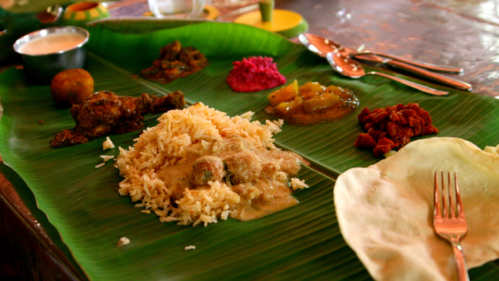
South Indian Vegetarian Thali
Most thalis here include:
- Sambar
- Rasam
- Poriyal (vegetable side)
- Pachadi (curd-based)
- Rice
- Appalam
- Pickles
- Payasam (dessert)
It’s a balanced meal that respects both taste and digestion.
Street Food & Night Eats
While Chennai owns the late-night biryani scene, Coimbatore owns the parotta universe. After sunset, roadside stalls begin rolling dough, firing tavas, and turning the air fragrant with ghee.
Popular nighttime staples include:
- Kothu Parotta
- Kalakki (a softer egg dish)
- Bun Parotta
- Kuzhi Paniyaram
- Dosa with garlic chutney
The best part? These are not overpriced. According to local food business guidelines, Coimbatore remains affordable for most Indian travelers.
Suggested Food Itineraries
1-Day Itinerary
Morning: Idli + Coconut chutney + Filter coffee
Lunch: Arisi Paruppu Sadam with poriyal
Evening: Paniyaram + Masala tea
Late Night: Kothu Parotta
3-Day Plan
Day 1 covers iconic breakfasts
Day 2 explores Kongu-style thalis
Day 3 focuses on night eats
5-Day Exploration
Add temple kitchens, heritage-style eateries, and millet-based dishes unique to this region.
Costs & Budgeting Table
| Category | Cost Range (Per Person) |
|---|---|
| Breakfast | ₹60–₹180 |
| Meals / Thali | ₹120–₹400 |
| Street Food | ₹40–₹200 |
| Coffee / Beverages | ₹25–₹150 |
| 5-Day Food Trip | ₹1,500–₹4,500 approx. |
Local Transport Guide
Autos and buses dominate the city. Shared autos are an economical choice. App taxis help when hopping between food clusters. Roads are straightforward and safe for solo travellers.
Food Safety, Hygiene & Permits
According to FSSAI guidelines, licensed eateries must adhere to kitchen hygiene, oil quality, and safe food storage. While street vendors serve delicious food, travellers should choose stalls with:
✔ Fresh ingredients
✔ Visible cleanliness
✔ High turnover (indicates freshness)
No permits are required for food trails.
Packing List
Bring:
- Cotton clothing
- Reusable water bottle
- Light jacket (evenings can get breezy)
- Comfortable footwear
- Appetite (non-negotiable)
Responsible & Sustainable Eating
Support businesses that:
- Use local produce
- Avoid plastic tableware
- Pay fair wages
- Preserve culinary heritage
Your food choices sustain local culture.
Conclusion
If food could speak, Coimbatore’s cuisine would whisper stories — of farmlands, temple traditions, coconut groves, and smoky night stalls. Every dish feels personal. Every meal feels like someone has cooked it for you, not for a crowd. And this is why exploring the famous South Indian food in Coimbatore isn’t just a culinary trip — it’s a cultural experience worth taking.
Read more: Attractions
FAQs
Yes, especially for its South Indian breakfasts, parottas, and filter coffee.
3–5 days is ideal.
Moderately. Coimbatore prefers balanced spice, unlike fiery Chettinad cuisine.
Absolutely — it’s a vegetarian paradise.
Breakfast starts as early as 6 AM at many iconic establishments.