
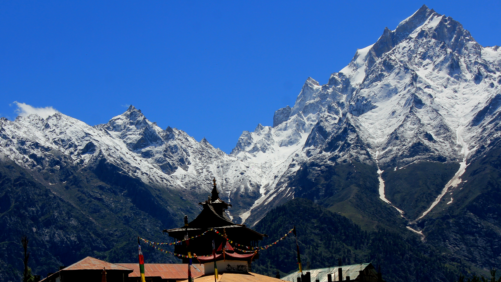
Travelling to India’s hill stations in November is like stepping into a quiet prelude to winter. Days arrive with soft sun, valleys breathe out faint curls of mist, and evenings wrap the mountains in a calm, steady chill. Whether wandering through cedar forests in Himachal, exploring peaceful ridges in Uttarakhand, watching clouds drift across Sikkim’s shoulders, or sipping tea under Meghalaya’s November sky, one truth remains: packing makes or breaks this trip.

November isn’t peak winter, but the cold is real. Some destinations stay comfortably cool at 12–18°C, while others dip to 2–6°C after sunset. The warmth of the afternoons disappears the moment shadows lengthen. Travellers often underestimate this shift — and end up buying expensive sweaters in mountain bazaars. A well-planned packing list keeps the journey light, warm, and effortless.
This guide gathers everything November travellers need to stay comfortable across Pan-India hill stations — Himachal, Uttarakhand, Kashmir, Meghalaya, Sikkim, Arunachal, Ooty, and Kodaikanal — blending seasonal insights, official climate patterns, and the lived experience of generations of mountain travellers.
Quick Snapshot
| Category | Essentials |
|---|---|
| Clothing | Thermals, fleece, padded jacket, wool socks, layering tees |
| Weather | Day: 12–18°C, Night: 2–8°C, colder at higher altitudes |
| Accessories | Gloves, muffler, beanie, sunglasses, rain poncho (Northeast) |
| Footwear | Anti-slip walking shoes + wool socks |
| Skincare | Moisturiser, lip balm, sunscreen |
| Documents | ID, permits (Northeast), hotel confirmations |
| Best Bag Type | 40–50L backpack or medium suitcase |
| Must-Carry | Power bank, hot water bottle (optional), reusable bottle |
Why November Packing for Indian Hill Stations Is Unique
November sits between seasons — “not yet winter” but “no longer autumn.” Hills across India behave differently:
- Himachal & Uttarakhand: Crisp, clear skies; warm afternoons; cold nights.
- Kashmir: Winter crawls in early; frost appears by late November.
- Northeast: Breezy, misty, with sudden drizzles (especially in Sikkim & Arunachal).
- South Indian Hills: Milder and more humid; layering still required after sunset.
This mix creates three packing challenges:
1. Temperatures swing dramatically
A day can move from 16°C sunshine to 4°C chill within hours.
2. Hill travel involves walking
Packing must favour:
- mobility
- grip
- breathable warmth
3. Dry air + altitude make skin extremely sensitive
Lip balm and moisturiser are non-negotiable.
Best Time to Visit (Seasonal Breakdown)
Early November
- Comfortable cool days
- Nights mildly cold
- Ideal for Meghalaya, Uttarakhand lower altitudes, Ooty
Mid-November
- Cold becomes consistent
- Sharp evening winds in Himachal
- Sikkim and Kashmir begin to feel like winter
Late November
- Frosty mornings in high-altitude regions
- Nights often near freezing
- Woollens and thermals become essential
As per IMD seasonal data, November marks the start of winter climatologically across northern and northeastern highlands.
How to Reach (Air, Rail, Road)
By Air
- Himachal: Shimla, Kullu airports (weather-dependent).
- Uttarakhand: Dehradun’s Jolly Grant Airport.
- Kashmir: Srinagar Airport (most reliable).
- Northeast: Guwahati (gateway), Pakyong (Sikkim), Lengpui (Mizoram).
- South Hills: Coimbatore and Madurai airports.
By Rail (per IRCTC network)
Major hill gateways:
- Kalka (Himachal)
- Kathgodam (Uttarakhand)
- Jammu Tawi / Udhampur (Kashmir)
- Guwahati / New Jalpaiguri (Northeast)
By Road
Hill roads are generally open and stable in November unless affected by early snowfall in:
- Rohtang areas
- Auli / Joshimath high stretches
- Sikkim high passes
Always check district administration updates before travelling.
Where to Stay (Neighbourhood Guide + Budget)
Himachal
| Area | Vibe | Budget Range |
|---|---|---|
| Old Manali | Café culture | ₹1200–3000 |
| McLeodGanj | Spiritual, scenic | ₹1000–4000 |
| Shimla Mall Road | Classic hill-town | ₹2000–6000 |

Uttarakhand
| Area | Vibe | Budget |
|---|---|---|
| Nainital Mall Road | Lake views | ₹1500–5000 |
| Mussoorie Landour | Quiet, colonial charm | ₹2000–6000 |
| Auli | Ski slopes | ₹3000–7500 |
Northeast
| Region | Vibe | Budget |
|---|---|---|
| Shillong | Cafés, lakes | ₹1200–4000 |
| Gangtok | Misty & vibrant | ₹1500–4500 |
| Tawang | High-altitude, spiritual | ₹2000–6000 |
Top Things to Do Across November Hill Stations
Sunrise Ridge Walks
Hill stations soften at sunrise — ridges glow pink, valleys hold bowls of mist, and silence feels ancient.
Village Trails & Forest Paths
Oak forests in Uttarakhand, deodar in Himachal, bamboo trails in Meghalaya — each requires comfortable footwear.
Tea Garden Visits

Kangra, Darjeeling, and Meghalaya reveal their most aromatic freshness in November.
Stargazing & Clear Skies
Dry air makes November ideal for night views in:
- Spiti border areas
- Auli
- Umiam outskirts
Warm Food Experiences
Thukpa in Sikkim, smoked pork in the Northeast, momos in Himachal — warm food feels like comfort embodied.

Offbeat & Local Experiences
- Village homestays in Arunachal
- Forest orchard walks in Uttarakhand
- Bonfire evenings in Himachal
- Living root bridges in Meghalaya
- Ropeway rides in Sikkim
- Heritage cemeteries and colonial lanes in South India hills
Detailed Packing List Overview
Packing for November hills means packing for layers — not bulky clothes, but smart combinations.
Clothing Essentials
Base Layers
- Lightweight thermals
- Cotton full-sleeve inner layer
- Breathable leggings (for women)
Mid Layers
- Fleece jacket
- Woollen sweater
- Warm sweatshirt
Outer Layers
- Windproof padded jacket
- Shell jacket (for Northeast drizzle)
- Lightweight down jacket for high-altitude regions
Bottom Wear
- Jeans or trekking pants
- Woollen leggings for colder evenings
- Track pants for comfort
Accessories
- Beanie
- Muffler/scarf
- Gloves (fleece or wool)
- Ear warmers
Footwear Guide
- Anti-slip walking shoes
- Waterproof trekking shoes (for Sikkim / Arunachal)
- Wool-blend socks (2–3 pairs)
- Slippers for the stay
Smooth stone paths + morning frost = slippery surfaces. Shoes are safety gear here.
Toiletries & Personal Care
- Moisturiser (cold dries skin fast)
- Lip balm
- Sunscreen (sun is strong despite cold)
- Hair serum
- Hand cream
- Wet wipes
- Deodorant
- Razor & basic grooming tools
Electronics & Gadgets
- Power bank (10,000–20,000 mAh)
- Camera + extra batteries
- Travel adapter
- Portable torch
- Earphones
- Sim card with good hill coverage (region-specific)
Cold drains batteries quickly — keep electronics insulated at night.
Medicines & First Aid
- Doctor-advised altitude tablets
- Pain relief spray
- Cold & flu medicines
- Band-aids
- ORS sachets
- Antihistamines
- Motion sickness tablets
- Personal prescriptions
Travel Documents
- Aadhaar / Passport
- Hotel booking copies
- ILP (Inner Line Permit) for Arunachal / Mizoram / Nagaland
- Insurance if travelling to high-altitude zones
Sustainable Packing Tips
- Steel bottle
- Bamboo/metal cutlery
- Refillable toiletries
- Cloth tote
- Avoid disposable raincoats
What NOT to Pack
- Heavy woollen blankets
- Bulky overcoats
- Fashion shoes with no grip
- Fancy umbrellas (wind breaks them)
- Multiple sweaters (layer instead of loading luggage)
Region-Wise November Notes
Himachal Pradesh
- Range: 8–16°C (day), 3–6°C (night)
- Winds increase post-sunset
- Thermals + fleece + jacket recommended
Uttarakhand
- Pleasant days
- Cold nights in Auli / Munsiyari
- Layered clothing essential
Kashmir
- Near-winter conditions by late November
- Frosty mornings
- Padded jackets and wool socks mandatory
Northeast (Meghalaya, Sikkim, Arunachal)
- Misty, breezy, light drizzle in some parts
- Stronger winds at high passes
- Waterproof outer layer helps
South Indian Hills
- Mild but cool at night
- Light thermals and a fleece enough
Suggested Itineraries for Packing
1-Day Hill Trip Packing
- 1 thermal layer
- 1 fleece
- 1 jacket
- Wool cap
- Comfortable shoes
- Light day bag with water
3-Day Packing
- 2 thermals
- 2 mid-layers
- 1 padded jacket
- 2 wool socks
- Moisturiser + lip balm
- Gloves & scarf
5-Day Packing
- 3 thermals
- 3 mid layers
- 1 warm outer jacket
- 4 wool socks
- Full toiletries kit
- Power bank
- Camera gear
- Laundry soap sheet
Costs & Budgeting (Approximate)
| Category | Cost (₹) |
|---|---|
| Jacket (good quality) | 1500–4000 |
| Fleece | 600–1500 |
| Thermals | 500–1500 |
| Wool socks | 120–250 (each) |
| Gloves | 150–400 |
| Poncho | 100–200 |
| Moisturiser + lip balm | 150–400 |
| Power bank | 800–2000 |
Local Transport Guide
- Taxis widely available in all hill stations
- Shared jeeps common in the Northeast
- Scooter rentals in some Himachal/Uttarakhand towns
- Walking remains the primary mode within local viewpoints
Food & Cuisine
- Momos, thukpa, and tingmo in Himalayan belts
- Smoked pork & bamboo shoot dishes in Northeast
- Hot chocolate and warm cakes in cafés
- Maggi & chai at ridge viewpoints
A warm meal doubles the comfort of cold evenings.
Safety, Health & Permits
- Check official district advisories for road/landslide updates
- Keep a small torch for power-cut zones
- Avoid late-night treks
- Carry cash — ATMs are sparse in remote areas
- Keep phone battery warm
Packing List (Master Checklist)
Clothing
- Thermals
- Fleece sweater
- Jacket
- Wool socks
- Layering tees
- Trek pants
Accessories
- Gloves
- Beanie
- Sunglasses
Toiletries
- Moisturiser
- Lip balm
- Sunscreen
Electronics
- Power bank
- Camera
- Torch
Documents
- ID
- Permits
Extras
- Tote bag
- Laundry soap
- Reusable bottle
Responsible Travel
- Do not litter — carry back waste
- Support local homestays
- Choose locally-made woollens
- Avoid plastic bottles
- Respect silence in forest zones
Conclusion
Packing for India’s hill stations in November is less about preparing for harsh winter and more about respecting the quiet shift in the mountains as the season turns. The hills breathe differently this month — the air is lighter, colder, and clearer; the sun feels gentle on the skin; and every valley carries a silence that settles into travellers slowly. Those who arrive well-prepared find themselves sinking effortlessly into this rhythm, unbothered by sudden chills or evening winds.
With the right layers, comfortable footwear, thoughtful accessories, and a small kit of personal essentials, travellers stay warm without carrying unnecessary weight. The real joy of these journeys lies in being free — free to walk longer trails, linger in misty viewpoints, explore local life, or sit with a steaming cup of chai as the temperature dips around you. A smart packing list ensures comfort, but more importantly, it creates space for presence. It lets travellers focus on the lush forests of Uttarakhand, the dramatic skylines of Himachal, the mystical fog of Meghalaya, the icy winds of Kashmir, and the calming hills of the South — not on shivering hands or forgotten gloves.
November is the month when the mountains whisper that winter is coming but haven’t yet demanded its strictness. Pack thoughtfully, travel lightly, and the hills will welcome you with warmth that no jacket can replace.
Read more: Attractions
FAQs
A: Days stay cool at 12–18°C, nights dip to 2–8°C and colder in high-altitude regions.
A: Yes, especially mornings and evenings.
A: Light rain occurs in the Northeast. A poncho helps.
A: For Kashmir, Auli, Sikkim high altitudes — yes.
A: Absolutely; 2–4 pairs recommended.
A: Hill sunshine is strong; SPF 30+ needed.
A: Yes, for most places except heavy-snow-prone high passes.
A: Inner Line Permits required for Arunachal, Nagaland, Mizoram.
A: Yes, in many tourist hubs.
A: Most mid-range and premium stays do; budget stays may charge extra

_view_of_Himalayas,_Tungnath_Trail,_Uttarakhand_India_November_2013.jpg)

