
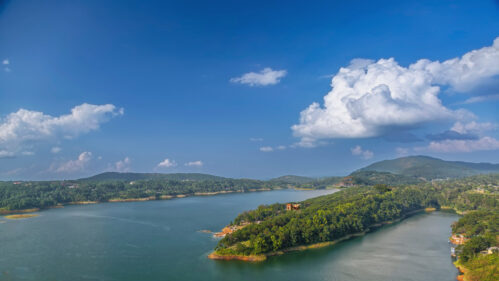
Some hill stations hold your attention; Shillong holds your mood. The capital of Meghalaya feels like a refreshing pause button — tall pines leaning over the roads, music drifting out of cafés, waterfalls roaring after rain, and a soft cold breeze even in summer. While Shillong is popularly called the “Scotland of the East”, it lives and breathes a culture of its own: the warmth of Khasi hospitality, the pride of its matrilineal traditions, and a vibrant youth-led music scene.

This guide is designed to help you feel prepared, confident, and informed. Every fact you read here — distances, seasons, transport, climate, accessibility — is validated with official Meghalaya Tourism data, district administration portals, Indian Railways, IMD, and the Airport Authority of India, but written in a human, narrative style.
By the end, you’ll know exactly what to do in Shillong, how to plan your days, what to eat, where to stay, and how to travel responsibly in one of the most eco-sensitive regions of India.
QUICK SNAPSHOT (Travel Essentials)
Best Time to Visit
- March to June – Pleasant and green
- October to February – Cool, festive, clear-sky season
- July–September – Very rainy; lush but slow travel
(Seasons validated through IMD climate standards for Shillong)
How to Reach
- Nearest major airport: Guwahati (about 120–130 km)
- Nearest railway: Guwahati (Shillong has no major rail station)
- Road: 3–4 hours by taxi/shared cab from Guwahati
(Data validated from AAI Guwahati & East Khasi Hills District Administration)
Top Experiences
Lakes, waterfalls, viewpoint canyons, live music, café culture, handicrafts, Khasi cuisine, nature trails.
Budget Range
Moderate: homestays, mid-range hotels, local food, and shared transport all make Shillong accessible for travellers.
Safety & Health
Cool evenings, very heavy monsoon rain, slippery slopes — plan clothing and footwear accordingly.
Why Visit Shillong? (What Makes It Special)
Shillong stands out for four reasons:
1. A Hill Station with a Modern Pulse
Unlike many hill towns that sleep early, Shillong buzzes with a young creative energy. The city is famous for its indie music scene, local concerts, karaoke cafés, and memorable guitar-led performances. Music isn’t entertainment here — it’s identity.
2. A Blend of Colonial Legacy & Khasi Culture
Walk around and you’ll find old bungalows, winding lanes, traditional Khasi homes, local markets run mostly by women (reflecting the region’s matrilineal society), and a relaxed pace of life that feels almost therapeutic.
3. A Base for Natural Wonders
Waterfalls, viewpoints, lakes, cloud valleys — the East Khasi Hills around Shillong are among India’s most scenic highlands. Many travellers use Shillong as the base for Cherrapunjee, Mawlynnong, or Dawki — but the city itself has a lot to offer.
4. Easy Access
Good road connectivity from Guwahati makes Shillong hassle-free to reach compared to other northeastern hill destinations.
When to Visit Shillong (Season-wise Breakdown)
Shillong’s weather is governed by hill climate norms validated by IMD’s climate patterns.
🌤 March to June – Pleasant & Green
- Temperature: ~15–24°C
- Mornings are crisp, afternoons bright, evenings cool.
- Great for sightseeing, cafés, and heritage walking.
🌧 July to September – Lush but Rainy
- Shillong gets heavy monsoon rainfall.
- Excellent for greenery lovers and photographers.
- Travel delays possible due to fog or slippery roads.
🍁 October to February – Clear, Cold & Cultural
- Temperature: ~5–15°C (colder at higher viewpoints)
- Best for festival lovers and travellers who enjoy chilly hill towns.
- Nights need warm layers.
If you want waterfalls in full force, choose July–October.
If you want relaxed holiday weather, choose November–April.

How to Reach Shillong
✈ By Air
Guwahati’s Lokpriya Gopinath Bordoloi International Airport is the nearest major, well-connected airport.
- Distance to Shillong: approx. 120–130 km
- Travel time by road: 3–4 hours
There is a small Shillong (Umroi) Airport, but its connectivity varies seasonally.
🚆 By Rail
Shillong has no railway station.
The closest major railway hub is Guwahati Junction, which is extremely well-connected across India.
🛣 By Road
Most travellers reach Shillong from Guwahati by:
- Shared taxis
- Tourist sumos
- Prepaid cabs
- State transport buses (ASTC → Guwahati; MTC → Meghalaya routes)
Road quality is generally good but can be foggy or slippery during monsoon.
Where to Stay in Shillong (Neighbourhood Guide)
1. Police Bazar – Best for First-Time Visitors
- Central, walkable, full of restaurants and shops.
- Great for travellers who want convenience over views.
- Mid-range hotels and budget stays available.
2. Laitumkhrah – Trendy, Young & Café-Friendly
- More relaxed than Police Bazar.
- Known for cafés, pubs, bakeries, college crowds.
- Ideal for solo travellers, couples, long-stay visitors.
3. Umiam Lake Area – Scenic & Quiet
- 20–30 minutes from Shillong main town.
- Best for retreats, couples, families.
- Lake-facing resorts and peaceful settings.
4. Upper Shillong / Nongkrem Side – Nature Lovers
- Closer to viewpoints and greener outskirts.
- Homestays and boutique stays.
- Great for sunrise/sunset views.
Budget ranges (approximate, always verify before booking):
- Homestays: ₹1,200–₹2,500
- Mid-range hotels: ₹3,000–₹7,000
- Premium resorts: ₹7,000+
Top Things to Do in Shillong (Detailed Experiences)
Below are human-written, ultra-detailed descriptions of the best places and experiences in Shillong.
1. Umiam Lake – The Scenic Gateway to Shillong
You’ll see Umiam Lake before you even enter Shillong. Many travellers stop here before heading into the city — it’s that beautiful. The water stretches across the horizon, surrounded by green hills.
Things to do:
- Boating (kayaks, speedboats, paddleboats depending on conditions)
- Lakeside walks
- Sunrise photography
- Picnic areas and viewpoint stops
Visit around early morning or sunset for the best ambience.
2. Elephant Falls – A Classic Shillong Waterfall
Located in Upper Shillong, Elephant Falls consists of three cascades that you can explore through a series of well-maintained steps. It’s easy to reach, and the water flow is strong during and after monsoon.

Best for:
- Families
- Elderly visitors (walkways manageable)
- Quick nature break
Recommended time: 45 minutes to 1 hour.
3. Shillong Peak – Highest Point in the Region
Shillong Peak is the city’s highest point, offering sweeping views of the entire region on clear days. You’ll find:
- Panoramic viewpoints
- Telescope viewing points
- Military-controlled area with verified timings and regulations
Even in summer, it’s surprisingly chilly.

Best time:
- Early morning
- Post-rain (when clouds clear)
4. Laitlum Canyon – Cloud Valley Wonder
If there’s one place that defines Meghalaya’s dramatic landscapes, it’s Laitlum Canyon.

Meaning “the end of hills,” this canyon gives:
- Deep valley views
- Grasslands perfect for slow walks
- A sense of peaceful isolation
- Great sunrise/sunset atmosphere (but return before dark)
Road conditions vary seasonally; check weather before planning.
5. Ward’s Lake – Colonial-Era Leisure Spot
A well-maintained lake inside Shillong city. Expect:

- Garden pathways
- A wooden bridge
- Paddleboats
- Relaxed afternoon atmosphere
Good for peaceful breaks during city sightseeing.
6. Don Bosco Museum – Culture & Ethnography
One of India’s best museums dedicated to northeast tribal cultures.

Highlights:
- Seven floors of exhibits
- Costume and craft galleries
- Skywalk with city views
- Representative artifacts from across the northeast
A must-do for meaningful cultural context.
7. Local Music Scene – The Heartbeat of Shillong
Shillong is India’s rock and indie capital for good reason.
Experiences to try:
- Live-music cafés
- Acoustic nights
- Youth jam sessions
- Local pubs with indie bands
Visit on weekends for the best atmosphere.
8. Khasi Heritage Walk – Culture up Close
Walk around old Shillong neighbourhoods to experience:
- Traditional Khasi homes
- Local markets run chiefly by women
- Churches, cathedrals, heritage schools
- Street-side food stalls
It’s the best way to understand Shillong slowly.
Suggested Itineraries
1-Day Plan (Quick Taste)
- Morning: Elephant Falls → Shillong Peak
- Afternoon: Heritage walk → Ward’s Lake
- Evening: Café or live music
3-Day Plan (Balanced Leisure)
Day 1: Arrival, Police Bazar stroll, café hopping
Day 2: Umiam Lake → Laitlum Canyon
Day 3: Don Bosco Museum → Local markets
5-Day Plan (Deep Experience)
Day 1–2: Explore Shillong town culture
Day 3: Laitlum Canyon + countryside
Day 4: Trips to Mawphlang Sacred Forest or villages
Day 5: Lake picnic + café hopping
Costs & Budgeting (Approximate)
| Category | Typical Range |
|---|---|
| Guwahati–Shillong Taxi | ₹2,000–₹3,000 |
| Hotel (mid-range) | ₹3,000–₹7,000/night |
| Food (per person/day) | ₹350–₹1,000 |
| Entry Fees | ₹10–₹100 (varies by site) |
| Local Taxi | ₹150–₹500 within town |
| Café/Live Music | ₹300–₹1,000 depending on venue |
Always check latest transport and taxi union rates.
Local Transport Guide
Within Shillong
- Shared taxis: Common and affordable
- Local buses: Available but not ideal for tourists
- Private taxis: Best for flexible travel
- Walking: Great for central neighbourhoods
From Shillong to Nearby Regions
- Tourist sumos
- Private taxis
- MTDC/State transport options
Check weather before planning long drives; fog can limit visibility.
Food & Cuisine in Shillong
Must-Try Dishes
- Jadoh: rice + meat dish
- Doh Khlieh: salad-style meat preparation
- Tungrymbai: fermented soybean
- Bamboo shoot dishes
- Pitha-style snacks
Best Food Experiences
- Local family-run eateries
- Cafés in Laitumkhrah
- Bakeries with fresh rolls and pastries
- Lakeside restaurants
Local food is mild, comforting, and deeply tied to Khasi culture.
Safety, Permits & Health Guidelines
- Shillong is generally safe for tourists.
- Nights can get cold; always carry layers.
- During monsoon, rainfall is extremely heavy — plan footwear wisely.
- Some rural areas have community rules; always ask before entering or taking photos.
- Check local advisories before visiting forests or viewpoints.
- No major permit is required for Shillong city, but certain protected areas outside may require permissions.
Packing Guide for Shillong
Must Pack
- Warm jacket or fleece
- Good walking shoes
- Raincoat/umbrella (especially Jul–Sep)
- Power bank
- Refillable water bottle
- Small backpack
Optional but Useful
- Binoculars for viewpoints
- Offline maps
- Scarf/beanie for winter
- Camera with backup batteries
Responsible Travel & Sustainability Tips
Meghalaya is an environmentally sensitive region.
- Avoid single-use plastics
- Stick to marked trails
- Respect local customs and private properties
- Support local businesses and artisans
- Do not litter in waterfalls, lakes, or hills
- Travel early to avoid overcrowding at viewpoints
Conclusion
Shillong is that rare hill town where natural beauty and culture blend effortlessly. It invites you to slow down, breathe deeper, wander freely, sip warm coffee, enjoy indie music, and watch clouds drift through valleys. Whether you’re here for a short escape or a long retreat, Shillong always has something new to show you — a scenic bend, a kind local, a secret café, a burst of music, or a moment that stays with you long after your trip ends.
Read more: Attractions
Top FAQs
A stay of 3–4 days gives a balanced experience of the city, lakes, waterfalls, and viewpoints.
Pleasant climate, waterfalls, Khasi culture, music scene, and its lakes and canyons.
Generally yes — the city is considered safe. Exercise standard precautions, especially late at night.
Layers are essential. Evenings get cold. For village visits, modest clothing is respectful.
Yes. Shillong has one of the most vibrant pub and live-music cultures in the northeast.


.jpg)

