
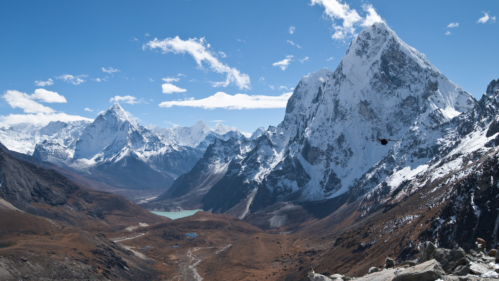
Visiting India is a journey of contrasts — from snow-clad Himalayan peaks to tropical beaches, from bustling cities to serene wild forests. If you ask “What’s the best time to visit India?”, the short answer is: it depends on what you want. Some seasons are perfect for festivals, others for beach escapades, and some for trekking in the mountains.

According to the India Meteorological Department (IMD), India officially recognises four climate seasons: winter (December–early April), summer/pre-monsoon (April–June), monsoon (June–September) and post-monsoon (October–December).
In this guide, you’ll get a richly human, realistic take on when to visit India, what to expect and how to pick your perfect window.
Quick Snapshot
| Factor | Highlights |
|---|---|
| Best Overall Period | October to March – pleasant weather in most regions, fewer major monsoon disruptions |
| How to Reach | Major international airports in Delhi, Mumbai, Bengaluru, Chennai; domestic flights/trains link to all regions |
| Must-Do Experiences | Nylon-rope Himalayan treks, Rajasthan desert nights, Kerala backwater houseboats, remote tribal villages |
| Budget Range | Budget travellers: ₹1,500-2,500/day; mid-range: ₹4,000-8,000/day (varies heavily by region & accommodation) |
| Safety & Comfort | Avoid extreme summer in north India (May–June), be cautious during monsoon in flood-prone areas; check local alerts |
Why Visit India?
India is vast, varied and endlessly absorbing.
- Cultural depth: A heritage that spans thousands of years, with temples, festivals, music and dance around every corner.
- Landscape variety: From the icy Himalayas in the north to sun-drenched deserts in the west, lush tropical rainforests in the east and expansive beaches in the south.
- Friendly local vibe: Many Indian travellers are warm, curious and eager to share their culture. With a friendly, conversational tone you’ll connect faster.
- Budget flexibility: Whether you’re backpacking or staying in boutique hotels, travel in India can scale to your budget.
- Adventure & nature: Wildlife safaris (tigers, elephants), high-altitude trekking, houseboats, desert camping — the list is long.
Best Time to Visit India – Explained Season by Season
Winter (December – Early April)
This is often the most comfortable period for a broad range of regions. According to IMD, winter is specified as December to early April.
- Weather: In North India (Delhi-Agra-Rajasthan) daytime temperatures: ~20–25 °C; nights can drop to single digits. In the South (Kerala, Goa) it’s milder.
- Why go now: Ideal for sightseeing, cultural festivals, desert nights, comfortably trekking the Himalayas (before heavy snow).
- Possible drawbacks: Some hill stations may be very cold; high tourist season ⇒ higher prices and crowded popular spots.
Summer / Pre-Monsoon (April – June)
This is the transition from spring to monsoon. In many areas it’s hot, sometimes very hot. IMD Pune
- Weather: In North India daytime heat can exceed 40 °C (in some places) as summer peaks.
- Why go now: Good for high-altitude destinations (e.g., Ladakh, Sikkim) when snow recedes, and mountain trekking opens up.
- Drawbacks: Lowland plains (Delhi, Rajasthan, etc) get scorching. Not ideal for humid regions or beach holidays in mainstream spots.
Monsoon (June – September)
The famous southwest monsoon brings rain to most of India.
- Weather: Lush landscapes, less dust, dramatic waterfalls; but frequent showers, high humidity, some travel disruptions.
- Why go now: For lush green scenery, off-season budgets, fewer crowds. Northern hill stations shine.
- Drawbacks: Heavy rainfall may affect transport/trekking, some beaches and parks may be closed or limited.
Post-Monsoon / Autumn (October – November)
This is another excellent window for travel: colours, festivals, good weather.
- Weather: Rain eases, skies clear, many regions are vibrant and comfortable.
- Why go now: Ideal for almost all-round travel – beaches, jungle trails, cultural tours.
- Drawbacks: Slightly shorter window, tourism begins to pick up.
Month-Wise Weather in India
| Month | Typical Conditions |
|---|---|
| January | Mostly cool and dry; North India pleasant; South India mild |
| February | Similar to January; festival season (Holi in March) |
| March | Warming up in the plains; hills still comfortable |
| April | Heat begins in plains; excellent in highlands |
| May | Peak summer in many parts; outdoor mid-day heat can be intense |
| June | Monsoon arrives in most regions |
| July–Aug | Full monsoon in many parts; green landscapes; some travel disruption |
| September | Monsoon retreats; many regions comfortable |
| October | Excellent travel weather almost everywhere |
| November | Festive season; mild temperatures; good for beach and cultural tours |
| December | Peak travel time; cooler nights especially in mountains/Plains |
*Data broadly based on IMD definitions of seasons.
(Note: Specific temperature/rainfall values vary widely by region; always check local forecasts.)
Best Time to Visit Based on Travel Style
- Backpackers or budget travellers: Late September to early March offers good value and weather.
- Couples / honeymooners: December–February are ideal; beaches (Goa, Andaman) or hills (Munnar, Himachal) are comfortable.
- Festival lovers: Plan around major cultural festivals – e.g., Diwali (Oct/Nov), Holi (March), Durga Puja (Oct).
- Wildlife/Nature expeditions: Winter (Dec–Feb) when many reserves open and animals are easier to spot. Monsoon can be magical in jungles but tricky.
- Beach holidays: South and west coast beaches are generally best October–March. East coast has tropical storm risk in late summer/monsoon.
Best Time to Visit Major Indian Regions
North India (Rajasthan, Delhi-Agra, Himachal, Uttarakhand)

- Best time: October to March — dry, clear skies, comfortable temperature
- Avoid: Late May–June for plains (very hot); heavy monsoon in some hill areas.
South India (Kerala, Tamil Nadu, Karnataka)

- Best time: November to February — moderate temps, ideal for houseboats, beaches
- Monsoon: June–September brings lush interiors but also heavy rain.
East India (West Bengal, Odisha, Northeast)

- Best time: October–March for clear skies and festivals
- Monsoon & storms: June–September may bring heavy rain and sometimes cyclones.
West India (Goa, Maharashtra, Gujarat)
- Best time: October–March for beaches and festivals
- Summer heat: April–May can be intense on land, though good for hill escapes.
Himalayas & High Altitude
- Best time: May–June and September for trekking; winters extremely cold.
- Avoid: Peak monsoon (July–August) due to landslide risk and closed roads.
Thar Desert (Rajasthan)
- Best time: October–March — nights are cool, days warm but comfortable
- Avoid: April–June — extreme heat in desert region.
Visa, Travel Rules & Seasonal Restrictions
- Most travellers to India will need the e-Visa (India e-Visa) or regular visa depending on nationality.
- Some border or tribal regions (North-east states, Himalayan areas, Andaman/Nicobar) may have permit requirements especially in certain seasons (e.g., monsoon landslide closures).
- During monsoon in hills some roads/trails close, so check local transport/tourism websites ahead of travel.
- For health and safety, during extreme heat or monsoon be aware of advisories from IMD or local government.
Costs & Budgeting (Seasonal Price Differences)
| Item | High Season (Oct–Mar) | Shoulder / Low Season (Apr–Jun, Jul–Sep) |
|---|---|---|
| Mid-range hotel (double) | ₹4,000-8,000 / night | ₹2,500-5,000 / night |
| Domestic flights | Higher fares | Lower fares (especially monsoon) |
| Attractions / tours | Full price | Discounts often available |
| Local transport | Similar | Similar, but some remote services may reduce frequency |
(*Indicative for many mainstream destinations; actual costs vary by region and facility.)
— Always check current rates for your specific city/region before booking.
What to Pack Based on Month/Season
Essentials
- Light breathable clothes for warm days
- A warm layer for nights even in the plains (especially in December–January)
- Rain gear (umbrella or light waterproof jacket) if travelling in monsoon
- Good walking shoes if visiting hill stations or heritage sites
- Sun protection: hat, sunglasses, sunscreen
Seasonal Tips
- Winter (Dec–Feb): Jacket or fleece for early mornings/evenings, especially in north or hills
- Summer (Apr–Jun): Heat-friendly clothes, water bottle, avoid heavy midday activity
- Monsoon (Jun–Sep): Waterproof bag, quick-dry clothing, mosquito repellent
- Cultural sensitivity: In religious sites, modest clothing is appreciated.
Responsible & Sustainable Travel Tips
- Respect local communities: Ask for permission before photographing tribal areas, festivals or people.
- Minimise plastic: Many parts of India have banned or restricted single-use plastic—carry a refillable water bottle.
- Wildlife & nature: Stick to marked trails in forests, don’t feed animals, avoid disturbing habitats.
- Support local economy: Eat at local restaurants, buy handicrafts from local artisans rather than global brand stores.
Conclusion
In short: if you pick your destination and your travel window thoughtfully, you’ll make your trip to India unforgettable. Whether you’re chasing desert sunsets, Himalayan snow, back-water serenity or festival thrills, the right season matters. Aim for October to March for the widest comfort, May/September for shoulder travel, and monsoon if you love lush green landscapes and don’t mind a bit of rain.
Enjoy your journey, keep a flexible mindset, respect local traditions and weather warnings — and you’ll smile at those street-snacks, colourful markets and warm local welcomes. Safe travels and see you in India!
Read more: Attractions
Top FAQs
A: For broad comfort and accessibility, October to March is recommended—weather is mild in most popular regions and travel options are plentiful.
A: Yes, many places are safe, but expect rain-related delays, landslides in hill areas, and some services reduced. Always check local forecasts and advisories.
A: Yes—especially if you plan to visit high-altitude or hill destinations. But for plains like Rajasthan or Delhi, summer can be extremely hot.
A: In May you’ll get clear skies and comfortable trekking conditions as snow melts; in December expect heavy cold, possible road closures and deep snow in many places.
A: Generally October to March is ideal across many beaches (Goa, Kerala, Andaman). Some east-coast beaches may have monsoon/cyclone risk in late summer.
A: For travel between December and early March, book flights, hotels and tours 2-4 months in advance, especially for popular spots.
A: Not generally for mainstream destinations, but for remote roads/trails in hills or tribal regions check local government/tourism websites for seasonal closures or permit needs.
A: Not necessarily—monsoon brings dramatic greenery, fewer crowds and lower prices. But you’ll likely face rain, humidity and maybe some delays.

Do you mind if I quote a couple of your articles as long as I provide credit and sources
back to your webpage? My blog is in the very same niche as yours and my
visitors would certainly benefit from some of the information you provide here.
Please let me know if this ok with you. Appreciate it!
Sure, I won’t mind until and unless you provide credit and source back to travelthrivehub.com