Visiting India for the first time (or if you want a deeply satisfying revisit) can feel daunting — there is simply so much to see. But with the right plan, you can cover a carefully paced 10-day route that gives you the best of history, architecture, culture and soul. This 10-day itinerary takes you through the famed “Golden Triangle” of New Delhi, Agra and Jaipur, and then extends to the spiritual city of Varanasi in northern India.
You’ll explore the majestic Taj Mahal, wander the pink-hued lanes of Jaipur, and at Varanasi witness the River Ganga’s timeless flow. The “Golden Triangle” circuit is one of India’s most iconic tourist routes. Meanwhile Varanasi is described officially by the Uttar Pradesh tourism body as “one of the oldest living cities in the world”.
By the end of this guide you’ll have practical step-by-step advice, verified facts, costs, transport tips, packing lists and responsible travel pointers — all aimed at making your 10-day India trip smooth, enriching and unforgettable.

Quick Snapshot
| Item | Details |
|---|---|
| Best time to visit | October to March (cooler, dryer) |
| Major hubs to reach | New Delhi (international arrival), then move to Agra, Jaipur, Varanasi |
| Must-do highlights | Taj Mahal, Amber Fort, Ganga Aarti at Varanasi ghats |
| Estimated budget (mid-range) | Approx ₹2,000-4,000 per day excluding flights (depending on accommodation/food choices) |
| Key safety/advisory note | Stay alert to local pick-pockets, follow local dress norms especially in temples, women travellers should use trusted transport at night |
| Suggested pace | Relaxed: 1–2 nights in each major city, travel midday rather than late night |
Why Visit India for 10 Days?
India is a country of immense contrasts: ancient and modern, calm and chaotic, spiritual and material. A 10-day itinerary is sweet spot — long enough to experience depth, but compact enough to avoid being overwhelmed.
The Golden Triangle offers a capsule of India’s architectural heritage: Mughal palaces, Rajasthan’s royal forts, the bustling bazaars and street-life. Then by adding Varanasi, you bring in another dimension: spiritual, ritual-rich and deeply local.
This combination gives you variation — from majestic mausoleums and forts to the intimate experience of dawn on the Ganges — making your trip memorable rather than superficial.
When to Go
Season breakdown
- October to March: Best overall. Days are comfortably warm, nights much cooler. Ideal for sightseeing.
- April to June: Hot and dry across Delhi / Agra / Jaipur (temperatures often exceed 40 °C). Varanasi also gets hot.
- July to September: Monsoon arrives — northern plains see brief heavy rains though less humid than other parts of India; may affect local travel.
Official tourism sources do not always list a full table of monthly temperatures for all cities, so travellers should check local weather forecast 2-4 weeks out. (Verified detailed monthly averages not available from one official consolidated source.)
How to Reach India
International arrival
Most travellers fly into New Delhi’s Indira Gandhi International Airport (DEL) which is well-connected globally.
Visa: International travellers to India need to check the latest e-Visa or regular visa requirements via Ministry of Tourism, Government of India.
Domestic travel
- New Delhi → Agra: Approximately 230 km by road (approx 3.5-4 hrs via NH-2) or take train (e.g., the Gatimaan Express).
- Agra → Jaipur: By road around 240 km (approx 4–5 hrs) depending on traffic.
- Jaipur → Varanasi: This leg is longer (~550-600 km) — many travellers prefer to fly or take an overnight train.
Where to Stay
Regions & choice levels
- New Delhi: Stay in central-south (Connaught Place, Chanakyapuri) for convenience.
- Agra: Close to Taj Mahal for sunrise visits.
- Jaipur: Stay in the “Pink City” old-city for ambience, or in civil lines for quieter nights.
- Varanasi: On or near the river ghats for the full spiritual experience; but can be noisy.
Price bands (approx mid-2025)
- Budget: ₹1,500-3,000/night
- Mid-range: ₹4,000-8,000/night
- Boutique/luxury: ₹10,000+
When possible use hotel listings from the official state tourism sites (for example, the UP tourism portal for Varanasi hotels).
Top Routes for a 10-Day India Itinerary
Here are route options — the one we use is Golden Triangle + Varanasi.
Golden Triangle (New Delhi → Agra → Jaipur)
The classic circuit linking Delhi, Agra and Jaipur. The segments are around 200-300 km each; driving time manageable (4-6 hours) so you don’t spend the whole day in transit.

Extension to Varanasi
After the Rajasthan / Delhi segment, add a flight or train to Varanasi for 2-3 nights and soak in the spiritual side of India — sunrise boat ride on the Ganga, ghats, temples. Official tourism portal of Uttar Pradesh describes Varanasi as one of the oldest living cities.
Detailed 10-Day India Itinerary
Here’s a day-by-day suggestion for your 10-day trip.
| Day | Location | Activities & Tips |
|---|---|---|
| Day 1 | Arrive New Delhi | Settle in, rest from flight, short evening walk in Connaught Place or India Gate area. |
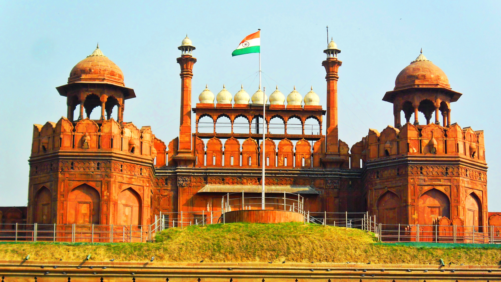
| Day 2 | New Delhi | Full city tour: Red Fort, Jama Masjid, Chandni Chowk, Qutub Minar. Evening cultural show or dinner in Hauz Khas. |
| Day 3 | Delhi → Agra | Depart early to Agra (~230 km). Afternoon visit Taj Mahal at sunset. (Fact: Agra is approx 200 km south of Delhi) |
| Day 4 | Agra | Sunrise at Taj (highly recommended), visit Agra Fort, Mehtab Bagh for views across the Yamuna. |
| Day 5 | Agra → Jaipur | Drive to Jaipur (~240-250 km), en-route option : Fatehpur Sikri (UNESCO site). Evening free in Jaipur markets. |
| Day 6 | Jaipur | Explore Amber Fort, City Palace, Hawa Mahal, Jantar Mantar. Evening maybe traditional Rajasthani dinner and performance. |
| Day 7 | Jaipur | Free day: optional excursion to nearby forts (Nahargarh or Jaigarh) or shopping in local bazaars. Overnight stay. |
| Day 8 | Jaipur → Varanasi | Transfer to airport/train for Varanasi. Arrive and settle near river ghats. Evening attend Ganga Aarti at Dashashwamedh Ghat. |
| Day 9 | Varanasi | Pre-dawn boat ride on the Ganges, visit Kashi Vishwanath Temple, explore narrow lanes, ghats, Sarnath (nearby Buddhist site). |
| Day 10 | Varanasi / Departure | Leisurely morning, pick up souvenirs (Banarasi silk, local crafts), then transfer to airport/train for onward journey. |
Tips:
- Allocate one comfortable internal travel day so you’re not rushed.
- For sunrise activities in Varanasi and Taj Mahal plan early starts.
- Reserve hotels and major sightseeing tickets ahead of time (especially during high season).
Local Transport
- In major cities: Use app-based taxis (e.g., Ola, Uber) in Delhi/Jaipur.
- Inter-city: Car + driver (for Golden Triangle) is common; rail and fast trains available between Delhi-Agra/Agra-Jaipur.
- Within Varanasi: A combination of walking, cycle-rickshaw and local taxis; use caution around ghats at dawn/dusk.
Unfortunately an official consolidated fare sheet is not available from one source – always negotiate fare or use meter where applicable.
Budget & Costs
| Category | Budget Estimate (mid-range) |
|---|---|
| Accommodation (9 nights) | ₹4,000-6,000/night → ~ ₹36,000–54,000 |
| Food & drinks (10 days) | ~ ₹1,500-2,500/day → ~ ₹15,000–25,000 |
| Inter-city transport + local sightseeing | ~ ₹10,000–20,000 (depending on vehicle type) |
| Miscellaneous (souvenirs, tips) | ~ ₹5,000–10,000 |
| Estimated total (excl international flight) | ₹66,000–109,000 (~ USD 800-1,300) |
Note: If you choose budget hotels and public transport this could be lower; luxury options will push it higher.
Food & Hygiene Tips
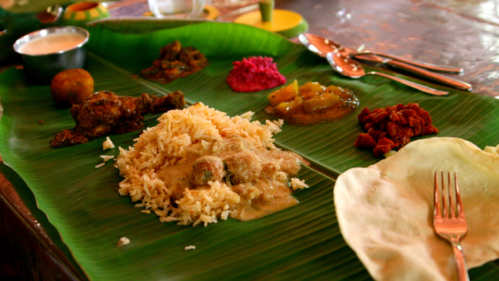
- Try regional specialties: Delhi’s chaat, Agra’s petha sweets, Jaipur’s dal-baati-churma, Varanasi’s kachori-sabzi and Banarasi paan.
- Drink only bottled or sealed water; ask for filters when in doubt.
- Street food is tempting — pick busy stalls with high turnover.
- Respect local customs: Some temples require conservative dress (shoulders covered, no shoes inside).
Safety, Health & Permits
- Vaccinations: Update routine vaccines (tetanus, diphtheria); consider hepatitis A/B for long stays. Consult your doctor.
- In Varanasi and crowded Delhi markets: keep an eye on belongings; avoid dimly lit side-streets at night alone.
- No special permits are needed for the Golden Triangle or Varanasi, but always check local rules each year for any temporary zone restrictions.
- Women travellers: Use official taxi apps when possible, avoid isolated rides at very late night.
- High season (Oct-Mar) improves safety visibility; summer travel demands extra water and sun protection.

Packing List & Tips
Essentials:
- Light cotton clothing (for day), a warm layer for early mornings (especially Oct-Feb).
- Comfortable walking shoes (you’ll be on uneven surfaces in forts and ghats).
- Sun-hat, sunglasses, sunscreen.
- Modest dress for temples (scarf/shawl, long skirts/pants).
- Power-bank, plug adaptor (India uses Type D & M plugs).
- Travel insurance copy, photocopies of passport/visa.
- Reusable water bottle (can refill at hotel) – helps sustainability.
- Small day-pack for daily outings.
Responsible Travel & Sustainability
- Respect sacred sites: In Varanasi ghats and temples, behave quietly, ask permission before photographing rituals.
- Avoid single-use plastics: Many Indian states are implementing bans; carry a refill bottle.
- Support local crafts: Buying a Banarasi silk scarf or Rajasthani handicraft helps local livelihoods.
- Stick to marked walking areas in fort complexes; avoid climbing unapproved areas.
- Use accredited guides for heritage sites; they explain local context and boost the local economy.
Conclusion
If you follow this 10-day India itinerary, you’ll step into a journey that balances grandeur with quiet reflection — from the majestic Taj and sprawling palaces of Rajasthan to the dawn light falling on the ghats of Varanasi. Along the way you’ll experience food, culture, history, spirituality and local life.
When you’re ready to book, remember: plan early, check seasonal weather, respect local culture, and always keep one day relatively relaxed so you leave not exhausted but inspired.
Safe travels — and may this trip become one of your most memorable.
Read more: Attractions
Top FAQs
A1: Yes — if you focus on one geographic region (northern India) and avoid trying to cover too much ground. The Golden Triangle + Varanasi route delivers classic experiences within 10 days.
A2: December in Delhi/Agra/Jaipur is cool (daytime ~20-25 °C, nights 8-12 °C). In Varanasi similar. Bring a warm layer for early mornings and evenings.
A3: Delhi → Agra ~3.5-4 hours (~230 km); Agra → Jaipur ~4-5 hours (~240-250 km). Train/flight alternatives exist.
A4: Certainly – limit long car rides, incorporate downtime, choose family-friendly hotels with pools, and include Jaipur’s interactive activities (e.g., elephant ride at Amber Fort).
A5: Conservative dress is respectful: shoulders covered, mid-riff hidden, long pants or skirts preferred. Avoid loud beachwear.
A6: No special permit is needed beyond ticket purchase for monuments. For some restricted forest zones outside this route you might – but not on the Golden Triangle or Varanasi ghats.