Nestled in the mighty Brahmaputra River, you’ll discover the enchanting Majuli Island, recognized as the world’s largest river island. Spanning an extensive area of 352 sq km, this largest river island is a marvel of natural beauty and rich cultural heritage.

As you explore this island, formed by the River Subansiri in the north and the Brahmaputra in the south, you’ll be captivated by its pristine landscapes and vibrant traditions. Since the 16th century, Majuli Island has been known as the cultural capital of Assam, offering a unique blend of art, culture, and natural wonders.
Key Takeaways
- Experience the breathtaking natural beauty of Majuli, the world’s largest river island.
- Discover the rich cultural heritage and vibrant traditions of Assam.
- Explore the pristine landscapes and biodiversity of the island.
- Learn about the unique way of life of the inhabitants.
- Visit a destination that seamlessly blends ancient traditions with natural marvels.
The World’s Largest River Island
Nestled in the Brahmaputra River, Majuli Island stands out as the world’s largest river island, captivating visitors worldwide. Spanning an impressive 352 square kilometers, this island is not just a geographical marvel but a cultural treasure.
Majuli Island is located in the heart of Assam, surrounded by the flowing waters of the Brahmaputra River. Its unique geographical position has contributed to its cultural isolation, preserving ancient traditions that are still vibrant today.
| Characteristics | Details |
|---|---|
| Location | Brahmaputra River, Assam |
| Size | 352 square kilometers |
| Significance | World’s largest river island, rich cultural heritage |
Majuli’s distinction as the world’s largest river island makes it a destination of global significance. Its size and location have played a crucial role in preserving its natural beauty and cultural richness.
Geographical Location and Significance

As you step onto Majuli Island, situated in the Brahmaputra River, you’ll discover a world where tradition and nature entwine. This island, located in Assam, northeastern India, is a significant cultural and geographical landmark.
Majuli Island is accessible from the Jorhat district, which serves as the gateway to this cultural paradise. The island boasts two main towns, Garamur and Kamalabari, which are cultural and administrative centers, along with numerous small villages that dot the landscape, each with its unique character and traditions.
The geographical isolation of Majuli has helped preserve its cultural heritage, making it a unique place to explore. The island’s location in the middle of the Brahmaputra River has not only shaped its history but also continues to influence the lives of its inhabitants.
The Cultural Capital of Assam
Majuli Island has been revered as the cultural capital of Assam since the 16th century, showcasing a rich tapestry of traditions and art forms. It has been a significant cultural centre ever since, with the main village, Naghmar, hosting various events and festivals that continue to thrive.
The island’s cultural heritage has flourished in relative isolation, creating unique art forms and traditions that are still celebrated today. As the primary hub of the neo-Vaishnavite culture, Majuli Island has played a crucial role in shaping Assam’s cultural identity.
Visitors to Majuli can experience the authentic traditions of Assam, which have remained largely unchanged for centuries. The island’s cultural practices offer a glimpse into the state’s rich history, making it a fascinating destination for those interested in exploring Assam’s cultural landscape.
Majuli Island’s Rich History
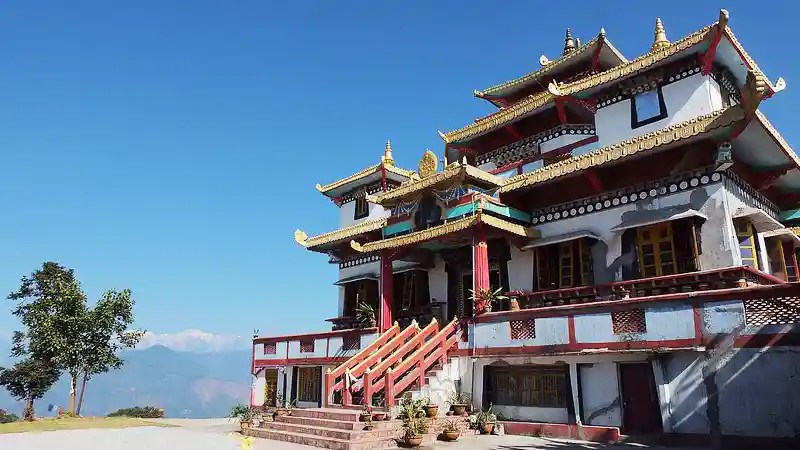
As you step onto Majuli Island, you’re walking into a living, breathing museum of Assamese heritage. The island is home to numerous monasteries, known as Satras, which were established by the revered Assamese Saint, Srimanta Sankardeva, in the 15th century. These Satras played a crucial role in spreading the Vaishnavite religion and culture throughout the region.
The Ahom kings later adopted these monasteries, recognizing their importance in preserving Assamese culture and education. The geographical isolation of Majuli Island helped preserve these historical institutions through centuries of political changes, making it a unique historical destination in India.
The significance of Majuli Island’s history can be understood by exploring its key aspects:
| Aspect | Description |
|---|---|
| Establishment of Satras | Srimanta Sankardeva established the first Satras on the island in the 15th century. |
| Cultural Significance | The Satras became the cornerstone of Assamese cultural and religious life. |
| Patronage | The Ahom kings recognized the importance of the Satras and made them centers for education and cultural preservation. |
As noted by a historian,
“Majuli Island is a testament to the rich cultural heritage of Assam, with its Satras continuing to thrive despite the challenges of time.”
The island’s history is a fascinating journey that takes you through the evolution of Assamese culture, the significance of the Satras, and the patronage of the Ahom kings. You can appreciate the living history that continues to thrive on the island, making it a unique historical destination unlike any other in India.
The Neo-Vaishnavite Heritage
Majuli Island is renowned for its Neo-Vaishnavite heritage, a unique cultural and spiritual identity that has been preserved over the centuries. This distinct tradition, established by Saint Sankardev, is a part of Hinduism and is characterized by its rich cultural significance, including unique dance forms, drama styles, and devotional music.

You can experience the vibrant Neo-Vaishnavite culture firsthand by visiting the Satras, where daily religious rituals are performed with traditional instruments, and by witnessing the unique prayer style known as “Naam Prasanga.”
The 22 Satras of Majuli
The island is home to 22 Satras, institutions that are central to the Neo-Vaishnavite tradition. These Satras are not just religious centers but also repositories of Assamese culture and tradition, preserving ancient customs and practices.
Religious Practices and Traditions
The Neo-Vaishnavite practices on the island are characterized by a community-centered approach to worship. You can witness traditional theatrical performances like “Ankiya Naat” and “Bhaona,” which depict stories from Hindu mythology, and appreciate the integration of mask-making and dance into religious expression.
Top Attractions in Majuli Island
From historic satras to breathtaking landscapes, Majuli Island has something for every kind of traveler. As you explore this enchanting island, you’ll discover a mix of cultural heritage and natural beauty that makes Majuli a unique destination.

Kamalabari Satra
Kamalabari Satra is one of the most revered satras in Majuli, known for its rich cultural heritage and exquisite architecture. This satra is a hub for traditional Assamese art and culture, offering insights into the region’s history and spiritual practices.
Dakhinpat Satra
Dakhinpat Satra is another significant satra that showcases the island’s spiritual essence. The satra is known for its vibrant cultural festivals and traditional practices, making it a must-visit place for those interested in exploring Majuli’s cultural landscape.
Auniati Satra
Auniati Satra is a prominent cultural and religious center in Majuli, famous for its historic significance and beautiful architecture. Visitors can experience the rich traditions and practices of the satra, gaining a deeper understanding of the region’s cultural heritage.
Tengapania
Tengapania is a golden temple-like structure that epitomizes the magnificent Ahom architectural style. The exquisite statues and pointed pillars are its key highlights. Located near the Brahmaputra River, Tengapania offers a serene atmosphere, making it an ideal picnic spot in Majuli Island.
- Discover Tengapania, a golden temple-like structure showcasing the magnificent Ahom architectural style.
- Admire the exquisite statues and distinctive pointed pillars that make this monument a photographer’s delight.
- Enjoy the scenic location near the Brahmaputra River that adds to the tranquil atmosphere of this attraction.
- Relax in the lush greenery surrounding the area, making it a perfect spot for a peaceful picnic.
- Appreciate the historical significance of this structure that connects visitors to Assam’s royal Ahom heritage.
The Unique Art Forms of Majuli
As you explore Majuli Island, you’ll discover a plethora of unique art forms that showcase the island’s cultural richness. The island is home to a variety of traditional crafts that have been preserved and passed down through generations.
Mask Making at Samaguri Satra
The Samaguri Satra is famous for its mask-making tradition. Artisans here create intricate masks used in various cultural performances and rituals. You can witness the skilled craftsmen at work and learn about the significance of these masks in Majuli’s cultural heritage.
Traditional Pottery in Salmora Village
A visit to Salmora village offers a unique opportunity to experience traditional pottery making. The artisans here create pots without using a potter’s wheel, employing a distinctive hand-beating technique that has been passed down through generations. You can try your hand at this ancient craft and understand the economic importance of pottery for the village.
- Witness the unique pottery tradition in Salmora village, where artisans create vessels without a potter’s wheel.
- Learn about the hand-beating technique used by Majuli potters and its significance.
- Discover how local artisans use natural materials for decoration and firing.
- Try your hand at pottery making with guidance from friendly local artisans.
- Understand the role of pottery in sustaining families in the village.
The Tribal Communities of Majuli
As you explore Majuli Island, you will discover the vibrant cultures of its tribal communities. The island is home to several indigenous tribes, with the Mising tribe being one of the most prominent. Their unique cultural practices and traditions are a significant part of Majuli’s identity.
Mising Tribe and Their Bamboo Houses
The Mising tribe is known for their skillful craftsmanship, particularly in building bamboo houses that are both sturdy and aesthetically pleasing. Visiting a Mising village is a vivid experience, where you can witness firsthand the traditional bamboo sloth houses and see the locals engaged in their daily activities.

Traditional Weaving and Handloom
The women of the Mising tribe are renowned for their expertise in traditional weaving and handloom. They create beautiful, colorful garments using natural dyes and traditional looms, which not only reflect their cultural heritage but also represent a significant art form. You can purchase traditional Mekhala Sador and other handwoven products directly from the Mising women, making for a memorable souvenir.
- Witness the mesmerizing art of traditional weaving practiced by the women of Majuli’s tribal communities.
- Learn about the distinctive patterns and motifs that characterize the textiles of different tribal groups.
- Discover the natural dyes and traditional looms used to create vibrant fabrics.
- Shop for authentic handwoven products like the traditional Mekhela Chador.
Natural Beauty and Wildlife
As you step onto Majuli Island, you are greeted by its untouched natural beauty and rich biodiversity. The island is a haven for nature enthusiasts and those seeking tranquility amidst lush greenery and the majestic Brahmaputra River.
Bird Watching Opportunities
Majuli Island is a paradise for bird watchers, with numerous species inhabiting the island and its surrounding wetlands. You can spot a variety of migratory birds that visit the island during different seasons, making it an ideal location for ornithologists and nature lovers alike.
Scenic Landscapes and Sunsets
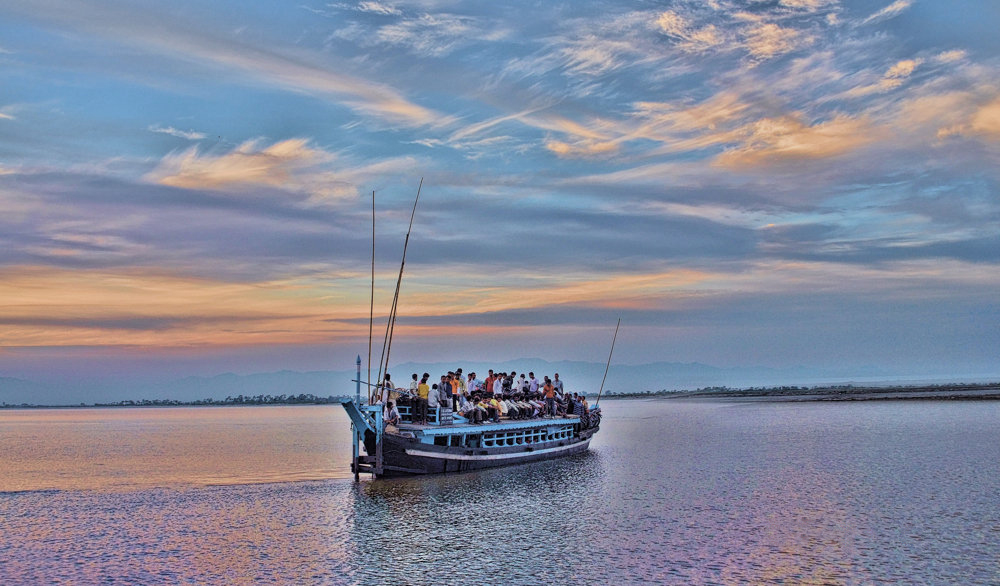
The island offers breathtaking scenic landscapes, especially during sunset. You can witness breathtaking sunsets over the Brahmaputra River, painting the sky in vibrant hues of orange, pink, and purple. The tranquil beauty of Majuli’s riverbanks, where the expansive water meets the island’s lush greenery, creates a serene ambiance.
| Activity | Description | Best Time |
|---|---|---|
| Bird Watching | Spot various migratory and local bird species | Early morning |
| Sunset Viewing | Witness breathtaking sunsets over the Brahmaputra River | Late evening |
You can experience the peaceful ambiance that descends upon the island during the golden hour, creating moments of serenity and reflection. Don’t forget to capture stunning photographs of the changing light as it plays across the water and illuminates the traditional villages.
How to Reach Majuli Island
Getting to Majuli Island is the first step in exploring its rich cultural heritage and natural beauty. The most common way to visit Majuli is by taking a ferry from Jorhat.

Ferry Services from Jorhat
Ferry services from Jorhat are readily available, making it easy for you to plan your trip. The ferry ride not only takes you to the island but also offers a scenic view of the Brahmaputra River.
Transportation Options on the Island
Once you arrive, commuting within Majuli Island is hassle-free. You can rent bicycles at Rs.200 per day from Majuli Cycle Café or hire a scooty for Rs.300 per day. Shared autos and taxis are also available, connecting major points of interest on the island.
Best Time to Visit Majuli Island

To fully appreciate the charm of Majuli Island, it’s essential to know when to go. The best time to visit Majuli Island is between September and March, when the weather is cool and pleasant.
The winter season, from November to March, is particularly ideal, offering comfortable temperatures and clear skies, making it perfect for exploring the island’s cultural and natural attractions.
In contrast, the monsoon season should be avoided due to the island’s susceptibility to flooding, and summer travel can be challenging because of the high temperatures.
Understanding the best time to visit will enhance your travel experience, allowing you to enjoy the island’s landscapes, wildlife, and cultural festivities to the fullest.
Festivals and Cultural Events
Experience the spiritual essence of Majuli Island through its diverse festivals and cultural celebrations. The island is a vibrant cultural hub, hosting various events that attract visitors from all over. You can witness the rich cultural heritage of Majuli by participating in its festivals.
November is considered the best time to visit Majuli, as it hosts several significant festivals, including the Raas Mahotsav and the Paal Nam festival. During this period, you can enjoy the rehearsals of dance-drama (bhaona) for the upcoming Raas Festival, immersing yourself in the local culture.
Raas Purnima Celebration
The Raas Purnima Celebration is a major event on the island, showcasing the rich Neo-Vaishnavite heritage of Majuli. This festival is a spectacle of traditional dances, music, and drama, drawing a large crowd of devotees and tourists alike.
Paal Naam and Bathow Puja
Other notable festivals include the Paal Naam and Bathow Puja. The Paal Naam is a devotional practice involving continuous chanting and prayer sessions, reflecting the spiritual significance of the island. Bathow Puja, on the other hand, is an important tribal festival celebrated primarily by the Bodo community, showcasing the religious diversity of Majuli.
| Festival | Description | Community Involved |
|---|---|---|
| Raas Purnima | Celebration of Neo-Vaishnavite heritage with traditional dances and drama | General |
| Paal Naam | Continuous chanting and prayer sessions | Devotees |
| Bathow Puja | Tribal festival with unique rituals and offerings | Bodo Community |
These festivals not only reflect the cultural richness of Majuli but also offer visitors a chance to experience the authentic cultural immersion. You can witness the unique rituals, offerings, and communal gatherings that characterize these traditional celebrations, making your visit to Majuli Island a memorable experience.
Accommodation Options in Majuli

You can enjoy a memorable stay on Majuli Island with its array of accommodation options, including homestays and eco-friendly cottages. The island caters to various budgets and preferences, ensuring a comfortable and enriching experience.
Eco-Friendly Bamboo Cottages
The island offers eco-friendly bamboo cottages that blend seamlessly into the natural surroundings, providing a tranquil and sustainable stay. These cottages are designed to minimize environmental impact while offering a unique and comfortable living experience.
Homestays and Guesthouses
For a more immersive experience, you can opt for homestays and guesthouses that allow you to live with local families and participate in their daily activities. This not only enriches your cultural experience but also supports the local economy. You can enjoy home-cooked Assamese meals and gain insider knowledge about the island’s attractions and customs.
Whether you’re looking for a basic yet comfortable stay or a more luxurious experience, Majuli Island has something to offer. By choosing to stay with locals, you contribute to the local economy and have a more authentic experience.
Local Cuisine and Dining

When visiting Majuli Island, be sure to indulge in its unique culinary traditions. Majuli is a place known for growing about 100 different types of rice, including the unique Komal Saul, which you can eat without cooking.
The staple food of the locals is simple yet flavorful, consisting of rice, dal, and fresh vegetables grown on the island. You can also experience traditional tribal delicacies like smoked meats and fish prepared using ancient preservation techniques.
Don’t miss the opportunity to taste the famous rice beer, Apong, a traditional fermented beverage often offered during celebrations. For authentic local food, Ural Restaurant is highly recommended.
Environmental Challenges and Conservation Efforts
Every year, Majuli Island struggles to withstand the forces of nature, particularly the Brahmaputra River’s erosion. The island has been significantly affected by the river’s fury, losing more than half of its original area over the past century.
The erosion not only threatens the island’s existence but also impacts the cultural heritage and the lives of its inhabitants. Efforts are being made to conserve this cultural treasure, including the construction of embankments and flood management strategies.
Conservation efforts are crucial for the survival of Majuli Island. There is also a push for UNESCO World Heritage status, which would bring international attention and resources to aid in the conservation.
| Challenge | Impact | Conservation Effort |
|---|---|---|
| Erosion from Brahmaputra River | Loss of land and cultural heritage | Embankment construction |
| Annual Flooding | Displacement of inhabitants | Flood management strategies |
| Loss of Satras | Cultural heritage loss | Relocation and preservation |
The resilience of Majuli’s inhabitants is noteworthy as they continue to preserve their cultural heritage despite these challenges. As you explore Majuli Island, you will witness the determination of its people to protect their home.
Conclusion: Why Majuli Island Should Be on Your Travel Bucket List
With its rich cultural heritage and breathtaking natural beauty, Majuli Island is a must-visit destination for any traveler. This pollution-free island, covered in greenery, offers a unique blend of spirituality and culture. As you plan your trip, consider the tour packages available to make the most of your visit. By visiting Majuli Island, you’ll not only witness its vibrant festivals but also experience a transformative journey that connects you with a different way of life.
So, visit Majuli Island before environmental changes alter its landscape forever. Explore this endangered river island and discover the world of culture it has to offer.
Read more: Attractions
FAQ
The best time to visit is from October to April when the weather is pleasant, and the Brahmaputra River is calm, making it ideal for ferry services and outdoor activities.
You can reach Majuli by taking a ferry from Jorhat, which is the nearest town with a well-connected transportation network. The ferry ride offers a scenic view of the surrounding landscape.
You can explore the Dakhinpat Satra, a historic Vaishnavite monastery, and witness the traditional mask-making and pottery practices. The island is also home to various satras, or monasteries, that showcase the rich cultural heritage.
You can stay in eco-friendly bamboo cottages or homestays that offer a glimpse into the local lifestyle. These accommodations provide a unique experience, allowing you to connect with the community.
Yes, you can experience the vibrant culture by attending the Raas Purnima Celebration and other local festivals, which showcase the rich traditions and customs of the region.
The satras are not only religious centers but also hubs for preserving the local art, culture, and traditions. They play a vital role in maintaining the unique identity of the Mising tribe and other communities.
Yes, you can enjoy bird watching and spot various species of birds, including migratory birds that visit the island. The surrounding wetlands and forests also support a diverse range of wildlife.