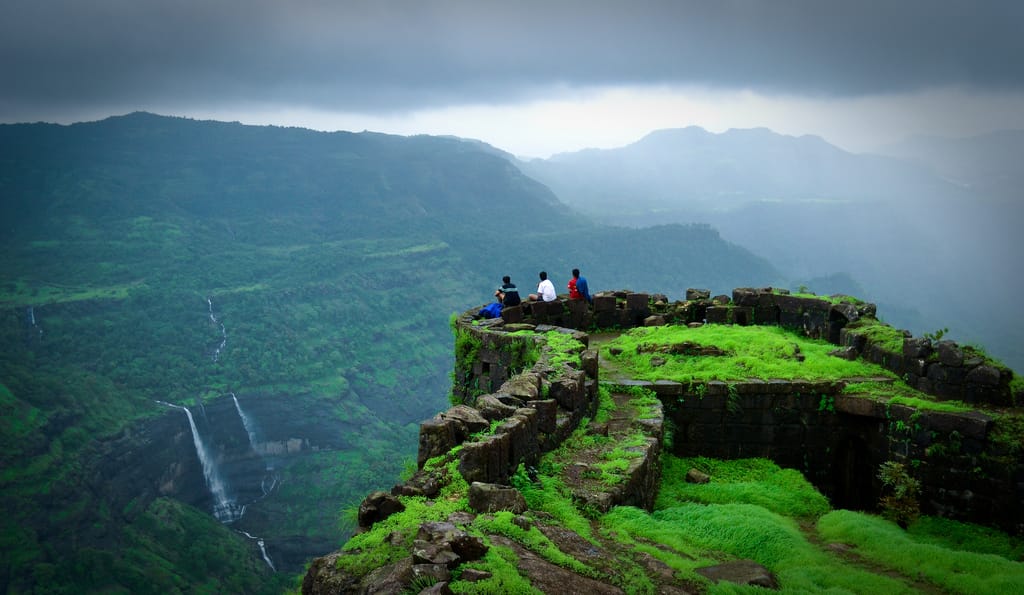
Nestled in the heart of the Western Ghats, the Kaas Plateau (also known as Kaas Pathar) is one of Maharashtra’s most magical nature escapes. During the monsoon months, vast swathes of the plateau explode in vibrant wildflowers, creating a carpet of pinks, purples, whites and yellows that seems almost unreal — it’s earned its reputation as the “Valley of Flowers of Maharashtra”.

The plateau is located near Satara in the Sahyadri range and forms part of the Western Ghats UNESCO Natural Heritage site. If you’re looking for a refreshing weekend break, love nature photography, or simply want to step off the beaten path and breathe fresh mountain air — this guide to things to do in Kaas Plateau is for you.
Quick Snapshot
| Category | Details |
|---|---|
| Best Time to Visit | Late August to early October (when flowers are in full bloom) |
| Location | Satara District, Maharashtra, India (≈ 25 km from Satara city) |
| Entry Fee | Approx ₹100 per person (valid as of 2025) |
| Daily Visitor Cap | 3,000 visitors per day during flower season |
| Nearest Major City | Satara (≈ 25 km) |
Why Visit Kaas Plateau?
Kaas Plateau is not just another hill-station stop. Here’s what makes it special:
- Floral spectacle: In the monsoon months, the lateritic plateau transforms into a sprawling meadow of endemic wildflowers that you’ll rarely see elsewhere — making it a haven for nature-lovers and photographers alike.
- Biodiversity hotspot: The plateau lies in the Sahyadri sub-cluster of the Western Ghats and hosts fragile ecosystems that are carefully managed and protected.
- Weekend escape: From cities like Pune or Mumbai, it’s one of the more accessible off-beat weekend getaways — offering fresh monsoon air, scenic drives and less crowded roads if timed right.
- Sense of calm & nature immersion: Unlike more commercialised destinations, Kaas retains a laid-back, natural vibe, allowing you to slow down, wander amidst wildflowers and hear nothing but wind, birds and rustling leaves.
When to Go
Flower-season window
The best time to witness Kaas in full bloom is late August through early October. Reviews and guides repeatedly mention this period as peak for the wildflowers.
Month-by-month snapshot
- August: The onset of monsoon; you’ll start seeing flowering patches, and the plateau is lush and green.
- September: Arguably the best month — many of the wildflower species bloom, early morning mist lifts to reveal colour-strewn grasslands.
- October: The bloom begins to wind down; fewer crowds but still good.
- Winter (Nov-Feb): The floral magic is past; the plateau is still scenic, but the carpet of flowers has largely faded.
- Summer (March-July): Very dry, parched lateritic soil; not ideal for the iconic flower-viewing experience.
Precise average monthly temperatures/precipitation data for the plateau aren’t publicly detailed in the official sources — you may check the Satara district weather portal for more.
Tip: Arrive early in the day (first time-slot) to enjoy cooler air, softer light for photos, and thinner crowds.
How to Reach Kaas Plateau
By Road (most practical)
- From Satara city: ~25 km, about 20-30 minutes drive from Satara to the plateau.
- From Pune: Approx 140 km by road (route: Pune → Satara → Kaas).
- From Mumbai: Approx 270-300 km, often 4.5-5 hours via the Mumbai-Pune Expressway and then road to Satara → Kaas.
By Train & Bus
- Train: Reach Satara railway station (well-connected via Indian Railways). From Satara, take a bus or taxi to Kaas.
- Bus: From Satara ST (state transport) bus stand, you can catch a bus towards Bamnoli / Kaas village.
By Taxi / Self-Drive
Hiring a taxi from Satara or Pune gives freedom to stop en-route and explore. Ensure you allow early morning departure if you want to catch first light at the plateau. Parking is available near Kaas (often free for the site) but the access road is single-lane in places — drive carefully.
Where to Stay
While some visitors choose to drive back on the same day, staying overnight enhances the experience — especially for early morning flower-viewing.
Nearby regions
- Kaas village / Bamnoli area: Closest stay options to the plateau; ideal for early morning access.
- Satara city: More hotel / guest-house choices; practical if you arrive late.
- Panchgani / Mahabaleshwar: Slightly further, but offer charming hillside stays plus relax days.
Example budget bands
- Budget guest-houses / homestays: ₹1,000-₹2,000 per night (check current pricing)
- Mid-range resorts: ₹3,000-₹6,000 per night with scenic views, meals included
- Premium eco-resorts: Higher pricing, with specialised experiences
TripAdvisor listings show multiple properties near Kaas Plateau, from tent stays to full resorts.
Tip: Book nights during flower season early—rooms fill up fast.
Top Attractions & Experiences
Here are the best things to do in Kaas Plateau, each offering a slightly different flavour of the place.
Explore the Flower Valley Trails

Wander along marked trails across the plateau’s lateritic surface, through wildflower meadows. The diversity of blooms and the sweeping vista of the plateau are the main draw. Official site says entry fee applies and visit slots are time-bound.
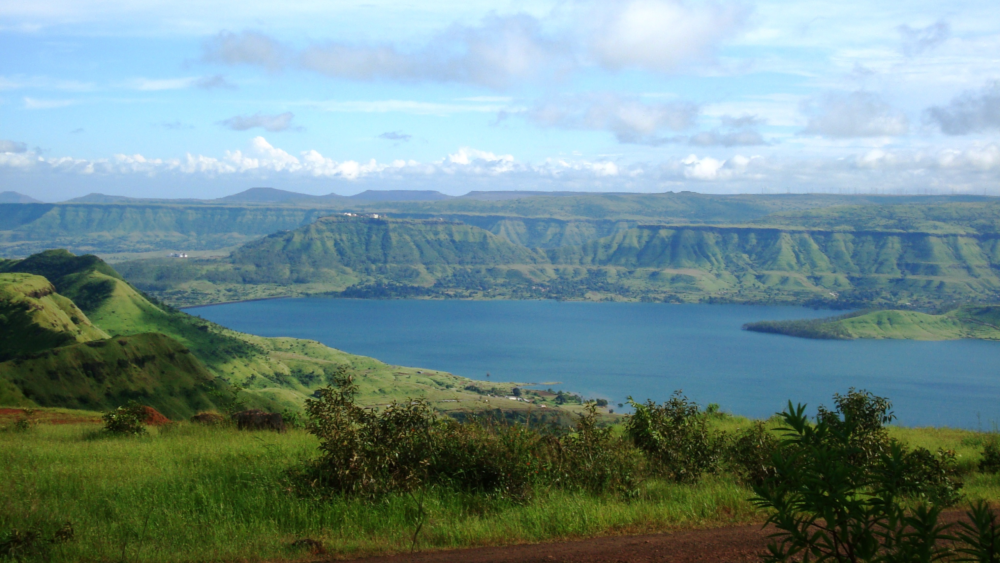
Visit Kaas Lake
Near the plateau sits the serene Kaas Lake — a perfect spot for a quiet moment by the water after walking the trails. (Source: site mentions in context)
Scenic Drive through Satara Ghat Road
The approach to Kaas via the ghat roads from Satara provides scenic views, winding ascents and open skies — especially enjoyable on a motorbike or self-drive. Visitors on road-trips note this route.
Stay Nearby and Catch Sunrise / Mist
Late monsoon mornings often bring mist, low clouds and gentle light — perfect for nature photographers. Staying overnight means you don’t miss the early time-slot (7 am–11 am) which is recommended for best light.
Local Village Visit & Culture
Whilst flowers are the highlight, you’ll also pass through small rural villages around Satara/Kaasa region — offering glimpses of local life, simple eateries, and relaxed atmosphere away from tourist bustle.

Suggested Itineraries
1-Day Itinerary (From Pune or Satara)
- Early morning depart from Pune / Satara
- Arrive at Kaas Plateau by ~7–8 am (arrival before the crowd)
- Spend 2-3 hours walking the trails, photographing wildflowers
- Lunch in village / Satara town
- Optional: short stop at Kaas Lake or nearby viewpoint
- Drive back by evening
3-Day Itinerary (Nature + Heritage)
Day 1: Arrive Satara or Kaas village — relax and stay overnight near Kaas.
Day 2: Early visit to Kaas Plateau → afternoon visit to nearby waterfalls (e.g., Thoseghar Falls) or forts (e.g., Sajjangad)
Day 3: Drive back via Mahabaleshwar / Panchgani for a scenic route, dessert stops, etc.
7-Day Itinerary (Deep Dive)
Includes Kaas + Satara district highlights + multi-day hikes + photography mornings + village stays + perhaps a side trip to the coast or other Western Ghats sections.
Costs & Budget
| Expense Category | Approximate Cost* |
|---|---|
| Entry fee (Kaas Plateau) | ₹100–₹150 per person (2025) |
| Transport (from Pune return) | ₹2,000–₹5,000 depending on vehicle / taxi / self-drive |
| Accommodation (mid-range) | ₹3,000–₹6,000 per night for 2 persons |
| Food (per day) | ₹300–₹700 per person in village/resort eateries |
| Guide / Local expert (optional) | Additional ~₹100-₹200 per person |
*Prices approximate, valid at time of research — please check current rates when booking.
Local Transport
- State transport buses run from Satara bus depot toward Bamnoli / Kaas village — platform 8 at Satara bus stand is one reference.
- Taxi / shared jeep: Many visitors hire from Satara for convenience — suggested for early arrival.
- Self-drive: Permit / parking available. On narrow ghat roads please drive cautiously.
- Visitor cap & slot booking: Because of ecological sensitivity, book your visit in advance (especially weekends/flower-season) via official portal.
Food & Drink
While Kaas itself is small, you’ll find decent village-style eateries and resorts offering Maharashtrian cuisine.
- Local thali or simple vegetarian meals (bhakari, dal, vegetables) are common and reasonably priced.
- Bring water bottles and light snacks: during peak times shops near the plateau may be limited.
- Hygiene tip: Choose busy kitchens (turnover high) and ensure bottled water if uncertain.
- Try local tea stalls near Satara for a hill-station breakfast stop before Kaas.
Safety, Health & Permits
- Visit in early morning for best light and fewer crowds.
- Entry permit / online booking is mandatory on weekends and holidays. Mobile screenshots may not be accepted — official portal lists this condition.
- The plateau terrain is uneven, lateritic rock and grassland: wear sturdy shoes, avoid stepping off marked paths (to protect flora and for your safety).
- Carry rain-cover or umbrella in monsoon (August–October) — weather can change quickly.
- Respect the ecological rules: No plucking flowers or venturing into restricted zones. Visitor cap is in place to protect the ecosystem.
- Mobile connectivity may be patchy in some ghat sections — plan accordingly.
- If you have respiratory issues, morning mist and altitude (~1200 m) may affect you — it’s good to acclimatise.
Packing List & Tips
Must-have:
- Good walking shoes or hiking sneakers
- Rain-jacket or wind-breaker (August-October)
- Hat or cap + sunglasses
- Reusable water bottle (eco-friendly)
- Camera with extra battery + memory card
- Lightweight backpack with snacks
- Printed copy of entry ticket / booking confirmation
- ID proof (especially if student concession)
Optional but useful: - Binoculars (for birds or butterflies)
- A small blanket or sitting mat
- Sun-cream and insect repellent
Cultural/Site-tips: - Dress modestly for village visits
- Stay on marked paths, avoid treading on flowers
- Carry back any litter — respect the natural site
- Early arrival = better light + fewer crowds.
Responsible Travel & Sustainability
Kaas’s ecology is fragile, so visitors play a key role in preserving it:
- Stick strictly to designated trails; do not step into flowering zones.
- Follow the “take nothing but photographs, leave nothing but footprints” rule.
- Avoid single-use plastics — carry your own bottle, refuse extra packaging/waste.
- Respect local communities and culture: the plateau region is surrounded by rural villages.
- Peak flower-season visitor limits (3,000 per day) are enforced to reduce impact — plan accordingly.
- Support local economy: stay at village-run guesthouses, buy local snacks or handicrafts.
Conclusion
If you’re seeking a nature-filled weekend getaway that lifts you out of city routine, the Kaas Plateau is a stellar choice. From walking through wildflower meadows as the monsoon mist lifts, to watching the sun dapple the grasslands and sipping tea in a hillside village — it offers a deeply refreshing escape.
Call to action: Pick your dates (aim for late August–September), book your slot online early, pack responsibly and go with a mind to tread gently and leave only footprints.
Final note: Respect the environment — the plateau may be beautiful today thanks to fragile ecosystems; let’s ensure it stays that way for tomorrow’s visitors too.
Read more: Attractions
FAQs
A: The best bloom is typically from late August to early/mid October, but exact timing depends on monsoon rains and local conditions.
A: Entry fee is approx ₹100 per person for general visitors (2025 data) and you may optionally pay for a local guide.
A: Yes — especially on weekends/flower-season; online registration is required and number of visitors per day may be capped.
A: From Satara: ~25 km (≈20-30 min drive) From Pune: ~140 km. From Mumbai: ~270-300 km (4.5-5 hours)
A: The 7 am–11 am slot is often recommended for cooler air, softer light and fewer crowds.
A: Some sources mention children under 12 may have free entry and student concessions on weekdays with letter from principal. Always check current portal.
A: I couldn’t locate a verified official source for drone rules at Kaas Plateau. It’s best to check on the official booking portal or contact the site management ahead of your visit.
A: Comfortable walking shoes, rain/wind protection, sun-hat, water bottle, camera; dress modestly for village surroundings.