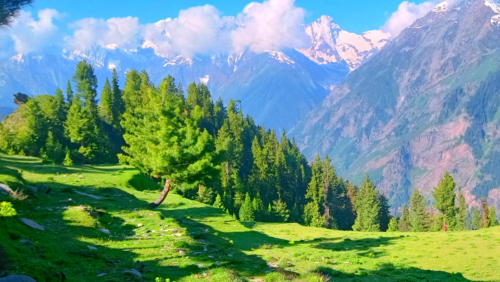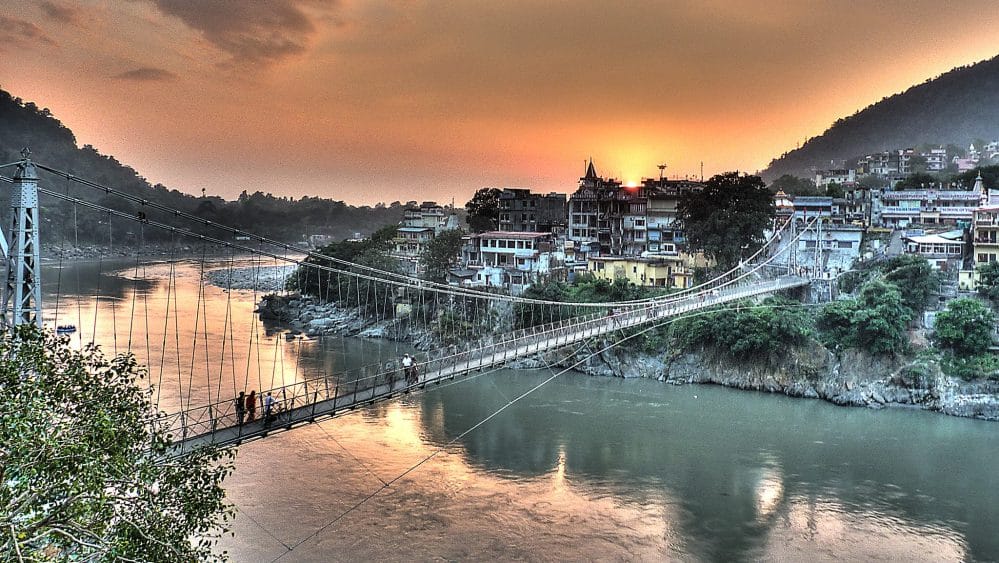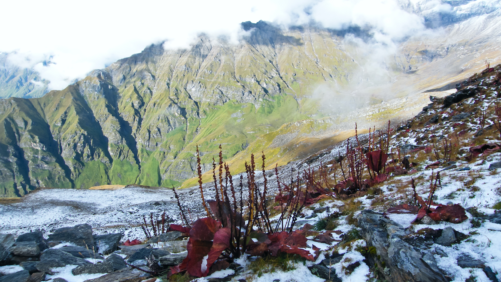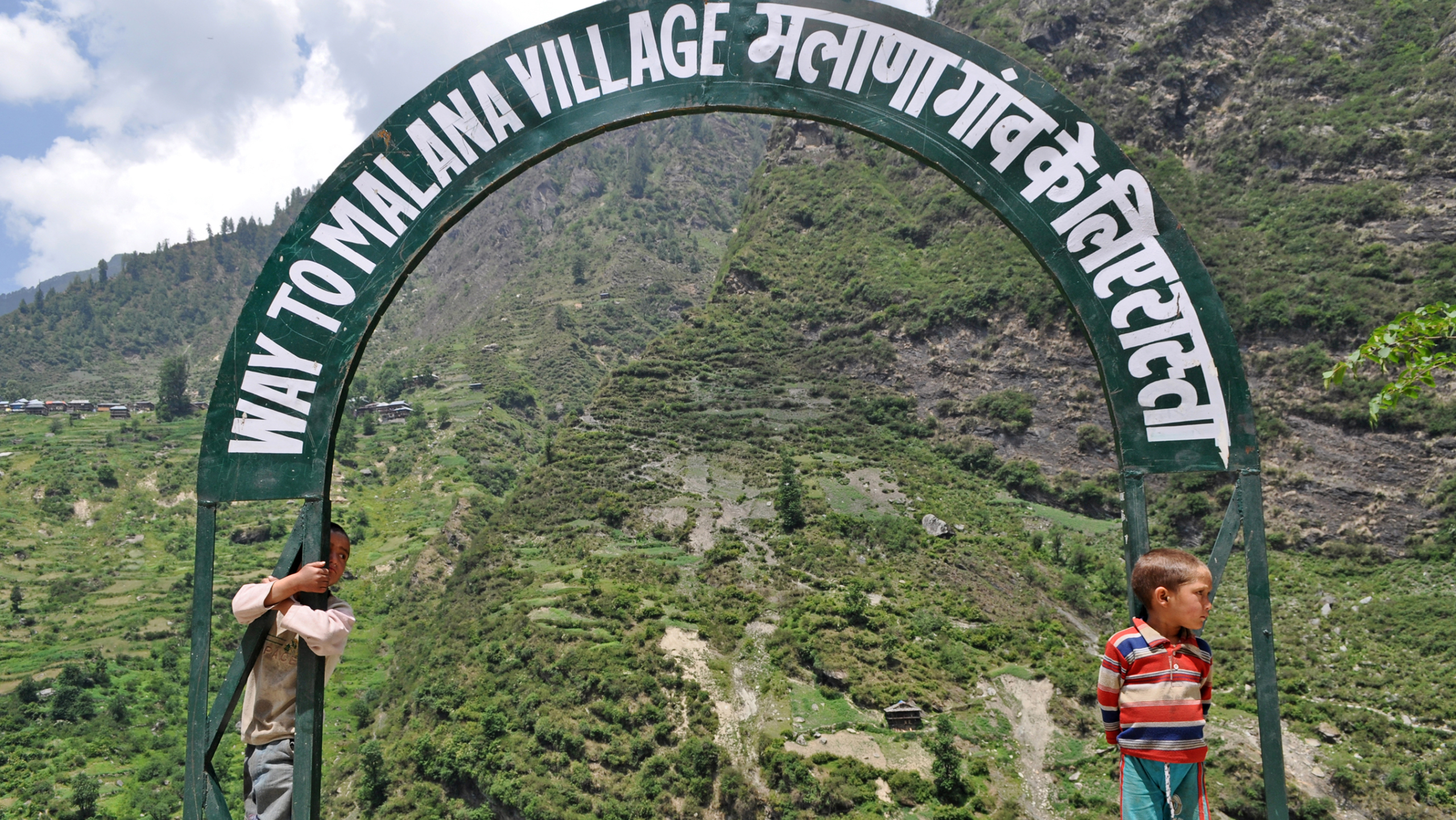
Tucked away in the remote valleys of Himachal Pradesh, the village of Malana stands at around 2,652 metres (8,701 ft) above sea level — perched in the shadow of peaks like Deo Tibba and Chanderkhani Pass, in the side-valley of the Parvati Valley (“Malana Nala”) branching off the Kullu Valley.

For the traveller who is tired of the ordinary and seeks mountains, mystery, culture and a touch of the unusual, Malana offers a rare experience. You’ll trek in, breathe crisp air, hear tales of one of the “oldest democracies”, glimpse ancient customs — and then realise how little you really know. (Yes, there are still rules: don’t touch the walls, houses or villagers unless you want to pay a forfeit).
In this guide I’ll take you through everything you need to know: how to reach Malana, what to see and do, how to stay, what to pack — plus practical info like budgets, safety and responsible travel. Let’s dive in.
Quick Snapshot
| Item | Details |
|---|---|
| Best time to visit | May to June (spring/early summer) or September/October (post-monsoon, clear skies). Roads may be tricky in monsoon. |
| How to reach | From Delhi/Chandigarh → Bhuntar airport or Kullu-Manali road → drive to Jari (~4 km trek) → walk into Malana. |
| Must-do | Trek in via Jari, explore the village terrain & customs, enjoy views of Parvati Valley, visit nearby hamlets like Tosh or Kasol for side-trips. |
| Budget indication | Mid-budget mountain stay, basic food, shared taxis; expect higher cost for remote location and trekking gear. |
| Special safety/permit note | Because of the terrain, weather, and cultural customs of Malana (including “no-touch” rule), you’ll need to respect local protocols. Some guest houses in village closed/unregulated. |
Why Visit Malana?
Malana isn’t just another Himachali village. It’s distinct — culturally, geographically and historically.
- It claims to have its own democratic-style governance, a village council guided by the deity Jamlu Devta.
- The language here is markedly different — locals speak Kanashi, which is unintelligible to outsiders.
- Its remoteness preserves a sense of “otherness” — the valley, the mountains, the traditions feel untouched (though tourism has increased).
In short: if you want to get away from the usual tourist trail in Himachal and experience something unique — this is it.
When to Go
Spring (April – June): Snow has mostly melted on the lower tracks, wildflowers begin to appear, days are warm, nights still cold.
Monsoon (July – August): Beautiful green hills, but heavy rains, landslides and road-closures are a risk in the Parvati Valley side.
Post-monsoon / Autumn (September – October): Clear skies, crisp air, excellent for trekking and photography.
Winter (November – March): Very cold, heavy snow possible, access may be severely limited.
Average temperature data specific to Malana is hard to find in official form; treat any number with caution and check closer to travel date.
How to Reach
- Nearest airport: Bhuntar Airport (near Kullu) is the closest major airport for Kullu-Manali region.
- By road: From Bhuntar or Kullu town, drive toward Kasol → Jari (approx. 23 km) then a 4 km trek into Malana.
- By bus/taxi: Shared taxis operate from Kasol/Jari; higher cost but needed given remote location.
- Trek option: If you enjoy trekking, you can reach via trails such as from Chanderkhani Pass or other side-valleys.
Be sure to allow extra time for mountain roads, check weather updates, and confirm whether the final stretch is walk-in only.
Where to Stay
Given the remoteness and the unique village rules of Malana, your options include:
- Guest houses or lodges in Jari (just before Malana) or in the valley near Kasol.
- Basic mountain stays (budget to mid-range) inside the village area may have restrictions; as of recent years some guest houses within Malana were closed on orders of the deity for “purity”.
- Mid-range stays: expect simple rooms, communal bathrooms, and maybe limited connectivity. Prices vary; always call ahead.
- Luxury stays: Not really the style here — part of the charm is the rustic mountain experience.
Tip: Book early for peak months (May/June, September) and verify whether the trek/walk-in to your stay is long or steep (carry your bags accordingly).
Top Things to Do in Malana
Trek to Malana Village from Jari

Start your journey with a scenic walk from Jari to Malana village — about 4 km through forest and mountain terrain. Expect ~1.5 to 2 hours depending on pace. (Source: travel guide data)
Bring good walking shoes, water, and take breaks to soak in the views of the Parvati Valley.
Explore the Village & Jamlu Devta Temple (from outside)
Malana has ancient social customs and architecture built in traditional Kath-Kuni style. The shrine of Jamlu Devta holds local importance. Note: you must respect local rules — many sources note that touching village property or houses is prohibited and may incur a fine.
Walk around, chat with local café owners (outside the restricted zone) and soak the atmosphere.
View from Chanderkhani Pass & Surrounding Ridgelines

If you’re up for a longer trek, the Chanderkhani Pass trek is a superb vantage point offering panoramic Himalayan views. (Ensure you check conditions and guide options).
Even if you skip the full pass trek, take short side-walks above the village for sweeping valley views and photo vantage points.
Visit Nearby Villages / Side-Trips: Kasol & Tosh
While Malana is the main draw, neighbouring hamlets offer great contrast. From Kasol (a more commonly visited base) you can spend an evening, try local cuisine, and stay for more comfort. Then next morning head into Malana for the isolated experience.
This “two-stop” model works well for travellers wanting both comfort and wilderness.
Cultural Immersion & Respecting Traditions
Take time just sitting in a café overlooking Malana, reading about its lore (e.g., the claim of being “Greece” or “descendants of Alexander” though unverified) and observing how life flows slower here.
Respect local rules: many guides emphasise you should not touch walls/houses or villagers (unless clearly permitted), follow restricted areas, and speak low-volume.
Sample Itineraries
1-Day Itinerary (From Kasol):
- Early morning: Depart Kasol → Jari taxi.
- Mid-morning: Trek Jari → Malana.
- Afternoon: Village walk, view from ridge, short local café stop.
- Late afternoon: Return to Jari → Kasol for stay.
3-Day Itinerary:
- Day 1: Arrive Kasol, rest, evening walk.
- Day 2: Jari → Malana early morning, full exploration, stay in or near village.
- Day 3: Trek or walk back, side-trip to Tosh or Parvati Valley viewpoint, return to Kasol or onward.
5-Day Extended:
- Day 1–2: Kasol base, acclimatise.
- Day 3: Malana trek + village stay.
- Day 4: Long trek to Chanderkhani Pass or other high ridge, camp if possible.
- Day 5: Return via Jari, stopover in Kasol, return to base.
Costs & Budget
| Item | Approximate Cost* |
|---|---|
| Shared taxi Kasol→Jari (one-way) | ₹600-₹1,000 depending season & negotiation |
| Trek Jari→Malana guide/porter (optional) | ₹500-₹1,000 |
| Accommodation (mid-budget) | ₹1,200-₹3,000 per night (depending on season & view) |
| Food (local café) | ₹250-₹600 per meal |
| *Prices indicative; verify at booking time. | |
| Because Malana is remote, expect slight premium over typical village stays; also factor in gear and transport premiums in mountain terrain. |
Local Transport & Permits
- Shared taxis or private cars from Kasol/Jari are the norm. Public bus service is minimal or irregular.
- Trekking from Jari to Malana is mandatory — there is no motor road directly into the village for vehicles.
- As of recent years, though tourism is allowed, there have been stricter controls on stays inside Malana; some guest houses reportedly closed.
- Foreign tourists should check with local tourism offices (e.g., HPTDC or Kullu district tourism) for any permit or registration requirements (many mountain zones require registration for safety).
- Always check latest road/bridge status, especially during monsoon or winter.
Food & Drink
- In Kasol or Jari you’ll find vegetarian mountain menus: thukpa (Tibetan noodle soup), maggi, momos, hearty local dals and simple Indian home-cooked style meals.
- Inside Malana village, food options may be extremely basic — carry snacks, water, and energy bars for trekking days.
- Drinking safety: Stick to bottled or purified water; mountain streams often seem clean but risk remains.
- Tip: Respect local dietary norms — many stays are simple, hostels or lodges more than full service resort kitchens.
Safety, Health & Permits
- Mountain terrain means altitude changes, narrow paths, steep drops — choose good shoes, stay hydrated, don’t rush.
- Monsoon season (July-August) and winter bring higher risk of landslides, avalanches or road blocks.
- Cultural sensitivity: Malana has unique customs (e.g., “outsiders not to touch village property”) that if ignored may lead to friction.
- Medical facilities are minimal within the village: if you have serious conditions, plan evacuation path or stay in Kasol/Jari.
- Permits: If you are trekking farther (e.g., towards Chanderkhani Pass) check if any local forest/permit rules apply.
- Respect nature: avoid littering, do not pick plants or disturb local wildlife.
Packing List & Tips
Essential:
- Sturdy trekking shoes with good grip
- Layers of clothing: warm fleece/jacket for mornings & evenings
- Waterproof poncho or lightweight rain jacket (especially if trekking)
- Day-pack with water bottle, snacks, headlamp, first-aid kit
- Offline map or downloaded GPS trail (network may be patchy)
- Sunscreen, sunglasses, hat — high altitude sun stronger
Cultural dress notes: - Keep clothing modest when walking near village clusters; avoid loud colours or flashy behaviour.
Seasonal extras: - For summer: insect repellent, lighter layers
- For winter/early spring: thermal innerwear, gloves, hat, crampons (if snowy)
Tips: - Carry cash (ATMs unlikely in Malana)
- Make sure your phone has enough battery or carry power bank — charging may be limited.
Responsible Travel & Sustainability
- Malana’s ecosystem and culture are delicate — stay on marked trails, avoid disturbing flora/fauna.
- Respect local customs: ask permission before photographing people; many locals value privacy.
- Avoid single-use plastics; carry reusable bottle/pack.
- Support local economy: buy from village cafés or stays run by locals, rather than big chain hotels.
- Stay minimal: the more visitors behave like large-scale tourists, the faster the “secret village” charm will fade.
Conclusion
If you’re looking for more than just another Himachal hills trip, Malana delivers. From its story-filled village, hidden trails, steep views and ancient culture, it rewards the curious traveller who slows down and shows respect.
Before you go: check recent road/bridge conditions, carry good footwear and layer up, respect the local rules, and don’t rush. And as you step into the mist of the Parvati Valley, remember: you’re in one of the more unusual, lesser-talked-about places of the Himalayas. Enjoy responsibly.
Read more: Attractions
FAQs
A1: The walk is approx. 4 km and commonly takes 1.5 to 2 hours depending pace and load.
A2: Recent reports suggest some guest houses inside Malana were closed by local village authority/deity orders in 2017; it is safer to stay in Jari or nearby and verify current status locally.
A3: With proper gear, daylight hiking and staying in reputed lodges, yes, but remote mountain travel always carries extra risk (weather, terrain, communication). Respect local customs at all times.
A4: The shoulder periods — late May (just before peak) or early October (just after monsoon) — tend to be less crowded while still offering good weather.
A5: While no widely-published permit requirement emerges, many mountain regions in Himachal have registration or forest check-posts — it’s wise to check at Kullu tourism office or local police station ahead of visiting.