Nestled in the Pithoragarh district of Uttarakhand at an elevation of 1,106 meters, Askot is a hidden gem waiting to be discovered. You are about to uncover a region that borders Nepal and China, offering a unique blend of cultural heritage and breathtaking natural beauty.

As you explore this quaint town, you’ll find that its name originates from “Assi Kot,” meaning Eighty Forts, a testament to its rich history dating back to the 13th century. The Askot Wildlife Sanctuary, also known as Askot Musk Deer Sanctuary, covers an area of around 599 square kilometers, protecting endangered species and showcasing the region’s diverse flora and fauna.
Key Takeaways
- Discover the enchanting town of Askot, nestled at 1,106 meters elevation.
- Explore the historical significance of Askot, reflecting its rich royal heritage.
- Learn about the renowned Askot Wildlife Sanctuary and its diverse ecosystem.
- Uncover the natural beauty of Askot with its rhododendron-carpeted hills and enchanting valleys.
- Preview the incredible experiences awaiting you in Askot, from wildlife encounters to cultural immersion.
Discovering Askot: The Hidden Gem of Uttarakhand
In the heart of Uttarakhand lies Askot, a gem that shines with its rich history and breathtaking landscapes. As you explore this enchanting destination, you’ll uncover the secrets of its geographical significance and historical background.
Geographical Location and Significance
Askot is nestled in the Himalayas, making it a home to diverse flora and fauna. Its strategic location has contributed to its importance as a cultural and ecological hub.
Historical Background of Askot
Askot’s history dates back to the Katyuri kings, a prominent dynasty in the Kumaon region. King Abhay Pal established the Rajwar dynasty in 1279 AD, marking the beginning of a new era. This place has been a significant cultural and historical site, with its name derived from “Assi Kot,” meaning Eighty Forts.
Askot’s rich historical timeline and cultural significance make it a fascinating destination for history enthusiasts and travelers alike, offering a unique glimpse into its glorious past.
Askot Wildlife Sanctuary: A Haven for Endangered Species

As you step into the Askot Wildlife Sanctuary, you’re surrounded by the majestic beauty of the Himalayas. This sanctuary is a crucial part of Uttarakhand’s ecological network.
Location and Elevation Details
The Askot Wildlife Sanctuary is located in the Pithoragarh district of Uttarakhand, at a significant elevation, making it a unique habitat for various species.
The Endangered Musk Deer Conservation
The sanctuary is known for its conservation efforts, particularly for the endangered Musk Deer. It provides a safe haven for these animals to thrive.
Which State Houses the Sanctuary?
The Askot Wildlife Sanctuary is situated in the state of Uttarakhand, specifically within the Kumaon region, contributing to the state’s rich biodiversity.
Rivers and Natural Beauty of Askot
As you explore Askot, you’ll discover the region’s breathtaking natural beauty, shaped by its intricate network of rivers. The rivers not only enhance the aesthetic appeal of the area but also play a crucial role in sustaining its rich flora and fauna.
The Kali River and Its Significance
The Kali River is a significant waterbody that flows through the region. It is known for its dramatic confluence with the Gori Ganga at Jauljibi, creating a spectacular natural landmark. This confluence is not just a visual treat but also holds cultural and geographical significance.

Other Rivers Flowing Through the Region
Apart from the Kali River, Askot is home to other rivers such as the Gori Ganga, Dhauli, and Ilki. The Gori Ganga originates from the Milam Glacier and flows through the heart of the Askot Wildlife Sanctuary. The Dhauli and Ilki rivers have their origins within the sanctuary, creating a web of waterways that support the region’s diverse ecosystem and dense forests.
These rivers have carved valleys and gorges, creating diverse microhabitats throughout the region. They support traditional livelihoods through irrigation, fishing, and as transportation routes, connecting remote villages and enhancing the overall natural beauty of Askot.
Wildlife Diversity in Askot Sanctuary
As you explore Askot Wildlife Sanctuary, you’ll discover a rich tapestry of flora and fauna that thrives in its diverse ecosystems. The sanctuary is home to a wide variety of wildlife, making it a fascinating destination for nature enthusiasts and wildlife lovers.
Mammals Found in the Sanctuary
The Askot Wildlife Sanctuary is inhabited by numerous mammal species. Some of the notable ones include the endangered Musk Deer, leopards, and various other species that inhabit the forests.
Bird Species and Their Habitats
The sanctuary is a haven for birdwatchers, with a diverse range of bird species. The varied habitats within the sanctuary support a rich avifauna, making it an ideal location for observing birds in their natural habitats.
Flora and Vegetation Types
The sanctuary boasts a rich flora, with forests dominated by trees such as pine, oak, deodar, and rhododendron. The diverse flora fauna is supported by the varied vegetation types, ranging from subtropical forests to alpine meadows.

Top Places to Visit in Askot Uttarakhand
Discover the enchanting destinations in Askot, Uttarakhand, that promise an unforgettable experience. Askot is a treasure trove of historical sites, natural beauty, and cultural richness.

Narayan Swami Ashram
The Narayan Swami Ashram is a spiritual haven, offering a serene environment for introspection and peace. It’s a significant pilgrimage site that attracts devotees from all over.
Jauljibi – The Confluence Point
Jauljibi is known for its picturesque confluence of rivers, making it a perfect spot for nature lovers. The area is ideal for picnics and offers breathtaking views.
Historical Sites and Viewpoints
Askot is home to numerous historical sites and viewpoints, including the ancient fort of Lakhanpurkot and the remnants of the “Eighty Forts.” These sites provide a glimpse into the region’s rich history and offer panoramic views of the Himalayas.
Nearby Destinations Worth Exploring
As you explore Askot, you’ll discover that the surrounding region is dotted with hidden gems worth visiting. The area is rich in natural beauty and cultural heritage, making it an ideal location for travelers seeking a diverse experience.
Pithoragarh – The Little Kashmir
Pithoragarh, often referred to as “The Little Kashmir,” is a picturesque town that boasts breathtaking landscapes and a rich cultural heritage. It’s an ideal destination for those looking to experience the beauty of the Himalayas.
Munsiyari and Its Panoramic Views
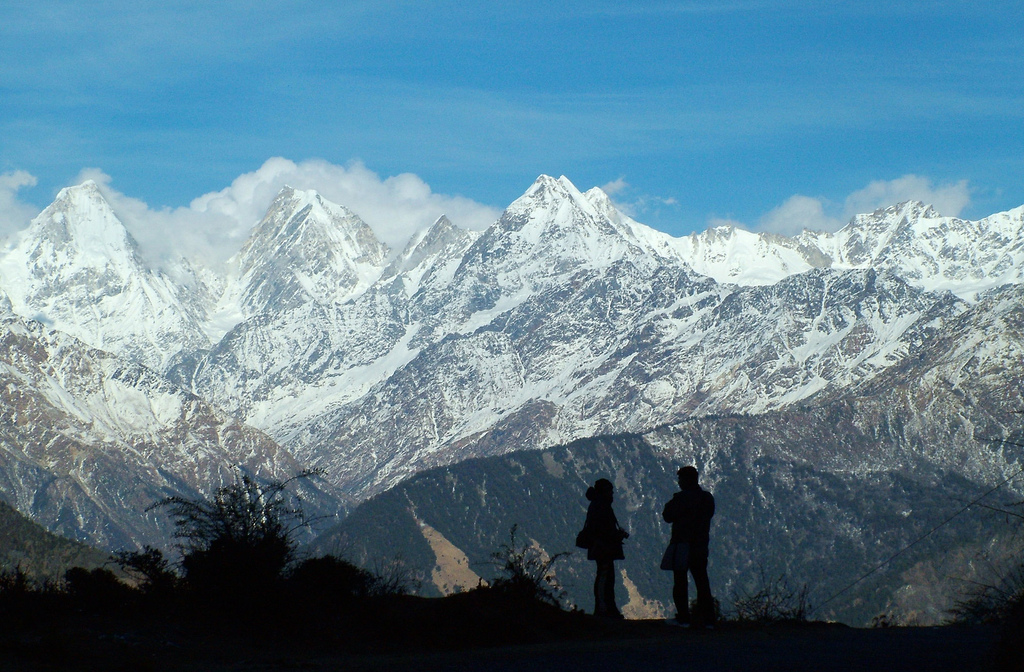
Munsiyari offers panoramic views of the Himalayan peaks, including Panchachuli. This hill station is perfect for trekking and nature walks, providing an unforgettable experience amidst nature’s splendor.
Chaukori and Didihat
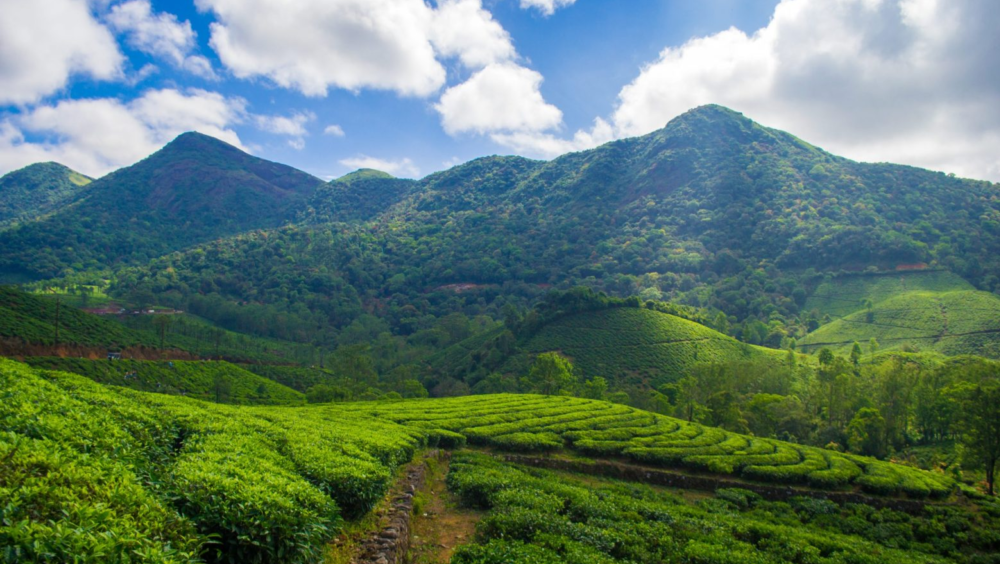
Chaukori and Didihat are two destinations that showcase the natural beauty and cultural richness of the region. Chaukori is famous for its tea gardens and offers spectacular views of Himalayan peaks. Didihat, situated at 1,725 meters above sea level, is known for its breathtaking vistas of snow-capped mountains like Panchachuli and Trishul. Visitors can enjoy nature walks, bird watching, and exploring ancient temples like the revered Malaynath Temple in Didihat and Nag Mandir in Chaukori. Various tour packages are available that include these destinations, providing a comprehensive experience of eastern Uttarakhand’s diverse landscapes and cultural heritage.
Things to Do in Askot Uttarakhand

Explore Askot, a region that is home to the endangered Van Rawat tribe and a haven for nature enthusiasts. Askot offers a variety of activities that allow you to connect with nature and experience the rich cultural heritage of the area.
Trekking and Hiking Adventures
Askot is a trekker’s paradise, with trails that take you through dense forests and to the foothills of the Himalayas. You can hike to remote villages and experience the pristine beauty of this untouched region.
Wildlife Photography Opportunities
The Askot Wildlife Sanctuary is a photographer’s dream, with a diverse range of flora and fauna. Capture the beauty of the endangered Musk Deer and other wildlife in their natural habitat.
Cultural Experiences with Local Tribes
Engage with the Van Rawat tribe, an indigenous community that calls Askot home, living in harmony with nature. You can participate in cultural exchange opportunities, learning traditional skills and respecting the delicate balance between tourism and cultural preservation.
The Royal Heritage: Askot’s Royal Family
Askot’s royal heritage is a fascinating tale of dynasties, cultural exchange, and the blending of traditions. Throughout its history, Askot has seen the rule of various dynasties, including the Rajwar dynasty, which has significantly contributed to the region‘s cultural fabric.
History of the Rajwar Dynasty
The Rajwar dynasty, which ruled Askot, has a rich and complex history that spans centuries. Their reign was marked by significant cultural achievements and architectural developments, some of which still stand amidst the forests and mountains of Askot.
Cultural Influence and Legacy
The cultural influence of Askot’s royal family is evident in the region‘s architecture, art, and religious practices. The royal family’s patronage of temples and traditional arts helped preserve unique cultural expressions. You can explore this legacy through heritage tour packages that offer insights into the lifestyle and governance of the Rajwar dynasty.
As you delve deeper into Askot’s royal heritage, you’ll discover how the cross-cultural exchange with neighboring countries has given Askot a unique blend of Indian, Nepalese, and Tibetan influences. The distinctive architectural style of palaces, temples, and forts commissioned by the royal family is a testament to this cultural blend.
Planning Your Visit to Askot
With its breathtaking landscapes and rich heritage, Askot is a must-visit, and here’s how you can plan your trip.

Best Time to Visit
The best time to visit Askot is from March to June and September to November when the weather is pleasant. Avoid visiting during the peak monsoon season.
How to Reach Askot
Getting to Askot is relatively easy. The nearest airport is Naina Sani in Pithoragarh, about 60 km away. By rail, the nearest station is Kathgodam (Haldwani), approximately 230 km from Askot. Regular buses connect major cities to Almora, from where you can take another bus to Askot.
Accommodation Options
You can choose from a range of accommodations in and around Askot, including comfortable guesthouses, forest rest houses, and homestays that offer authentic local experiences. Consider booking in advance, especially during peak seasons or winter when snow can limit availability. Many tour packages include pre-arranged stays, making it easier to plan your trip.
Some options include:
- Homestays that offer a taste of Kumaoni hospitality
- Government-run tourist rest houses with basic facilities
- Luxurious options in nearby Pithoragarh for higher-end amenities
To make the most of your visit, consider tour packages that include accommodations and planned activities, ensuring a hassle-free experience in this beautiful places like Askot.
Conclusion: Why Askot Deserves a Spot on Your Travel Bucket List
With its pristine landscapes and rich cultural heritage, Askot deserves a spot on your travel bucket list. This region offers a unique blend of wildlife conservation, historical places, and stunning natural beauty within the sanctuary. Askot’s history and culture make it an ideal destination.
Key highlights include experiencing Askot’s unspoiled landscapes, supporting conservation efforts, and enjoying authentic local interactions. By visiting Askot, you contribute to preserving its natural and cultural heritage for future generations.
Read more: Attractions
FAQ
The best time to visit is from April to June and September to November, when the weather is pleasant and ideal for wildlife spotting.
The region has a varied elevation, with some areas rising above 7,000 feet, offering breathtaking views of the surrounding mountains and valleys.
The Kali River is a significant waterbody that flows through the region, providing a habitat for diverse aquatic life and supporting local ecosystems.
The sanctuary is home to a variety of wildlife, including the endangered Musk Deer, leopards, and numerous bird species, making it a haven for nature lovers and wildlife enthusiasts.
You can reach Askot by road, with the nearest railway station located at Tanakpur, which is well-connected to major cities, and from there, you can take a taxi or bus to Askot.
You can choose from a range of accommodation options, including guesthouses, homestays, and forest rest houses, which offer a comfortable stay amidst the natural beauty of the region.
Some of the top places to visit include Narayan Swami Ashram, Jauljibi, and the confluence point of the Kali River, which offer a glimpse into the region’s rich cultural heritage and natural beauty.