
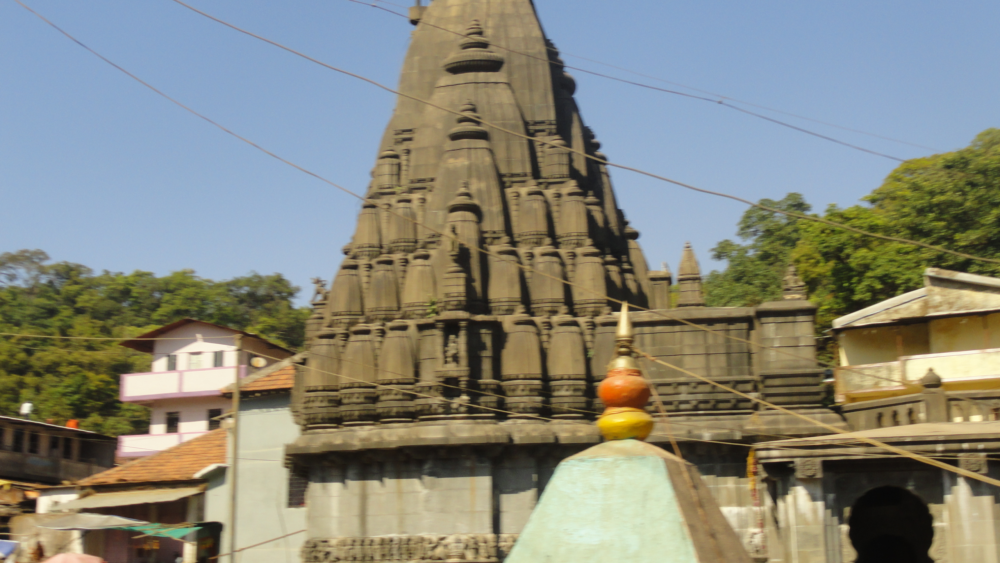
Imagine escaping the flat plains of Pune and Mumbai for a weekend where ancient spirituality and dense green forest meet. That’s exactly what you’ll get in Bhimashankar: nestled in the Sahyadri (Western Ghats) range of Maharashtra, it is home to one of the twelve revered Jyotirlingas of Lord Shiva and a lush wildlife sanctuary of global importance.

Whether you’re seeking a quiet temple visit, a brisk trek through forest trails lined with mist and wildlife or a tranquil weekend away with friends or family, this escape has depth and diversity. Let’s explore how to plan a memorable, responsible getaway.
Quick Snapshot
| Category | Details |
|---|---|
| Best Time to Visit | November to February for cool, dry weather; monsoon (June–September) is beautiful but tricky. |
| How to Reach | From Pune (~110 km) by road/train; from Mumbai ~200–250 km. |
| Ideal Duration | Weekend: 2 days is sufficient; 1 day can work if you arrive early; 3+ days for relaxed pace. |
| Must-do | Darshan at Bhimashankar Temple; trek in Bhimashankar Wildlife Sanctuary; visit Hanuman Lake & Gupt Bhimashankar. |
| Budget (mid-range) | Moderate stay, food + local transport: expect comfortable stay + meals + local travel for weekend. |
| Safety & Tips | Forest roads may be slippery in monsoon; check temple timings; respect local sacred regulations; wear good trekking shoes. |
Why Visit Bhimashankar?
First, there’s the spiritual draw. The Bhimashankar Temple is one of the twelve Jyotirlingas, which grants it deep significance for Hindu pilgrims.
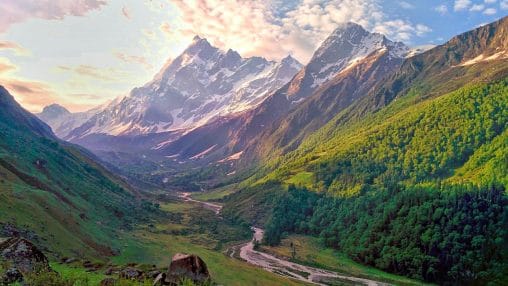
Second, the nature draw: the region lies inside the Western Ghats, recognised as a global biodiversity hotspot.
The area around the town is forest-rich, mist-filled, and alive with endemic fauna — such as the Indian Giant Squirrel.
Together, you get a mix of temple-town calm, forest soundscapes, crisp mountain air, and trekking adrenaline. That’s why Bhimashankar makes a compelling weekend getaway for both domestic and international travellers (aged ~20-45) looking for a budget-to-mid-range escape.
When to Go
Seasonal Breakdown
- Winter (Nov–Feb): Cool (approx 15 °C–25 °C in mornings/evenings), clear skies, best for trekking.
- Summer (Mar–May): Warmer (could go up to ~30 °C+), good green cover still present but heat builds up.
- Monsoon (Jun–Sep): Dramatic vistas, lush waterfalls, but steep forest roads get slippery and trekking can be riskier.
- Shoulder seasons (Oct, Mar): Often a sweet spot with fewer crowds and good weather.
Recommendation: For a relaxed, safe weekend, aim for November to February. If you’re an experienced trekker with proper gear, monsoon is beautiful—but plan extra buffer for weather/road delays.
How to Reach
By Road
The nearest major hub is Pune (~110 km) from Bhimashankar.
From Mumbai, it’s ~200–250 km depending on route and traffic.
You can drive your own vehicle or book a cab from Pune or Mumbai. Note: The final stretch through the forest ghats can have narrow winding roads; in fact, the stretch between Manchar and Bhimashankar has been flagged for poor conditions during monsoon.
By Train/Bus
The nearest large railway station is Pune. From there, state-run buses or private taxis run to Bhimashankar village. One Reddit user describes taking a direct MSRTC bus from Shivaji Nagar Bus Stand.
Nearest Airport
Pune Airport is the closest major airport. From there by road to Bhimashankar.
Travel Time Approximate
- Pune → Bhimashankar: ~3–4 hours depending on traffic & weather.
- Mumbai → Bhimashankar: ~4–5 hours (or more in heavy traffic/ghats).
Allow extra time if travelling in monsoon or early in morning for darshan.
Where to Stay
In Bhimashankar you’ll find accommodation ranging from forest lodges to guesthouses and resorts.
Some points:
- Stay nearer to the temple/town if you want convenience.
- Choose forest-edge or resort stays if you prefer nature immersion.
According to TripAdvisor, recommended stays include: Neelam Hills Resort, La Moire Resort, Ratwa Resort, Bhimashankar Jungle Camp.
Also, the official tourism page lists Bhimashankar as part of “nature / temple” offerings and you may find forest department stays/MTDC options.
Price bands (approximate, validate when booking): - Budget guesthouse / dorm style: modest rates.
- Mid-range resort: comfortable with views and amenities.
- Premium eco-lodge: higher cost, nature-luxury experience.
Tip: Book ahead during major festivals or monsoon weekends. Check whether breakfast is included, transport from nearest junction is arranged, and whether forest permit/vehicle entry is included.
Top Attractions & Experiences
Bhimashankar Temple
The heart of the getaway: the temple is situated in Bhorgiri village in the Sahyadri Hills.
Timing:
- Kakada Aarti at 4:30 AM
- Temple closes around 9:30 PM.
Why go: Spiritual significance, peaceful forest setting, architecture.
Tip: Arrive early morning to avoid crowds and for a serene darshan.
Bhimashankar Wildlife Sanctuary
Declared as a sanctuary, it encompasses the forested hills around the temple.
What to see:
- Endangered Indian Giant Squirrel.
- Birdlife, streams, trekking trails.
Trekking: Trails vary in difficulty; always carry water, good shoes, and obey forest rules.
Note: Entry fees, timing may vary—check local forest department site ahead.
Unverified detail: I couldn’t find a consistently updated official entry-fee list easily available online—so check on arrival.

Gupt Bhimashankar & Hanuman Lake
Nearby treasures. Gupt Bhimashankar is believed to be original location of the jyotirlinga, hidden in the forest.
Hanuman Lake: a calm waterbody ideal for walks and nature views. These add variety: spiritual + nature + light-trek.
Ahupe Waterfalls & Nearby Forts
If you have extra time/energy, visit Ahupe Waterfalls (lesser-known) and historical forts like Bhorgiri Fort.
They make for good side trips especially on extended weekends.
Suggested Itineraries
1-Day Express Itinerary
- Early morning: Depart from Pune (by ~5–6 AM)
- Arrive Bhimashankar by ~9–10 AM
- Visit the temple, Kakada Aarti if possible.
- Lunch in town.
- Afternoon trek (wildlife sanctuary trail or Hanuman Lake).
- Evening return or stay overnight if you prefer relaxed pace.
2-Day Weekend Plan
Day 1: Arrive morning, check-in, temple visit, nature walk in the afternoon, stay overnight.
Day 2: Early morning trek in sanctuary, visit Gupt Bhimashankar/Ahupe Waterfalls, lunch, begin return by late afternoon.
This gives time to relax, enjoy forest stay, and not feel rushed.
3-Day Relaxed Plan
Day 1 – travel & relax; Day 2 – full day trekking + nature; Day 3 – light sightseeing + return.
Best for friends or family who want nature immersion and chill time.
Costs & Budget
| Item | Estimate* |
|---|---|
| Road travel (fuel/taxi) | Depends on vehicle; from Pune ~₹ 3,000–4,000 round trip in a shared/mini taxi (verify current rates) |
| Accommodation (mid-range) | ~₹ 2,500–5,000/night depending on season & resort |
| Meals | ~₹ 400–1,000 per person per day for decent meals |
| Entry / permits | Wildlife sanctuary & trekking may have small fees (verify locally) |
| *All estimates as of Nov 2025; please check live rates. |
Local Transport
Once you reach the Bhimashankar junction, you may need:
- Local taxi or resort-arranged pickup to the temple/forest.
- State transport buses from Pune via Manchar etc. (though schedule may be limited in late hours).
- On forest trails: trekking or walking; vehicles often stop at a certain point.
Tip: Confirm the final vehicle drop-point with your resort/guide; in monsoon the roads may be slower. The route Manchar-Bhimashankar has been flagged for slippery roads and potholes.
Permit alert: If you plan a deep forest trek, check with the Maharashtra Forest Department for any permit or guide requirement.
Food & Drink
Cuisine is simple, vegetarian-friendly (given the temple town).
Recommended: Try local Maharashtrian thali, fresh vegetable curries, local chai on forest edge.
Hygiene tip: Opt for busy eateries (good turnover) especially during monsoon when water-logging may affect smaller kitchens.
Sample eatery suggestions: Local guesthouses often include meals; otherwise use the town’s main road restaurants (look at TripAdvisor for latest reviews).
Safety, Health & Permits
- Forest roads can be dangerous in heavy rain/fog—drive cautiously.
- Hiking trails may be slippery in monsoon—carry proper shoes and avoid loose sandals.
- Carry insect repellent—forest zones often have leeches/mosquitoes.
- Temple dress code: modest, cover shoulders, avoid loud clothing.
- If carrying drone/camera equipment, check if forest regulations apply.
- Health advisory: If you have respiratory issues, early mornings in the forest may feel cooler and damp—dress in layers.
- Wildlife: Do not feed animals, retain safe distance, follow signage.
- Permits: For sanctuary entry or deep treks, check at the forest department office or your stay’s front desk.
Packing List & Tips
Essential:
- Good trekking shoes / sturdy sandals
- Light jacket or fleece (especially winter mornings)
- Rain jacket/poncho (monsoon)
- Water bottle, backpack, snacks
- Sunscreen, hat/sunglasses
- Insect repellent, small first-aid kit
- Modest clothing for temple visits (cover shoulders & knees)
Tip: Mobile/Internet may be patchy in forest & ghat regions—download offline map if driving or use GPS. Carry power bank.
Responsible Travel & Sustainability
- Bhimashankar area lies within protected forest and tribal village zones—so tread lightly.
- Carry any trash back and use resorts’ bins; avoid single-use plastics.
- Respect local customs: sacred groves, temples, wildlife zones all deserve quiet and considerate behaviour.
- Stay on marked trails only—forest ecology is fragile and endemic species like the Indian Giant Squirrel need undisturbed habitat.
- Support local economy: choose homestays or locally-owned lodges, eat at local eateries, buy locally-made souvenirs.
Conclusion
If you’re looking for a weekend escape where silence of forest, spiritual energy and cool mountain air come together — Bhimashankar delivers. Whether you’re a solo traveller, a couple, a group of friends or a family, you’ll find something to connect with. Book your stay, check weather/road conditions, carry the right gear—and you’ll be set for an unforgettable weekend.
Top FAQs
A1: Yes — if you start early, you can visit the temple and a short nature-walk/trek. But you’ll feel rushed. A 2-day stay is more relaxing.
A2: November to February offers cool, clear weather ideal for trekking and temple visits. Monsoon is beautiful but requires caution.
A3: From Pune (~110 km) by road or bus; from Mumbai ~4–5 hours via ghats. Connect via Pune or Manchar as intermediary.
A4: Sanctuary entry may involve a fee; for deeper treks check with forest department on-site. I couldn’t verify a fixed official rate.
A5: Sturdy shoes, layers for mornings, rain gear in monsoon, modest dress for temple.
A6: Yes – range of guesthouses, resorts & jungle camps. Book ahead for peak weekends.


_02.jpg)