You are about to embark on a journey to one of India’s most sacred city in Madhya Pradesh, where ancient temples and rich history create an atmosphere of divine tranquility.
Imagine visiting a place that has been a center of spirituality and culture for over 2,500 years, where the revered Mahakaleshwar Temple stands as a testament to the region’s enduring heritage.

This ancient city in Madhya Pradesh is not just a pilgrimage site but a gateway to understanding India’s profound history and cultural depth.
Key Takeaways
- Explore the spiritual and historical significance of Ujjain.
- Discover the revered Mahakaleshwar Temple and its importance.
- Understand the city’s role in India’s cultural heritage.
- Experience the unique blend of tradition and history.
- Plan your visit to this sacred city in Madhya Pradesh.
Discovering Ujjain: The Sacred City of Madhya Pradesh
As you step into the heart of India, you’ll discover Ujjain, a city steeped in history and spirituality. Ujjain is a place where ancient traditions and modern life blend seamlessly, creating a unique cultural experience.
Why is Ujjain Famous?
Ujjain’s fame can be attributed to its rich history, spiritual significance, and cultural heritage. The city is home to numerous ancient temples, including the revered Mahakaleshwar Temple, one of the twelve Jyotirlingas in India.
Ujjain’s historical importance is evident in its architecture, art, and literature, making it a fascinating destination for tourists and pilgrims alike.
Where is Ujjain Located in India?
Ujjain is strategically located in the western part of Madhya Pradesh, a state in central India. The city’s geographical coordinates are 23°10′N 75°46′E, and it is situated on the eastern banks of the sacred Shipra River.
- Nestled in the heart of central India, Ujjain is positioned on the Malwa plateau, offering a picturesque landscape and pleasant weather.
- The city is approximately 55 kilometers from Indore, the commercial capital of Madhya Pradesh, making it easily accessible by road and rail networks.
- Ujjain’s location has contributed to its historical importance as a center of power, learning, and spirituality throughout the centuries.
The Rich History of Ujjain
As you step into Ujjain, you’re walking into a city that has been a cradle of spirituality and learning for millennia. The city’s rich history is palpable in its ancient temples, monuments, and the sacred Shipra River that flows through it.
Ancient Ujjain: From Avantika to a Spiritual Center
Ujjain’s history dates back to the 4th century BCE when it was known as Avantika. It was annexed by the Mauryan emperor Chandragupta, marking the beginning of a new era. The city flourished under the Mauryans, with Ashoka serving as its viceroy before becoming emperor. “Ujjain has been a beacon of spiritual and cultural heritage,” as reflected in the works of legendary Sanskrit poets like Kalidasa, who often referred to the city in their writings.
Ujjain Through the Ages: Mauryan to Modern Era
Ujjain’s journey through history is marked by its rise under various dynasties, including the Guptas, Paramaras, and Mughals. Each era left its mark on the city‘s architecture, culture, and traditions. The Gupta era, often called India’s “Golden Age,” saw Ujjain flourish as a center of arts and science. The city’s association with legendary figures like Emperor Vikramaditya, whose court was renowned for its nine extraordinary scholars (the Navaratnas), further enriches its history.
- Witness the golden age of Ujjain during the Mauryan Empire.
- Explore the literary legacy of Ujjain through the works of poets like Kalidasa.
- Discover how Ujjain flourished under the Gupta Empire.
Mahakaleshwar Temple: The Heart of Ujjain

As you step into the heart of Ujjain, the Mahakaleshwar Temple awaits, embodying the city’s spiritual essence. This revered temple is one of the twelve Jyotirlingas, representing the cosmic significance of Lord Shiva.
The Sacred Jyotirlinga and Its Significance
The Mahakaleshwar Temple is home to a revered Jyotirlinga, symbolizing the infinite power of Lord Shiva. This sacred site attracts millions of devotees who come to seek blessings and experience the divine energy.
Mahakal Lok Corridor: The New Attraction
The recently inaugurated Mahakal Lok Corridor has transformed the temple experience. Spanning over 900 meters, this corridor features intricately carved sandstone pillars, murals depicting stories from the Shiv Purana, and a grand entrance with a 25-foot statue of Lord Shiva. The Mahakal Lok project has enhanced the spiritual journey for devotees while preserving the historical and cultural significance of the temple.
You can now explore the Mahakal Lok Corridor and experience the blend of spiritual artistry and modern amenities. The corridor’s beautiful murals and ornate pillars create a captivating atmosphere, making your visit to the Mahakaleshwar Temple even more memorable.
Must-Visit Temples in Ujjain
The city of Ujjain is renowned for its sacred temples, each with its unique significance and story. As you explore this ancient city, you’ll have the opportunity to visit some of the most revered temples in India.
Shri Kala Bhairava Temple

The Shri Kala Bhairava Temple is dedicated to the fierce form of Lord Shiva, Kala Bhairava. This temple is significant for its association with the legend of Kala Bhairava, who is believed to be the protector of the city.
Shree Harsiddhi Mata Temple

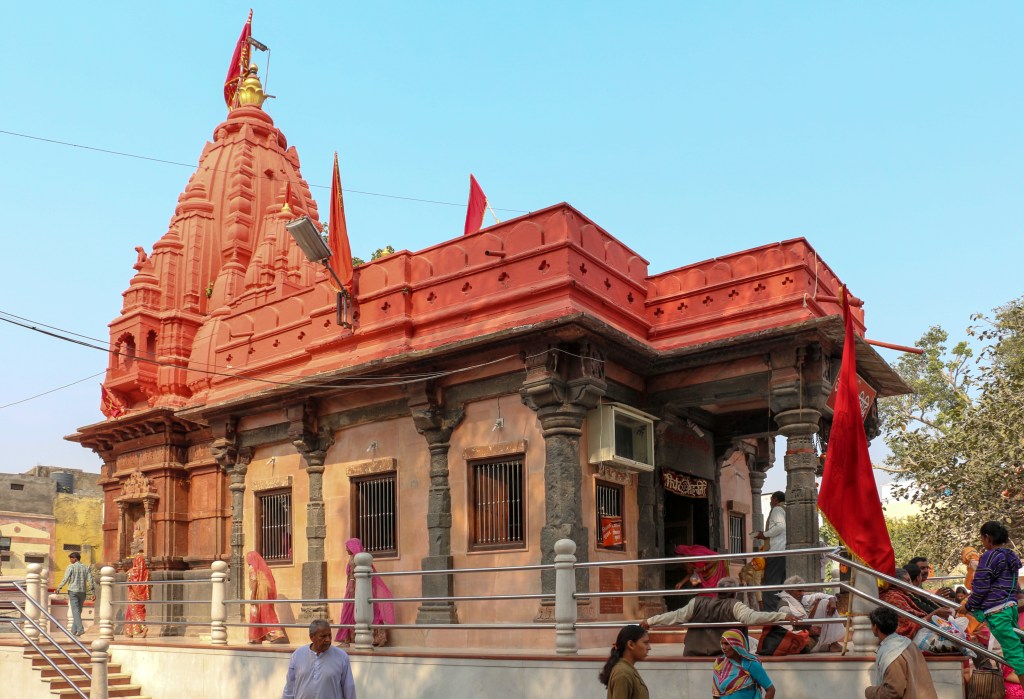
The Shree Harsiddhi Mata Temple is one of the 51 Shakti Peethas, where the power of the divine feminine is worshipped. This temple is dedicated to Goddess Harsiddhi, a form of the Goddess Durga, and is known for its historical and spiritual significance.
Mangalnath Mandir

Mangalnath Mandir is a sacred temple dedicated to Lord Shiva and is believed to be the place where the Mangala Gaurī, a form of Goddess Parvati, is worshipped. The temple is known for its peaceful atmosphere and is a significant pilgrimage site.
Chintaman Ganesh Temple
The Chintaman Ganesh Temple is an ancient temple housing a swayambhu (self-manifested) idol of Lord Ganesha. The deity here is revered as “Chintaharan Ganesh,” the remover of worries. The temple is situated across the Shipra River and is known for its artistically carved pillars dating back to the Paramara period.
Visitors can seek the blessings of Chintaharan Ganesh, admire the unique representation of Lord Ganesha with his consorts Riddhi and Siddhi, and marvel at the exquisitely carved pillars in the assembly hall. The peaceful atmosphere of the temple, situated across the Shipra River, offers solace to generations of worshippers.
Exploring Historical Sites in Ujjain
Ujjain, a city steeped in history, offers a plethora of ancient sites to explore. As you delve into its rich past, you’ll discover landmarks that date back to eras long gone, each telling a story of the city’s significance.
The city’s historical tapestry is woven with tales of mythological and historical figures, including Lord Krishna, who is said to have defeated the serpent Kaliya at a site now associated with the Kaliyadeh Palace.
Maharishi Sandipani Ashram

One of Ujjain’s most revered historical sites is the Maharishi Sandipani Ashram, a place where ancient city traditions are still palpable. This ashram is famously associated with Lord Krishna’s education and is a significant pilgrimage site.
Bhartrihari Caves and Kaliyadeh Palace
The Bhartrihari Caves, perched above the Shipra River, are a mystical site where the legendary poet-philosopher Bhartrihari once meditated. Nearby, the Kaliyadeh Palace stands as a testament to Ujjain’s rich history, showcasing a blend of Hindu and Persian architectural styles.
These historical sites not only reflect Ujjain’s cultural heritage but also invite travelers to immerse themselves in the city’s timeless charm.
Spiritual Experiences Along the Shipra River
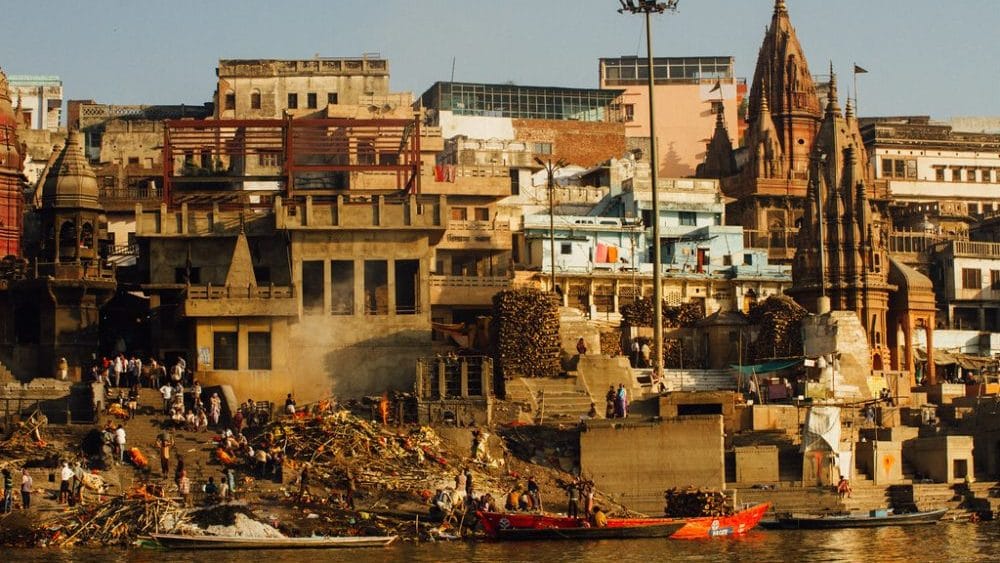
The Shipra River is more than just a waterbody; it’s a spiritual lifeline that nourishes Ujjain’s soul. As you explore the banks of this sacred river, you’ll discover numerous ghats, each with its own significance and stories.
Ram Ghat: The Sacred Bathing Spot
Ram Ghat is one of the most revered ghats along the Shipra River, attracting pilgrims from across the country. The ghat is bustling with activity, as devotees take a sacred dip in the river, believing it washes away their sins.

Kumbh Mela in Ujjain
The Kumbh Mela, held every 12 years, is a spectacle like no other. Ujjain transforms into a vibrant hub of spirituality, as millions gather to take a holy dip in the Shipra River. The event is a celebration of devotion, with sadhus and saints from various akharas performing extreme austerities.
The Kumbh Mela is not just a religious event; it’s an experience that embodies the spirit of India. You can witness the extraordinary spectacle of the Simhastha Kumbh Mela, marvel at the gathering of thousands of sadhus, and understand the profound mythological significance of this event connected to the churning of the cosmic ocean.
As you participate in the sacred rituals along the banks of Shipra, you’ll be immersed in the vibrant atmosphere of spiritual discourses, devotional music, and sacred rituals that continue day and night throughout the festival period.
Things to Do in Ujjain Beyond Temple Visits
Beyond the sacred temples, Ujjain unfolds as a vibrant city with a rich tapestry of experiences waiting to be discovered. As you explore this ancient city, you’ll find a plethora of activities that showcase its cultural, historical, and culinary richness.
Jantar Mantar: The Ancient Observatory

Jantar Mantar in Ujjain is a marvel of ancient astronomy. This historic observatory, built in the 18th century, features a collection of architectural astronomical instruments that were used to measure time, predict eclipses, and track celestial bodies. Visiting Jantar Mantar offers a unique glimpse into the city’s scientific heritage and its contributions to the field of astronomy.
Exploring Local Markets and Cuisine
Ujjain’s local markets, such as those around Tower Chowk, are a shopper’s paradise. You can wander through the vibrant stalls selling traditional handicrafts, religious items, and the city’s famous henna products. The local cuisine is equally enticing, with delicacies like Gajanan Kulfi, barf ka laddoo, and rabadi being must-try treats. As you explore places Ujjain has to offer, be sure to sample the city’s famous namkeen from local establishments like Bafna Sweets & Namkeen.
Some highlights of your culinary adventure in Ujjain include: – Wandering through the vibrant markets around Tower Chowk to immerse yourself in local culture. – Tantalizing your taste buds with Ujjain’s distinctive culinary offerings. – Sampling the city’s famous namkeen from local establishments. – Experiencing the sensory delight of street food at Tower Chowk. – Taking home authentic souvenirs that reflect Ujjain’s cultural heritage.
Planning Your Trip to Ujjain
To make the most of your visit to Ujjain, careful planning is key. Ujjain is a city that is rich in spiritual and historical significance, and being prepared will enhance your experience.
Best Time to Visit Ujjain
The best time to visit Ujjain is from October to March when the weather is pleasant, making it ideal for temple visits and exploration. Avoid visiting during the peak summer months as the heat can be intense.
How to Reach Ujjain
Ujjain is well-connected by air, rail, and road. The nearest airport is Indore, about 55 km away, and Ujjain Junction railway station is a major rail hub, making it easily accessible from various parts of the country. You can reach Ujjain by train via major railway stations like Ujjain Junction.
| Mode of Transport | Nearest Facility | Distance from Ujjain |
|---|---|---|
| Air | Indore Airport | 55 km |
| Rail | Ujjain Junction | – |
| Road | Ujjain Bus Stand | – |
Is 2 Days Sufficient for Ujjain?
Two days can be sufficient to explore Ujjain’s major attractions, including the Mahakaleshwar Temple and other significant sites. However, if you wish to explore at a more relaxed pace or take day trips, consider adding an extra day. Visiting places in Ujjain like the Mahakal Lok Corridor and local markets can be done within this timeframe.
Where to Stay and Eat in Ujjain
Ujjain, a city steeped in history and spirituality, offers a wide range of accommodation options and local delicacies to savor. As you explore this sacred city, you’ll find that the right place to stay and eat can greatly enhance your experience.
Accommodation Options in Ujjain
Ujjain offers a variety of accommodation options, from budget-friendly guesthouses to luxury hotels. You can choose to stay near the Mahakaleshwar Temple or along the banks of the Shipra River for a more spiritual experience. Some popular hotels in Ujjain include those that offer stunning views of the city and its temples.
Must-Try Local Delicacies
When in Ujjain, be sure to try the local delicacies that make the city famous. You can savor the famous Gajanan Kulfi near Gopal Mandir, a creamy, traditional Indian ice cream that has become an iconic treat in Ujjain. Explore the culinary paradise of Tower Chowk, the city’s food hub, where you can sample a variety of street foods, including the local specialty “chhole tikiya chat.”
For sweet lovers, Ujjain is known for its unique “barf ka laddoo” (ice candy balls) and creamy rabri, traditional milk-based desserts that have been perfected by local sweet makers over generations. You can also experience the refreshing rose-flavored falooda ice cream, a beloved dessert featuring vermicelli, sweet basil seeds, and rose syrup. Visit the banks of the Shipra River where food vendors set up stalls during festivals, offering specialized prasad (sacred food offerings) and local delicacies.
Conclusion: The Timeless Appeal of Ujjain
Ujjain’s sacred ambiance lingers with you long after you’ve left, a reminder of the divine blessings and ancient traditions experienced. As you reflect on your journey, you’ll realize that this city’s spiritual significance has been a constant draw for pilgrims for over two millennia, with its sacred temples along the banks of the Shipra River.
The harmonious blend of devotion and daily life in Ujjain creates a unique experience. You’ll carry home the spiritual essence of this ancient city, where temple visits and historical explorations converge.
Your visit to Ujjain is more than a trip; it’s a pilgrimage of discovery, connecting you with generations of seekers who have walked the same paths in search of divine blessings.
Read more: Attractions
FAQ
The Mahakaleshwar Temple is one of the twelve Jyotirlingas dedicated to Lord Shiva, making it a pivotal pilgrimage site. It is believed to be the dwelling place of Lord Shiva, and the Jyotirlinga here is considered to be self-manifested.
The Mahakal Lok Corridor is a newly developed attraction near the Mahakaleshwar Temple, enhancing the spiritual and aesthetic experience of visitors. It features beautifully landscaped gardens, sculptures, and improved infrastructure for pilgrims.
Apart from the Mahakaleshwar Temple, Ujjain is home to other significant temples such as the Kala Bhairav Temple, Harsiddhi Mata Temple, and Mangalnath Mandir, each with its unique history and spiritual significance.
The Sandipani Ashram is a revered site where Lord Krishna and his brother Balram studied under the guidance of their guru, Sandipani. It is a place of great historical and spiritual importance, reflecting the rich cultural heritage of Ujjain.
The best time to visit Ujjain is from October to March when the weather is pleasant, making it ideal for temple visits and exploring the city’s historical sites.
Ujjain is well-connected by air, rail, and road. The nearest airport is in Indore, and from there, one can take a taxi or bus to Ujjain. The city also has a railway station with regular trains from major cities.
While 2 days can give you a glimpse into Ujjain’s spiritual and historical significance, it is advisable to spend at least 3-4 days to fully explore the city’s temples, historical sites, and experience the local culture.