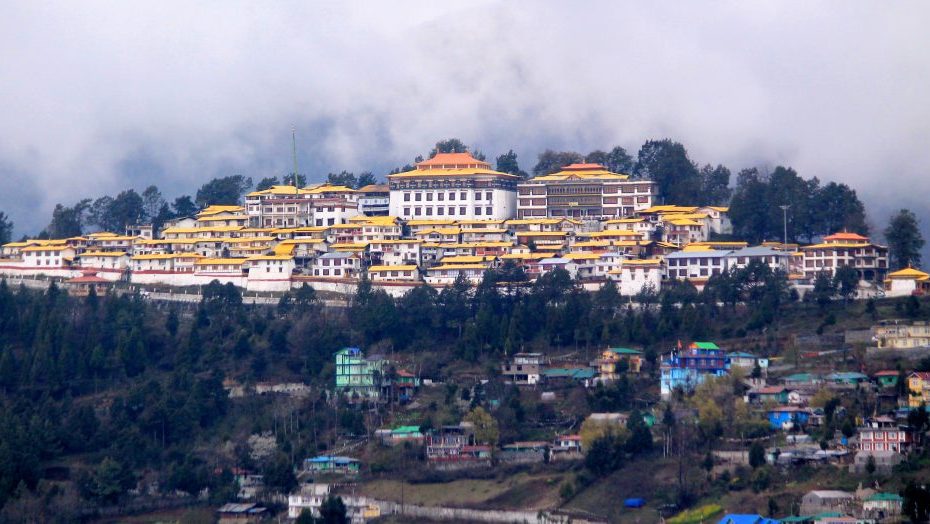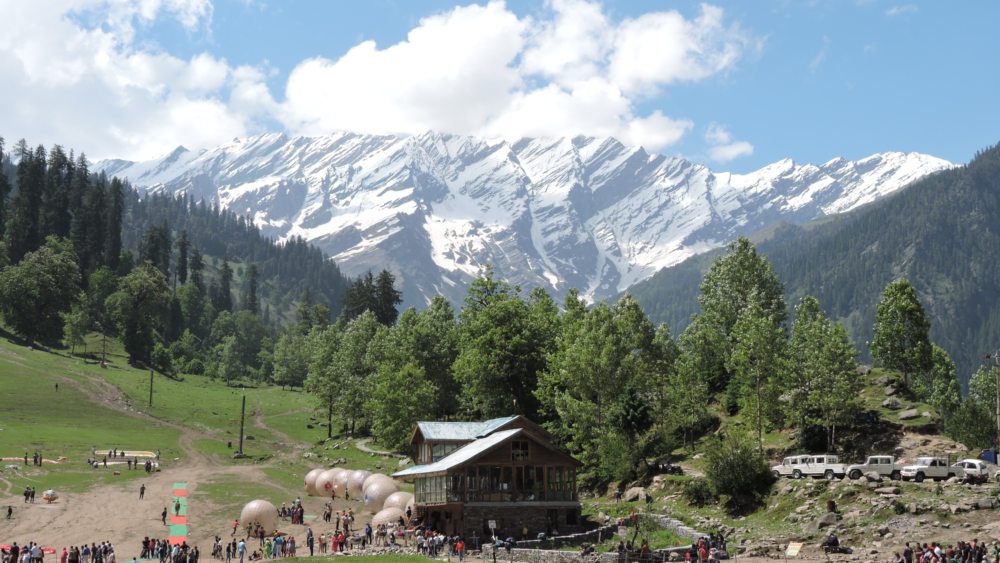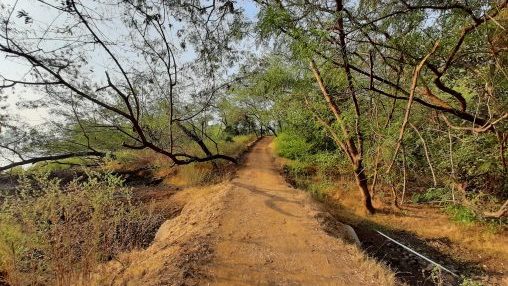
If you’re wondering about the things to do in Jammu, you’re in for a treat. The city of Jammu — nestled at the foothills of the Shivalik Range — is often called the “City of Temples”. According to its official tourism website, Jammu “abounds in a large number of shrines which testify to the deep devotional spirit of the people”.

From vibrant bazaars and ancient forts to tranquil lakes and forested ravines, the region offers a rich mix of culture, nature and spirituality. In this guide you’ll find everything from how to reach Jammu, best seasons, suggested itineraries, budget breakdowns and the top things to do in Jammu with family, friends or kids.
Quick Snapshot
| Category | Details |
|---|---|
| Best time to visit | October to March (pleasant weather) |
| How to reach | By air (Jammu Airport), train (Jammu Tawi), road (NH 44) |
| Must-do | Temple visits, lakeside walk, heritage forts, local cuisine |
| Budget | Moderate — domestic travellers can manage 3-5 days under mid-range cost |
| Safety | Generally safe for tourists; follow usual precautions and check local conditions |
Why Visit Jammu?
Jammu serves as the winter capital of Jammu and Kashmir and stands at a unique cultural crossroads. Its history stretches from the legend of its foundation by Raja Jamboo Lochan (14th century BC) to the rule of the Dogras and beyond.
The city’s vibe is a beautiful mixture of:
- Spiritual richness — dozens of temples, shrines and pilgrimage trails.
- Heritage architecture — palaces, forts, old bazaars.
- Gateway to natural escapes — forests, lakes and hill stations nearby.
It’s a destination where you can spend a morning in deep religious reverence and an afternoon exploring a peaceful lakeside walk.
When to Go
Seasonal Breakdown
- October – March: Cold but comfortable; ideal for sightseeing and temple visits.
- April – June: Warmer; good if you plan to combine with hill stations.
- July – September: Monsoon season; some rain, heavier in surrounding hills.
Average temps/precipitation: Precise monthly figures for Jammu city weren’t available from official tourism pages when writing this. I recommend checking the local meteorological department site for up-to-date figures.
(Alternative: expect lows around ~5-10 °C in winter nights and highs ~35 °C in summer days.)
Note: Data not verified from official site.
How to Reach
By Air
The nearest airport is Jammu Airport (Satwari) which is connected to major Indian cities like Delhi, Mumbai and Chandigarh.
By Rail
The main railway station is Jammu Tawi, on the Jammu-Delhi line.
By Road
National Highway 44 and other roads link Jammu with Delhi, Amritsar and other North Indian cities. For example, Jammu to Delhi is about ≈ 580 km and takes ~10-12 hours by car/bus depending on stop-offs. (Approximate, verify for current traffic)
Inside Region
To access nearby lakes and hill stations (e.g., Mansar Lake, Patnitop) you’ll likely hire private taxis or use local bus services.
Where to Stay
Jammu offers a range of stay options from budget guest-houses to mid-range hotels and heritage properties. The official tourism board recommends areas such as the vicinity of Raghunath Bazar / Vivekanand Chowk, near Jammu Tawi station, or hill-station outliers.
Price bands (2025 estimate):
- Budget: ₹ 1,200-2,000 per night.
- Mid-range: ₹ 3,000-5,000 per night.
- Heritage / premium: ₹ 6,000+ per night.
Always check current rates on the official booking portal of Jammu & Kashmir Tourism Development Corporation (JKTDC) or third-party sites.
Top Attractions & Experiences
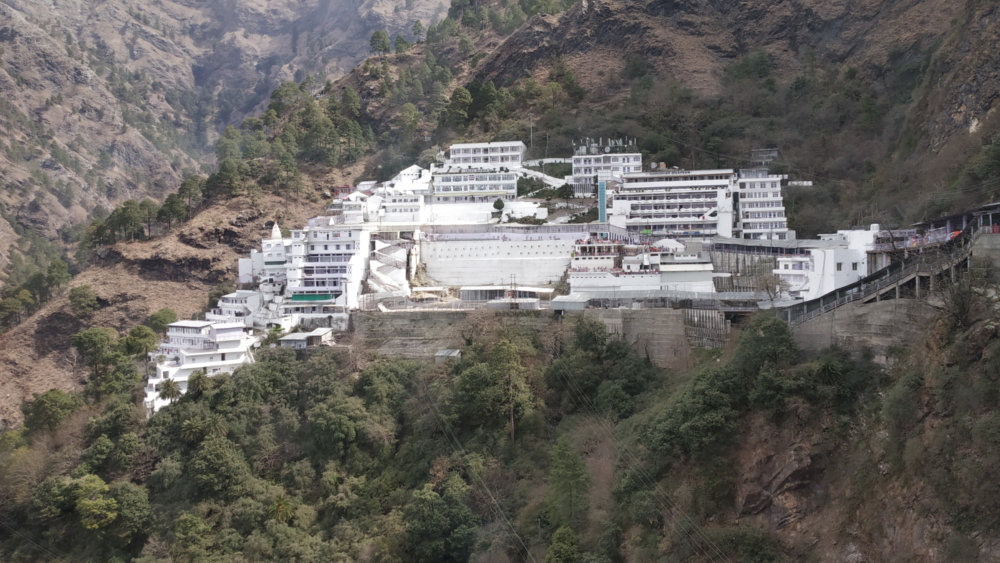
Vaishno Devi Temple (Katra)

A must-visit for many travellers: the shrine is located near Katra (≈ 50 km from Jammu city) and is visited by millions of pilgrims annually.
Raghunath Temple
One of the largest temple complexes in north India, dedicated to Lord Rama’s incarnation. Located in centre of Jammu city.
Bahu Fort & Bagh-e-Bahu Garden
An ancient fort (about 3,000 years old according to local records) overlooking the city and the terraced garden below.
Mansar Lake & Surinsar Lake
Lakes located amidst forested and hilly terrain — ideal for nature lovers and day trips.
Amar Mahal Palace Museum
A former royal residence turned museum; houses the 120 kg golden throne of the Dogra rulers.
Local Markets & Handicrafts
Explore bazaars such as Raghunath Bazaar, Gole Market and Vir Marg for walnut wood craft, shawls, dry fruits and local delicacies.
Nature & Border Tourism (e.g., Gharana Wetland & Suchetgarh Border)
The wetland is a bird-watcher’s delight; the Suchetgarh border area adds historical and geopolitical flavour.
Suggested Itineraries
- 1-Day: Explore city centre (Raghunath Temple → Bahu Fort → local markets) + evening lakeside or garden stroll.
- 3-Day: Day 1: City heritage & temples; Day 2: Katra & Vaishno Devi; Day 3: Nature escape to Mansar/Surinsar lakes + local food experience.
- 5-Day: Include all above + a stay at a nearby hill station such as Patnitop or day-trip to Akhnoor fort region.
(Table can be added here for times/distances.)
Costs & Budget
| Category | Typical cost (per person) |
|---|---|
| Local taxi/day | ~₹ 3,000 (mid-range) |
| Hotel (mid-range) | ~₹ 3,500/night |
| Meals | ~₹ 500-800/day |
| Entry fees | Varies — check site |
| (All costs are estimates; verify at time of booking.) |
Local Transport
In the city: app-based taxis, autorickshaws, local buses. Between places: hire private car or join organised tours. Permit zones: If travelling to certain border or wildlife zones, check with tourism office. Official site lists circuits and transport links.
Food & Drink
Must-try dishes:
- Kalaadi (local cheese)
- Rajma Chawal prepared Dogri style
Hygiene tip: Choose busy outlets, drink bottled water, carry basic medicines.
Safety, Health & Permits
General travel safety in Jammu is good, but do check current local conditions via official tourism advisories. Health: standard vaccinations (e.g., tetanus) as recommended by your country. Some areas near border or protected wetlands may require permission.
Packing List & Tips
- Clothes: Layered — warm jacket for evenings (especially Oct-Feb).
- Cultural: Bring modest clothes for temple visits (cover shoulders/knees).
- Essentials: Sunscreen, insect repellent (especially near forests/lakes), comfortable walking shoes.
- Optional: Binoculars for bird-watching at wetlands.
Responsible Travel & Sustainability
- Respect local religious practices and dress codes at temples.
- Avoid single-use plastics — many Indian states including J&K are moving toward bans.
- Do not stray off marked trails in forest/lake zones.
- Support local handicraft artisans via legitimate shops.
Read more: Attractions
Top FAQs
A1. For most standard city attractions, no special permit is required. However, for border zones, wetlands or some protected areas you may need prior permission — check with the local tourism office.
A2. Yes for the city and main temples; but to do the region justice (lakes, hill station, border tourism) you’ll ideally need 3-5 days.
A3. October to March offers comfortable weather — cold evenings but clear skies.
A4. During winter: warm jacket, shawl or sweater. For temple visits: modest attire covering shoulders and knees.
A5. Yes — lakeside picnics, garden visits (Bagh-e-Bahu), soft nature walks near Mansar Lake, markets for kids to explore.
A6. Its status as a major pilgrimage hub (City of Temples), Dogri culture, handicrafts (walnut wood, shawls), and scenic landscapes.