Tucked away in the lush valleys of the Himalayas lies Jibhi, a peaceful hamlet in Himachal Pradesh that offers a perfect blend of nature, culture and off-beat adventure. With an elevation of around 1,900 m above sea level, Jibhi is surrounded by pine forests, a clear river, charming wooden cottages and the kind of calm that larger hill-stations struggle to maintain. In this article you’ll discover things to do in Jibhi (and nearby) with friends/family, how to reach and stay, when to go, budget & tips — all backed by verified sources so you travel informed and safe.

Quick Snapshot
| Best time to visit | How to reach | Must-do | Typical budget* | Safety/permit notes |
|---|---|---|---|---|
| Mar–Nov for pleasant outdoors; Dec–Feb if you want snow. | Nearest major airport: Bhuntar Airport (~60 km) ; nearest train: Joginder Nagar Railway Station (~100 km) | Trek to Serolsar Lake; explore Jibhi Waterfall; stay in a river-side homestay | Budget mid-range stays from ~₹2,000/night (2025 estimate) | Roads may close in heavy snow; ensure local transport available; no special permit required for basic visits (but check for certain treks) |
*Budget for stay & food per night excluding special activities.
Why Visit Jibhi?
Jibhi offers a quieter alternative to the more-crowded Himachal hill stations. You’ll find:
- Serene nature: thick forests, clear rivers (Tirthan / tributaries), and a valley setting that invites stillness.
- Authentic village experience: Traditional Himachali architecture, wooden cottages, homestays, apple orchards (as noted by the Ecotourism site: “apple orchards around” the town).
- Adventure and nature-walks: Treks, waterfalls, lakes and vantage points for views of the Pir Panjal / Dhauladhar ranges.
- Good for a range of travellers: couples, families, friends, nature-lovers — especially those seeking a mid-range-budget, relaxed stay rather than heavy party nightlife.
When to Go
Understanding seasons helps you align your expectations:
- Spring (Mar–May): Valley wakes up, mild weather (~10 °C to 20 °C) and good for nature walks.
- Summer (Jun–Aug): Pleasant, escape from plains heat; ideal for treks too. Jibhi is reachable and comfortable.
- Autumn (Sep–Oct): Clear skies, post-monsoon freshness, great for photography.
- Winter (Nov–Feb): Cold, occasional snow, some roads may be affected; for snow lovers. Some sources note “off-season” then.
Precise monthly temperature/precip data is not easily available from official sites for Jibhi specifically, so you may see variations depending on altitude and micro-climate.
How to Reach
- By Air: The closest airport is Bhuntar Airport (also called Kullu–Manali airport) approx. 60 km from Jibhi.
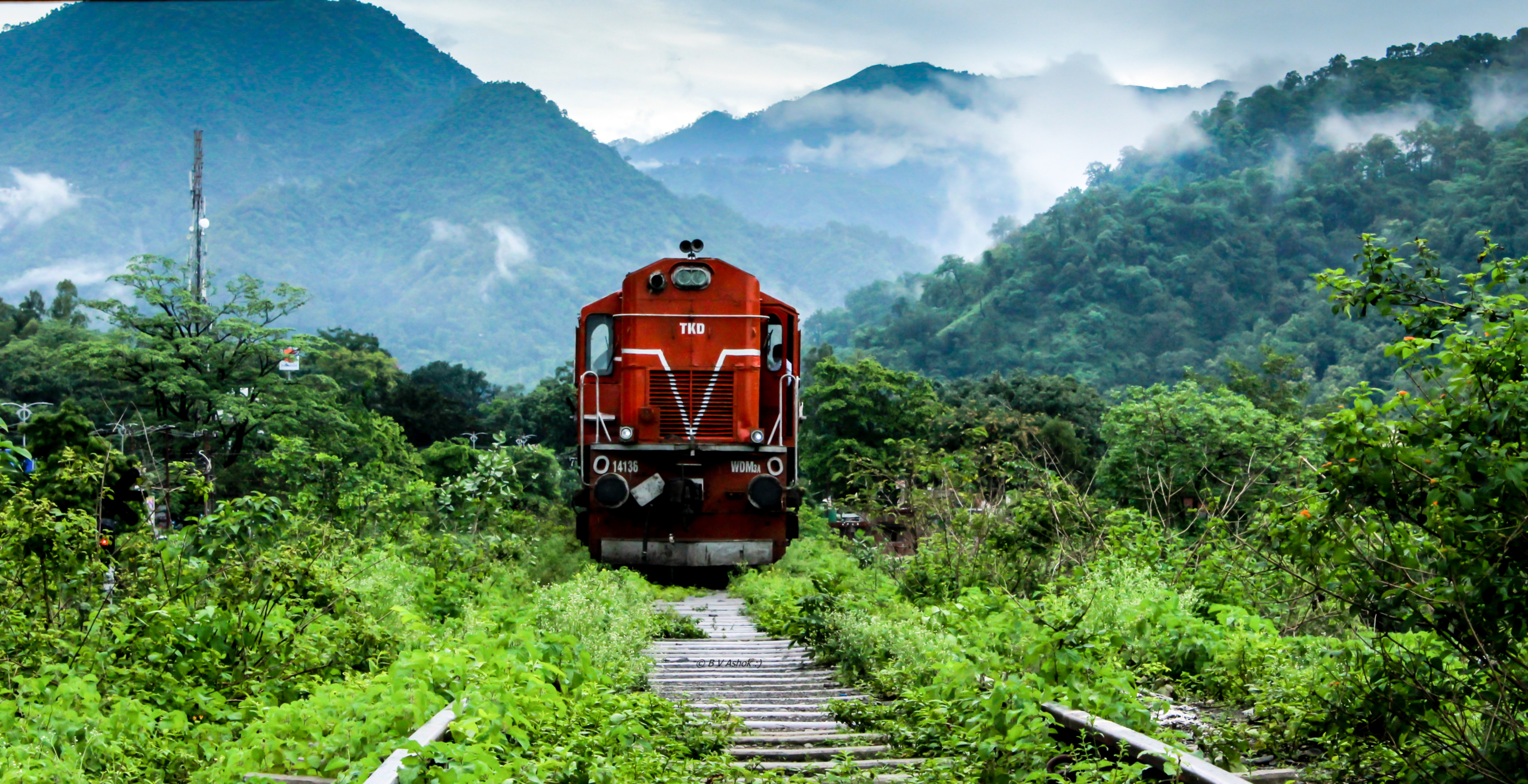
- By Train: Nearest major railhead: Joginder Nagar Railway Station ~ 100 km away.
- By Road: From cities like Delhi/Chandigarh, you can reach Jibhi via Aut (on NH-305). For example, Chandigarh → Aut → Jibhi. Road travel is scenic but winding.
- Public buses/State transport available to nearby hubs, then hire taxi/jeep.
- In monsoon or winter, check road closures (due to landslides or snow).
- Local access: From Aut (nearest hub) onward you’ll hire local taxi/jeep to Jibhi’s valley.
Where to Stay
Jibhi offers budget to mid-range accommodations, especially homestays and small resorts.
Regions: The small town of Jibhi itself and surroundings like Tandi, Ghiyagi.
Price bands (2025 estimates):
- Budget homestay: ₹2,000–4,000 per night (depending on season).
- Mid-range resort/cottage: ₹5,000–9,000/night (peak season).
Recommended examples: - Wilderness Home Jibhi (mentioned on TripAdvisor)
- The Woodpecker Inn Jibhi (from Holidify listing)
Tip: Choose stay by the river side for the best experience. Check access (some are on steep slopes).
Official listing: The state tourism site offers accommodations listing.
Top Attractions & Experiences
1. Jibhi Waterfall

A hidden cascade in the forest near Jibhi village — perfect for a short walk and photo moment.
2. Jalori Pass
Located roughly 12 km from Jibhi at altitude ~3,000 m (approx) — offers majestic views and acts as a gateway to alpine meadows.

3. Serolsar Lake (via Jalori Pass)
A scenic alpine lake reachable on a trek of ~6 km from Jalori Pass
4. Chehni Kothi
An ancient timber-fort / watch-tower style structure showcasing traditional Himachali architecture.
5. Village & River Walks in Jibhi
Meander through the quiet hamlet, walk alongside the river, duck into cafes, and feel the local rhythm of mountain life.
6. Adventure & Nature Activities
- Trekking around Jibhi valley paths.
- Bird-watching / forest walks.
- Camping by the river (informal sites) for stargazing and stillness.
Suggested Itineraries
1-Day Itinerary:
- Early morning arrival in Jibhi.
- Walk to Jibhi Waterfall and explore village.
- Afternoon: Spend time by the river, have a laid-back café lunch.
- Evening: Mountain walk, sunset by river, stay overnight in homestay.
2-Day Itinerary:
- Day 1: Arrive, settle in, waterfall + village walk.
- Day 2: Drive/taxi to Jalori Pass early morning, trek to Serolsar Lake (if time permits), return by evening.
- Night: Relax in cosy accommodation.
3-Day (or 3-Night) Itinerary:
- Day 1: Arrive and unwind.
- Day 2: Jalori Pass + Serolsar Lake or Chehni Kothi.
- Day 3: Local exploration + river side camping or early morning nature walk/bird-watch.
- Depart next morning.
You can adjust depending on travel time from your origin city.
Costs & Budget
| Category | Estimate for 2025* | Notes |
|---|---|---|
| Stay (homestay) | ~ ₹2,000–4,000/night | Budget estimate from listings. |
| Stay (mid-resort) | ~ ₹5,000–9,000/night | Peak season may be higher. |
| Food (per day) | ~ ₹700–1,500 | Depends on cafe/restaurant choice. |
| Road/taxi from Aut | ~ ₹2,000–4,000 for a one-way car (depending on vehicle) | Estimate only — verify local taxi rate. |
| Activities/treks | Minimal official fee; may involve vehicle/taxi + guide. | No uniform published fee found. |
*Estimated; always check current local rates.
Note: If you cannot verify a taxi or entry-fee cost from official site, plan for a slightly higher buffer.
Local Transport
- Local taxis/shared jeeps are common between Aut (hub) and Jibhi.
- State buses may go to Aut; from there onward private vehicle.
- Roads are narrow and steep in many parts — allow extra travel time.
- In winter or heavy rain, always check road status.
- No special permit required for basic access (but check if you plan off-beat treks or forest zones).
- Tip: Cash may be needed; ATMs may be limited in remote sections.
Food & Drink
- Local Himachali dishes to try: Siddu (steamed stuffed bread), Babru, Chha Gosht (for non-vegetarians) — mentioned in travel guide.
- Recommended cafés: e.g., Reverberate Café, The Pahadians Café in Jibhi village.
- Hygiene tip: Choose places with good ventilation and water sourced from hills or ask for boiled/filtered water.
- Local cuisine is modestly priced compared to big tourist hubs.
Safety, Health & Permits
- Roads may be tricky: narrow mountain roads, hair-pin bends, risk of landslides during monsoon, snow in winter.
- Mobile/internet connectivity may be weak in parts — inform someone of travel plan if heading off-beat.
- Health: Carry basic medication, insect repellent (for forested parts), warm clothes for evenings.
- No special permits found for standard visits to Jibhi village and major attractions — but for deep forest/ wildlife zones (like parts of the Great Himalayan National Park) you may need permit. Since I could not find complete permit-fee lists for treks from Jibhi — recommend you check with the local tourism office or your stay host.
- Respect local tribal culture: Dress modestly, ask before photographing villages/locals.
- As per official state tourism advice: “Do not stand at the edge of a cliff or on any boulder near a river bank for photographs etc.”
Packing List & Tips
Seasonal essentials:
- Spring/Summer: Light woollen layer for early mornings/ evenings, sturdy walking shoes, waterproof jacket (monsoon chance).
- Autumn: Add warmer fleece, head-cover.
- Winter: Thermal wear, heavy jacket, gloves, woollen cap, sunglasses (for snow glare).
Cultural/General: - Dress modestly for village visits (cover shoulders, knees).
- Bring reusable water bottle (many places discourage plastic).
- Power-bank for remote stays.
- Flashlight/head-lamp if staying in off-grid homestay.
- Insect repellent, basic first-aid kit.
Tip: Evening temperatures drop faster in mountains — always carry one extra warm layer.
Responsible Travel & Sustainability
- Jibhi is known for eco-friendly tourism. The village promotes “slower travel” and lesser crowd footprints.
- Use homestays that practise local employment and low-impact building.
- Avoid plastic bottles; prefer refillable water.
- Stay on marked trails for trekking; don’t disturb flora/fauna or remove plants/stones.
- Respect local customs, livelihoods (like apple orchards, forest dependency).
- If you camp by river or lake, make sure to clean your site, dispose waste properly.
Conclusion
If you’re looking for a mountain escape that combines tranquillity, nature, moderate adventure and authentic Himachali village life, Jibhi is a strong contender. Use this guide to plan your stay, pick your activities and travel well prepared. Don’t rush — in places like Jibhi, deciding to slow down and soak in the river-side quiet often becomes the highlight. Safe travels — and keep a spare layer for those cool Himalayan evenings!
Read more: Attractions
Top FAQs
A1: Generally, the pleasant months are March to November when the weather is moderate and treks are accessible.
Snow-season is December to February, good for winter scenery but roads may face challenges.
A2: From Delhi it’s a long drive — you would typically travel by road via Chandigarh/Aut or use flights to Bhuntar + onward taxi. Specific drive-hours vary based on start point and road conditions.
A3: Yes — Jibhi offers calm nature walks, gentle treks (like waterfall, village strolls), homestays with comfortable stays. For very young kids, ensure safe walking paths and non-steep access.
A4: Pack layers: light woollen or fleece for cool evenings, strong walking shoes, waterproof outer layer for rain, and warmer clothes if visiting in winter. Respectful attire (covering shoulders & knees) is advisable for local villages.
A5: No major nightlife like big hill stations; Jibhi emphasises peace, nature and slower travel rather than loud party culture.
A6: For the basic village visit and main walks, no special permit is listed in major official sources. For deeper treks / forest zone entry (especially around Great Himalayan National Park) you may need a permit. I couldn’t locate a full official permit-fee list specifically for Jibhi treks — so check with local tourism desk or your stay host.
A7: Jibhi is known for its peaceful valley setting, wooden cottages, lush green surroundings, scenic waterfalls and lesser-crowded alternative to mainstream hill-stations.