
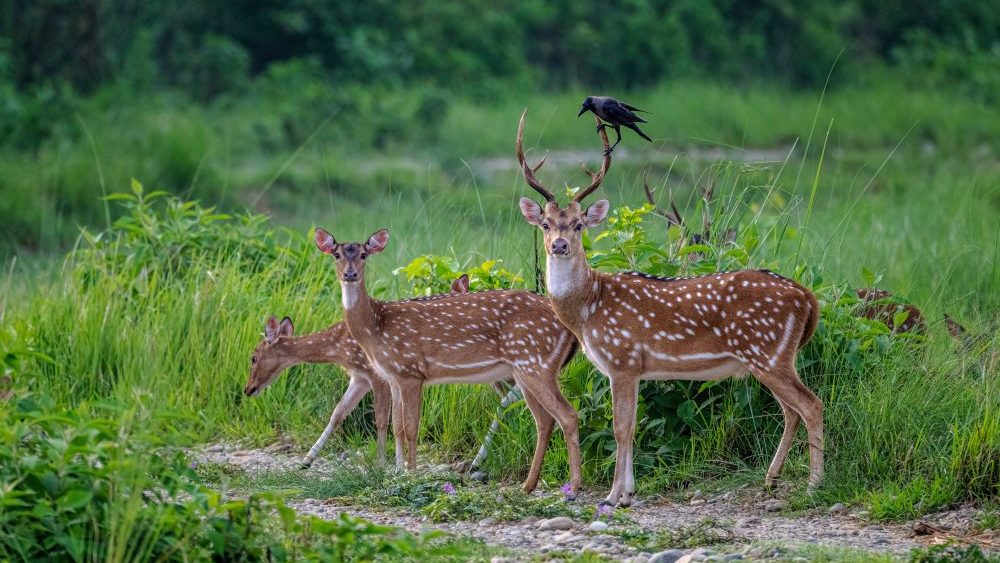
Imagine yourself surrounded by the sights and sounds of nature, with majestic creatures roaming freely in their natural habitats. Madhya Pradesh offers this and more, with its diverse landscapes providing a haven for a wide range of flora and fauna.

Madhya Pradesh is home to over 20 wildlife sanctuaries, including seven dedicated tiger reserves, earning it the title of “Tiger State of India.” You can witness the majesty of the Royal Bengal Tiger, Asiatic Lion, and other exotic species in their natural environment.
Key Takeaways
- Explore over 20 diverse wildlife sanctuaries in Madhya Pradesh.
- Discover the state’s conservation success stories.
- Learn about the best times to visit and safari options.
- Plan your perfect wildlife adventure.
- Experience the natural beauty of Madhya Pradesh.
The Wild Heart of India: Madhya Pradesh’s Natural Heritage
With its diverse ecosystems, Madhya Pradesh is considered the wild heart of India. The state’s unique geography, with the Vindhya and Satpura mountain ranges, creates a perfect haven for a wide variety of wildlife.
Why Madhya Pradesh is Known as a Wildlife Haven
Madhya Pradesh is home to numerous wildlife sanctuaries that are teeming with life. The state’s rich biodiversity is attributed to its geographical location, which supports a range of ecosystems from dense sal forests to sprawling grasslands. This diversity makes Madhya Pradesh a dream destination for nature and wildlife enthusiasts.
The presence of several large national parks and reserves in Madhya Pradesh further solidifies its reputation as a wildlife haven. These protected areas provide a safe habitat for numerous species, including the majestic tiger, various deer species, and a wide array of birdlife.
Overview of Biodiversity in Madhya Pradesh
The biodiversity in Madhya Pradesh is truly remarkable, with over 500 species of birds, 180 species of fish, and numerous mammals. The state’s flora and fauna are incredibly diverse, making it a paradise for botanists and zoologists alike.
| Ecosystem Type | Notable Features | Species Supported |
|---|---|---|
| Dense Sal Forests | Rich canopy, diverse undergrowth | Tigers, various bird species |
| Sprawling Grasslands | Open spaces, varied grass species | Deer, antelopes, birds of prey |
| Rivers and Wetlands | Aquatic life, riparian vegetation | Fish, crocodiles, water birds |
Madhya Pradesh’s wildlife sanctuaries are not just about conservation; they also offer opportunities for scientific research, sustainable tourism, and eco-friendly initiatives. Visitors can explore these sanctuaries to experience the rich natural heritage of the state.
Wildlife Sanctuaries in Madhya Pradesh: By the Numbers
Madhya Pradesh is home to an impressive network of wildlife sanctuaries, showcasing the state’s commitment to conservation. With a rich biodiversity and diverse ecosystems, the state has established numerous protected areas to preserve its natural heritage.
The Number of Wildlife Sanctuaries in Madhya Pradesh
Madhya Pradesh boasts over 25 dedicated wildlife sanctuaries, covering approximately 11,400 square kilometers of protected habitat. This extensive network not only provides a safe haven for a wide variety of flora and fauna but also plays a crucial role in maintaining ecological balance.
Total Protected Area Coverage
The total protected area coverage in Madhya Pradesh is significant, with wildlife sanctuaries and national parks combined covering nearly 11% of the state’s geographical area. This dedication to conservation demonstrates Madhya Pradesh’s commitment to preserving India’s natural heritage.
| Wildlife Sanctuary | Area (sq km) | Districts Covered |
|---|---|---|
| Noradehi Wildlife Sanctuary | 1,197 | Sagar, Damoh, Narsinghpur, Raisen |
| Sagar Wildlife Sanctuary | Not specified | Sagar |
Noradehi: The Largest Wildlife Sanctuary
Noradehi Wildlife Sanctuary stands out as the largest wildlife sanctuary in Madhya Pradesh, spanning an impressive 1,197 square kilometers across four districts: Sagar, Damoh, Narsinghpur, and Raisen. The sanctuary is known for its diverse flora, including trees of Teak, Dhaora, and Saja, and its rich fauna, featuring species such as the Indian Wolf, Sloth Bear, and Leopard.

The strategic distribution of these sanctuaries across different biogeographic zones ensures protection for diverse ecosystems, from dry deciduous forests to wetlands. By conserving these areas, Madhya Pradesh is not only preserving its natural heritage but also supporting ecological corridors that allow wildlife to move freely between habitats, ensuring genetic diversity and species survival.
The 7 Tiger Reserves of Madhya Pradesh

Madhya Pradesh is renowned for its majestic tiger reserves, which are a testament to the state’s commitment to wildlife conservation. The state is home to seven tiger reserves, each offering a unique experience for wildlife enthusiasts.
Kanha Tiger Reserve
Kanha Tiger Reserve is one of the most prominent tiger reserves in Madhya Pradesh, known for its lush green valleys and diverse wildlife. The reserve is home to approximately 100 tigers, making it an ideal destination for tiger enthusiasts.
Bandhavgarh Tiger Reserve
Bandhavgarh Tiger Reserve boasts the highest density of Bengal tigers in the world, making it a must-visit destination for wildlife lovers. The reserve’s core area spans 105 square kilometers, surrounded by a 400 square kilometer buffer area.
Pench Tiger Reserve
Pench Tiger Reserve is known for its pristine Pench River, which creates a lifeline for the diverse wildlife in the area. The reserve is home to a healthy population of tigers, making it an exciting destination for wildlife enthusiasts.
Satpura Tiger Reserve
Satpura Tiger Reserve is recognized for its rugged landscape and unique walking safaris, offering a different perspective on wildlife viewing. The reserve is an essential part of Madhya Pradesh’s conservation efforts.
Panna Tiger Reserve
Panna Tiger Reserve is a conservation success story, with tigers being successfully reintroduced after being completely wiped out by poaching in 2009. The reserve is a testament to the state’s commitment to wildlife conservation.
Sanjay-Dubri Tiger Reserve
Sanjay-Dubri Tiger Reserve plays a vital role in creating a connected network of protected habitats for tigers to roam safely. The reserve is an essential component of Madhya Pradesh’s conservation efforts.
Ratapani Tiger Reserve
Ratapani Tiger Reserve is another crucial tiger reserve in Madhya Pradesh, contributing to the state’s conservation efforts. The reserve is home to a diverse range of wildlife, including tigers.
Madhya Pradesh’s seven tiger reserves are a testament to the state’s commitment to wildlife conservation. By protecting these reserves, the state is ensuring the long-term survival of its rich biodiversity.
Bandhavgarh National Park: Home to the Highest Density of Bengal Tigers

Bandhavgarh National Park is a haven for wildlife enthusiasts, boasting the highest density of Bengal tigers in the world. Located in the Vindhya hills of Madhya Pradesh, this national park is home to a rich and diverse animal population, including the magnificent Royal Bengal Tiger.
Wildlife Highlights and Rare Species
The park’s incredible biodiversity extends beyond tigers to include leopards, sloth bears, wild dogs, and over 250 species of birds that thrive in its diverse habitats. You can experience the thrill of exploring Bandhavgarh National Park, where your chances of spotting the majestic big cat are better than anywhere else. The park is also known for its ancient history, with 2,000-year-old cave paintings and a spectacular hilltop fort adding cultural significance to your wildlife adventure.
Best Time to Visit and Safari Information
The best time to visit Bandhavgarh National Park is between October and March, when animals frequently gather around water sources and the pleasant weather enhances your safari experience. The safari timings are from 6:00 am to 11:30 am and 3:00 pm to 6:00 pm. Understanding the different safari zones of Bandhavgarh—Tala, Magdhi, and Khitauli—each offering unique wildlife viewing opportunities and landscapes to explore, will help you plan your visit effectively.
By visiting Bandhavgarh National Park, you’re not only witnessing the best of Madhya Pradesh’s wildlife but also contributing to the conservation efforts in this renowned wildlife sanctuary. With its rich biodiversity and abundant wildlife, Bandhavgarh is a true gem in the heart of India.
Kanha National Park: The Largest National Park in Madhya Pradesh

Kanha National Park, spanning over 940 square kilometers, is a treasure trove of biodiversity, featuring numerous species of flora and fauna. As you explore this vast expanse of pristine wilderness, you’ll be immersed in breathtaking landscapes, from lush green valleys to dense jungles. The park is home to a wide range of animal species, including majestic tigers, barking deer, and nilgai antelopes.
Flora and Fauna Diversity
The park’s diverse habitats support a wide variety of wildlife. You can spot numerous species of birds, reptiles, butterflies, and other insects, contributing to the park’s unique atmosphere. With over 300 bird species, 43 mammal species, and more than 26 species of reptiles, every safari is a new adventure. The successful conservation of the endangered barasingha (swamp deer) is a notable achievement, showcasing the park’s dedication to protecting its wildlife.
Visitor Information and Accessibility
The best time to visit Kanha National Park is from October to March, when the weather is pleasant and ideal for safaris. Safari timings are from 6:00 am to 10:00 am and 4:00 pm to 10:00 pm, allowing you to plan your day accordingly. With four safari zones to explore, you can choose the one that suits your interests. The park offers various accommodation options, ranging from luxury to budget, ensuring a comfortable stay. You can plan your visit with confidence, knowing that the park provides comprehensive information about its facilities and services.
Pench Wildlife Sanctuary: The Inspiration Behind “The Jungle Book”

As you step into Pench Wildlife Sanctuary, you’re entering the real-life setting that inspired Rudyard Kipling’s ‘The Jungle Book’. This sanctuary, named after the River Pench that flows through it, is a haven for wildlife enthusiasts and nature lovers alike. The diverse ecosystem centered around the Pench River creates a perfect habitat for countless species to thrive year-round.
Wildlife Spotting Opportunities
Pench Wildlife Sanctuary is home to a plethora of endangered species, including Bengal tigers, jackals, peafowls, wild dogs, sloth bears, leopards, foxes, hyenas, and monkeys. You can also spot antelopes such as gaur and barking deer, making it an enthralling destination to explore and witness a diverse spectrum of wildlife and biodiversity. The sanctuary is also a paradise for birdwatchers, with over 285 bird species recorded, including crested serpent eagles and paradise flycatchers.
Safari Experiences and Timings
The best time to visit Pench National Park is from October to February, when the weather is pleasant and wildlife spotting is at its peak. Safari timings are from 06:00 to 11:00 and 03:00 to 06:00, offering you the thrill of dawn and dusk safaris when the forest comes alive with activity. Visiting during the dry season (February to April) increases your chances of spotting the elusive Bengal tiger as animals gather around limited water sources.
Top Experiences at Pench Wildlife Sanctuary:
- Step into the real-life setting that inspired Rudyard Kipling’s beloved classic “The Jungle Book”
- Marvel at the sanctuary’s diverse ecosystem centered around the life-giving Pench River
- Increase your chances of spotting the elusive Bengal tiger during the dry season
- Experience the thrill of dawn and dusk safaris for the best wildlife photography opportunities
- Discover the sanctuary’s rich biodiversity, including over 285 bird species
Panna National Park: A Conservation Success Story

Panna National Park, nestled in the districts of Panna and Chhatarpur, is a remarkable example of conservation success. You can experience one of India’s most inspiring conservation stories here, where tigers were successfully reintroduced after being wiped out by poaching in 2009.
The Tiger Reintroduction Project
The park’s tiger reintroduction project has been a phenomenal success, with the tiger population rebounding from zero to over 50 in just a decade. This achievement demonstrates the effectiveness of conservation efforts and the resilience of nature when given proper protection.
As you explore the park, you’ll discover diverse landscapes, from deep gorges and plateaus to lush valleys created by the Ken River. The park is also home to the Ken Gharial Sanctuary, one of the few places in India where you can spot the critically endangered gharial crocodile.
Other Attractions Within the Park
Panna National Park is a wildlife sanctuary that boasts remarkable biodiversity, including over 200 bird species, wolves, sloth bears, leopards, and numerous deer species. You might even catch a glimpse of a wild boar or two as you explore the park’s protected wilderness.
Located in the district of Madhya Pradesh, Panna National Park is an ecotourism paradise. The best time to visit is from October to March, with safari timings from 6:00 am to 11:00 am and 3:00 pm to 6:30 pm.
Satpura National Park: Off the Beaten Path

Nestled in the Satpura Hill Range, Satpura National Park offers a unique blend of wildlife and adventure. As you explore this lesser-known gem, you’ll discover the park’s diverse landscapes and rich biodiversity.
Unique Landscape and Biodiversity
Satpura National Park is characterized by its rugged sandstone peaks, narrow gorges, and dense forests, creating one of Central India’s most diverse and picturesque landscapes. The park, along with the Bori Wildlife Sanctuary and Pachmarhi Biosphere Reserve, forms a crucial conservation landscape, protecting countless species across varied elevations and habitats. As you venture into this wildlife sanctuary, you’ll encounter a wide range of flora and fauna, including large mammals like sambar, gaur, and chital, along with their predators like tigers, leopards, and wild dogs.
Adventure Activities and Experiences
Satpura National Park offers a variety of adventure activities that set it apart from other national parks. You can experience India’s only walking safari inside a tiger reserve, offering a thrilling perspective as you explore the wilderness on foot with experienced naturalists. Additionally, enjoy canoe safaris on the Denwa River, night drives to spot nocturnal creatures, and camping experiences under the stars. These activities make Satpura National Park an exciting destination for wildlife enthusiasts and adventure seekers alike.
Kuno National Park: India’s New Cheetah Habitat

Kuno National Park is making headlines as India’s newest cheetah habitat. Located in Madhya Pradesh, this picturesque wildlife sanctuary has been at the forefront of a groundbreaking conservation project. The park, named after the Kuno River, is home to a diverse range of flora and fauna, including the Indian leopard, Bengal monitor, and Indian softshell turtle.
The Historic Cheetah Reintroduction Project
The introduction of Southeast African cheetahs to Kuno National Park marks a significant milestone in India’s conservation efforts. After a gap of 70 years, cheetahs have returned to Indian soil, thanks to an ambitious project that involved international collaboration between India, Namibia, and South Africa. The cheetahs were carefully selected and transported to their new home, where meticulous habitat preparation and scientific monitoring have ensured their successful adaptation.
This project is a testament to India’s commitment to restoring its wildlife heritage. The reintroduction of cheetahs has not only enriched the biodiversity of Kuno National Park but also created a unique opportunity for wildlife enthusiasts and researchers to study these magnificent creatures in their natural habitat.
Planning Your Visit to See Cheetahs
If you’re planning to visit Kuno National Park, the best time is from October to March. The safari timings are from 6:30 am to 11:30 am and 3:00 pm to 6:00 pm. To maximize your chances of spotting the cheetahs, it’s advisable to obtain special permits and plan your visit during the optimal viewing seasons.
As you explore the park, you’ll have the opportunity to witness the diverse ecosystem that supports the cheetahs, including leopards, sloth bears, wild boars, and numerous deer species. Kuno National Park is a true gem in Madhya Pradesh’s wildlife landscape, offering an unforgettable experience for nature lovers and adventure seekers alike.
Gandhi Sagar Wildlife Sanctuary: The Hidden Gem

Tucked away in Madhya Pradesh, the Gandhi Sagar Wildlife Sanctuary is a hidden gem waiting to be explored. Located on the northern boundary of Mandsaur and Neemuch, this sanctuary offers a serene escape from the hustle and bustle of everyday life.
Notable Flora and Fauna
The Gandhi Sagar Wildlife Sanctuary is home to a diverse range of flora, including Khair (Acacia catechu), Salai, Kardhai, Dhawda, Tendu, and Palash trees. The sanctuary’s varied landscape creates a perfect habitat for a wide variety of wildlife, including leopards, nilgai, sambar, chital, wild boar, civets, langurs, and the rare mugger crocodile.
Tourist Attractions and Accessibility
The Gandhi Sagar Wildlife Sanctuary is a perfect destination for those seeking an authentic wildlife experience. The best time to visit is during the winter season, and the sanctuary is open from 9:00 am to 5:00 pm. Visitors can explore the sanctuary’s dry deciduous forest and rocky trails, increasing their chances of spotting elusive creatures. The sanctuary is located at a distance from major cities, making it an ideal getaway.
You can combine your wildlife adventure with visits to nearby attractions like Bhanpura Museum, Taxakeshwar Temple, and the ancient Bhadkaji Rock Paintings, adding cultural depth to your journey.
Pachmarhi Biosphere Reserve: UNESCO’s Recognition

Discover the natural wonder of Pachmarhi Biosphere Reserve, a UNESCO-recognized haven for biodiversity. Nestled in the Satpura Hill Range, Madhya Pradesh is home to one of India’s most diverse and complex biospheres – the Pachmarhi Biosphere Reserve.
Established in 1999 by the Government of India, this sanctuary spans 4,926 square kilometers, providing a vast habitat for a wide array of species. You can find panthers, tigers, flying squirrels, rhesus macaques, crocodiles, wild boars, barking deer, otters, and giant squirrels, among others.
The Three Components: Bori, Satpura, and Pachmarhi
The Pachmarhi Biosphere Reserve encompasses three distinct components: Bori Wildlife Sanctuary, Satpura National Park, and Pachmarhi Wildlife Sanctuary. This unique combination creates a remarkable biodiversity gradient that changes with elevation, supporting habitats for over 1,300 plant species, 50 mammal species, and 254 bird species.
Activities and Experiences for Visitors
You can engage in a variety of activities, from wildlife safaris and bird watching to trekking, camping, and photography across diverse landscapes, from deep valleys to high plateaus. The best time to visit is from October to March, with safari timings from 6:30 am to 11:00 am and 3:30 pm to 5:00 pm.
National Chambal Gharial Sanctuary: Protecting Endangered Reptiles

As you explore the National Chambal Gharial Sanctuary, you’ll discover a unique ecosystem that supports a wide variety of wildlife. This sanctuary is renowned for its conservation efforts, particularly for the gharial, a prehistoric-looking crocodilian on the brink of extinction.
Conservation Efforts for Gharials and Turtles
The National Chambal Gharial Sanctuary plays a crucial role in protecting gharials and other aquatic species. With less than 1,000 gharials remaining in the wild, conservation efforts here are critical. The sanctuary also safeguards eight species of freshwater turtles and other wildlife, including mugger crocodiles and the endangered Gangetic dolphin.
River Safari Experiences
One of the best ways to experience the National Chambal Gharial Sanctuary is through a river safari. Skilled boatmen navigate through the sanctuary’s waters, offering close encounters with gharials, turtles, and other aquatic life. The best time to visit is from October to March, and safaris are available from 8:00 am to 5:00 pm.
The sanctuary’s efforts in saving these species from habitat loss and pollution are commendable. By visiting, you contribute to the conservation efforts and gain a deeper understanding of the importance of protecting such unique ecosystems.
Lesser-Known Wildlife Sanctuaries Worth Exploring
For those looking to venture off the beaten path, Madhya Pradesh’s lesser-known wildlife sanctuaries are a treasure trove of natural wonders. These sanctuaries offer a chance to experience the best of wildlife without the crowds, making for a more intimate and meaningful connection with nature.
Karera Wildlife Sanctuary: Home to the Great Indian Bustard
The Karera Wildlife Sanctuary, established in 1981, is a haven for the critically endangered Great Indian Bustard. With fewer than 150 individuals remaining in the wild, this sanctuary plays a crucial role in the conservation of this majestic species. The sanctuary is also home to over 245 bird species, making it a paradise for birdwatchers.
Ratapani Wildlife Sanctuary: Future Tiger Reserve
Nestled in the Vindhyachal Mountain Ranges, the Ratapani Wildlife Sanctuary is soon to become Madhya Pradesh’s eighth tiger reserve. The sanctuary has a thriving population of tigers that have naturally migrated from nearby reserves. This sanctuary is a testament to the successful conservation efforts in the region.
Orchha Wildlife Sanctuary: Where History Meets Nature
The Orchha Wildlife Sanctuary, situated on the banks of the Betwa River, is a scenic haven where history and nature blend seamlessly. The sanctuary is home to a variety of wildlife, including leopards, tigers, and sloth bears. Visitors can also explore the ancient temples and palaces in the area, adding a historical dimension to their wildlife experience.
Ken Gharial Wildlife Sanctuary: Riverside Wilderness
The Ken Gharial Wildlife Sanctuary, established in 1985, is dedicated to the conservation of the critically endangered gharial crocodile. The sanctuary provides a unique opportunity to witness these rare creatures in their natural habitat. The Ken River, with its picturesque surroundings, adds to the beauty of this sanctuary.
| Sanctuary Name | Location | Key Features |
|---|---|---|
| Karera Wildlife Sanctuary | Shivpuri District | Great Indian Bustard, 245+ bird species |
| Ratapani Wildlife Sanctuary | Raisen and Sehore Districts | Tigers, future tiger reserve |
| Orchha Wildlife Sanctuary | Banks of Betwa River | Leopards, tigers, sloth bears, historical sites |
| Ken Gharial Wildlife Sanctuary | Panna and Chhatarpur Districts | Gharial crocodile, Ken River |
These lesser-known sanctuaries not only provide a chance to see a variety of wildlife but also offer a more serene and less crowded experience compared to the more popular national parks. Visitors can enjoy intimate wildlife experiences and meaningful encounters with nature, making their trip truly unforgettable.
Planning Your Wildlife Adventure in Madhya Pradesh
Discover the wild heart of India as you plan your visit to Madhya Pradesh’s renowned wildlife sanctuaries. Madhya Pradesh, with its rich biodiversity, is a paradise for wildlife enthusiasts and nature lovers. The state is home to numerous wildlife sanctuaries, each offering a unique experience.
Best Time to Visit Different Sanctuaries
The best time to visit most wildlife sanctuaries in Madhya Pradesh is between October and March, when the weather is pleasant and wildlife viewing is optimal. For tiger spotting, the ideal months are March to May. If you’re interested in bird watching, November to February is the best time. Post-monsoon, from September to October, the landscapes are lush and green, making it a great time for photography.
- October to March: Ideal for general wildlife viewing
- March to May: Best for tiger spotting
- November to February: Perfect for bird watching
- September to October: Great for enjoying lush landscapes
Transportation and Accommodation Options
To reach these wildlife sanctuaries, you can fly into nearby airports such as Jabalpur Airport for Kanha and Bandhavgarh, Bhopal Airport for Satpura and Pachmarhi, and Gwalior Airport for sanctuaries in northern Madhya Pradesh. The located distance from these airports to the sanctuaries varies, but most are well-connected by road. Accommodation options range from luxury resorts to budget guesthouses, ensuring there’s something for every traveler.
Safari Booking and Photography Tips
Safari bookings can typically be made online in advance or through your accommodation. Morning safaris (6:00-10:00 AM) and evening safaris (3:00-6:00 PM) are standard. For wildlife photography, it’s essential to have the right equipment and camera settings. Ethical practices ensure that you capture stunning images without disturbing the animals.
- Book safaris in advance to avoid disappointment
- Use appropriate camera equipment for wildlife photography
- Follow ethical practices to minimize disturbance to wildlife
Conservation Challenges and Efforts in Madhya Pradesh’s Wildlife Sanctuaries
Madhya Pradesh’s wildlife sanctuaries are facing significant conservation challenges. Despite covering a substantial area of over 9,600 square kilometers, these sanctuaries are threatened by habitat fragmentation, human-wildlife conflict, poaching, and climate change impacts.
Habitat fragmentation due to development projects and infrastructure expansion poses a significant threat to the integrity of these ecosystems. Moreover, human-wildlife conflict in buffer zones is a growing concern, necessitating community-based conservation programs that involve local villages in protection efforts.
To address these challenges, the state has implemented several innovative conservation initiatives. Corridor development projects aim to connect isolated habitats, allowing animals to move safely between protected areas. Advanced anti-poaching measures, including drone surveillance and AI-powered systems, are being deployed to protect valuable species like tigers.
Community-based conservation programs are transforming former poachers into protectors by providing alternative livelihoods. Scientific research programs monitor wildlife populations and habitat health, ensuring that conservation efforts are data-driven and effective.
Your visit to these sanctuaries contributes to conservation through tourism revenue, funding protection efforts, research initiatives, and community development programs. By supporting eco-tourism, you play a crucial role in safeguarding Madhya Pradesh’s rich biodiversity.
In conclusion, while Madhya Pradesh’s wildlife sanctuaries face numerous challenges, the state’s concerted conservation efforts offer hope for the future. By understanding these challenges and supporting conservation initiatives, we can work together to protect these precious natural areas.
Read more: Madhya Pradesh
FAQ
The best time to visit the wildlife sanctuaries in Madhya Pradesh is from October to June, when the weather is pleasant and the animals are more active. However, the best time to visit specific sanctuaries may vary depending on factors like weather conditions and animal migration patterns.
There are 7 tiger reserves in Madhya Pradesh, including Kanha, Bandhavgarh, Pench, Satpura, Panna, Sanjay-Dubri, and Ratapani.
The Noradehi Wildlife Sanctuary is the largest wildlife sanctuary in Madhya Pradesh, covering a significant area and providing a habitat for diverse flora and fauna.
Yes, you can book a safari in many of the wildlife sanctuaries in Madhya Pradesh, including Kanha, Bandhavgarh, and Pench. It’s recommended to book in advance to ensure availability.
Madhya Pradesh’s wildlife sanctuaries are home to a diverse range of animals, including Bengal tigers, leopards, sloth bears, spotted deer, and blue bulls, among others.
Yes, the Pachmarhi Biosphere Reserve is a UNESCO-recognized biosphere reserve, comprising the Bori, Satpura, and Pachmarhi regions.
Yes, Kuno National Park is home to reintroduced cheetahs, and visitors can plan a visit to see these majestic animals.
Some of the lesser-known wildlife sanctuaries worth exploring in Madhya Pradesh include Karera, Ratapani, Orchha, and Ken Gharial.

.jpg)


.jpg)