
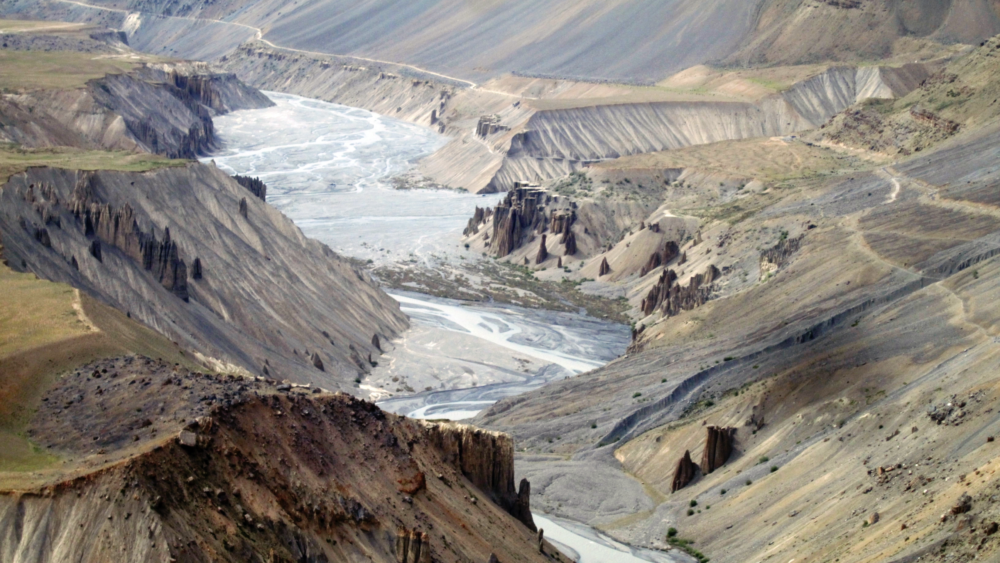
Nestled high in the trans-Himalayan heights of northern India, the Spiti Valley in Himachal Pradesh offers a surreal blend of moon-scapes, Buddhist culture and rugged adventure. With altitudes averaging over 3,800 m (12,500 ft) and roads threading through dramatic passes like the Kunzum Pass (4,551 m) and the Rohtang Pass (3,978 m) it’s a destination that demands planning — but rewards you with unforgettable vistas.

In this guide, you’ll find everything from must-see experiences to transport, costs, packing lists and responsible travel tips for Spiti.
Quick Snapshot
| Category | Details |
|---|---|
| Best time to visit | Summer months (May–October) when roads are mostly open and the weather is moderate. |
| How to reach | By road from Shimla → Reckong Peo → Tabo → Kaza (or via Manali → Rohtang → Kunzum → Kaza) |
| Must-do experiences | Visit ancient monasteries, high-altitude villages like Kibber/Komic, frozen lakes, stargazing, off-beat treks. |
| Budget level | Mid-range: homestays & guesthouses, some local transport; a reasonable 5-7 day trip for a budget traveller. |
| Safety & permits | Indian nationals typically don’t need Inner Line Permits for main valley; foreigners and some protected zones require special permits. |
Why Visit Spiti Valley?
Spiti Valley is a unique Himalayan destination — one part surreal high-altitude desert, one part living Tibetan-Buddhist culture, and one part high-adrenaline road/travel adventure. The valley has been relatively isolated for centuries, preserving its traditional villages, mud-brick homes, age-old monasteries like Tabo Monastery and Key Monastery, and a pace of life that contrasts sharply with India’s bustle.
The landscape itself—rocky mountains, barley-fields, ice-blue lakes, and crisp air—feels other-worldly. That contrast is central to its draw: you can sample deep solitude, vast star-ry night skies, authentic village life and rugged drives.
For travellers aged 20-45 (your target audience) on a budget to mid-range footing, Spiti offers both “in-your-face” adventure and inward calm. Whether you’re with friends chasing off-beat views, solo seeking spiritual vibes, or family wanting a memorable Himalayan journey, the valley has something to offer.
When to Go
Seasonal breakdown
- Late April – Early June: The passes (Rohtang, Kunzum) begin to open; snow still lingers; roads may be tricky.
- June – September: Best period for most travellers — roads are open, weather clear, treks and village stays comfortable.
- October – Early November: Crisp skies, fewer tourists, early snow possible beyond. Good for solitude but colder nights.
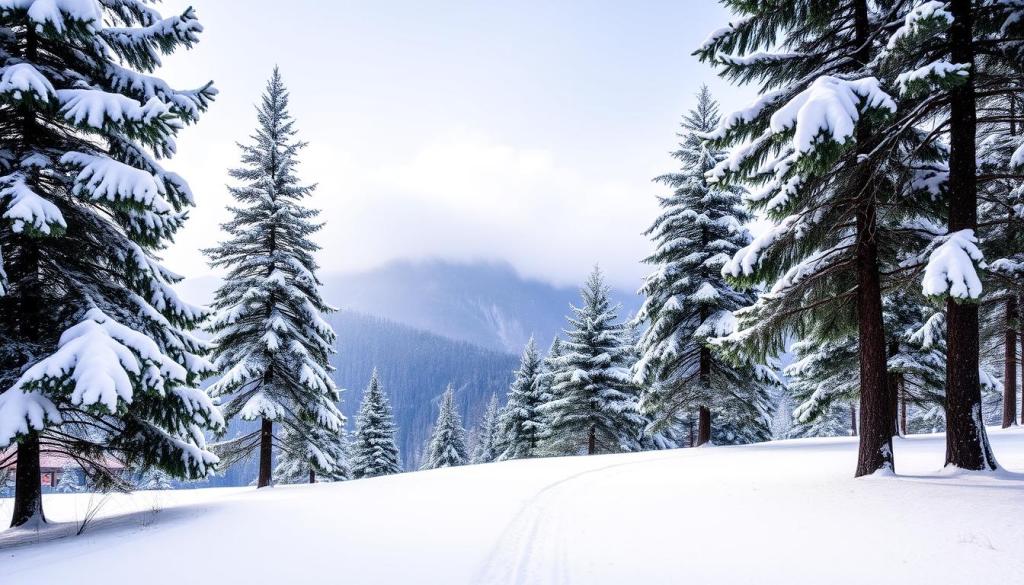
- Winter (Nov – March): Very cold, many routes may be closed or accessible only via Shimla side; not ideal for general travellers unless well equipped.
Temperature & precipitation
Verified detailed monthly averages are harder to find from official tourism board. If you can’t find exact figures, plan for large day-night temperature differences: daytime in summer might reach ~15-20 °C, nights drop below freezing. In high passes and winter, sub-zero temperatures and snow are routine.
How to Reach
By road (most common)
- Shimla → Reckong Peo → Tabo → Kaza: This route avoids the Rohtang Pass and is operational in more months of the year.
- Manali → Rohtang Pass → Kunzum Pass → Kaza: More direct from the Manali side but the Rohtang Pass may require special vehicle permits and is open seasonally only.
Nearest major transport hubs
- Nearest airport: The closest major airport is at Bhuntar Airport (Kullu) or Shimla Airport; from there you’ll need travel to Shimla or Manali then onwards by road.
- There are no major train stations within Spiti itself; one uses road or local bus/jeep services from Shimla/Manali hubs.
Travel times & distances (approximate)
- Shimla → Reckong Peo: ~200-250 km (~8–10 hours depending on road)
- Reckong Peo → Kaza: may take 6-10 hours depending on road conditions
Road travel is long and can be challenging due to terrain, so plan extra buffer time.
Where to Stay
In Spiti you’ll find stays ranging from budget homestays, guesthouses in villages, to more comfortable mid-range eco-lodges.
- Villages/Regions: Base yourself in Kaza (valley hub) for access to services, or choose quieter villages like Kibber, Tabo, Langza for more remote stays.
- Price bands: Homestays may start from around ₹1,000-2,000 per night (for simple rooms) according to travel blogs.
- Recommended type: Choose stays that respect local culture (family-run), offer warm food, and are located in safe zones.
- Tip: In remote villages, amenities may be basic (no lifts, limited power/Internet), so align expectations.
Top Attractions & Experiences
Here are major experiences you should plan for.
Key Monastery (Ki Gompa)

One of the oldest and most iconic monasteries in Spiti, perched dramatically atop a hill overlooking the valley.
Suggested visit: Arrive early morning to soak views, explore prayer halls and murals.
Tabo Monastery

Dating back to circa 996 AD, this monastery is famed for its frescoes and ancient architecture.
An important spiritual stop and photographic gem.
High-Altitude Villages – Kibber, Langza, Komic
These tiny villages offer unique experiences: Komic is one of the highest motorable villages; Langza has fossils; Kibber is great for wildlife spotting.
Chandratal Lake & Surroundings

Often listed in “things to do in Spiti” lists, this high-altitude lake above 4,200 m is surrounded by barren peaks and stars by night.
Road Journey & Adventure Drives
The drive itself is a major attraction: the barren moonscape, river gorges, mountain passes like Kunzum and Rohtang. Baker must-do for adventure-seekers.
Stargazing & Night Skies
Because of minimal light pollution, Spiti offers incredible night-sky views. Recent reports highlight new astro-tourism initiatives in Kaza.
Nature & Wildlife – Pin Valley National Park / Kibber Wildlife Sanctuary
These high-altitude protected zones are home to snow-leopards, ibex, Tibetan wolves.
Suggested Itineraries
1-Day Sample
- Early start from Shimla or Manali → Arrive Kaza by afternoon
- Visit Key Monastery, stroll in Kaza village, watch sunset
- Overnight in Kaza
3-Day Sample
- Day 1: Arrive Kaza, acclimatise
- Day 2: Visit Key Monastery, Kibber village, Langza & fossil site
- Day 3: Drive to Tabo/Chandratal (depending on season) + return to Kaza
7-Day Sample
- Day 1-2: Travel to Spiti, acclimatise in Kaza
- Day 3: Villages (Langza, Komic)
- Day 4: Tabo Monastery, Dhankar Lake
- Day 5: Pin Valley or Chandratal side trip
- Day 6: Leisure village stay & local interactions
- Day 7: Return journey
Adjust days based on entry route (Shimla vs Manali) and road closures.
Costs & Budget
| Item | Approximate Cost* | Notes |
|---|---|---|
| Homestay/Guesthouse (per night) | ₹1,000-2,000 (validated travel blog) | Basic facilities; remote area |
| Local jeep/transport (per day) | ₹3,000-5,000 depending on vehicle & route | Shared jeep may reduce cost |
| Food (meals per day) | ₹500-1,000 | Village cafés/homestays |
| Permit/vehicle pass | Indian nationals often free for main valley; foreigners may pay IVA (permit) | See permit section below |
*Prices are approximate and validated as per latest listed sources; always check current rates.
Local Transport & Connectivity
- Buses and state-run transport run between Shimla/Reckong Peo and main valley towns.
- Private taxis or shared jeeps are common for remote villages.
- Mobile connectivity is spotty: only certain networks (e.g., BSNL) work reliably in high villages.
- Permit requirements: Indian citizens generally do not need special permits for the valley via the Shimla route. (Source: Turn0search21) For foreigners and certain border/pass areas, an Inner Line Permit (ILP) or Protected Area Permit may be required. hplahaulspiti.nic.in
Food & Drink
Spitian cuisine is simple, hearty and local. Typical dishes include:
- Thukpa – Tibetan-style noodle soup
- Daal & rice with local vegetables
- Barley-based foods and yak/buffalo-milk dairies
- Village homestays may serve home-cooked meals with local flavours.
Hygiene tips: Choose places with proper water supply, check reviews in Kaza for guest-houses, carry hand sanitiser, avoid drinking untreated water in remote villages.
Safety, Health & Permits
- Altitude: Spiti elevations are high—stay hydrated, don’t over-exert on day 1, watch for acute mountain sickness.
- Permits:
- Indian nationals: typically no Inner Line Permit needed for main valley via Shimla route.
- Foreign nationals: ILP / protected area permit required for certain zones (Khab, Samdo, Dhankar, Tabo, Kaza etc) in the district. hplahaulspiti.nic.in
- E-pass: For vehicles entering Lahaul & Spiti, e-pass requirement exists for some circuits (Atal Tunnel–Rohtang–Koksar–Chandertal). eaagman.hp.gov.in+1
- Road/Weather risks: Landslides, narrow passes, changing weather; travel with driver familiar with terrain.
- Carry valid photo ID (for Indians: Aadhaar/Voter/Driver) and vehicle documents. (Source: turn0search5)
- Medical facilities: They exist in Kaza but remote villages have limited services—carry basic medicines.
Packing List & Tips
Essentials
- Insulated jacket, down/thermal layers (nights get very cold even in summer).
- Good trekking/hiking shoes with grip.
- Sun-protection: high UV at altitude; sunglasses + sunscreen.
- Reusable water bottle (prefer to avoid single-use plastics)
- Basic first-aid + altitude sickness tablets (consult doctor)
- Power bank & offline maps (connectivity weak)
Seasonal notes
- Summer: daytime warmish but nights cold.
- Winter: heavy snow, many roads closed; special gear required.
Cultural dress tip
- Villages are conservative—dress modestly when visiting monasteries or interacting with locals.
Driving tip
- If renting bike/car ensure good ground clearance, spares, local driver if unfamiliar with treacherous mountain roads.
Responsible Travel & Sustainability
- The Spiti region is fragile ecologically. Avoid littering, minimise plastic use, carry waste back if necessary.
- Respect monastery etiquette: remove shoes, keep noise low, ask before photography.
- Support local homestays, shops, guides rather than large chain hotels—this helps local economy.
- Travelling off-season or via less-visited villages spreads visitor load.
- Note: The region has been recently declared a cold-desert biosphere reserve (news) which suggests increasing need for responsible tourism.
Conclusion
If you’ve been looking for things to do in Spiti, this valley rewards those who venture beyond the usual hill-station circuit. With ancient monasteries, high-altitude villages, remote landscapes, starlit skies and raw Himalayan terrain, it’s a destination that both challenges and inspires. Plan carefully, travel responsibly and give yourself the time (5-7 days is ideal) to savour the experience.
Read more: Attractions
Top FAQs
A: If you are an Indian national entering via the Shimla-Kinnaur route, generally no Inner Line Permit is required for the main valley. If you are a foreign national or are entering protected zones, yes, a permit is needed.
A: Summer months from June to September are ideal when roads are open, weather is milder.
A: Yes, but expect very cold conditions, possible road closures; it is more challenging and suitable for experienced travellers.
A: A baseline of 3-4 days allows a short visit; 5-7 days gives you time for major villages and experiences; less than 3 may feel rushed.
A: Yes if you choose appropriate vehicle with good clearance and experienced driver for difficult terrain but be cautious of altitude and road conditions.
A: Warm layers, sturdy shoes, sun protection, first-aid, power bank. See packing section above.
A: Connectivity is limited; only some networks (BSNL) work reliably in remote villages; plan accordingly.
A: Yes, many local homestays offer authentic experience; ensure they are rated/Recommended and book ahead in peak season.

.jpg)

