Nestled in the heart of Himachal Pradesh, Tirthan Valley is a hidden gem that offers an unparalleled nature experience. This lesser-known destination is a paradise for those seeking adventure and tranquility amidst breathtaking landscapes.

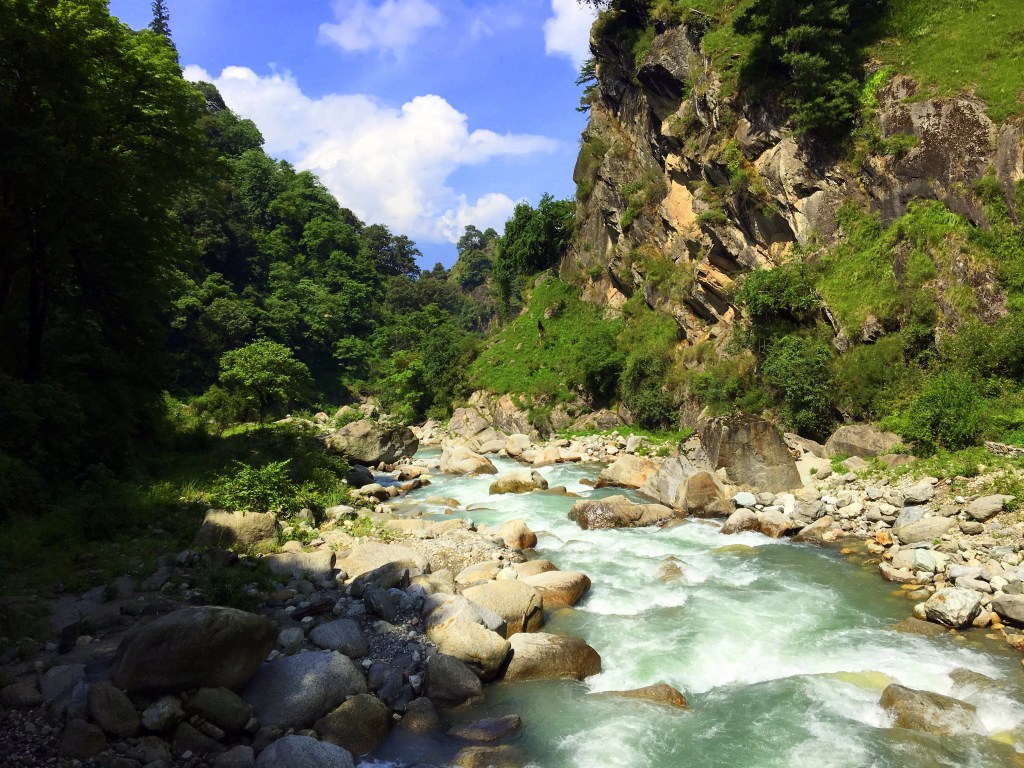
You can explore the valley’s pristine beauty, from crystal-clear rivers to dense forests and majestic Himalayan peaks. The valley is named after the Tirthan river, which originates from the Tirth region in the Great Himalayan National Park, a UNESCO World Heritage Site.
As you trek through this spectacular landscape, you’ll have the opportunity to experience the local culture and enjoy adventure activities, making Tirthan Valley a perfect getaway.
Key Takeaways
- Discover the untouched beauty of Tirthan Valley, a hidden gem in Himachal Pradesh.
- Explore the valley’s breathtaking landscapes and diverse wildlife.
- Experience adventure activities and cultural immersion.
- Learn about the valley’s unique ecosystem and its connection to the Great Himalayan National Park.
- Find out why Tirthan Valley is considered a perfect destination for nature lovers and adventure seekers.
Discovering Tirthan Valley: Himachal’s Hidden Gem
Nestled in the western Himalayas, Tirthan Valley is a hidden gem that promises an unforgettable experience. As you explore this enchanting destination, you’ll discover the rich biodiversity and stunning landscapes that make it a paradise for nature enthusiasts and adventure seekers alike.
What is Tirthan Valley Famous For?
Tirthan Valley is renowned for its breathtaking natural beauty, with picturesque villages and hamlets dotting the landscape. The valley is home to several notable villages, including Gushaini, Sarchi, and Pekhri, each offering a unique charm and character. You’re likely to be fascinated by the valley’s serene atmosphere, making it an ideal destination for those seeking a tranquil retreat.
Location and Geography
Located in the Kullu district of Himachal Pradesh, Tirthan Valley is one of the two valleys in the Banjar town area, with Jibhi being the neighboring valley. The valley is situated at an altitude of 1,600 meters above sea level, with the Tirthan River flowing through it before joining the Beas River at Larji. The diverse geography of the valley creates various microclimates, supporting a rich biodiversity and stunning landscapes that range from riverside meadows to alpine forests. As you explore the valley, you’ll appreciate its natural beauty and the opportunity to experience the local culture.
Best Time to Visit Tirthan Valley
The enchanting Tirthan Valley offers a unique experience in every season, but certain times of the year are more conducive to enjoying its natural beauty. Understanding the seasonal weather and temperature is crucial for planning your trip.
Seasonal Weather and Temperature Guide
Tirthan Valley’s climate varies significantly across the seasons. Spring (March to April) brings moderate temperatures and blossoms, making it an ideal time for trekking and outdoor activities. Summer (May to June) is pleasant with lush green landscapes, perfect for exploring the valley. Autumn (October to November) offers clear skies and comfortable temperatures, ideal for sightseeing. Winters can be cold, but the valley’s beauty, draped in snow, is a unique experience.
The temperature in Tirthan Valley can range from quite chilly in winter to pleasant in summer. You’re likely to experience a significant drop in temperature at night, even during the warmer months.

Month-by-Month Breakdown
Here’s a detailed breakdown of what to expect when you visit Tirthan Valley during different months:
| Month | Weather | Activities |
|---|---|---|
| January-February | Cold, possible snowfall | Experience winter magic, snow-covered landscapes |
| March-April | Moderate temperatures, spring blossoms | Trekking, outdoor activities |
| May-June | Pleasant, lush green landscapes | Explore the valley, outdoor activities |
| July-August | Heavy rainfall, humid | Best avoided due to safety concerns |
| September | Occasional showers, renewed greenery | Post-monsoon trekking, exploring |
| October-November | Clear skies, comfortable temperatures | Sightseeing, trekking |
| December | Cold, sunny days | Festive atmosphere, initial snowfall |
By understanding the best time to visit Tirthan Valley, you can plan your trip to make the most of your experience. Whether you’re looking for adventure, tranquility, or simply a chance to connect with nature, Tirthan Valley has something to offer in every season.
How to Reach Tirthan Valley
The adventure to Tirthan Valley starts with planning your trip, including how to reach this serene destination. Located in the heart of Himachal Pradesh, Tirthan Valley is accessible through various modes of transportation, making it a relatively easy destination to reach.
From Delhi to Tirthan Valley
If you’re traveling from Delhi, the most convenient way to reach Tirthan Valley is by road. You can either drive or take a bus/taxi from Delhi to Tirthan Valley. The journey covers a significant distance, but the scenic route makes it worthwhile. You can take the Chandigarh route or go via other major highways that connect to the valley.
From Chandigarh to Tirthan Valley
For those coming from Chandigarh, Tirthan Valley is accessible by road. You can hire a taxi or take a bus to reach the valley. The nearest railway station is also in Chandigarh, making it a convenient starting point for your journey. The scenic drive from Chandigarh to Tirthan Valley is around 220 km and takes about 5-6 hours, depending on traffic and road conditions.
From Other Major Cities
If you’re coming from other major cities, the best option is to first reach Chandigarh or Bhuntar (the nearest airport). From Chandigarh, you can take a taxi or bus to Tirthan Valley. Bhuntar Airport, near Kullu and Manali, is about 50 km from Tirthan Valley and offers daily flights from Delhi and Chandigarh. From Bhuntar, you can hire a taxi or take a local bus to reach the valley.
Transportation Options and Routes
The nearest railway stations to Tirthan Valley are in Ambala, Kiratpur, and Chandigarh. From these stations, you can take a bus or cab to Tirthan Valley. The road route is the most convenient way to reach the valley. It’s advisable to plan your trip according to the season, as some routes like Jalori Pass may be affected by heavy snowfall during winter. Understanding the local transportation network, including shared taxis and local buses, will help you navigate within the valley.

Tirthan Valley Accommodation Options

In Tirthan Valley, you can find the perfect blend of comfort and adventure through its diverse accommodation choices. Whether you’re looking for a cozy homestay, a guesthouse with local hospitality, or an adventurous camping experience, Tirthan Valley has something for everyone.
Homestays and Guesthouses
Homestays and guesthouses in Tirthan Valley offer a warm welcome and a chance to experience local culture firsthand. These accommodations are often family-run, providing a homely atmosphere and delicious home-cooked meals. You can stay in a quaint village homestay and enjoy the tranquility of the surrounding nature.
Many of these homestays are located near the river, allowing you to enjoy the soothing sounds of flowing water. Choosing a homestay or guesthouse is an excellent way to experience the authentic charm of Tirthan Valley.
Camping Options
For those seeking a more adventurous experience, Tirthan Valley offers excellent camping options. You can embrace the wilderness by camping alongside the crystal-clear Tirthan River. Choose from organized camping sites that offer basic amenities or opt for a more adventurous wild camping experience with proper guidance.
- Enjoy unique riverside activities like trout fishing, followed by a barbecue of your fresh catch under the starlit Himalayan sky.
- Wake up to breathtaking mountain views and pristine natural surroundings that showcase the untouched beauty of the valley.
- Select camping packages that include equipment, meals, and experienced guides who ensure both your safety and an authentic outdoor experience.
Camping in Tirthan Valley is a great way to connect with nature and experience the adventure it offers. With various places to stay and options available, you’re sure to find the perfect fit for your trip to Tirthan Valley.
Top Treks and Outdoor Activities in Tirthan Valley
Tirthan Valley is a paradise for adventure seekers and nature lovers alike. The valley offers a diverse range of outdoor activities that cater to different interests and ages. Whether you’re looking for thrilling adventures or serene natural beauty, Tirthan Valley has something for everyone.
Great Himalayan National Park Treks
The Great Himalayan National Park is a UNESCO World Heritage Site and offers some of the most spectacular treks in the region. The park is home to a wide variety of flora and fauna, including several endangered species. The treks here range from moderate to challenging, making them suitable for experienced trekkers. You can explore the park’s pristine landscapes, spot rare wildlife, and experience the tranquility of the Himalayas.
Jalori Pass Trek
The Jalori Pass Trek is a popular trekking route that offers breathtaking views of the surrounding mountains and valleys. The trek takes you through dense forests, picturesque villages, and scenic meadows, making it a perfect blend of adventure and natural beauty. You can immerse yourself in the local culture by interacting with the villagers and learning about their traditions.
River Activities and Trout Fishing
Tirthan Valley is renowned for its crystal-clear rivers and streams, making it an ideal destination for river activities and trout fishing. You can enjoy rafting, kayaking, or simply wading in the rivers, or try your hand at catching trout in the pristine waters. The rivers here are home to a healthy population of trout, making it a paradise for anglers.
Adventure Sports and Nature Walks
Apart from trekking, Tirthan Valley offers a range of adventure sports and nature walks that cater to different interests. You can indulge in rockcraft, mountain biking, or flying fox adventure for an adrenaline rush, or participate in guided nature walks to explore the region’s rich biodiversity. The valley is also a great spot for bird watching, with over 300 species of birds inhabiting the area.
Tirthan Valley vs. Jibhi: Which Destination to Choose?
Tirthan Valley and Jibhi, two neighboring destinations in Himachal Pradesh, offer distinct experiences for travelers. Located in the Kullu district, both valleys are part of the Banjar area, known for its stunning natural beauty.
If you’re seeking a destination with more developed tourism infrastructure, focusing on outdoor adventures and trekking,Tirthan Valley is the ideal choice. It provides access to the Great Himalayan National Park, making it a paradise for nature lovers and adventure seekers.
On the other hand, if you prefer a more laid-back and less explored destination with traditional village architecture and fewer tourists, Jibhi might be your perfect getaway. Its charming wooden houses and picturesque waterfalls offer a serene retreat.
Both destinations share the same breathtaking natural beauty but differ in accommodation options, accessibility, and available activities. You can plan your trip based on your specific interests. If you have 5-7 days, consider visiting both Tirthan Valley and Jibhi, as they’re located close to each other.
Ultimately, your choice between Tirthan Valley and Jibhi depends on what you’re looking for in your Himalayan trip. Evaluate the best time to visit each location, considering factors like accessibility during winter months.
FAQ
What are the best activities to do in the Great Himalayan National Park?
You can enjoy trekking, camping, and wildlife spotting in the park, as well as exploring the surrounding mountains and villages.
How do I get to Jalori Pass from the nearest town?
You can hire a taxi or take a bus from the nearest town, or drive your own vehicle via the scenic route.
What is the weather like in the Himalayan region during the summer months?
The weather is generally mild and pleasant, with temperatures ranging from 15°C to 25°C, making it ideal for trekking and outdoor activities.
Are there any guided treks available in the region?
Yes, you can find local guides and tour operators who offer guided treks and adventure activities, helping you navigate the terrain and enjoy the scenery.
Can I stay in a village near the national park?
Yes, there are several villages and homestays near the park where you can stay and experience the local culture and hospitality.
What are the options for transportation from major cities to the region?
You can take a bus or hire a taxi from major cities like Delhi and Chandigarh, or drive your own vehicle via the scenic roads.
Is trout fishing allowed in the rivers of the region?
Yes, trout fishing is a popular activity in the rivers, and you can obtain the necessary permits and guides to enjoy this experience.
Read more: Attractions