Nestled amidst the rolling hills of Arunachal Pradesh, Basar is a wonderfully off-beat destination that remains almost untouched by mass tourism. Situated at an elevation of approximately 578 m (1,896 ft) above sea level, it offers pleasant weather and rich tribal culture.

Often overlooked in favour of more famous Northeast India destinations, Basar stands out with its lush landscapes, the warm hospitality of the Galo people, and the annual cultural extravaganza known as the Basar Confluence.
If you’re looking for a travel experience that blends nature, culture, adventure and tranquillity — especially for domestic & international travellers aged 20–45 in the budget to mid-range segment — then Basar is well worth your attention.
Quick Snapshot
| Parameter | Details |
|---|---|
| Best time to visit | October to April (cool, dry weather – source: Basar tourism site) |
| How to reach | By road via Assam/Arunachal, nearest airport/rail information below. |
| Must-do experiences | Homestay in a Galo village, attend Basar Confluence, trek to Bat Cave/Padi village, nature walks in forest & orange orchards. |
| Budget range | Homestays from modest budget, local transport moderate. (Exact numbers vary — limited official data) |
| Safety & permits | Requires Inner Line Permit (ILP) for Indian citizens, Protected Area Permit (PAP) for foreigners. |
Why Visit Basar Arunachal Pradesh?
History & Culture
Basar is the administrative centre of the newly formed Lepa Rada District (also spelled Leparada) in Arunachal Pradesh. The region is home to the Galo tribe, a branch of the Tani-group of tribes, who have rich traditions of rice cultivation, weaving, ritual dances, and social gatherings.
Their unique practices — such as community houses built on stilts, bamboo-thatched roofs, and central hearth-fires for cooking and socialising — make staying in a Galo village a cultural immersion.
Natural Beauty & Vibe
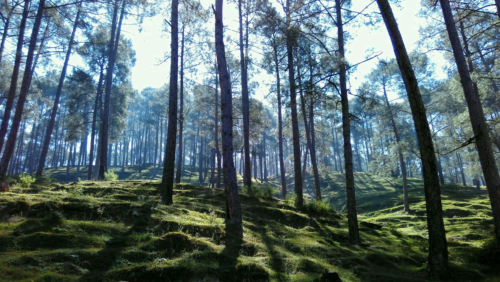
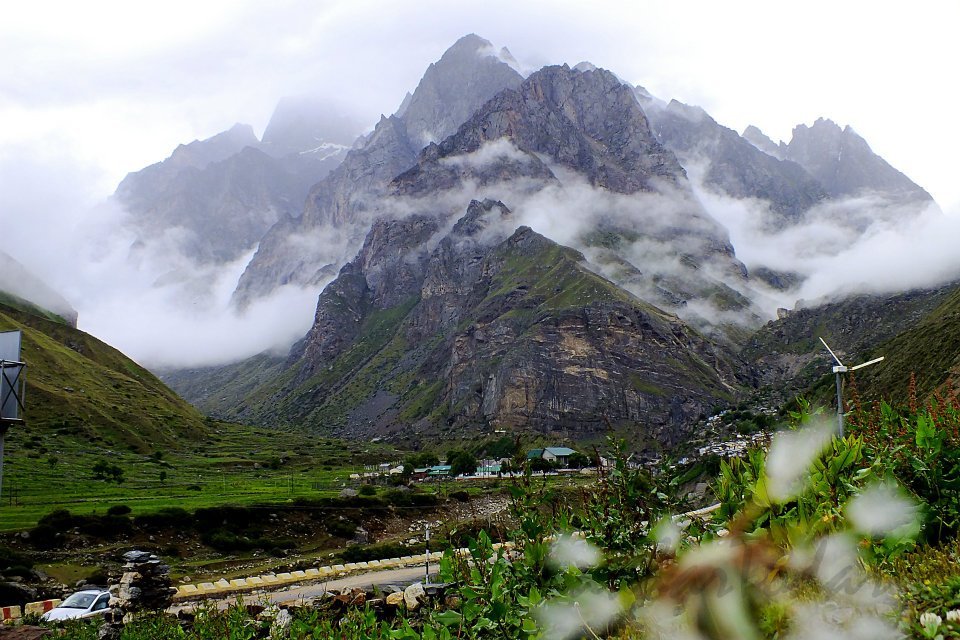
Set among hills, forests, rivers and orange/pineapple orchards, Basar feels like a retreat from the hustle of modern tourism. The terrain is lush yet accessible, offering opportunities for light trekking, village walks, bird-watching and simply relaxing in nature.
Festival & Unique Draw
Basar’s most prominent draw is the Basar Confluence (BasCon) — a community-led festival celebrating tribal culture, art, music and eco-tourism. It brings together local and regional artists, workshops, trekking and nature activities in one location.
For any traveller seeking something beyond standard sightseeing in India, Basar offers that rare blend of culture + nature + off-beat charm.
When to Go
Basar’s weather and seasons:
- October to April is the best window: cooler, drier, clear skies.
- June to September is monsoon season: heavy rainfall, forest lushness, but roads may be slippery/muddy.
I couldn’t locate a fully official monthly temperature/precipitation table for Basar — local tourism sites suggest “Summers: 15-30 °C, Winters: 10-20 °C (approx)”.
Therefore, if you are ready for rain/road-adventure, summer/monsoon is doable, but for ease I recommend November to March.
How to Reach
Nearest Airport
- The nearest major airport mentioned is Dibrugarh Airport in Assam, about ~155 km (~4-hour drive) from Basar.
- Also frequently referenced: Lilabari Airport (Assam) ~160 km from Basar.
Nearest Railhead
- Rail station: Silapathar Railway Station in Assam ~130 km from Basar.
By Road
Basar is connected via road through Assam and Arunachal; from Itanagar (capital) to Basar is about 281 km (~7 hours drive) as per one source. If you’re coming from Assam side (Dibrugarh/Likabali) the road is less time.
Note: Road conditions can vary; some sections may still be under construction.
Travel tip
Hire a taxi from the airport or railway station, or take state-transport bus/“winger” services where available. Always check latest road/weather conditions.
Where to Stay
Basar offers basic hotels and several homestays in Galo villages (for immersion).
- Homestays: Stay with Galo families in villages like Sago, Padi — a chance to live traditional.
- Hotels: For example, during BasCon festival, options like Hotel Mansiri, Hotel Liba, Rego Palace were listed.
Price bands: Precise official tariff data not reliably available. Assume mid-budget range (₹2,000-₹4,000 per night) for decent hotel; homestays lower (~₹1,000-₹2,000) depending on season and arrangement.
It is highly recommended to book in advance during festival period (BasCon) or peak season (Nov–Feb).
Top Attractions & Experiences
Village Walk & Homestay in a Galo Village
Stay in a village like Sago or Padi, walk through bamboo-houses, witness traditional weaving, meet locals, sip the local rice-wine “poka”.
Bat Cave Trek in Padi Village
From Padi village, there is a trek to the so-called “Bat Cave” (Tapen Penru) through bamboo bridges, forest and streams.
Orange & Pineapple Orchards, Nature Walks
The Basar region is rich with orchards, mango, pineapple, kiwi trials and forested hills—ideal for nature-walks and photography.
Basar Confluence (BasCon) Festival
Held annually (typically November/December) near the confluence of the Hii and Kidi rivers, this festival showcases art, dance, music, tribal crafts, eco-activities.
River Confluence & Scenic Outlooks
The confluence of the Hii and Kidi rivers near Basar forms a picturesque vantage point.
Trek to Oodi Putu Viewpoint

A viewpoint called Oodi Putu offers panoramic views of Basar valley — a pre-dawn climb from Sago village is recommended for sunrise.
Suggested Itineraries
1-day itinerary
- Arrive Basar early morning via taxi from Likabali/Dibrugarh.
- Walk village trail, visit orchards.
- Afternoon trek to viewpoint (Oodi Putu) or bat cave (short version).
- Evening stay in homestay, dinner with Galo family.
3-day itinerary
Day 1: Travel in, village stay.
Day 2: Bat cave trek + village walk + orange orchard visit.
Day 3: Basar Confluence site (if timed), or river-confluence visit, then depart.
5-day itinerary
Add one extra day for:
- Full-day nature trek into forest, bird watching.
- Nearby Aalo/Mechuka circuit (if you want to expand) via Likabali-Basar-Aalo loop.
Costs & Budget
| Item | Low Estimate | Mid Estimate |
|---|---|---|
| Accommodation | ~₹1,000/night | ~₹3,000/night |
| Local transport (taxi) | ~₹2,000/day | ~₹4,000/day |
| Food & meals | ~₹500/day/person | ~₹1,000/day/person |
| Entry/Permits | ILP for India citizens – ~₹300-₹500 (check current) | Same |
| Note: These are indicative only — official fee data not fully available. | ||
| It’s advisable to budget a little higher for contingencies (road delays, extra treks, guide fees). |
Local Transport

In Basar:
- Shared jeeps / “winger” services connect to towns like Likabali, Aalo.
- Taxis can be hired for day trips (prices vary).
- Road condition: Some parts may be under construction or weather-affected.
- Permits: On entering Arunachal Pradesh, Indian travellers need an Inner Line Permit (ILP). Foreign nationals will need a Protected Area Permit (PAP).
Tip: Hire a local driver who understands the terrain for smoother experience.
Food & Drink
Local dishes & cuisine
- Traditional Galo cuisine includes rice, maize, forest vegetables, meat cooked in bamboo tubes, local rice-wine (“poka”).
- Fresh fruit orchards (orange, pineapple) offer local snacks and juices.
Hygiene & dining tips
- In homestays, ask about cooking on open fire vs. processed meals.
- Always carry bottled water or purify water (especially in remote villages).
- Respect local food customs and ask before photographing or eating with villagers.
Safety, Health & Permits
- Medical facilities in Basar are basic — carry a first-aid kit and any regular medications.
- Check for any vaccination advisories for Arunachal Pradesh (none specific found for Basar but general travel health rules apply).
- Road travel can be risky during monsoon — check weather and road updates.
- Permits: Indian citizens: ILP. Foreigners: PAP. Ensure you have the permit before entering the region.
- As with any off-beat travel destination, travel with a guide where possible or inform someone of your itinerary.
Packing List & Tips
Bullet list:
- Light fleece or jacket (for early morning/evening temperatures ~10-20°C)
- Rain jacket (especially if travelling June–Sept)
- Good trekking shoes/grip sandals for village walks and forest trails
- A modest outfit for village stays (traditional communities appreciate respectful clothing)
- Power bank and torch (electricity might be irregular in village homestays)
- Reusable water bottle + water purification tablets
- Sun-hat, sunglasses
- Small travel backpack for day treks
- Respectful attitude & a few small gifts for homestay hosts (e.g., local sweets, stationery for children)
Cultural note: In village homes of the Galo tribe, there is a strong sense of community. Dress modestly and ask before entering private spaces or taking photos.
Responsible Travel & Sustainability
- Basar and the Galo villages follow traditions of minimal waste and bamboo construction; for example, the BasCon festival is reported to be plastic-free.
- As a traveller, you can support this by avoiding single-use plastic, taking your waste back out if needed, and supporting local homestays and artisans.
- When trekking through forest or village trails, respect the environment: stay on marked paths, don’t disturb wildlife or sacred sites.
- Learn a few local words (e.g., “Aldurey” meaning “how are you” in Galo) to build warm connections.
Top FAQs
Q1. Do I need a permit to visit Basar?
A: Yes — Indian citizens need an Inner Line Permit (ILP). Foreign nationals require a Protected Area Permit (PAP). (Source: official tourism page)
Q2. What is the best time to visit Basar?
A: October to April is ideal for clear skies and pleasant weather. Summer/monsoon brings heavy rain and possibly rougher roads.
Q3. How do I reach Basar from major transport hubs?
A: The nearest airport is in Assam (Dibrugarh), railhead at Silapathar; from there taxi/road access to Basar.
Q4. Are homestays safe and reliable in Basar?
A: Yes, many villages host homestays run by Galo families. Confirm bookings in advance and check amenities.
Q5. Is it worth visiting Basar if I don’t attend the festival?
A: Absolutely — the nature, village culture and tranquillity are rewarding even outside the festival period.
Q6. What kind of budget should I plan for a 3-day stay?
A: Approximate mid-budget (accommodation + meals + local transport) could be ₹8,000-₹12,000 per person for 3 days (subject to bookings).
Q7. Is the region safe for solo travellers?
A: Generally yes, but due to remoteness plan carefully, inform your accommodation of your route, and travel during daylight hours.
Read more: Attractions