Ever dreamed of leaving city life behind and finding peace in the Himalayas? Jispa is your answer. It’s a small town in Himachal Pradesh, India. At 10,500 feet, it’s a calm spot for those looking for a quiet place in the mountains.

Key Takeaways:
- Jispa is a hidden gem in the Himalayas, giving travelers a peaceful experience.
- It’s at 10,500 feet, by the Bhaga River and the Leh-Manali Highway.
- With just 78 households, it shows real Himalayan village life.
- It’s great for outdoor fun like trekking, camping, and river activities.
- The best time to visit is May to September, when it’s nice and the roads are open.
What secrets does Jispa hold for brave travelers? What adventures wait for those who explore this hidden spot? Let’s uncover the wonders of Jispa together.
Introduction to Jispa: The Serene Himalayan Village
Jispa is a beautiful village in the Himalayas. It shows the rich culture and peaceful life of the Lahaul district in Himachal Pradesh, India. At 10,500 feet high, it mixes nature, spirituality, and a tight community that keeps its traditions alive.
Location and Geographic Significance
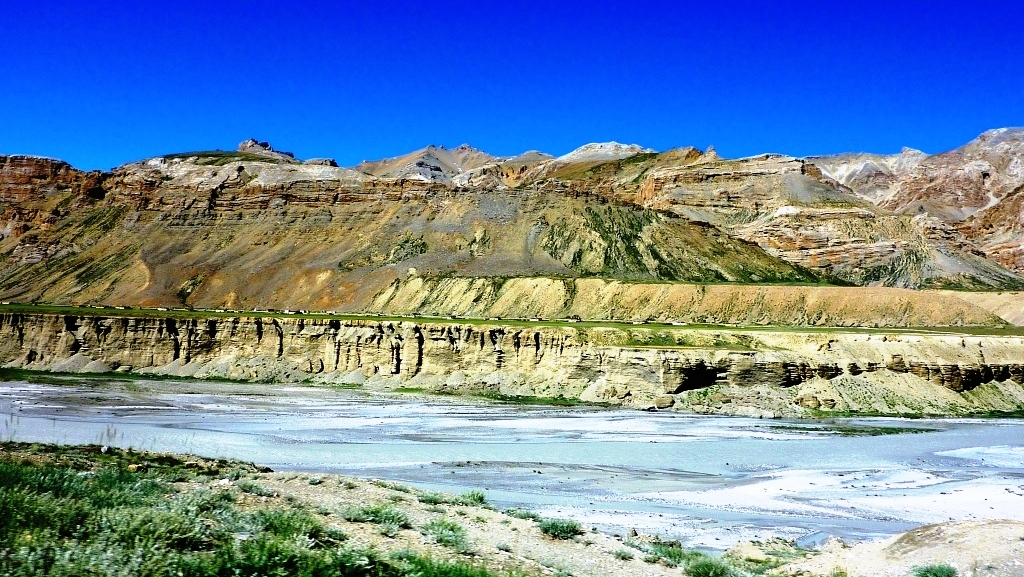
Jispa is 20 kilometers north of Keylong and 7 kilometers south of Darcha. It’s on the Manali-Leh Highway. The village is in the Tod Valley, with snow peaks and green meadows around it. This makes it a peaceful and pretty place for visitors.
Brief History and Cultural Background
Jispa’s history is tied to ancient Buddhist traditions. The village has a small population of friendly people who follow their traditional way of life. The Manali-Leh highway’s construction in the late 20th century helped Jispa grow as a tourist spot.
Village Demographics and Lifestyle
Jispa has about 78 households. Its low population makes it very peaceful. The villagers farm, raise animals, and make crafts. They also welcome tourists, showing them the local culture and way of life.

“Jispa offers a glimpse into the culture, traditions, and history of the Tod Valley residents, providing a serene and authentic Himalayan experience.”
Best Time to Visit and Weather Conditions
Jispa is a beautiful Himalayan village. It’s great to visit all year. But, the best time is from June to September. The weather is nice, with temperatures from 19°C to 12°C.
The summer months of April to June are perfect. Temperatures are between 10°C to 25°C. It’s great for trekking and seeing the area’s beauty.
The winter season is from October to March. It gets very cold, with temperatures as low as -2°C. January is the coldest, needing warm clothes.
The monsoon months of July and August have some rain. Temperatures are between 12°C to 20°C. September ends the monsoon, with cooler temperatures and humidity.
As autumn comes, Jispa gets cooler. October has temperatures from 6°C to 16°C. November gets even colder, from 2°C to 10°C. December is the coldest, with temperatures between -1°C and 8°C.
Jispa is beautiful all year. But, visiting from June to September is best. You’ll have a great time in this Himalayan gem.

How to Reach Jispa: Transportation Guide
Jispa is a beautiful village in the Himalayas. It attracts travelers from everywhere. Getting there is exciting, showing off the area’s stunning views. Our guide will help you get to Jispa easily, whether by car or bus.
By Air and Nearest Airports
The closest airport is Bhuntar Airport in Kullu. It’s about 141 kilometers from Jispa. The drive takes about 4 hours and 10 minutes, letting you see amazing Himalayan views.
Road Journey and Routes
Jispa is 140 kilometers from Manali. The drive is beautiful, with many chances to see great views. You can also get there from Chandigarh, which is 397 kilometers away, taking about 11 hours and 20 minutes.
Public Transportation Options
- HRTC (Himachal Road Transport Corporation) buses go from Manali to Keylong, stopping in Jispa.
- Shared taxis are also available, taking you directly from nearby towns and cities to Jispa.
Traveling to Jispa by air, car, or bus is unforgettable. It shows you the peaceful Himalayan life and the area’s beauty.
Natural Attractions Around Jispa
Jispa is in the heart of the Himalayas. It has amazing natural sights that draw visitors. The jispa attractions and natural beauty jispa are truly stunning.
The Bhaga River runs through Jispa. It’s perfect for walks or picnics. Nearby, Suraj Tal and Deepak Tal lakes are turquoise and calm.
Baralacha La pass is a must-see. It’s at 16,090 feet. The views are like a painting, with misty mountains and clouds.
| Natural Attraction | Altitude | Highlights |
|---|---|---|
| Bhaga River | ~11,000 ft | Peaceful riverside walks and picnics |
| Suraj Tal | ~16,000 ft | Stunning turquoise high-altitude lake |
| Deepak Tal | ~16,000 ft | Serene high-altitude lake |
| Baralacha La Pass | ~16,090 ft | Dramatic landscapes and breathtaking vistas |
The natural beauty jispa is amazing. Misty mountains, calm lakes, and rivers make it beautiful. Jispa’s jispa attractions are unforgettable.
Adventure Activities and Experiences
Jispa is a beautiful village in the Himalayas. It has many adventure activities for those who love nature and excitement. You can find great jispa trekking paths or enjoy calm camping in jispa spots. This place in Lahaul is a hidden treasure.
Trekking Opportunities
Jispa is a great place for trekking. You can explore trails to the Zanskar Valley or try the Shingo La trek. It offers amazing views of snow peaks.
For a calm walk, there are easy hikes in green meadows and by the Bhaga River.
Camping by the Bhaga River
Camping by the Bhaga River is a favorite activity in Jispa. You can set up your tent by the river. Listen to the water flow and enjoy the peaceful surroundings.
These camps have basic things, so you can enjoy nature and see the Himalayas.
Photography Spots
Jispa is perfect for photographers. It has beautiful snow peaks, green meadows, and the Bhaga River. You can go on photo tours or find your own spots.
Darcha is close and offers tough treks like the Zanskar Valley and Shingo La. These paths are a real challenge. They let you see the wild Himalayas up close.
Accommodation Options in Jispa
Jispa is a peaceful Himalayan village. It has many places to stay, from simple guesthouses to cozy homestays and green lodges. You can enjoy beautiful mountain views while resting.
For those on a tight budget, there are dormitory-style dhabha tents. They cost around ₹50-75 per person each night. Guesthouses like Nalwa Guest House in Keylong have double-bed rooms with toilets for ₹400-500. Rooms without toilets start at ₹300-400.
If you want something more comfortable, hotels along the highway are a good choice. Double-bed rooms cost between ₹400-700. In Jispa, Padma Lodge has rooms for ₹700-1200 for one person.
For luxury, Jispa Journeys has tent stays. Prices are ₹400-600 for normal tents and ₹800-1200 for Swiss tents. Hotel Ibex in Jispa also offers luxury, with dorm rooms at ₹150 and deluxe rooms from ₹1800 to ₹2800.
No matter your budget, Jispa has a place for you. It’s a great spot to see nature and learn about local culture.
| Accommodation | Price Range |
|---|---|
| Dormitory-style dhabha tents | ₹50-75 per person per night |
| Nalwa Guest House (Keylong) | ₹300-500 for double-bed rooms |
| Hotels along the highway | ₹400-700 for double-bed rooms |
| Padma Lodge (Jispa) | ₹700-1200 for single occupancy |
| Jispa Journeys (Tents) | ₹400-600 for normal tents, ₹800-1200 for Swiss tents |
| Hotel Ibex (Jispa) | ₹150 per day for dormitory, ₹1800-2800 for deluxe rooms |
Jispa has many places to stay, from cheap to luxury. You can find something that fits your needs and likes.
Local Cuisine and Dining Experience
Jispa is a hidden gem in the Himalayas. It offers a special food journey. The dishes here are simple but full of flavor, showing the area’s rich culture.
Guests can try traditional foods passed down for ages. It’s a real taste of local life.
Traditional Dishes
Jispa’s food is shaped by Tibetan and Himachali cooking. You must try these local treats:
- Thukpa – A warm noodle soup with noodles, veggies, and meat (like yak or mutton)
- Momos – Delicious dumplings, steamed or fried, with tasty fillings
- Sidu – A must-try steamed bread, great with local curries or stews
Where to Eat
In Jispa, eating out is a treat. Visit the village’s cozy spots. Many families offer homestays with homemade meals.
Campsites by the Bhaga River are also great. They let you enjoy Himalayan food amidst nature.
Trekking or just relaxing in Jispa, the food connects you to this Himalayan treasure.
Cultural Heritage and Buddhist Monasteries
Jispa’s culture is deeply rooted in Buddhism. The village has its own monastery. Nearby Keylong has many important Buddhist monasteries, like Kardang Monastery.
Visitors can feel the spiritual vibe in Jispa. They can talk to monks and learn about Buddhism.
The Gemur Gompa is a key cultural spot. It’s an old Buddhist monastery at 3,370 meters. Founded in the 1600s, it has ancient statues and books.
The monastery moved to its current spot in 1870. It was originally higher up.
The Guru Ghantal Monastery is another must-see. It was built in the 8th century by Guru Rinpoche. It’s at 3,200 meters in the Lahaul Valley.
There’s also Shashur Monastery, Tayul Monastery, and Tangyud Monastery. They were built in the 1600s and 1800s. They show the area’s rich Buddhist history.
The Jispa Rural Housing Museum is also worth visiting. It shows how locals live and work. You can see their crafts and textiles.
“The Himachal Pradesh region along the Manali-Leh route is known for its high mountains, with Sarchu regarded as the last inhabited point in Himachal Pradesh on the Manali-Leh route.”
Jispa and its surroundings are special. They let visitors dive into the Himalayas’ spiritual side.
Conclusion
Jispa is a hidden gem in the Himalayas. It offers a unique travel experience. The best time to visit is from May to October.
Travelers can enjoy the beauty of the region. They can try trekking and photography. It’s perfect for adventure seekers and nature lovers.
Travel tips for Jispa are important. They help ensure a safe and comfortable trip. The village’s rivers and scenery make camping special.
Jispa is great for outdoor adventures. It’s an ideal spot for those who love nature. The views are stunning.
Jispa is not just for camping. It’s also for learning and exploring. You can connect with locals and learn new skills. It’s a place full of experiences.
Jispa’s culture and landscapes are worth seeing. It’s a hidden gem in the Indian Himalayas. Everyone should visit once.
FAQ
Where is Jispa located?
Jispa is in the Lahaul district of Himachal Pradesh, India. It’s at 10,500 feet, by the Bhaga River. It’s on the Manali-Leh Highway.
What is the culture and way of life in Jispa?
Jispa’s culture is Buddhist. The locals are friendly and keep their traditions alive. It shows the Tod Valley’s culture and history.
What is the best time to visit Jispa?
Visit Jispa from April to June and August to October. Summer is cool, and winter is very cold. Snow makes it hard to get there in winter.
How can I reach Jispa?
The closest airport is Kullu Airport, 180 km away. Chandigarh Railway Station is the best railhead. You can take HRTC buses or shared taxis from Manali to Keylong.
What are the top attractions and activities in Jispa?
Jispa has amazing sights like the Bhaga River and lakes. You can trek, camp, and take photos here.
What are the accommodation options in Jispa?
Jispa has guesthouses, homestays, camps, and lodges. They offer comfort and views of the mountains.
What is the local cuisine like in Jispa?
Jispa’s food is simple but tasty. You’ll find thukpa, momos, and sidu. The mountain air makes it extra delicious.
What is the cultural heritage of Jispa?
Jispa’s culture is Buddhist. It has a monastery and nearby Keylong has more. You can visit these places to learn about Buddhism.
Read more: Attractions