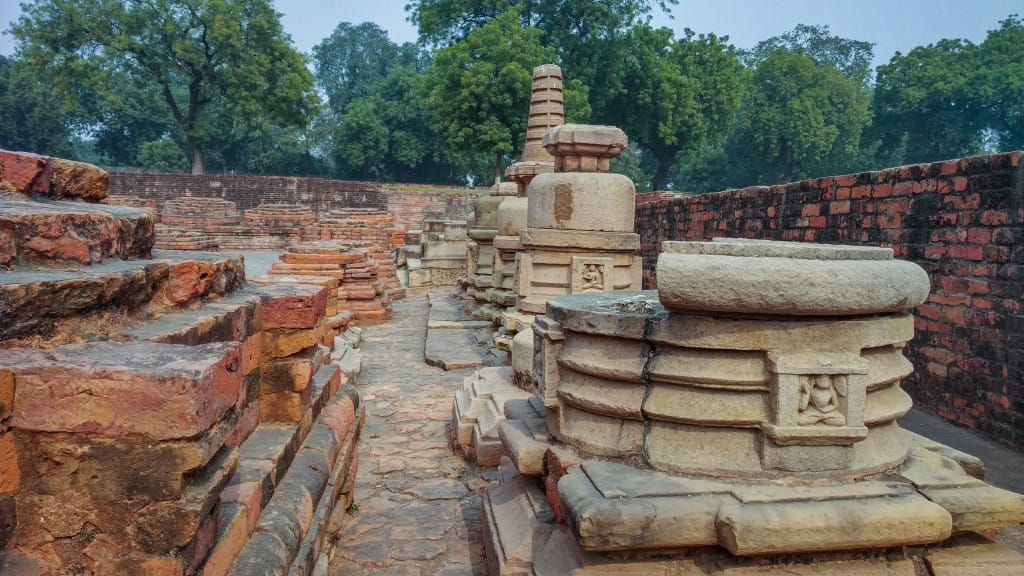
You are about to embark on a journey to one of Buddhism’s most revered sites, a place where the foundations of this major world religion were laid over 2,500 years ago. Located near the confluence of the Ganges and Varuna rivers in Uttar Pradesh, India, this sacred site is where Buddha delivered his first sermon after achieving enlightenment.

As you explore this historic deer park, you’ll discover why it’s considered a pivotal pilgrimage site. The site is steeped in history and spirituality, attracting thousands of pilgrims and travelers alike each year.
Key Takeaways
- Discover the significance of Sarnath as a major Buddhist pilgrimage site.
- Learn about the historical and spiritual importance of the deer park.
- Explore the ancient treasures and monuments at Sarnath.
- Understand why Sarnath is a must-visit destination for spiritual seekers and history enthusiasts.
- Find out how to plan your visit to this sacred site near Varanasi.
The Sacred Significance of Sarnath
As you step into Sarnath, you are walking into a site steeped in history and spirituality. This sacred place is where Buddhism’s foundational teachings were first articulated, making it a pivotal location for pilgrims and historians alike.
Why Sarnath Is Famous in Buddhist History
Sarnath’s fame in Buddhist history stems from its association with the Buddha’s first sermon, where he shared the profound teachings that would become the cornerstone of Buddhism. In the tranquil setting of Deer Park, he delivered his inaugural sermon, the Dhammacakkappavattana Sutta, aiming to liberate humanity from suffering.
The Deer Park witnessed the unfolding of other profound Suttas, including Anattalakkhana Sutta, Saccavibhanga Sutta, Pañca Sutta, Rathakra or Pacetana, and two Psa Suttas, each contributing to the rich tapestry of Buddhist teachings. Concepts like the Middle Way, the Four Noble Truths, and the Eightfold Path resonated amidst the verdant landscape.
The First Sermon and Turning of the Wheel of Dharma
You’ll be walking in the footsteps of history as you learn about Buddha’s first sermon, the Dhammacakkappavattana Sutta (Setting the Wheel of Dharma in Motion), delivered to his five former companions who became his first disciples. The profound moment when Buddha first articulated the Middle Way between extreme asceticism and indulgence transformed these skeptical companions into devoted followers and marked the beginning of Buddhist teachings.
- You’ll gain insight into how Buddha’s first sermon established the Four Noble Truths: the truth of suffering, its cause, the possibility of its cessation, and the path leading to that cessation.
- The Wheel of Dharma symbolism, representing Buddha’s teachings spreading outward like a wheel’s rotation, began at this very spot and continues to inspire millions worldwide.
- As you explore this aspect of Sarnath, you’ll understand why this first turning of the Wheel of Dharma is considered one of the most momentous events in religious history, establishing principles that have guided Buddhist practice for over two millennia.
Historical Journey Through Sarnath
As you step into Sarnath, you’re not just walking into a historical site; you’re embarking on a journey through time. This sacred place, where the Buddha delivered his first sermon, is a treasure trove of history, art, and spirituality.
Sarnath Temple History: From Glory to Destruction
Sarnath’s history is a story of glory and destruction. Once a thriving center of Buddhist learning and art, it was a place where magnificent structures like the Dhamek Stupa were built to commemorate significant events. The art and architecture of Sarnath reflect a blend of influences, showcasing the cultural richness of the region.
The site’s significance was not limited to its religious importance; it was also a hub of cultural and intellectual activities. The presence of numerous statues and intricate carvings testifies to the advanced craftsmanship of the artisans of that era.
Rediscovery and Archaeological Excavations
The rediscovery of Sarnath began in the late 18th century. William Hodges, a British landscape painter, was one of the first to document the site in 1794, although he mistook the Dhamek Stupa for a Hindu temple. Later, in 1835-1836, Alexander Cunningham conducted the first systematic archaeological excavations, conclusively identifying Sarnath as the location of the Buddha’s first sermon.
One of the most significant discoveries was the unearthing of the Ashoka Pillar with its famous Lion Capital in 1905 by Friedrich Oertel’s team. This pillar is now India’s national emblem, symbolizing the country’s rich heritage. The excavations at Sarnath have revealed numerous sites and artifacts, providing insights into the history and significance of this sacred place.
The archaeological journey through Sarnath continues to captivate historians and visitors alike. As you explore the ancient ruins, you’re walking in the footsteps of history, uncovering the secrets of a bygone era.
Essential Information for Visitors
To ensure a smooth and enriching experience, here are the key details you need to know before visiting Sarnath.
Location and How to Reach Sarnath
Sarnath is located in the state of Uttar Pradesh, India, approximately eight kilometers northeast of Varanasi, near the confluence of the Ganges and the Varuna rivers. You can reach Sarnath by various means of transportation, including taxis and local buses from Varanasi.

Sarnath Temple Varanasi Distance
The distance between Sarnath and Varanasi is about eight kilometers, making it easily accessible for a day trip or as part of a longer pilgrimage. The journey typically takes around 20-30 minutes by car, depending on traffic conditions.

Opening Hours and Closed Days
The main archaeological site at Sarnath is open from sunrise to sunset, approximately 6:00 AM to 6:00 PM throughout the year. The Sarnath Archaeological Museum, housing the famous Ashoka Lion Capital, operates from 9:00 AM to 5:00 PM and is closed on Fridays. The Mulagandhakuti Vihara temple is open from 7:00 AM to 7:00 PM daily without any weekly closure. It’s advisable to plan your visit according to these timings to make the most of your time.

Must-Visit Attractions in Sarnath
As you explore the sacred grounds of Sarnath, you’ll discover a wealth of historical and spiritual attractions that make this site a must-visit pilgrimage destination. The town is home to numerous iconic landmarks that are steeped in Buddhist history and significance.
The Iconic Dhamek Stupa

The Dhamek Stupa is one of the most recognizable landmarks in Sarnath, standing as a testament to the site’s rich history. This massive cylindrical structure is believed to mark the spot where the Buddha delivered his first sermon.
The Ashoka Pillar and Lion Capital
The Ashoka Pillar, erected during the Mauryan era, is another significant attraction in Sarnath. The pillar’s Lion Capital, now a symbol of India, represents the ideals of the Mauryan empire.
Chaukhandi Stupa
The Chaukhandi Stupa is a terraced structure that marks the spot where the Buddha met his first five disciples. This stupa is a significant site for Buddhist pilgrims and history enthusiasts alike.
Mulagandhakuti Vihara
You’ll find spiritual solace at the Mulagandhakuti Vihara, a modern temple built in 1931 that marks the spot where Buddha spent his first rainy season retreat after delivering his initial sermon. As you enter the temple grounds, you’ll be greeted by a serene atmosphere enhanced by beautiful gardens and the Bodhi trees that create a perfect setting for meditation and contemplation. Inside the temple, you’ll be impressed by the magnificent Buddha statue and colorful frescoes depicting important events from Buddha’s life.
As you visit these attractions, you’ll gain a deeper understanding of Sarnath’s significance in Buddhist history and culture, enriching your spiritual journey.
Exploring Sarnath’s Temples
As you wander through Sarnath, you’ll discover a rich tapestry of temples that reflect various Buddhist traditions. These temples not only showcase stunning architecture but also provide a glimpse into the diverse practices and cultures within Buddhism.
Sarnath Mandir Varanasi: Architecture and Significance
The Sarnath Mandir, located near Varanasi, is a significant religious site that embodies the spirit of Buddhist teachings. Its architecture is characterized by intricate carvings and statues that depict various Buddhist deities and narratives. The temple complex is a place of worship and pilgrimage, attracting devotees from around the world.
The significance of Sarnath Mandir lies in its representation of Buddhist culture and its role as a center for religious and cultural practices. Visitors can observe the serene atmosphere and the devotion of pilgrims, making it a profound experience.
Other Important Temples in the Area
Sarnath is not just home to the Sarnath Mandir; it hosts several other important temples that represent different Buddhist traditions from across Asia. For instance, the Thai Buddha Vihar captivates visitors with its distinctive golden architecture and houses a beautiful statue of Buddha in the meditation posture, attracting pilgrims from Thailand and Southeast Asia.
Other notable temples include the Chinese Temple, featuring upturned eaves and ornate decorations; the Japanese temple, with a large bronze statue of Buddha and serene zen gardens; and the Tibetan Temple (Dharma Chakra Vihar), showcasing colorful thangka paintings and housing statues representing various Buddhist deities. Each of these temples offers a unique insight into the diverse practices and traditions within Buddhism, enriching the spiritual experience of visitors.
Practical Visitor Information
As you plan your visit to Sarnath, a sacred pilgrimage site, it’s essential to have the right information at your fingertips. This will help you make the most of your spiritual journey.
Sarnath Temple Varanasi Timings

The Sarnath Temple, a significant landmark, is open to visitors throughout the day. Understanding the temple timings is crucial for planning your day. Typically, the site is accessible from early morning until evening, allowing for a serene and peaceful visit.
Best Time to Visit
The best time to visit Sarnath is during the cooler months when the weather is pleasant, making it ideal for exploring the sites and grounds. Avoiding the peak summer months ensures a more comfortable and enjoyable experience.
Accommodation Options
For those looking to stay near the sacred grounds, there are several accommodation options to consider. You can choose from:
- The Buddhist Thai Monastery Guest House, offering simple rooms within walking distance of all major sites.
- The Mahabodhi Society Rest House, providing basic but clean rooms primarily for Buddhist pilgrims; advance booking is recommended.
- A wide range of accommodations in nearby Varanasi, from budget guesthouses to luxury hotels along the Ganges.
- The Japanese Temple Guest House in Sarnath, which provides a tranquil environment with traditional Japanese aesthetics.
- The Dhammachakka Meditation Center, which occasionally hosts retreats on its grounds and offers accommodation for longer stays focused on meditation or Buddhist studies.
Choosing the right accommodation enhances your overall experience, allowing you to fully immerse in the spiritual ambiance of Sarnath.
The Spiritual Experience at Sarnath
The spiritual experience at Sarnath is profound, offering a deep connection to the roots of Buddhism. As you explore this sacred site, you’ll discover numerous opportunities to engage in Buddhist practices and rituals, enriching your understanding and spiritual growth.
Buddhist Practices and Rituals
Sarnath is a place where you can immerse yourself in Buddhist traditions. You might participate in guided meditation sessions led by resident monks, gaining insight into traditional Buddhist meditation techniques. The serene environment of the Deer Park, where Buddha delivered his first sermon, provides a unique setting for contemplation and connection to his teaching.
- The Japanese Garden behind the Mulagandhakuti Vihara is a serene spot for mindfulness practice, with its carefully arranged stones and plants.
- The ancient Deer Park grounds offer a chance to meditate in the setting of Buddha’s world-changing teaching.
- Near the Thai Temple, meditation platforms provide peaceful seclusion under bodhi trees.
Meditation and Contemplation Spots
Sarnath is dotted with various spots ideal for meditation and contemplation. The area around the Dhamek Stupa becomes particularly powerful for reflection during the early morning or late afternoon, when the light and fewer crowds create a tangible connection to the site’s sacred story. As you walk through these grounds, you’re not just visiting a historical site; you’re experiencing a living part of Buddhist heritage that has impacted the world.
- Join guided meditation sessions occasionally offered by resident monks for a deeper insight.
- Explore the serene Japanese Garden for a peaceful meditation experience.
Conclusion: Is Sarnath Worth Visiting?
The experience of visiting Sarnath is profoundly moving, offering a unique blend of historical significance and spiritual energy. As you explore this sacred site, you’ll discover that it’s worth visiting not just as a Buddhist pilgrimagedestination, but as a window into the past where one of the world’s great philosophical traditions was born.
Sarnath’s sites, including the iconic stupas and the Sarnath Archaeological Museum, house treasures that tell the story of Buddhism’s evolution. The patronage of various dynasties over 1,500 years is evident in the exquisite sculptures and architectural achievements.
Whether you’re a devout Buddhist, a history enthusiast, or a curious traveler, Sarnath offers a peaceful respite from nearby Varanasi’s intensity. As the birthplace of Buddhist teachings, Sarnath remains one of India’s most significant historical sites. Standing where Buddha once taught, surrounded by monuments that have inspired pilgrims for millennia, you’ll understand why Sarnath continues to illuminate minds.
FAQ
What is the significance of Sarnath in Buddhist history?
Sarnath is a sacred site where the Buddha delivered his first sermon, marking the beginning of the Buddhist teachings. It’s a place of great historical and spiritual significance, attracting pilgrims from around the world.
What are the must-visit attractions in Sarnath?
Some of the top attractions in Sarnath include the Dhamek Stupa, Ashoka Pillar, and Chaukhandi Stupa. You can also explore the Mulagandhakuti Vihara, a temple built on the site where the Buddha spent his first rainy season.
How do I reach Sarnath?
Sarnath is located near Varanasi, and you can reach it by taking a taxi or auto-rickshaw from the city. The nearest airport is Varanasi International Airport, which is about 22 kilometers away.
What are the opening hours and closed days for Sarnath temples?
The opening hours for Sarnath temples vary, but most are open from sunrise to sunset. It’s best to check with the specific temple or site you’re visiting to confirm their hours and any closed days.
Can I practice meditation or contemplation in Sarnath?
Yes, Sarnath offers a serene and peaceful atmosphere, making it an ideal place for meditation and contemplation. You can visit the various temples and sites, such as the Deer Park, to find a quiet spot for reflection.
What is the best time to visit Sarnath?
The best time to visit Sarnath is from October to March, when the weather is mild and pleasant. Avoid visiting during the peak summer months, as it can be quite hot.
Are there accommodation options available in Sarnath?
Yes, there are various accommodation options available in Sarnath, ranging from budget-friendly guesthouses to luxury hotels. You can also stay in nearby Varanasi and visit Sarnath as a day trip.
Read more: Attractions