Did you know trekking high up can make your lungs stronger by up to 30%? This is why the Har Ki Dun trek is so great for those who love adventure and nature. It’s in the beautiful Uttarkashi district of Uttarakhand, known as the “Valley of Gods.”
This trek lasts seven days and is 43 kilometers long. You’ll see green meadows, old villages, and high mountains.
Each day, you’ll walk for about six hours. This lets you really feel connected to nature. You’ll see amazing wildlife and learn about the local culture. Har Ki Dun is perfect for those who want to see the Himalayas up close.

Key Takeaways
- The trek lasts for 7 days, covering a distance of 43 km.
- The trek reaches an altitude of 12,000 feet, promoting health benefits.
- Trekking is an average of 6 hours per day, allowing for immersive experiences.
- Har Ki Dun is renowned for its stunning vistas and rich biodiversity.
- Experience the captivating culture of ancient villages along the route.
- High-altitude trekking offers unique views of peaks like Swargarohini and Bandarpunch.
Introduction to Har Ki Dun Trek
The Har Ki Dun trek is a great way to see the beauty of Uttarakhand’s Himalayas. It’s about 47 kilometers long and takes seven days to complete. You start in Sankri village and go up to Har Ki Dun Valley, which is 3,566 meters high.
This trek is not too hard, making it perfect for beginners and experts alike. It’s most popular in autumn. Along the way, you’ll see many plants and animals, making the trek even more special.
This trek is one of the oldest in the area. It offers amazing views and a chance to learn about local culture. You’ll visit villages, meet people, and try Garhwali food. Har Ki Dun is a great choice for anyone looking for a memorable trek in the Himalayas.
What Makes Har Ki Dun a Must-Do Trek?
The Har Ki Dun trek is a top choice for those who love adventure. It’s in the Garhwal region of the Himalayas. Here, you can see nature’s beauty and learn about the local culture.
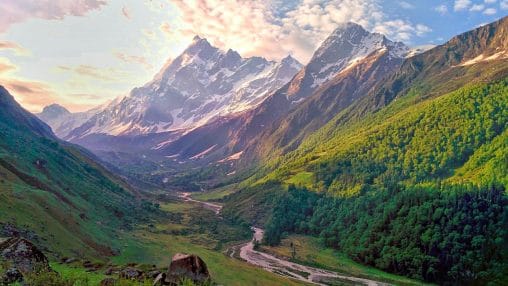
This trek has amazing views of green meadows, rivers, and forests. You’ll see beautiful sights everywhere you go.
Har Ki Dun is easy to get to. It’s good for beginners and experts. You can finish it in 6-7 days. It’s at 11,700 feet, so it’s not too hard.
“The trek is often described as giving huge rewards for a little effort.”
On the way, you’ll see villages like Osla. They have old wooden houses that are really tall. These houses show the local culture and history.
There, you can see festivals and traditional music and dance. It’s a lively place that draws visitors in.
The trek also has lots of animals like snow leopards and black bears. You’ll see amazing views of mountains like Swargarohini and Bandarpunch.
As you walk, you’ll see many plants and animals. There are colorful flowers and big trees. You’ll hear the sound of streams and waterfalls.
This mix of peace, spirituality, and beauty makes Har Ki Dun special. It’s a great choice for anyone wanting to see the Himalayas. This trek is unforgettable, filled with nature’s wonders.
Har Ki Dun Trek: A Journey Through Time and Mythology
The Har Ki Dun trek is not just about beautiful views. It also takes you back in time and into myths. Known as the “Valley of Gods,” it’s where the Pandavas walked in the Mahabharata. This makes the valley very special and full of history.
While trekking, you see old temples and lively villages. Each place has its own story. Osla village has a temple for Duryodhana, adding to the valley’s rich history.
The trek also shows off amazing landscapes and old forests. You’ll see mountains like Swargarohini. Along the way, you meet people who keep their traditions alive.
The trek is 47 kilometers long. It’s a mix of adventure and learning about local culture. Every step is a step into history, making your heart and mind happy.
| Characteristic | Details |
|---|---|
| Altitude of Har Ki Dun | 3,566 meters (11,693 feet) |
| Total Trek Distance | 47 kilometers |
| Trek Duration | 7 to 8 days |
| Difficulty Level | Easy to moderate |
| Average Temperature | 5°C at night to 20°C during the day in summer |
| Best Time to Visit | April to June, September to November |
| Historical Significance | 3,000 years relating to Pandavas’ route |
Best Time for Har Ki Dun Trek
The best time for trekking in Har Ki Dun is from April to June and September to October. This is about six months of the best weather for trekking. In spring, the valley is full of life with colorful flowers and nice weather.
Summer brings temperatures from 10°C to 20°C, making it comfortable. But, watch out for sudden rain. The monsoon from July to September is not good because of heavy rain and landslides. Yet, it’s quieter for those who like peace.
Winter, from December to March, is very snowy. It might close the trek. Only experienced trekkers should go then, making up just 10% of all trekkers.
Har Ki Dun is great for both new and experienced trekkers. You can learn about local culture and see animals like Himalayan black bears and birds.

| Season | Temperature Range | Trekking Conditions | Crowd Level |
|---|---|---|---|
| Spring (April – June) | 10°C to 20°C | Good, flowers in bloom | Moderate |
| Monsoon (July – September) | Variable, high rainfall | Challenging, risk of landslides | Low |
| Autumn (October – November) | 10°C to 15°C | Good, clear skies | Moderate |
| Winter (December – March) | -5°C to -2°C | Very challenging, heavy snowfall | Very low |
Understanding the Har Ki Dun Trek Route
The har ki dun trek route is a thrilling journey. It takes you through stunning landscapes and diverse cultures of the Himalayas. It starts in Sankri and goes through forests and villages to the peaceful Har Ki Dun Valley.
Starting Point: Sankri to Taluka
The adventure starts at Sankri. Here, trekkers get ready for the journey. The path from Sankri to Taluka is about 10 kilometers long. It takes 5 to 6 hours to walk through dense pine forests.
This first part shows the beauty that awaits. It sets the mood for the trek.
Pass Through Osla Village
As you trek, you’ll see the beautiful Osla Village. This village is known for its unique homes. They show the culture and heritage of the area.
The Osla village trek is a special part of the journey. It lets you see the local life and traditions.
Final Destination: Har Ki Dun Valley
The trek ends at the amazing Har Ki Dun Valley. It’s at about 12,000 feet high. The valley is famous for its views and calm atmosphere.
It’s the perfect place to rest after the trek. Here, you can enjoy the peaceful surroundings.
| Stage | Trek Distance | Duration | Altitude Gain |
|---|---|---|---|
| Sankri to Taluka | 10 km | 5 – 6 hours | From 7,117 ft to 8,200 ft |
| Taluka to Osla Village | 8 km | 5 – 6 hours | From 8,200 ft to 9,850 ft |
| Osla to Har Ki Dun | 10 km | 5 – 6 hours | Highest altitude reached: 11,800 ft |
Har Ki Dun Trek Difficulty Level
The har ki dun trek is easy to moderate. It’s great for people who are fairly fit. The trek is 64 kilometers long and goes up to 11,850 feet high.
Every day, you’ll walk about 10 kilometers. It usually takes 5 to 7 hours, depending on the path.
Getting ready for the trek is key. You should start training at least four weeks before. Try to walk 5 kilometers in 35 minutes without getting too tired.
Knowing how to trek is also important. This helps when you face tricky spots like overhangs and narrow paths.
On Day 4, you’ll walk 18 kilometers to the top. It takes about 5 hours. If you’re new to trekking, start with easier trails first.
December can be snowy, making the trail slippery. But with good preparation, you’ll have a great time.

| Aspect | Details |
|---|---|
| Total Trek Length | 64 km |
| Maximum Altitude | 11,850 ft |
| Starting Altitude | 6,455 ft |
| Difficulty Rating | Moderate (Level 3) |
| Average Distance Hiked Per Day | 10 km |
| Recommended Preparation Time | At least 4 weeks |
| Cardio Target | Cover 5 km in 35 minutes comfortably |
| Areas of Caution | Overhangs above Ruinsara Gad, narrow trails |
| Average Duration to Max Altitude | 6 days |
| Recommended Seasons for Trekking | Spring, summer, autumn |
Cost of Har Ki Dun Trek
The cost of the har ki dun trek is between ₹9,000 to ₹12,499 per person for 7 days. This price includes meals, places to stay, and guided tours. You need to pay ₹1,500 in advance to book your spot.
When planning your trip, remember to add extra costs. Transport from Dehradun to the start of the trek is about ₹2,500. You can also pay ₹2,500 for a jumbo bag service. If you want someone to carry your backpack, it’s ₹2,400 extra.
On the trek, you’ll see different temperatures. Days are around 15 to 20 degrees Celsius. Nights can be as low as 2 to -8 degrees Celsius. It’s important to pack right for these changes.
With the right planning, you can enjoy the beauty of har ki dun. Get ready for an amazing adventure!
Distance of Har Ki Dun Trek
The Har Ki Dun trek is a fun and easy journey. It’s great for those who love adventure. The trek is about 43 kilometers long. It has different daily distances for all fitness levels.
Total Trek Distance
The trek is about 43 kilometers long. It goes from Sankri to the beautiful Har Ki Dun Valley. You’ll see amazing views and cultural spots along the way.
Daily Trek Distances
The daily distances are different. This makes the trek fun for everyone. Here’s what you can expect each day:
| Day | Destination | Distance (km) | Estimated Duration |
|---|---|---|---|
| 1 | Sankri to Taluka | 12 | 5-6 hours |
| 2 | Taluka to Osla | 13.5 | 6-7 hours |
| 3 | Osla to Har Ki Dun | 11 | 3 hours |
| 4 | Har Ki Dun Exploration | Optional Hike to Jaundhar Glacier (5 km round trip) | 3-4 hours |
| 5 | Har Ki Dun to Kalkatiyadhar | 4 | 3 hours |
| 6 | Kalkatiyadhar to Taluka | 7 | 5-6 hours |
| 7 | Taluka to Sankri | 12 | 1 hour (drive) |
This trek is well-planned. It helps you track your progress. Knowing the total distance and daily distances keeps you going. You’ll love the beauty of Har Ki Dun.
Accommodation Options During the Trek
The Har Ki Dun trek has many lodging options for all. Most choose camping arrangements. They stay in twin-sharing tents with basic needs.
This lets them feel close to nature. It also keeps them comfortable under the stars.
Before and after the trek, guests stay in local guesthouses in Sankri. It’s cozy and offers tasty local food. This makes the trek even better.
The stay plan is for seven days. Two nights are in Sankri. The rest are in trekking tents along the way.
Each tent fits up to four people. It’s a great place to share stories and day’s adventures.
| Location | Accommodation Type | Nights Spent |
|---|---|---|
| Sankri | Guest House/Home Stay or Fixed Camps | 2 |
| Seema/Osla | Trekking Tents (Dome/Alpine) | 4 |
The har ki dun trek accommodation is great. It balances comfort and adventure well. But, plan ahead, mainly in peak seasons.
Good planning includes cooks, helpers, and porters. They manage the camping gear. This makes the trek smooth.
Flora and Fauna of the Har Ki Dun Region
The Har Ki Dun region is full of life. It’s a place where nature lovers can find joy. The plants and animals here make a beautiful world, set against the Himalayas.
Trekkers can see many plants, like rhododendrons and pines. These plants show the area’s rich plant life.
Wildlife in Har Ki Dun is amazing. You might see a Himalayan black bear or a musk deer. The Himalayan Monal, the state bird, is also here. Seeing these animals in nature is a special experience.
The area is home to many rare plants and birds. This shows the biodiversity of Har Ki Dun. Trekking here lets you see the beauty of nature and learn why we must protect it.
| Flora | Fauna |
|---|---|
| Rhododendrons | Himalayan black bears |
| Deodar trees | Musk deer |
| Pine forests | Himalayan Monal |
| Medicinal plants | Snow leopards |
| Wildflowers | Various species of birds |
How to Prepare for Har Ki Dun Trek
Getting ready for the Har Ki Dun trek means picking the right gear and getting fit. This makes sure you have a safe and fun trip in the beautiful Himalayas.
Essential Gear and Equipment
Having the right stuff is key when you prepare for the Har Ki Dun trek. Here’s what you need:
- Waterproof trekking boots – Keep your feet dry and steady on rocky paths.
- Layered clothing – Helps you stay comfy as the weather changes.
- Rain jackets – Keeps you dry if it rains.
- Trekking poles – Make walking easier and protect your knees.
- Backpack – Choose one that’s light and comfy, carrying about 10-15 kilograms.
Training and Fitness Preparation
Being fit for trekking is as important as having the right gear. Start training a month before your trip. Here’s how to get ready:
- Do cardio like running, cycling, or swimming.
- Hike on local trails, going further and higher each time.
- Do strength exercises to strengthen your core and legs.
By doing these things, you’ll be ready for the trek.
Conclusion
The Har Ki Dun trek is a top adventure for Himalayas explorers. It offers stunning views and a rich cultural mix. This journey is about 8 days long and goes up to 12,000 feet high.
Trekkers see the heart of the Garhwal region in Uttarakhand. They get to meet locals in Osla village. This village has stone roofs and a history linked to the Mahabharata era.
Meeting the locals adds to the trek’s value. It lets trekkers learn about unique customs and mountain lifestyles. The trek’s paths, from forests to meadows, make it a favorite adventure.
The Har Ki Dun trek is great for both new and experienced trekkers. It’s a moderate challenge with amazing views. With good planning and a love for adventure, trekkers will make unforgettable memories in the Himalayas.
FAQ
What is the Har Ki Dun trek known for?
The Har Ki Dun trek is famous for its stunning landscapes and rich biodiversity. It’s called the “Valley of Gods.” You’ll see vibrant alpine meadows, ancient villages, and majestic snow-capped peaks.
How long is the Har Ki Dun trek?
The trek is about 43 kilometers long. It takes seven days to complete. You start in Sankri and go up to the Har Ki Dun Valley at 12,000 feet.
What is the difficulty level of the Har Ki Dun trek?
The trek is easy to moderate. It’s good for those who are fairly fit. There are steep parts, but it’s rewarding without needing expert skills.
What is the best time to undertake the Har Ki Dun trek?
The best times are from April to June and September to October. The weather is nice, with temperatures between 10°C and 20°C.
What is the cost of the Har Ki Dun trek?
The cost is between ₹10,999 and ₹12,500 per person. This includes meals, accommodations, and a guide. You might also need to pay for transport and insurance.
What accommodations can I expect during the trek?
You’ll camp in twin-sharing tents with basic amenities. You can also stay in local guesthouses in Sankri for more comfort.
What kind of wildlife can trekkers expect to see?
The area is full of wildlife. You might see rhododendrons, pine forests, Himalayan black bears, musk deer, and the Himalayan Monal.
How should one prepare for the Har Ki Dun trek?
Make sure you have the right gear like waterproof boots and rain jackets. Also, do some cardio and strength training to get ready.
Are there any cultural landmarks along the trek?
Yes! You’ll see ancient temples and cultural landmarks. They show the region’s history and local traditions.
How challenging is the daily trek distance?
The distances vary, with the longest day being about 25 kilometers. Most days are 10 to 13.5 kilometers. It’s a balanced and enjoyable journey.
Read more: Attractions