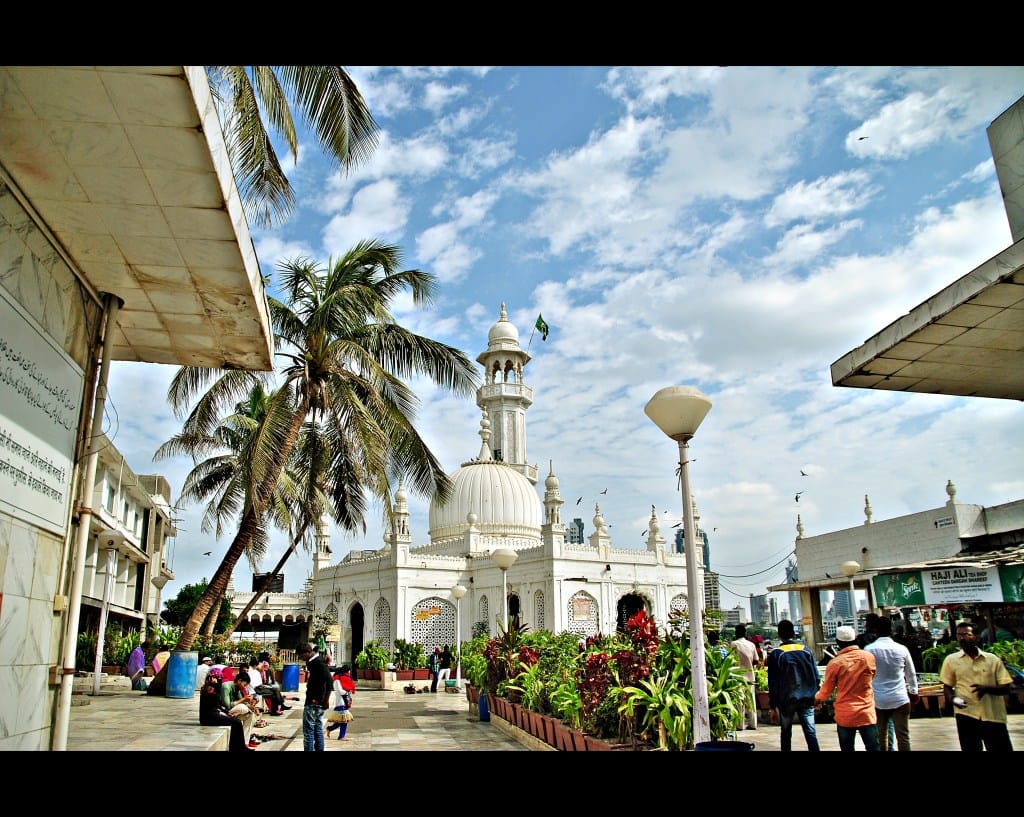

Experience the Spiritual Essence of Mumbai’s Iconic Landmark
Located off the coast of Worli in southern Mumbai, the Haji Ali Dargah is a breathtaking Sufi shrine that has captivated the hearts of millions. This magnificent structure, dedicated to the Sufi saint Pir Haji Ali Shah Bukhari, is not just a religious site but a symbol of the city’s rich cultural heritage.
As you embark on a spiritual journey to this iconic landmark, you’ll discover the extraordinary blend of history, architecture, and spiritual significance that has made Haji Ali Dargah a must-visit destination for people of all faiths for over five centuries.
The Haji Ali Dargah is an exquisite example of Indo-Islamic architecture, associated with legends about doomed lovers. The dargah contains the tomb of Haji Ali Shah Bukhari, a revered Sufi saint and wealthy merchant from Uzbekistan. Near the heart of Mumbai city, the dargah is one of the most recognizable landmarks.
To enhance your experience, it’s essential to learn about the remarkable life of Pir Haji Ali Shah Bukhari, whose final resting place has become one of India’s most visited religious sites. You’ll also explore the fascinating legends, miraculous stories, and architectural splendor that have cemented Haji Ali Dargah’s place as one of the seven wonders of Mumbai.
Before you visit, prepare with essential information about timings, tidal access, and the best ways to experience this spiritual marvel. The dargah welcomes 10-15 thousand visitors daily and stands as a testament to Mumbai’s rich cultural heritage.
The Sacred Shrine in the Arabian Sea
The Haji Ali Dargah stands as a spiritual beacon, its white domes and minarets rising majestically from the waves of the Arabian Sea. This breathtaking landmark is not just a significant religious site but also a marvel of Indo-Islamic architecture, captivating the hearts of all who visit.

Located on a tiny island approximately 500 meters from Mumbai’s coast, the Haji Ali Dargah is connected to the mainland by a narrow causeway. This unique geographical positioning creates a surreal experience, especially during high tide when the causeway appears to be submerged, leaving visitors with the impression that the shrine is floating.
A Marvel of Engineering and Faith
As you walk along the kilometer-long causeway, the Haji Ali Dargah comes into view, its pristine white structure glistening against the backdrop of the sea. The shrine’s location was determined not by human hands but by divine intervention, according to the legendary wishes of Pir Haji Ali Shah Bukhari himself. This spiritual journey, surrounded by the Arabian Sea on both sides, creates a profound sense of leaving the material world behind as you approach this sacred shrine.
The Haji Ali Dargah has withstood the test of time and nature’s forces for over five centuries, standing as a testament to both architectural ingenuity and divine protection. Its durability is a marvel, considering it is situated on a small islet off the coast of Worli, in the Haji Ali Bay.
As you experience the tranquility of this sacred site, you’ll appreciate the unique blend of spirituality and architectural brilliance that makes the Haji Ali Dargah a revered landmark in Mumbai. The dargah’s beauty is not just in its structure but also in the spiritual aura that surrounds it, making it a must-visit destination for anyone drawn to the mystical and the divine.
The Life of Pir Haji Ali Shah Bukhari
In the early 15th century, a young Pir Haji Ali Shah Bukhari embarked on a journey that would change the religious landscape of India. Feeling regretful for his past actions, he set out to travel across the world, driven by a deep sense of remorse and a desire to make amends.
Origins and Early Life in Bukhara
Born in Bukhara, Central Asia, Pir Haji Ali Shah Bukhari was destined for a life of spiritual significance. His early life was marked by a strong connection to his faith, and he was known for his compassion and wisdom. As he grew older, his sense of purpose became clearer, leading him to undertake a journey to distant lands to spread the teachings of Islam.
According to historical accounts, Pir Haji Ali Shah Bukhari had a recurring and disturbing dream that he had injured the Earth by his actions. This dream filled him with grief and remorse, prompting him to seek a way to rectify his perceived wrongdoing. With the permission of his mother, he traveled to India with his brother, eventually reaching the shores of Mumbai near Worli.
| Event | Description | Significance |
|---|---|---|
| Early Life in Bukhara | Pir Haji Ali Shah Bukhari was born and raised in Bukhara, Central Asia. | Shaped his spiritual foundation and sense of purpose. |
| Journey to India | Traveled with his brother to India, driven by a sense of remorse and a divine calling. | Marked the beginning of his mission to spread Islam in a new land. |
| Settlement in Mumbai | Chose to reside near Worli, Mumbai, dedicating himself to spiritual service. | Established a sacred site that would become a beacon of faith for many. |
Journey to India and Spiritual Mission
Upon arriving in Mumbai, Pir Haji Ali Shah Bukhari’s brother returned to their native Bukhara, carrying a letter from Pir Haji Ali to their mother. The letter reassured her of his well-being and informed her of his decision to stay in Mumbai permanently to spread Islam. This act demonstrated his deep family connections even as he embarked on his spiritual mission far from home.
“Pir Haji Ali Shah Bukhari’s compassionate nature and spiritual wisdom quickly earned him devotees from all walks of life, regardless of their religious backgrounds.”
As you follow Pir Haji Ali Shah Bukhari’s transformative journey, you understand the saint’s deep sense of purpose and divine calling that led him to leave his homeland and establish himself in a foreign land. His legacy became an integral part of Mumbai’s spiritual fabric, creating a heritage that would transcend time, religion, and culture.
You can appreciate how Haji Ali Shah Bukhari became a revered figure, not just among Muslims, but among people of all faiths. His story is a testament to the power of faith, compassion, and the human spirit’s capacity for transformation and service.
The Legendary History of Haji Ali Dargah
As you explore the mystical world of Haji Ali Dargah, you’ll uncover the legendary history that surrounds this sacred shrine. The story of Haji Ali Shah Bukhari’s life and death is intertwined with miracles and divine interventions that have captivated the hearts of devotees for centuries.
The Haji Ali Dargah is more than just a tomb; it’s a symbol of the saint’s devotion to his faith and his people. According to legend, before his death, Haji Ali instructed his followers to cast his shroud into the Arabian Sea, requesting that it be buried where it came to rest.
The Oil Miracle and Earth’s Injury
One of the most revered legends associated with Haji Ali Dargah is the “Oil Miracle.” It is said that when the saint’s coffin was being taken to its final resting place, it was intercepted by a group of people who were extracting oil from the earth. The earth began to bleed, and the oil gushed out uncontrollably. This miracle was seen as a sign that the earth was injured and that the saint’s presence was required to heal it.
The significance of this miracle lies in its symbolism. It represents the saint’s power to heal not just the spiritual wounds of his followers but also the physical world around him. This legend has been passed down through generations, reinforcing the belief in Haji Ali’s divine intervention.
The Floating Coffin: How Haji Ali Chose His Final Resting Place
Another captivating legend surrounding Haji Ali Dargah is the story of the floating coffin. As per the accounts, after Haji Ali’s demise during his journey to Mecca, his followers placed his coffin in the Arabian Sea. Miraculously, the coffin floated back to the island off the coast of Worli, where it came to rest on a small mound of rocks.
This supernatural event was interpreted as a divine sign, indicating that the saint had chosen his final resting place. The Dargah was subsequently built on this very spot, where the coffin came to rest. The legend symbolizes the saint’s transcendence of conventional boundaries, resting between heaven and earth, accessible to all who seek his blessings.
| Legend | Significance |
|---|---|
| The Oil Miracle | Symbolizes the saint’s power to heal physical and spiritual wounds |
| The Floating Coffin | Represents the saint’s divine intervention in choosing his final resting place |
These legends have contributed to the reverence and mystique surrounding Haji Ali Dargah. They inspire devotees to reflect on the profound spiritual symbolism of the saint’s life and death, and the divine signs that guide them.
“The saint’s wish to be buried where his shroud came to rest was not just a request; it was a divine instruction that guided his followers to build the Dargah at that sacred spot.”
The story of Haji Ali Dargah is a testament to the enduring legacy of Saint Haji Ali. It continues to captivate the hearts of millions, inspiring a journey of spiritual discovery and connection with the divine.
Why is Haji Ali Dargah Floating in the Sea?
As you approach the Haji Ali Dargah, you can’t help but wonder why this sacred shrine appears to be floating on the Arabian Sea. Located on a small islet, hardly 500 meters away from the coast of Mumbai, the dargah’s unique location has both fascinated and mystified visitors for centuries.
The Spiritual Significance of Its Location
The Haji Ali Dargah’s location is not just a marvel of engineering but also holds deep spiritual significance. According to legend, Pir Haji Ali Shah Bukhari chose this site for his final resting place, and the shrine’s construction on a rocky outcrop in the sea is seen as a symbol of his detachment from worldly life. The dargah’s Indo-Islamic architecture is a testament to the rich cultural heritage of the region, blending Islamic and Indian architectural styles.
The shrine’s marble structure, adorned with intricate mirror work and Arabic inscriptions, is a masterpiece of craftsmanship. As you walk through the complex, you are surrounded by the serene atmosphere of the mosque and the tomb, creating a sense of peace and tranquility.
Engineering Marvel: Building a Shrine in the Sea
The construction of the Haji Ali Dargah on a small rocky islet in the Arabian Sea is an engineering marvel that has withstood the test of time. Built over five centuries ago, the shrine has faced numerous challenges, including monsoons, tidal forces, and saline erosion. The builders of the dargah demonstrated remarkable ingenuity in constructing a lasting shrine that has become an iconic symbol of Mumbai.
The architecture of the Haji Ali Dargah is a perfect blend of form and function, with its whitewashed structure, graceful domes, and slender minarets creating a harmonious silhouette against Mumbai’s skyline. The use of marble and other materials has ensured the durability of the shrine, allowing it to endure for centuries.
Architectural Splendor of Haji Ali Mosque
With its stunning whitewashed structure and intricate marble work, Haji Ali Dargah is an architectural gem that captivates visitors. The mosque’s design is a beautiful blend of traditional Indo-Islamic elements, creating a serene and spiritual atmosphere.
Indo-Islamic Design Elements
The Haji Ali Dargah showcases exquisite Indo-Islamic design elements, reflecting the rich cultural heritage of the region. The marble used in the construction adds a touch of elegance and sophistication. You can observe the intricate artistic mirror work in the main hall, where blue, green, and yellow glass chips form kaleidoscopic patterns that spell out the 99 names of Allah.
The use of white marble in the courtyard creates an atmosphere of tranquility and spiritual purity as you approach the central shrine. The blend of traditional Islamic architecture with Indian craftsmanship is evident in the intricate carvings and ornate details throughout the complex.
The Marble Courtyard and Sacred Tomb
At the heart of the Haji Ali Dargah complex lies the sacred tomb of Pir Haji Ali Shah Bukhari. The tomb is covered by a vibrant brocaded red and green chaddar, symbolizing the saint’s spiritual vitality. The exquisite silver frame supporting the tomb is a masterpiece of craftsmanship, reflecting both reverence for the saint and the artistic excellence of the era.
| Architectural Feature | Description |
|---|---|
| Marble Courtyard | Pristine white marble creating a serene atmosphere |
| Sacred Tomb | Draped in a vibrant brocaded red and green chaddar |
| Silver Frame | Exquisite craftsmanship supporting the tomb |
| Marble Pillars | Intricately carved and polished, supporting the structure |
As you explore the Haji Ali Dargah, you’ll be struck by the beauty and serenity of the complex. The architectural splendor of the mosque is a testament to the enduring legacy of Pir Haji Ali Shah Bukhari and the spiritual significance of this sacred site.
Inside the Haji Ali Dargah Complex
As you step into the Haji Ali Dargah complex, you’re immediately enveloped in a sense of spiritual tranquility. The air is filled with the scent of incense and the soft murmur of prayers, creating an atmosphere that is both serene and invigorating.
The Sacred Heart of the Complex
The main shrine and tomb of Haji Ali Shah Bukhari are the focal points of the Dargah complex. Devotees flock to pay their respects, offering prayers and seeking blessings. The tomb, adorned with intricate marble work and surrounded by a serene courtyard, exudes an aura of peace and reverence.
The shrine’s design reflects a blend of Islamic and local architectural styles, making it a unique cultural landmark. As you explore this sacred space, you’ll notice the intricate details that make the Haji Ali Dargah a masterpiece of spiritual architecture.
Qawwal Khana and Other Significant Structures
One of the standout features of the Haji Ali Dargah complex is the Qawwal Khana, a spacious foyer where visitors can rest and be treated to soul-stirring qawwali performances. These Sufi devotional songs, performed in honor of Haji Ali, create a transcendent experience that resonates deeply with those who visit.
In addition to the Qawwal Khana, the complex includes separate prayer areas for men and women, ablution facilities, and administrative offices. These structures serve the needs of the thousands of visitors who come to the Dargah each day, ensuring that the sacred site remains accessible and welcoming to all.
| Facilities | Description |
|---|---|
| Qawwal Khana | Spacious foyer for rest and qawwali performances |
| Prayer Areas | Separate areas for men and women |
| Ablution Facilities | Facilities for ritual cleansing before prayer |
| Administrative Offices | Offices for managing the Dargah complex |
As you explore the Haji Ali Dargah complex, you’ll discover that it’s not just a place of worship, but a vibrant community hub that welcomes people from all walks of life. Whether you’re there to pray, to experience the beauty of qawwali music, or simply to soak in the spiritual ambiance, the Haji Ali Dargah is a place that will leave a lasting impression on your heart and soul.
Famous Miracles of Haji Ali Dargah
The legend of Haji Ali Dargah is replete with stories of miracles that have captivated the hearts of millions. This sacred shrine, situated in the Arabian Sea off the coast of Mumbai, has been a source of spiritual solace and wonder for devotees. The miracles associated with Haji Ali Dargah are a testament to the enduring faith and reverence that this site inspires.
The 1949 Storm Miracle
One of the most remarkable miracles attributed to Haji Ali Dargah occurred in 1949 when a severe storm hit Mumbai, causing widespread destruction. However, the dargah and its surrounding structures remained unscathed, defying the fury of the storm. This event was seen as a divine intervention, reinforcing the belief in the sacredness of the site. Devotees believe that the saint’s blessings protected the shrine and its surroundings from the ravages of the storm.
The 1949 storm miracle is often cited as an example of the divine protection that Haji Ali Dargah enjoys. It is said that Pir Haji Ali Shah Bukhari’s spiritual power continues to safeguard the shrine and its visitors. This miracle has been a cornerstone of the faith that devotees have in the dargah, attracting millions to the site every year.
The Pathway That Defies Nature
Another miracle associated with Haji Ali Dargah is the pathway that connects the shrine to the mainland. This causeway, which is approximately one kilometer long, remains smooth and pothole-free even during the harshest monsoon seasons when the roads of Mumbai are severely damaged. The pathway is submerged during high tide and reappears during low tide, creating a natural rhythm that governs access to the shrine.

The miraculous nature of this pathway is not just in its construction but also in its maintenance. Despite being surrounded by seawater, the pathway remains remarkably well-maintained. Devotees believe that the saint’s blessings are responsible for this phenomenon, making the journey to the shrine a spiritual experience.
Visitors often comment on the serene and safe passage that the pathway provides, even during the most turbulent weather conditions. The pathway has become a symbol of the divine connection that devotees feel with Pir Haji Ali Shah Bukhari.
| Miracle | Description |
|---|---|
| The 1949 Storm Miracle | The dargah remained unscathed during a severe storm, attributed to divine intervention. |
| The Pathway That Defies Nature | The causeway connecting the shrine to the mainland remains smooth and safe despite harsh weather conditions. |
The miracles associated with Haji Ali Dargah are a powerful reminder of the spiritual significance of this site. As you visit the shrine, you are not only witnessing historical and architectural marvels but also experiencing the deep-rooted faith and devotion that permeates this sacred place.
Religious Significance of Haji Ali Mosque
As you step into the Haji Ali Mosque, you’re immediately enveloped in a deep sense of spirituality that has captivated visitors for centuries. This sacred site, perched in the Arabian Sea, is a testament to the enduring power of faith and the beauty of Islamic traditions.
Importance in Sufi Islam
The Haji Ali Mosque holds a special place in Sufi Islam, representing the mystical dimension of the faith. Sufism emphasizes the inner dimension of faith, the love of God, and the purification of the soul. As you visit this revered site, you become part of a long lineage of pilgrims and devotees who have sought spiritual enlightenment and solace within its walls.
The mosque’s significance in Sufi Islam is deeply rooted in the life and teachings of Pir Haji Ali Shah Bukhari, whose tomb is housed within the complex. His message of love, compassion, and unity continues to inspire countless followers, making the Haji Ali Dargah a beacon of spiritual guidance.
The 99 Names of Allah and Sacred Inscriptions
One of the most striking features of the Haji Ali Mosque is the intricate decoration of its main hall, where marble pillars are embellished with artistic mirror work and the 99 Names of Allah are inscribed in beautiful Arabic calligraphy. As you experience the serene ambiance of the mosque, take a moment to contemplate the profound spiritual significance of these divine names, each representing an attribute of God.
- Reflect on the artistic brilliance that integrates these sacred names into the architectural design, creating a mesmerizing display of colored glass and kaleidoscopic patterns.
- Discover the meditative practice of reflecting on the 99 Names of Allah, a central aspect of Islamic spirituality that invites you to explore the multifaceted nature of the divine.
- Explore the other sacred inscriptions throughout the mosque, including verses from the Quran and devotional poetry, which together create a rich tapestry of spiritual wisdom.
As you visit the Haji Ali Mosque on any given day, you are not just witnessing a place of worship; you are experiencing a living, breathing embodiment of faith and spirituality. The mosque’s design and inscriptions transform it into a three-dimensional spiritual text that speaks to visitors through architecture, calligraphy, and sacred geometry, offering a profound experience that resonates long after you leave.
Can People of All Faiths Visit Haji Ali Dargah?
As you plan your visit to Haji Ali Dargah, you might wonder if this sacred site is open to people of all faiths. The Haji Ali Dargah, a revered Sufi shrine located off the coast of Mumbai, has a long history of welcoming devotees from various religious backgrounds. This section will explore the inclusivity of the shrine and the significant movement that has made it more accessible to all.
Inclusivity at the Sacred Shrine
The Haji Ali Dargah is known for its spiritual inclusivity, attracting visitors from diverse faiths and backgrounds. You can visit the shrine at any time of the day, and it’s a place where people come together to pray and seek blessings. The shrine’s architecture and the surrounding sea create a serene atmosphere that transcends religious boundaries.
People of all faiths are welcome to visit Haji Ali Dargah, and it’s not uncommon to see devotees of different religions praying together or seeking spiritual solace. The shrine’s openness to people from all walks of life is a testament to its inclusive spirit.
The ‘Haji Ali for All’ Movement
The “Haji Ali for All” movement, launched by organizations such as Bharatiya Muslim Mahila Andolan and Bhumata Brigade, played a crucial role in ensuring that the shrine lives up to its inclusive ideals. This feminist movement aimed to secure equal rights for women to pray near the sanctum sanctorum, an area previously restricted due to patriarchal norms.
On August 26, 2016, the Bombay High Court ruled in favor of women’s right to enter the sanctum sanctorum, a landmark decision that marked a significant victory for inclusivity and equal spiritual rights. Women were finally allowed to enter the shrine on November 29, 2016, lifting a ban that had been in place since June 2012.
This movement not only highlighted the importance of gender equality in religious spaces but also reinforced the shrine’s commitment to being a place of worship that is open to all, regardless of gender or faith. As you visit Haji Ali Dargah, you become part of this inclusive tradition, experiencing the shrine’s spiritual energy and community firsthand.
Haji Ali Dargah Timings and Best Time to Visit
To fully immerse yourself in the spiritual energy of Haji Ali Dargah, it’s essential to plan your visit according to its timings and special events. The Dargah is open throughout the year, but the experience varies significantly based on the day and time of your visit.
Daily Visiting Hours and Prayer Times
The Haji Ali Dargah is open daily from 6:00 AM to 10:00 PM. Devotees can visit the shrine at any time during these hours, but certain times are more auspicious than others. For instance, visiting during prayer times or on special days like Thursdays, Fridays, and Sundays can be particularly enriching, as these are when the number of visitors peaks to 20-30 thousand.
The Trust organizes special prayers and events on various Islamic dates, such as the 16th of every Islamic month, when a Milad and prayers program is held in remembrance of the URS of Pir Haji Ali Shah Bukhari. Understanding these timings can help you plan your visit to coincide with these significant events.
| Day | Visitor Count | Special Events |
|---|---|---|
| Thursdays, Fridays, Sundays | 20-30 thousand | Regular prayers and gatherings |
| 16th of Islamic Month | Variable | Milad and prayers for URS |
| Eid-E-Milad-un-Nabi | Lakhs | Viewing of sacred relics, Fateha, and Niyaaz distribution |
Seasonal Considerations and Special Days
Mumbai’s seasonal weather significantly impacts the experience of visiting Haji Ali Dargah. The best time to visit is from October to March, when the weather is pleasant, making the walk along the causeway enjoyable. In contrast, the monsoon months from June to September can be challenging due to high tides, which may restrict access to the Dargah.
Special days like Eid-E-Milad-un-Nabi, Ramadhan Eid, and Bakri Eid attract lakhs of devotees, transforming the causeway into a “sea of humanity.” If you’re looking for a more peaceful experience, consider visiting on weekdays. However, if you’re drawn to the vibrant spiritual community, Thursdays, Fridays, and Sundays are ideal.
It’s recommended to allocate at least 2-3 hours for your visit to fully experience the shrine, participate in prayers, and absorb the spiritual atmosphere. As you plan your visit, consider the time spent at the Dargah and the significance of various Islamic dates to make the most of your spiritual journey.
Understanding the Tidal Access to Haji Ali
As you plan your visit to the revered Haji Ali Dargah, understanding the tidal dynamics that affect access to this sacred site is crucial. The shrine’s location on a small islet off the coast of Mumbai means that visitors must navigate a causeway that is submerged during high tide.
High Tide vs. Low Tide: Planning Your Visit
The causeway to Haji Ali Dargah is accessible during low tide, making it essential to plan your visit according to the tidal schedule. The tidal timings significantly impact the accessibility of the shrine, with high tide rendering the causeway impassable. Visitors are advised to check the tide times in advance to avoid being stranded.
During low tide, the causeway becomes a spiritual pathway for devotees, offering a unique experience as they walk between the Arabian Sea on both sides. This walk is not just a means to reach the shrine; it’s an integral part of the spiritual journey, allowing pilgrims to momentarily leave the worldly concerns behind.
The Causeway Experience: Walking to the Shrine
The walk along the causeway is a highlight of the visit to Haji Ali Dargah. As you make your way along this narrow pathway, you’re surrounded by the vast expanse of the Arabian Sea on both sides, creating a surreal and deeply spiritual experience. The time spent on this causeway is a moment of reflection and contemplation, preparing visitors for the sacred rituals ahead.
The causeway is also a vibrant microcosm of Mumbai life, with vendors selling offerings and souvenirs, adding to the lively atmosphere. As you walk, the white domes and minarets of the dargah come into view, framed against Mumbai’s skyline, making for a breathtaking visual treat.
In conclusion, the tidal access to Haji Ali Dargah is an essential aspect of the visit, requiring careful planning and offering a unique spiritual experience. The causeway, with its challenging tidal dynamics, becomes a significant part of the pilgrimage, enriching the overall visit.
Location and How to Reach Haji Ali Dargah
To experience the divine aura of Haji Ali Dargah, you first need to know how to get there from various parts of Mumbai city. The dargah is located on a small islet, hardly 500 meters away from the coast of Worli, and is connected to the city precinct of Mahalakshmi by a narrow causeway that stretches nearly one kilometer.
Reaching from Different Parts of Mumbai
Mumbai, being a vast and bustling metropolis, offers multiple transportation options to reach Haji Ali Dargah. If you’re coming from different parts of the city, you can take advantage of Mumbai’s efficient local trains to Mahalaxmi station, which is the closest railway station to the dargah. Alternatively, you can use the BEST buses that stop directly at Haji Ali Bus Stop, or opt for convenient taxis and auto-rickshaws from any part of the city.
For those traveling from Chhatrapati Shivaji Maharaj International Airport, the journey to Haji Ali Dargah takes approximately 45-60 minutes depending on traffic conditions. It’s advisable to plan your time spent traveling wisely by avoiding rush hours on Mumbai roads, typically between 9-11 AM and 5-8 PM.
Transportation Options and Nearby Landmarks
Navigating to Haji Ali Dargah is relatively straightforward, thanks to its prominent location and nearby landmarks. You can use major road arteries like Lala Lajpatrai Road, which runs along the coast of Worli and passes directly by the causeway entrance. Other notable landmarks in the vicinity include the iconic Mahalaxmi Racecourse, the scenic Worli Seaface, the towering Nehru Planetarium, and the historic Mahalaxmi Temple.
Consider visiting other significant attractions in the vicinity, such as the Nehru Centre, Worli Fort, or the magnificent Bandra-Worli Sea Link, making Haji Ali part of a broader exploration of Mumbai city. To help you plan your visit, here’s a summary of the transportation options and nearby landmarks:
| Transportation Mode | Description | Nearby Landmarks |
|---|---|---|
| Local Trains | Closest station is Mahalaxmi | Mahalaxmi Racecourse, Worli Seaface |
| BEST Buses | Direct stop at Haji Ali Bus Stop | Nehru Planetarium, Mahalaxmi Temple |
| Taxis/Auto-rickshaws | Available from any part of the city | Worli Fort, Bandra-Worli Sea Link |
By understanding the location and transportation options, you can plan a seamless and spiritually enriching visit to Haji Ali Dargah. Whether you’re a local or a tourist, the journey to this sacred shrine is an experience in itself, offering glimpses into Mumbai’s vibrant culture and heritage.
Special Events and Celebrations at Haji Ali
Visiting Haji Ali Dargah during its special events is an experience like no other, as the shrine transforms into a vibrant spectacle of faith and community. The dargah is a destination that attracts millions of devotees and tourists alike, offering a unique glimpse into the rich cultural and religious heritage of the region.

The Haji Ali Dargah is known for its significant events, which are celebrated with great fervor and enthusiasm. One of the most important celebrations is the URS (Death Anniversary) of Pir Haji Ali Shah Bukhari, which commemorates the saint’s passing.
The URS Celebration (Death Anniversary)
The URS celebration is a significant event in the Islamic calendar, marking the day when Pir Haji Ali Shah Bukhari passed away. Devotees gather at the dargah to pay their respects, offer prayers, and participate in various rituals. The atmosphere is filled with spiritual energy as people come together to celebrate the life and legacy of the saint.
During the URS celebration, the dargah is adorned with beautiful decorations, and special prayers are offered. The event is a testament to the enduring legacy of Pir Haji Ali Shah Bukhari and his impact on the community.
Eid-E-Milad-un-Nabi and Other Islamic Festivals
The Haji Ali Dargah also celebrates other significant Islamic festivals, including Eid-E-Milad-un-Nabi, which marks the birth anniversary of Prophet Muhammad (S.A.W.S.). On this day, the Trust organizes a special function where devotees can view the sacred relics of the Prophet after Namaaz-e-Zuhr. The event is a rare opportunity for devotees to connect with their faith and pay their respects to the Prophet.
Other significant festivals celebrated at the dargah include Ramadan Eid and Bakri Eid (Eid-ul-Adha), during which lakhs of devotees visit the dargah, transforming the causeway into a sea of humanity. The distribution of Niyaaz (blessed food) after Maghrib prayers is a highlight of these celebrations, embodying the Islamic values of charity and community.
As you plan your visit to Haji Ali Dargah, consider the special events and celebrations that take place throughout the year. These events offer a unique opportunity to experience the vibrant culture and spiritual energy of the shrine. Be prepared to spend a significant amount of time at the dargah during these festivals, as the crowds are substantial and the experience is truly unforgettable.
Haji Ali in Popular Culture
As you explore the cultural landscape of Mumbai, Haji Ali Dargah emerges as a significant landmark that has captivated artists, writers, and filmmakers alike. This sacred shrine, situated off the coast of Mumbai city, has become an integral part of the city’s identity, inspiring various forms of artistic expression.
Bollywood’s Love Affair with Haji Ali
Haji Ali Dargah has been a popular shooting location for numerous Bollywood films, with its picturesque setting and spiritual ambiance providing a unique backdrop for cinematic storytelling. The dargah’s ethereal beauty has been captured in various songs and scenes, further cementing its place in popular culture. You can experience the magic of Haji Ali in these films, which often highlight the shrine’s mystique and cultural significance.
Moreover, the dargah’s proximity to Lala Lajpatrai Road makes it a notable location for filmmakers, with the Haji Ali Juice Center nearby being a popular spot for refreshments during filming breaks.
Literary and Artistic References
The Haji Ali Dargah has also made its mark in literature, most notably in Gregory David Roberts’ bestselling novel “Shantaram,” where it serves as both a physical landmark and a spiritual metaphor in the narrative of Mumbai city. The dargah’s influence extends to visual arts as well, with its distinctive silhouette against Mumbai’s skyline inspiring countless painters, photographers, and illustrators to capture its beauty.
You can appreciate the poetic traditions associated with Haji Ali, from classical Urdu poetry celebrating its spiritual significance to contemporary works reflecting on its place in modern Mumbai’s identity. The dargah has transcended its religious origins to become a cultural symbol that appears in everything from travel literature to music videos, representing both spiritual Mumbai and the city’s unique coastal character.
Comparing Haji Ali with Other Dargahs
Your journey through India’s rich Sufi heritage wouldn’t be complete without comparing Haji Ali Dargah with other revered dargahs across the country. As you explore these sacred sites, you’ll notice the unique characteristics of each, as well as the shared spiritual threads that connect them.
Haji Malang Dargah: Similarities and Differences
Haji Malang Dargah, located in Maharashtra, shares some similarities with Haji Ali, particularly in its spiritual significance and the fervor it inspires in devotees. Both are revered for their association with Sufi saints who were known for their piety and miraculous powers. However, Haji Malang Dargah is situated on a hilltop, offering a different kind of spiritual experience compared to Haji Ali’s sea-faring location. You can spend days exploring the shrine and its surroundings, taking in the tranquil atmosphere and the stunning views.
Notable Dargahs Across India
India is home to numerous dargahs, each a significant destination in its own right. The Ajmer Sharif Dargah in Rajasthan, for instance, is one of the most revered Sufi shrines, attracting millions of devotees. The Nizamuddin Auliya Dargah in Delhi is another prominent site, known for its qawwali performances and spiritual ambiance. You can visit these dargahs as part of a pilgrimage, spending time at each sacred site, and experiencing the unique traditions and celebrations that take place on different days throughout the year.
| Dargah | Location | Significance |
|---|---|---|
| Haji Ali Dargah | Mumbai, Maharashtra | Associated with Pir Haji Ali Shah Bukhari, known for its miraculous powers |
| Ajmer Sharif Dargah | Ajmer, Rajasthan | Revered shrine of Moinuddin Chishti, attracting millions of devotees |
| Nizamuddin Auliya Dargah | Delhi | Famous for qawwali performances and spiritual ambiance |
As you travel from one dargah to another, you’ll notice that each is a vital part of India’s spiritual landscape, contributing to a rich tapestry of faith and tradition. Whether you’re visiting Haji Ali or other dargahs, you’re becoming part of a larger narrative that spans centuries and connects diverse communities across the subcontinent.
Conclusion: The Enduring Legacy of Haji Ali Dargah
For over 550 years, the Haji Ali Dargah has stood resilient, a testament to the power of faith in the face of adversity. This sacred shrine, situated in the Arabian Sea off the coast of Mumbai, continues to captivate the hearts of millions who visit it every year.
As you reflect on the extraordinary endurance of Haji Ali Dargah, it’s clear that this beacon of faith has survived countless challenges, from monsoons to the rapid urbanization of Mumbai city. Its ability to adapt and thrive is a testament to the deep connection it has with the people.
The time spent at Haji Ali offers a rare moment of tranquility and spiritual connection in the otherwise frenetic pace of Mumbai. Visitors from all walks of life come to this sacred space seeking solace, hope, and blessings. The dargah has become a universal symbol of faith, transcending religious boundaries.
Beyond its religious significance, the Haji Ali Dargah is a cultural heritage site and an architectural marvel. Its legacy extends to being a living symbol of Mumbai’s pluralistic identity. As such, the efforts of the Haji Ali Dargah Trust to preserve both the physical structure and the spiritual traditions are crucial for its future.
Looking toward the future days of this remarkable institution, it’s heartening to see the commitment to maintaining the shrine’s integrity while ensuring it remains a vibrant part of Mumbai’s spiritual landscape. As you consider the significance of Haji Ali Dargah, it’s clear that its impact will continue to be felt for generations to come.
FAQ
What is the best time to visit Haji Ali Dargah?
The best time to visit is during low tide, as the causeway is accessible only during this time. You can plan your visit between 9:30 AM and 6:00 PM, considering the tidal timings.
Is Haji Ali Dargah open to people of all faiths?
Yes, the dargah is open to people of all faiths and backgrounds. You can experience the spiritual ambiance and architectural beauty, regardless of your religious affiliation.
What is the significance of the white marble used in the dargah?
The white marble used in the construction of the dargah signifies purity and spiritual growth. It adds to the overall aesthetic appeal and creates a serene atmosphere.
Can I visit Haji Ali Dargah during high tide?
No, the causeway leading to the dargah is submerged during high tide, making it inaccessible. You need to plan your visit during low tide to avoid getting stranded.
What are the daily visiting hours for Haji Ali Dargah?
The dargah is open to visitors from 6:00 AM to 10:00 PM. However, the timings may vary on special occasions and festivals.
How do I reach Haji Ali Dargah from different parts of Mumbai?
You can take a taxi, auto-rickshaw, or bus to reach the dargah. The nearest landmark is the Haji Ali Circle, from where you can walk to the causeway.
What is the URS celebration at Haji Ali Dargah?
The URS celebration marks the death anniversary of Pir Haji Ali Shah Bukhari. It is a significant event, attracting devotees from across the country, and is celebrated with great fervor.
Are there any specific dress code or rules to be followed at Haji Ali Dargah?
Yes, you are expected to dress modestly and remove your shoes before entering the shrine. You should also be respectful of the sacred atmosphere and avoid taking pictures inside the tomb.
Read more: Attractions