
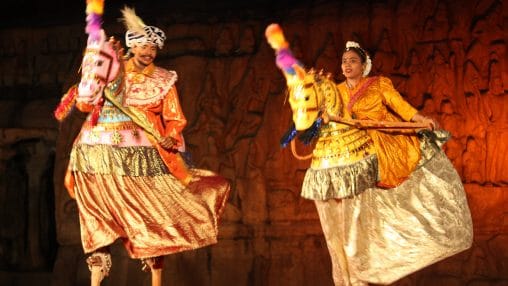
Did you know that Tamil Nadu hosts over 5,000 festivals annually? This southern Indian state is a treasure trove of vibrant celebrations that bring communities together. From ancient temples to scenic landscapes, every corner of this region tells a story of tradition and joy.

Each festival here is a unique blend of art, music, and food. The celebrations are not just events; they are a way of life. People come together to honor their history and create lasting memories. The state’s rich traditions are preserved through these joyous gatherings.
Traveling through Tamil Nadu feels like stepping into a world where every day is a celebration. The festivals offer a glimpse into the heart of its culture. Whether it’s the rhythmic beats of traditional music or the colorful decorations, there’s something for everyone to enjoy.
Key Takeaways
- Tamil Nadu hosts over 5,000 festivals each year.
- Festivals unite communities and preserve traditions.
- Ancient temples and scenic landscapes set the stage for celebrations.
- Each festival offers unique insights into art, music, and food.
- Traveling through Tamil Nadu feels like a daily celebration of life and history.
Overview of Tamil Nadu’s Vibrant Festival Culture
Celebrations in Tamil Nadu are deeply rooted in ancient traditions. These events are more than just gatherings; they are a way to honor history and bring people together. From religious rituals to community processions, every celebration tells a story of unity and joy.
Historical and Cultural Roots
The festivals of this place trace back to centuries-old customs. Many events are tied to deities and religious practices, reflecting the spiritual essence of the region. Families and communities play a vital role in keeping these traditions alive, passing them down through generations.
For example, ancient temple rituals have evolved into grand processions that involve entire towns. These events showcase the deep connection between person and their cultural identity. The blend of music, dance, and art adds a unique charm to every celebration.
Modern Celebrations and Community Spirit
Today, these festivals have embraced modern elements while staying true to their roots. Community gatherings now include artistic performances, food stalls, and interactive activities. This balance between tradition and innovation keeps the spirit of the place alive.
One notable example is the transformation of ancient harvest rituals into large-scale public events. These modern celebrations attract visitors from across the globe, showcasing the vibrant culture of the region. The involvement of every person in these events highlights the strong sense of community.
| Aspect | Ancient Celebrations | Modern Celebrations |
|---|---|---|
| Focus | Religious rituals and deities | Community gatherings and artistic expressions |
| Participation | Limited to local families | Involves people from diverse backgrounds |
| Activities | Temple processions and prayers | Music, dance, food stalls, and interactive events |
These festivals are a testament to the enduring spirit of the place. They not only preserve history but also create opportunities for every person to connect and celebrate together. Whether ancient or modern, each event is a vibrant reflection of the region’s cultural richness.
Cultural and Heritage Festivals in Tamil Nadu
Throughout the year, Tamil Nadu comes alive with celebrations that honor its rich history. These events are a vibrant mix of spirituality, art, and community bonding. Each festival reflects the region’s deep-rooted traditions and seasonal changes.
One of the most significant events is Pongal, a harvest festival that marks the end of winter. Families gather to cook traditional dishes and offer gratitude for a bountiful harvest. The festival is a joyful reminder of the region’s agricultural heritage.
Another highlight is Thaipusam, a spiritual event dedicated to Lord Murugan. Devotees carry kavadis and perform acts of penance, showcasing their devotion. The festival is a powerful display of faith and community spirit.
Seasonal changes are also celebrated through events like Aadi Perukku, which honors the monsoon and fertility. Families gather by rivers to offer prayers and celebrate nature’s abundance. These festivals highlight the connection between people and their environment.
Performance arts play a central role in many celebrations. The Margazhi Festival is a month-long event dedicated to classical music and dance. Artists from across the region come together to showcase their talent, keeping ancient art forms alive.
| Festival | Significance | Key Activities |
|---|---|---|
| Pongal | Harvest celebration | Cooking traditional dishes, offering gratitude |
| Thaipusam | Spiritual devotion | Kavadi processions, acts of penance |
| Aadi Perukku | Monsoon and fertility | River worship, community gatherings |
| Margazhi Festival | Classical arts | Music and dance performances |
These festivals are more than just events; they are a way of life. They bring people together, preserve traditions, and celebrate the region’s rich heritage. Whether it’s a harvest celebration or a spiritual ritual, each festival offers a unique glimpse into the heart of Tamil Nadu.
Pongal Festival: Celebrating the Harvest
Marking the end of winter, Pongal celebrates the harvest season with great enthusiasm. This four-day festival is a heartfelt tribute to nature’s bounty and community spirit. Families come together to honor the sun god and express gratitude for a successful harvest.
Traditions and Rituals of Pongal
The festival begins with Bhogi, a day dedicated to discarding old belongings and welcoming new beginnings. Homes are cleaned and decorated with Kolam, intricate designs made with rice flour. The second day, Thai Pongal, is the highlight, where families cook the special dish Pongal using newly harvested rice, milk, and jaggery.
This dish is offered to the sun god as a symbol of gratitude. The third day, Mattu Pongal, honors cattle, which play a vital role in agriculture. The final day, Kaanum Pongal, is a time for family outings and community gatherings.
Festive Highlights and Culinary Delights
Pongal is not just about rituals; it’s a feast for the senses. Homes are adorned with colorful decorations, and the aroma of traditional dishes fills the air. The festival also features events like Jallikattu, a bull-taming sport that showcases bravery and skill.
Culinary delights take center stage during Pongal. Apart from the signature dish, families prepare sweets like sakkarai pongal and savory snacks like vadai. These recipes highlight regional ingredients and the richness of the state’s culinary tradition.
Pongal is a time when the community comes together in a joyful celebration of nature’s abundance. It’s a festival that brings light to the lives of people, uniting them in gratitude and happiness.
Tamil New Year: Welcoming the Tamil Calendar
April 14th marks the beginning of a new era in the Tamil calendar, celebrated with vibrant traditions. This spirited event is a time of renewal, filled with hope and cultural vibrancy. Families and communities come together to honor the occasion with joy and gratitude.
Decorations and Rangoli Designs
Homes are adorned with mango leaves and colorful rangoli designs. These intricate patterns symbolize prosperity and welcome positive energy. Neighborhoods transform into a visual feast, reflecting the festive spirit of the festival tamil.
Temple Visits and Community Prayers
Temple visits play a central role in the celebrations. Devotees offer prayers and seek blessings for a prosperous year ahead. Community gatherings foster a sense of unity and shared joy, making the festival tamil nadu a truly collective experience.
Special Dishes and Culinary Traditions
Special dishes like mango pachadi and payasam are prepared to mark the occasion. These recipes blend sweet, sour, and spicy flavors, symbolizing life’s diverse experiences. Sharing these meals with loved ones adds warmth to the celebration.
The Tamil New Year is more than just a date on the calendar. It’s a celebration of renewal, gratitude, and cultural richness. From decorations to prayers, every tradition reflects the deep-rooted values of the community.
Mahamaham: The Sacred Ritual Bath
Every twelve years, a sacred event transforms Kumbakonam into a hub of spiritual energy. Mahamaham, a festival celebrated in February or March, attracts thousands of pilgrims seeking spiritual renewal. This rare occasion is marked by ritual baths, majestic processions, and vibrant cultural programs.
Pilgrimage, Processions, and Spiritual Renewal
The heart of Mahamaham lies in the ritual bath at the Mahamaham tank. Devotees believe that bathing in its sacred waters cleanses sins and brings divine blessings. The tank’s historical significance dates back centuries, making it a revered site for spiritual seekers.
Processions during the festival are a sight to behold. Devotees from across India participate, carrying idols of deities and chanting hymns. The atmosphere is filled with devotion and unity, as people come together to honor their faith.
“Mahamaham is not just a festival; it’s a journey of the soul, a chance to reconnect with the divine.”
Cultural Programs and Music Performances
Alongside the religious rituals, Mahamaham features cultural programs that showcase the region’s artistic heritage. Traditional music performances, including classical and folk styles, add a festive vibe to the event. These programs highlight the rich cultural tapestry of the region.
Historical reenactments and storytelling sessions also take place, offering insights into the festival’s origins. These activities create a deeper connection between the past and present, enriching the experience for attendees.
| Aspect | Details |
|---|---|
| Ritual Bath | Cleanses sins, believed to bring divine blessings |
| Processions | Devotees carry idols, chant hymns, and celebrate unity |
| Cultural Programs | Music performances, storytelling, and historical reenactments |
| Historical Context | Centuries-old tradition rooted in spiritual beliefs |
Mahamaham is more than a festival celebrated; it’s a collective experience of faith, tradition, and joy. The event’s rarity makes it even more special, drawing people together in a shared celebration of spirituality and culture.
Margazhi Festival: A Month of Classical Arts
The Margazhi Festival transforms December and January into a celebration of classical arts. This month-long event is a tribute to the timeless beauty of music and dance, deeply rooted in the region’s traditions. Held in temples and cultural hubs, it’s a time when the soul of Tamil Nadu comes alive.
Classical Music and Dance Performances
The festival features a rich lineup of classical music concerts and Bharatanatyam dance recitals. Artists from across the region gather to showcase their talent, keeping ancient art forms alive. The performances are not just entertainment; they are a way to honor divine influences like the sun god.
Devotional songs and rhythmic dance routines create a spiritual atmosphere. The event also highlights the importance of preserving these traditional forms for future generations. Every performance tells a story, connecting the audience to the region’s rich heritage.
Temple venues add a unique charm to the festival. Nighttime concerts under the stars create an enchanting ambiance. The blend of music, dance, and spirituality makes this event a must-experience for art lovers.
“Margazhi is not just a festival; it’s a journey into the heart of classical arts.”
From the intricate footwork of Bharatanatyam to the soulful melodies of Carnatic music, every moment is a celebration of creativity. The Margazhi Festival is a testament to the enduring power of art and tradition.
Thaipusam: Devotion and Penance
Thaipusam is a powerful expression of faith and devotion, celebrated with fervor. Held in the month of January or February, this festival honors Lord Murugan, the deity of war and victory. Devotees from all walks of life come together to showcase their dedication through acts of penance and vibrant processions.
Kavadi Procession and Devotional Rituals
The highlight of Thaipusam is the elaborate Kavadi procession. Devotees carry ornate structures adorned with peacock feathers and flowers, symbolizing their burdens and sacrifices. Some pierce their skin with hooks and skewers, demonstrating their unwavering faith and endurance. These acts are believed to cleanse sins and bring spiritual renewal.
Offerings of rice, fruits, and milk are made to Lord Murugan during the festival. These symbolize gratitude and devotion, reflecting the deep connection between the divine and the devotees. The use of rice also ties the festival to agricultural traditions, emphasizing abundance and prosperity.
Vibrant Processions and Acts of Penitence
The streets come alive with colorful processions during Thaipusam. Devotees chant hymns and carry idols of Lord Murugan, creating an atmosphere of unity and reverence. The festival’s energy is contagious, drawing participants and spectators alike into its spiritual embrace.
Penance rituals, such as walking on hot coals or carrying heavy Kavadi, are central to the celebrations. These acts are not just physical challenges but also symbolic gestures of surrender and devotion. The festival’s connection to karthigai deepam, a light festival, adds another layer of spiritual significance, symbolizing the triumph of light over darkness.
“Thaipusam is not just a festival; it’s a journey of faith, sacrifice, and spiritual awakening.”
Thaipusam is a celebration that transcends boundaries, bringing people together in a shared expression of devotion. From the elaborate Kavadi processions to the heartfelt offerings of rice, every aspect of the festival reflects the deep-rooted traditions and unwavering faith of its participants.
Navaratri and Vijayadashami: Triumph of Good over Evil
Navaratri and Vijayadashami are vibrant celebrations that symbolize the triumph of good over evil. These festivals are a blend of devotion, dance, and the glow of lamps, creating an atmosphere of joy and unity. Over nine nights, communities come together to honor divine forces and celebrate the victory of light over darkness.
_on_Festival_of_Lights_-_Navarathri_01.JPG)
Traditional Dances and Ritualistic Celebrations
Navaratri is marked by traditional dances like Garba and Dandiya, which are central to the celebrations. These dances are performed in circles, symbolizing the cycle of life and the eternal nature of the divine. The rhythmic movements and colorful attire add to the festive spirit, making it a dynamic form of expression.
Ritualistic worship during Navaratri involves fasting and prayers dedicated to Goddess Durga. Devotees light lamps to signify the removal of ignorance and evil. The festival’s emphasis on light and devotion reflects the deep-rooted culture of the region.
Culmination in Vijayadashami
Navaratri culminates in Vijayadashami, a day that celebrates the victory of good over evil. Effigies of demons are burned, symbolizing the triumph of righteousness. This day also marks the end of the festival, with families coming together to share meals and exchange blessings.
The use of lamps during Vijayadashami highlights the festival’s connection to light and positivity. It’s a time when communities reflect on the power of good deeds and the importance of unity. This celebration is a testament to the enduring culture of the region.
| Aspect | Navaratri | Vijayadashami |
|---|---|---|
| Focus | Dance, worship, and fasting | Victory of good over evil |
| Symbolism | Cycle of life, divine energy | Burning of effigies, triumph of light |
| Activities | Garba, Dandiya, lighting lamps | Community gatherings, prayers |
Navaratri and Vijayadashami are more than just festivals; they are a celebration of life, unity, and the eternal struggle between good and evil. Through dance, worship, and the glow of lamps, these events bring people together in a shared expression of faith and joy.
Chithirai Thiruvizha: Divine Marriage Celebrations
Madurai’s streets come alive with divine energy during Chithirai Thiruvizha. This grand festival celebrates the celestial marriage of Lord Shiva and Goddess Meenakshi, blending mythology with vibrant traditions. It’s a time when the city transforms into a hub of spiritual and cultural fervor.
Temple Processions and Cultural Significance
The festival is marked by elaborate temple processions that wind through the streets of Madurai. Devotees carry ornate idols of the deities, accompanied by traditional music and dance. These processions are a visual spectacle, showcasing the rich heritage of the region.
Each step of the procession is steeped in ritual, from the preparation of the idols to the final blessings. The event is not just a celebration but a way to connect with the divine. It’s an experience that leaves a lasting impression on everyone who witnesses it.
Mythological Narratives and Marriage Rituals
Chithirai Thiruvizha is rooted in the mythological tale of Lord Shiva and Goddess Meenakshi’s divine union. The festival reenacts their celestial marriage, complete with traditional rituals and offerings. Devotees believe that participating in these ceremonies brings blessings and prosperity.
The marriage ritual is a highlight, symbolizing the union of divine energies. It’s a time when the community comes together to honor their shared heritage. The festival’s mythological narratives add depth to the celebrations, making it a unique experience.
“Chithirai Thiruvizha is not just a festival; it’s a journey into the heart of divine love and unity.”
From the vibrant processions to the sacred rituals, Chithirai Thiruvizha is a celebration of faith and tradition. It’s an event that reinforces community bonds and offers a glimpse into the region’s rich heritage. Whether you’re a devotee or a spectator, the festival promises an unforgettable experience.
Aadi Perukku: Celebrating Monsoon and Fertility
As the monsoon rains bless the land, Aadi Perukku brings communities together in gratitude. This unique festival, celebrated in July and August, honors the rivers that sustain life and agriculture. It’s a time when people gather to offer prayers and celebrate nature’s abundance.
Community Gatherings and River Worship
Aadi Perukku is deeply rooted in rural traditions. Communities, especially in small towns, gather by rivers like the Cauvery to perform rituals. Offerings of flowers, fruits, and rice are made to the river, symbolizing gratitude for its life-giving waters.
The festival also highlights the connection between agriculture and natural cycles. Farmers celebrate the harvest festival by praying for fertile lands and abundant crops. This blend of spirituality and practicality makes Aadi Perukku a meaningful event.
Local Practices and Celebrations
Each town adds its unique touch to the celebrations. Traditional songs and dances, often accompanied by classical music, fill the air. Families prepare special dishes like sweet rice and share them with neighbors, fostering a sense of togetherness.
One notable tradition is the creation of colorful Kolam designs near riverbanks. These intricate patterns, made with rice flour, symbolize prosperity and welcome positive energy. The festival’s emphasis on community and nature makes it a cherished event.
“Aadi Perukku is not just a festival; it’s a celebration of life, unity, and the rhythms of nature.”
From river worship to local gatherings, Aadi Perukku is a testament to the enduring bond between people and their environment. It’s a time to reflect on the blessings of nature and the strength of community ties.
Vinayaka Chaturthi: Embracing Prosperity and Wisdom
Vinayaka Chaturthi is a time of joy and devotion, celebrated with great enthusiasm across communities. This festival honors Lord Ganesha, the deity of wisdom and prosperity. Families come together to seek blessings and celebrate the values of unity and faith.
Rituals and Idol Celebrations
The festival begins with the installation of clay idols of Lord Ganesha in homes and temples. These idols are crafted with care, symbolizing the presence of the deity. Families perform daily prayers, offering flowers, sweets, and coconuts to seek divine blessings.
One of the highlights is the preparation of modak, a sweet dumpling believed to be Lord Ganesha’s favorite. This tradition strengthens the bond within the family, as everyone participates in the cooking and offering process.
Cultural Festivities and Processions
Vinayaka Chaturthi is not just a private celebration; it’s a communal event. Streets come alive with vibrant processions, where devotees carry the idols of Lord Ganesha. Traditional music and dance performances add to the festive atmosphere, creating a sense of unity and joy.
The festival concludes with the immersion of the idols in water bodies. This ritual, known as Visarjan, symbolizes the cycle of creation and dissolution. It’s a moment of reflection and gratitude for the blessings received.
| Aspect | Traditional Practices | Modern Practices |
|---|---|---|
| Idol Installation | Clay idols in homes and temples | Eco-friendly idols in public spaces |
| Offerings | Flowers, sweets, and coconuts | Innovative dishes and eco-friendly materials |
| Processions | Local community gatherings | Large-scale public events with cultural programs |
Vinayaka Chaturthi is more than a festival; it’s a celebration of faith, unity, and tradition. From the rituals in homes to the vibrant processions, every moment is a reminder of the values that bind communities together. It’s a time to embrace prosperity, wisdom, and the joy of togetherness.
Deepavali: The Festival of Lights
Deepavali, the Festival of Lights, brings warmth and joy to homes across the region. This luminous celebration symbolizes the triumph of light over darkness and good over evil. Families come together to honor this tradition, creating an atmosphere of unity and hope.

Lighting Lamps and Illuminating Traditions
The heart of Deepavali lies in the lighting of oil lamps, or diyas. These lamps are placed in homes, temples, and public spaces, casting a warm glow that dispels darkness. The act of lighting lamps is not just a ritual; it’s a prayer for prosperity and happiness.
Many families also use harvested rice to create intricate designs called Kolam at their doorsteps. These patterns welcome positive energy and add to the festive ambiance. The blend of light and artistry makes Deepavali a visually stunning celebration.
Family Gatherings and Festive Sweets
Deepavali is a time for families to reunite and share joy. Homes are filled with laughter as loved ones exchange gifts and sweets. Traditional treats like laddoos and barfis are prepared using harvested rice and other ingredients, symbolizing abundance and gratitude.
Evening gatherings often include cultural performances, such as music and dance, adding to the festive spirit. These activities bring communities closer, reinforcing the bonds of togetherness.
“Deepavali is not just a festival; it’s a celebration of light, love, and the strength of family.”
Modern celebrations have embraced new elements, like fireworks and eco-friendly decorations, while staying true to traditional values. Deepavali is a unique blend of old and new, offering something for everyone to cherish.
Ayudha Pooja: Honoring Tools and Traditions
Ayudha Pooja is a heartfelt celebration of the tools that shape our daily lives. This unique festivity is a time to clean, decorate, and bless the instruments we rely on. From household items to vehicles, every tool is revered for its role in our success.
The rituals of Ayudha Pooja begin with thorough cleaning. Tools are polished and arranged neatly, symbolizing respect for their contribution. Families decorate these implements with flowers and sandalwood paste, creating a festive atmosphere.
Prayers are offered to seek blessings for prosperity and efficiency. This act of gratitude underscores the importance of work and professional success. The festivity reminds us to value the tools that make our lives easier.
Communal and Familial Participation
Ayudha Pooja is not just an individual event; it’s a communal celebration. Families come together to perform the rituals, strengthening bonds and fostering unity. Communities also organize collective prayers, creating a sense of shared purpose.
In workplaces, colleagues gather to honor their tools and equipment. This practice highlights the collaborative spirit and mutual respect that drive success. The natyanjali dance festival often coincides with Ayudha Pooja, adding cultural richness to the celebrations.
Ancient Traditions and Divine Blessings
The roots of Ayudha Pooja trace back to ancient times. It is believed that Lord Shiva blessed the tools of warriors before a great battle. This tradition has evolved into a modern-day celebration of gratitude and respect.
Devotees also honor Lord Shiva during this time, seeking his blessings for wisdom and prosperity. The festival’s connection to divine forces adds a spiritual dimension to the festivity.
| Aspect | Traditional Practices | Modern Practices |
|---|---|---|
| Cleaning | Polishing tools at home | Organizing workplace cleaning drives |
| Decoration | Using flowers and sandalwood paste | Adding modern designs and lights |
| Prayers | Family rituals at home | Community gatherings and workplace ceremonies |
Ayudha Pooja is more than a festival; it’s a celebration of gratitude, unity, and tradition. From cleaning tools to honoring Lord Shiva, every ritual reflects the deep-rooted values of the community. It’s a time to appreciate the tools that shape our lives and seek blessings for a prosperous future.
Karthigai Deepam: Lighting the Divine
As the nights grow longer, Karthigai Deepam brings a glow of divine light to the region. Celebrated in November and December, this festival marks the presence of Lord Shiva with rows of oil lamps illuminating homes, temples, and hilltops. It’s a time when the darkness of winter is replaced by the warmth of spiritual gatherings.
Lighting of Lamps and Spiritual Gatherings
The heart of Karthigai Deepam lies in the tradition of lighting countless oil lamps. These lamps symbolize the divine light that dispels ignorance and brings clarity. Homes and temples are adorned with rows of flickering lamps, creating a mesmerizing sight that unites communities in devotion.
Spiritual gatherings are a key part of the festival. Families come together to perform rituals and offer prayers to Lord Shiva. The atmosphere is filled with chants and hymns, creating a sense of peace and unity. This celebration is not just about light; it’s about connecting with the divine and each other.
Communal Celebrations and Temple Festivities
Temples become the center of activity during Karthigai Deepam. Grand processions, music, and dance performances add to the festive spirit. The dance festival elements, including classical and folk styles, highlight the region’s artistic heritage. These events bring people together, fostering a sense of community and shared joy.
“Karthigai Deepam is not just a festival; it’s a journey into the heart of spirituality and light.”
The festival’s cultural resonance is undeniable. It reinforces the spiritual heritage of the region while creating lasting memories for participants. Whether through the lighting of lamps or the communal gatherings, Karthigai Deepam is a celebration that touches the soul.
Natyanjali Dance Festival: Celebrating Classical Dance
In Thanjavur, the Natyanjali Dance Festival brings together artists and audiences in a unique cultural experience. This annual event is a tribute to classical dance and music, showcasing the rich traditions of the region. Held in historic temples, the festival creates a mesmerizing blend of art and spirituality.
Showcasing Bharatanatyam and Other Classical Forms
The heart of the festival lies in its performances. Artists from across the country gather to present Bharatanatyam, a classical dance form known for its grace and precision. Other styles, such as Kuchipudi and Kathak, also take the stage, adding diversity to the event.
Each performance is carefully curated to reflect the essence of classical art. The dancers’ movements, accompanied by live music, create an enchanting atmosphere. The festival’s focus on authenticity ensures that every detail, from costumes to choreography, honors tradition.
Artistic Performances and Cultural Atmosphere
The Natyanjali Dance Festival is more than just a series of performances; it’s a celebration of culture. The temple settings add a spiritual dimension, making the experience deeply immersive. Audiences are transported to a world where art and devotion intertwine.
Preparation for the festival is a meticulous process. Artists spend months perfecting their routines, ensuring every gesture tells a story. The selection of performers is based on their skill and dedication, highlighting the festival’s commitment to excellence.
| Aspect | Details |
|---|---|
| Venue | Historic temples in Thanjavur |
| Dance Forms | Bharatanatyam, Kuchipudi, Kathak |
| Preparation | Months of practice and curation |
| Atmosphere | Spiritual and artistic |
From the rhythmic footwork to the soulful music, the Natyanjali Dance Festival is a feast for the senses. It’s a time when the past meets the present, and art becomes a bridge between generations. Whether you’re a performer or a spectator, the festival offers an unforgettable experience.
Conclusion
Step into a world where every celebration tells a story of unity and joy. The vibrant events of this region are a blend of historical traditions and modern fervor, creating an unforgettable experience. Each procession and ritual reflects the timeless spirit of the community, bringing people together in shared devotion and festivity.
From the rhythmic beats of music to the colorful displays of art, these celebrations offer a glimpse into the heart of the region. They are not just events but a way of life, preserving traditions while fostering communal bonds. The enduring nature of these gatherings ensures they remain a cherished part of the time-honored heritage.
If you’re seeking a journey filled with warmth and wonder, these vibrant celebrations await you. Experience the magic firsthand and create memories that will last a lifetime. Let the spirit of unity and joy inspire your next adventure.
FAQ
What is the significance of Pongal in Tamil Nadu?
Pongal is a harvest festival celebrated to honor the sun god and express gratitude for a bountiful harvest. It involves cooking harvested rice in milk, offering prayers, and engaging in traditional rituals.
How is Tamil New Year celebrated?
Tamil New Year, known as Puthandu, is marked by decorating homes with kolams, preparing festive dishes, visiting temples, and exchanging gifts to welcome the new year with joy and prosperity.
What happens during the Mahamaham festival?
Mahamaham is a sacred event where devotees take a ritual bath in the Mahamaham tank in Kumbakonam. It includes processions, spiritual renewal, and pilgrimage to cleanse the soul.
What makes the Margazhi Festival unique?
The Margazhi Festival is a month-long celebration of classical music and dance. Artists perform Bharatanatyam, Carnatic music, and other traditional art forms, creating a vibrant cultural atmosphere.
What is the highlight of Thaipusam?
Thaipusam is known for the Kavadi procession, where devotees carry ornate structures as acts of penance and devotion to Lord Murugan. It’s a vibrant display of faith and endurance.
How is Deepavali celebrated in Tamil Nadu?
Deepavali, the festival of lights, involves lighting oil lamps, bursting fireworks, preparing sweets, and gathering with family to celebrate the triumph of light over darkness.
What is the importance of Karthigai Deepam?
Karthigai Deepam is celebrated by lighting lamps in homes and temples to honor Lord Shiva. It symbolizes the dispelling of darkness and the victory of divine light.
What is the Natyanjali Dance Festival?
The Natyanjali Dance Festival is a tribute to classical dance forms like Bharatanatyam. It’s held in temples, showcasing artistic performances and celebrating the rich dance heritage of Tamil Nadu.
What is the essence of Chithirai Thiruvizha?
Chithirai Thiruvizha celebrates the divine marriage of Goddess Meenakshi and Lord Sundareswarar. It includes grand temple processions, mythological reenactments, and cultural rituals.
How is Ayudha Pooja observed?
Ayudha Pooja involves cleaning and decorating tools, vehicles, and instruments as a gesture of gratitude. It’s a day to honor the instruments of livelihood and creativity.
Read more: Attractions

.jpg)