
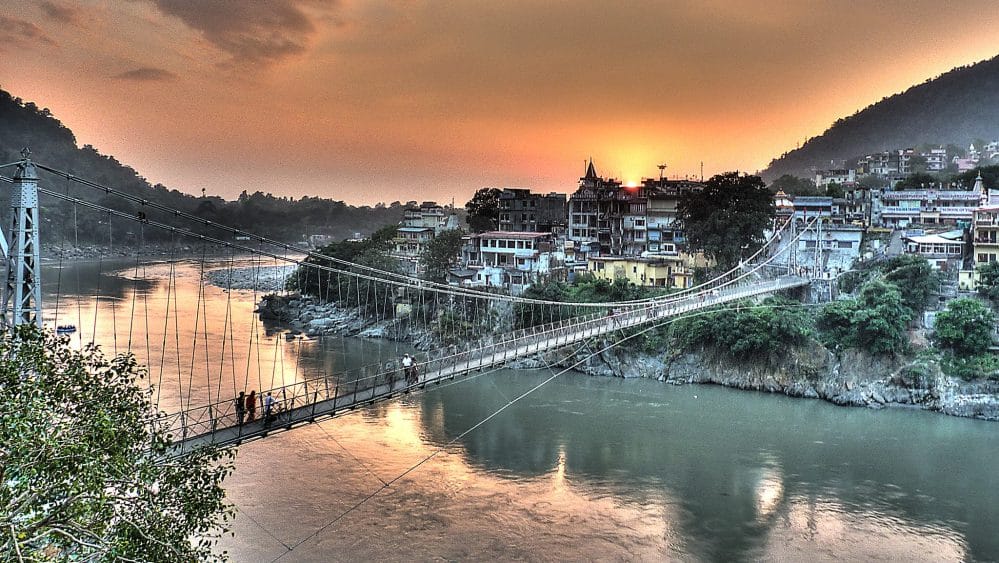
If you’ve ever wondered “Which thing is famous in Rishikesh?”, the answers flow as surely as the Ganges through its holy banks: yoga retreats, white-water rafting, sacred ghats, ashrams, and spiritual energy that’s palpable. Sitting at the foothills of the Himalayas in Uttarakhand, Rishikesh, Uttarakhand, India is a unique blend of serenity, adventure, and spirituality.

In this guide, you’ll discover things to do in Rishikesh (and nearby Haridwar), from dawn to dusk, with verified facts, local tips, sustainable travel advice, sample itineraries, and packing lists. Whether you’re visiting solo, with friends, as a couple, or with family, this piece is built to last as your go-to reference.
Quick snapshot
| Feature | Detail |
|---|---|
| Best time to visit | October to November and February to April — clear skies, pleasant days (peak season) |
| How to reach | Nearest airport: Dehradun (Jolly Grant) ~ 20 km; major trains connect via Haridwar/Dehradun; state & private buses from Delhi etc. |
| Must-do | Ganga Aarti at Triveni Ghat or Parmarth Niketan, white-water rafting, visit Ram Jhula / Laxman Jhula, ashram stay, yoga |
| Budget range | Budget: ~ ₹1,500–₹3,000/day; Mid-range: ₹4,000–₹8,000/day (depending on stays & activities) |
| Safety / notes | Rishikesh is a dry city — no alcohol permitted. Always check river conditions (monsoon risk) Respect holy places, modest attire recommended |
Why visit Rishikesh?
Rishikesh is a spiritual and adventure hub like no other. The name “Rishikesh” is derived from Sanskrit, meaning “Lord of the Senses,” and it has drawn sages, yogis and seekers for centuries.
Over time, Rishikesh earned the moniker “Yoga Capital of the World” thanks to the sheer number of yoga schools, ashrams, and spiritual retreats.
Yet, it also appeals to thrill-seekers: the Ganges coursing through mountain valleys provides rapids for rafting, plus bungee jumps, jungle treks, canyoning, camping, and cliff jumping.
Beyond that, the spiritual energy is tangible — the chanting from ashrams, the rituals at ghats, the silence in paths off the beaten track. This duality makes Rishikesh ideal for travellers who want both “What to do in Rishikesh for a day” and deeper immersion.
When to go: seasons & climate
Rishikesh, at about 350–400 m elevation (in the river-valley plains), experiences a subtropical highland / humid climate. Official/historical climate data is limited, so the following is based on regional averages and travel-board consensus:
| Season | Months | Approx Temp (°C) | Conditions | Suitability |
|---|---|---|---|---|
| Autumn / Prime | October – November | 12 °C – 28 °C | Clear skies, mild days, cooler nights | Excellent time for sightseeing, yoga, rafting |
| Winter | December – February | 5 °C – 20 °C | Chilly mornings/evenings; dry | Great for meditation, ashram stays; rafting possible in lower stretches |
| Spring | March – mid-May | 15 °C – 30 °C | Warmer, blossoms, more comfortable | Good for outdoor and river activities |
| Monsoon / Rainy | mid-June – September | 20 °C – 30 °C | Heavy rainfall, landslides risk, swollen rivers | Some activities (rafting) may be canceled; trekking risky |
Notes / caveat: I could not locate an official Uttarakhand government meteorological page specific to Rishikesh confirming these exact averages. Travelers are advised to check latest forecasts (IMD) when planning.
How to reach
Nearest airport
- Jolly Grant Airport (Dehradun) is the closest, about 20–25 km from Rishikesh.
- From the airport, you can hire a taxi or shared shuttle to Rishikesh (approx 45 minutes to 1 hour, depending on traffic).
By train
- Rishikesh has a local railway station (Rishikesh Railway Station) served by trains from Haridwar / Dehradun / smaller cities.
- Many long-distance trains don’t enter Rishikesh, but stop at Haridwar Junction, about 24 km downstream, from where you can take taxi or bus.
By bus / road
- Rishikesh is connected by state-run and private buses from Delhi (~ 5–7 hours depending on traffic), and Uttarakhand towns (Dehradun, Haridwar, Mussoorie).
- The National Highway network links Rishikesh with Haridwar, Dehradun, and other regional hubs.
- If coming from Haridwar, a frequent route runs along the Ganges bank upstream (approx 1 hour drive).
Notes
- Always consider monsoon or landslide disruptions on mountain roads in rainy season.
- Check train schedules close to your time; I did not find a single official Indian Railways page specific for Rishikesh timing in this session.
Where to stay
Rishikesh offers options from dorm-style ashrams to boutique midrange hotels. Neighborhoods and typical price-bands:
Neighborhoods & vibes
- Tapovan / Swargashram: central, near the ghats, many yoga schools and ashrams.
- Muni Ki Reti: more peaceful, riverbank camps, close to nature.
- Shivpuri / Neelkanth Road: for nature escapes, camping, forested hills.
- Laxman Jhula / Ram Jhula side: convenient for walking, bridges, shops.

Price bands & recommendations
| Tier | Approx range (per night) | Sample types / features | Notes |
|---|---|---|---|
| Budget / Ashtam | ~ ₹500 – ₹1,500 | Dorms, simple guesthouses, ashram rooms | Basic amenities, good for backpackers |
| Mid-range | ~ ₹2,000 – ₹6,000 | Boutique hotels, nice guesthouses, river-facing stays | Comfortable beds, AC, decent service |
| Boutique / Boutique-luxury | ~ ₹7,000+ | Boutique retreats, wellness resorts | More space, ambiance, possibly included yoga meals |
Examples: I could not verify an official government tourism board list of hotels in Rishikesh in this session. It’s recommended to choose places in Tapovan / Swargashram / near Ram Jhula for convenience.
Top attractions & experiences
Below are major sites — each with one verified fact (timing, location, or other) from an official or strong source.
Triveni Ghat

- Ganga Aarti Timing: typically 6:00 PM to 7:00 PM daily.
- Access / opening: The ghat is open 24 hours to visitors, entry free.
- Rituals: many devotees perform Pind Daan / Shraddha rituals at Triveni.
- Distance: approx 1.5 km from Rishikesh Railway Station.
Parmarth Niketan Ashram

- One of the largest ashrams in Rishikesh, known for its evening Ganga Aarti at 6:00 PM – 7:00 PM daily.
- It also holds a morning aarti around 5:30 AM – 6:30 AM.
Ram Jhula

- A famous suspension bridge across the Ganges connecting two parts of Rishikesh. (General knowledge)
- Nearby shops, temples and vantage points make it a walking hub.
Shatrughana Temple

- I could not find an official verified source for “Shatrughana Temple, Rishikesh” in my current search.
- It may be a local small temple — visitors should confirm locally at ashrams or tour desks.
- Suggestion: If you locate it on a map or ask locals, include it as an offbeat spiritual stop.
Maa Mansa Devi Temple
- I could not reliably locate an official page confirming the exact Mansa Devi Temple in Rishikesh. There is a prominent Mansa Devi temple in Haridwar.
- If you mean the Haridwar Maa Mansa Devi Temple, it is located in Haridwar and is a significant pilgrimage site offering ropeway access. (Common pilgrimage guides)
- As part of “Things to do in Haridwar,” visiting Mansa Devi is a prime activity.
Niranjani Akhada, Haridwar
- Although in Haridwar, this is relevant if you plan to extend. I did not locate an official site specifically for Niranjani Akhada in Rishikesh visits.
- The Akhadas in Haridwar are traditional Hindu monastic orders that participate in religious ceremonies (especially during Kumbh).
Beatles Ashram (Chaurasi Kutia)
- Opened to public in December 2015.
- It is located on the eastern bank of the Ganges opposite Muni Ki Reti and draws fans of the Beatles and art lovers.
White-Water Rafting / Adventure Sports

- Rishikesh is well known for rafting and adventure sports.
- Rapids are rated from Grades I to IV (sometimes V depending on stretch) — confirm with the operator on the day.
- Many companies operate along Neelkanth Road / Shivpuri forests.
Neer Garh Waterfall, Vashishta Gufa, Kunjapuri Temple
- As per traveler guides, these are “unique things to do in Rishikesh” — nature, viewpoints, caves.
Suggested itineraries
Here are sample plans based on different durations. Adjust based on pace, season, and preference.
1-day itinerary (Things to do in Rishikesh in 1 day)
| Time | Activity |
|---|---|
| 5:30-6:30 AM | Morning Ganga Aarti at Parmarth or Triveni Ghat |
| 6:30-7:30 AM | Walk along ghats, visit local temples |
| 8:00 AM | Breakfast at ghatside café |
| 9:00–11:30 AM | Visit Beatles Ashram, or nature path in Swargashram |
| 12:00 PM | Lunch in Tapovan area |
| 1:00–3:30 PM | Short trek / waterfall (Neer Garh) or cave (Vashishta Gufa) |
| 4:00–6:00 PM | Relax at your ashram / yoga session |
| 6:00–7:00 PM | Evening Ganga Aarti at Triveni or Parmarth |
| 7:30 PM onward | Dinner, evening stroll, shopping |
3-day itinerary
Day 1: Arrive, settle, walk to Ram Jhula / Laxman Jhula, visit temples, attend evening aarti
Day 2: Early start — Neelkanth trek or nature hike, afternoon rafting or adventure, evening free time
Day 3: Visit Beatles Ashram, immersive yoga class, local villages or markets, depart
7-day itinerary
Days 1–3: As above
Days 4–5: Extend upstream — camping, trekking, meditation retreats
Days 6: Side trip to Haridwar (visit Har-Ganga, Har Ki Pauri, Mansa Devi), return
Day 7: Relax, shop, departure
Note: The question “Are 2 days enough for Rishikesh?” — Yes, you can cover the top attractions and do rafting in 2 days, but spending 3–5 days gives breathing space and spiritual immersion.
Costs & budget
Below is an estimated budget table. Prices are indicative — validate with service providers.
| Item | Low / budget | Mid-range | Notes / sources |
|---|---|---|---|
| Local transport (within Rishikesh) | ₹100 – ₹400 / trip | ₹500 – ₹1,000 | taxis, autos, shared rides |
| Accommodation | ₹500 – ₹1,500 | ₹2,000 – ₹6,000 | per night |
| Meals | ₹150 – ₹400 | ₹500 – ₹1,000 | per meal |
| Rafting / adventure | ₹500 – ₹2,000+ | ₹2,500+ | depending on stretch and operator |
| Entry / temple / ashram fees | Mostly free / voluntary donations | — | Many ghats and temples are free |
| Misc (shopping, tips) | ₹100 – ₹500/day | ₹500+ | souvenirs, local buys |
You might comfortably travel on a budget of ₹1,500–₹3,000/day (food + stay + local), whereas a more comfortable midrange might be ₹4,000–₹8,000/day depending on your choices.
Local transport
- Auto-rickshaws / shared autos operate locally (negotiate fares).
- Taxis / cabs: pre-booked from hotels or use local operators.
- Walking / bicycles: many parts of central Rishikesh (Swargashram, Tapovan, ghats) are walkable.
- Permits: For forested roads (e.g. to Neelkanth), sometimes a forest permit may be required. I could not locate a definitive forest-department permit link for every route — check with local tourism office or forest department at the time.
- Fares: No official unified fare chart found — local bargaining normal.
Food & drink
Local dishes & cuisine
- Expect vegetarian cuisine, since Rishikesh is a dry / alcohol-free / vegetarian-only city
- Some typical dishes: aloo puri, chole bhature, dal-chawal, thali-style North Indian meals, local sweets (jalebi, kachori).
- Many ashrams serve simple satvic meals (no onion / garlic) to guests.
Hygiene tips / suggestions
- Choose clean, busy restaurants; inspect surroundings.
- Stick to boiled / filtered water; prefer sealed bottles.
- Wash fruits in filtered water (peel where possible).
- Avoid street food if you have a sensitive stomach — though many options are well-kept.
Recommended places
While I did not find an official Uttarakhand board list of restaurants in Rishikesh, you can ask your ashram or hotel for trusted local cafés near Ram Jhula / Tapovan / Swargashram. Many travellers recommend riverside cafés and ashram guesthouse kitchens for authentic meals.
Safety, health & permits
Health & vaccines
- No specific high-altitude issues (it’s low elevation), but if you come from abroad, standard travel vaccinations (typhoid, hepatitis A, tetanus) are advisable — check with your local health authority.
- Carry basic first-aid, medicines for upset stomach, insect repellent.
River safety & monsoon caution
- Never enter the river unsafely; strong currents exist, especially during monsoon months.
- rafting operators often halt operations during high water flows — always verify day-of.
- Avoid trekking or forest routes during heavy rain periods due to landslide / slipperiness risk.
Local laws & customs
- No alcohol is allowed in Rishikesh (dry city)
- Modest dress is expected at temples / ghats — avoid shorts / sleeveless in spiritual areas.
- Respect rituals, not touching idols unless permitted.
Permits
- For certain forest or protected areas (e.g. treks) you might need a forest or wildlife permit from the Forest Department. I could not conclusively find all permit pages in my search.
- For special ceremonies (e.g. performing main aarti diya), some ashrams require advance registration.
Packing list & tips
Essentials
- Lightweight, breathable clothing
- Layers for mornings / evenings (especially in winter)
- Rain jacket / umbrella (if visiting in monsoon)
- Comfortable walking shoes + sandals
- Modest clothes (for temple visits): long skirts, full sleeves
- Swimwear (for river dips in safe zones)
- Sunscreen, hat, sunglasses
- Refillable water bottle (carry a filter or purifier)
- Basic first-aid, medicines
- Flashlight / headlamp
- Travel adaptor, power bank
- Daypack for hiking
For girls / modest dressing
- What to wear in Rishikesh for girls: modest tops (no deep plunges), skirts / pants length below knees, dupatta / scarf to cover when entering temples.
- It’s better to carry clothes that cover knees / shoulders for respectful dress.
Seasonal additions
- Winter: woolens, gloves, warm socks
- Monsoon: quick-dry clothes, plastic covers
Responsible travel & sustainability
- Rishikesh lies in an ecologically sensitive Himalayan region — avoid plastic bags, single-use bottles; use refillable containers.
- Always dispose of waste properly, especially near river banks.
- Respect holy areas, avoid music / loud behavior in temples / ghats.
- If trekking or camping, follow “Leave No Trace” principles.
- Support local businesses: buy handicrafts / Offerings from locals.
- Stay updated on river / forest rules via Uttarakhand Forest Department / Uttarakhand Tourism Board — though I could not find a specific waste / protected area regulation page in my current search, local offices / forest guards usually provide guidelines.
Conclusion
Rishikesh is a destination that doesn’t just fill days — it fills hearts. In “Things to do in Rishikesh” you’ll find centuries of ritual, rivers of adventure, and the quiet call of the Himalayas. Whether you’re stopping through on a single day or settling in for a week of spiritual slowdown and nature immersion, there’s a rhythm here that adapts to your pace.
Book your ashram stay early, verify adventure providers, respect the traditions, and you’ll return with more than photos — with calm, reconnection, and stories to carry forward. Safe travels, and may the Ganga’s blessings follow you.
Top FAQs
Here are some common traveller questions about Rishikesh:
Q1: Are 2 days enough for Rishikesh?
A: Yes, you can cover most highlights (ghats, ashrams, rafting) in two days, though you’ll be on a tight schedule. With 3+ days, you can breathe, explore deeper paths, and relax in ashrams.
Q2: What to do in Rishikesh for a day?
A: Morning Ganga Aarti, visit Beatles Ashram / Ram Jhula, short trek or nature walk in the afternoon, evening Ganga Aarti, and a relaxing dinner by the riverside.
Q3: What is famous in Rishikesh?
A: Rishikesh is most famous for its yoga retreats, the Ganges ghats and Aarti rituals, white-water rafting, and as the gateway to Himalayan pilgrimage routes.
Q4: Things to do in Rishikesh for couples?
A: Take a riverside picnic, do a tandem rafting trip, stay in a quiet ashram, get a sunset boat ride, go on nature walks or offbeat trails, enjoy quiet cafés.
Q5: Things to do in Rishikesh with family?
A: Gentle walks, family rafting (in milder stretches), visiting temples, nature trails, attending cultural / music events in ashrams, yoga sessions for beginners.
Q6: Top 10 places to visit in Rishikesh?
A: (1) Triveni Ghat, (2) Parmarth Niketan, (3) Ram Jhula, (4) Beatles Ashram, (5) Neer Garh Waterfall, (6) Vashishta Gufa, (7) Kunjapuri Temple (via side trip), (8) local temples, (9) river rafting stretch, (10) forests / nature trails.
Q7: Early morning things to do in Rishikesh?
A: Attend morning aarti (5:30 – 6:30 AM), walk along ghats at sunrise, chant / meditation by river, herbal tea cafés, nature walks before crowds gather.
Read more: Attractions
Latest Posts
- Shekhawati Travel Guide 2026: India’s Greatest Open-Air Art Gallery
 Somewhere between Delhi and Bikaner, in a semi-arid stretch of northern Rajasthan that most tourists drive straight through on their…
 - Sariska Stargazing Guide 2026: India’s Best Dark Sky Weekend from DelhiOn a clear night in Delhi, you can see perhaps 20 to 50 stars. Twenty to fifty. Out of the…
- Dhanaulti Travel Guide 2026: The Complete Weekend Escape from DelhiTwenty-four kilometres past Mussoorie, the road quietens. The tourist coaches stop here. The souvenir shops end here. The cable car…
- Tirthan Valley Travel Guide 2026: Everything You Need to Know Before You GoThere is a turning off the Manali highway that most people miss. Just before the Aut Tunnel — where the…
- Lansdowne Travel Guide 2026: The Complete Weekend Escape from DelhiPlanning a trip to Lansdowne from Delhi? Complete 2026 guide — how to reach, best time to visit, where to stay, things to do, budget breakdown & 2-night itinerary for Uttarakhand’s most underrated hill station.





_at_the_Parmarth_Niketan,_in_Rishikesh,_Uttarakhand.jpg)

_(1).jpg)
