
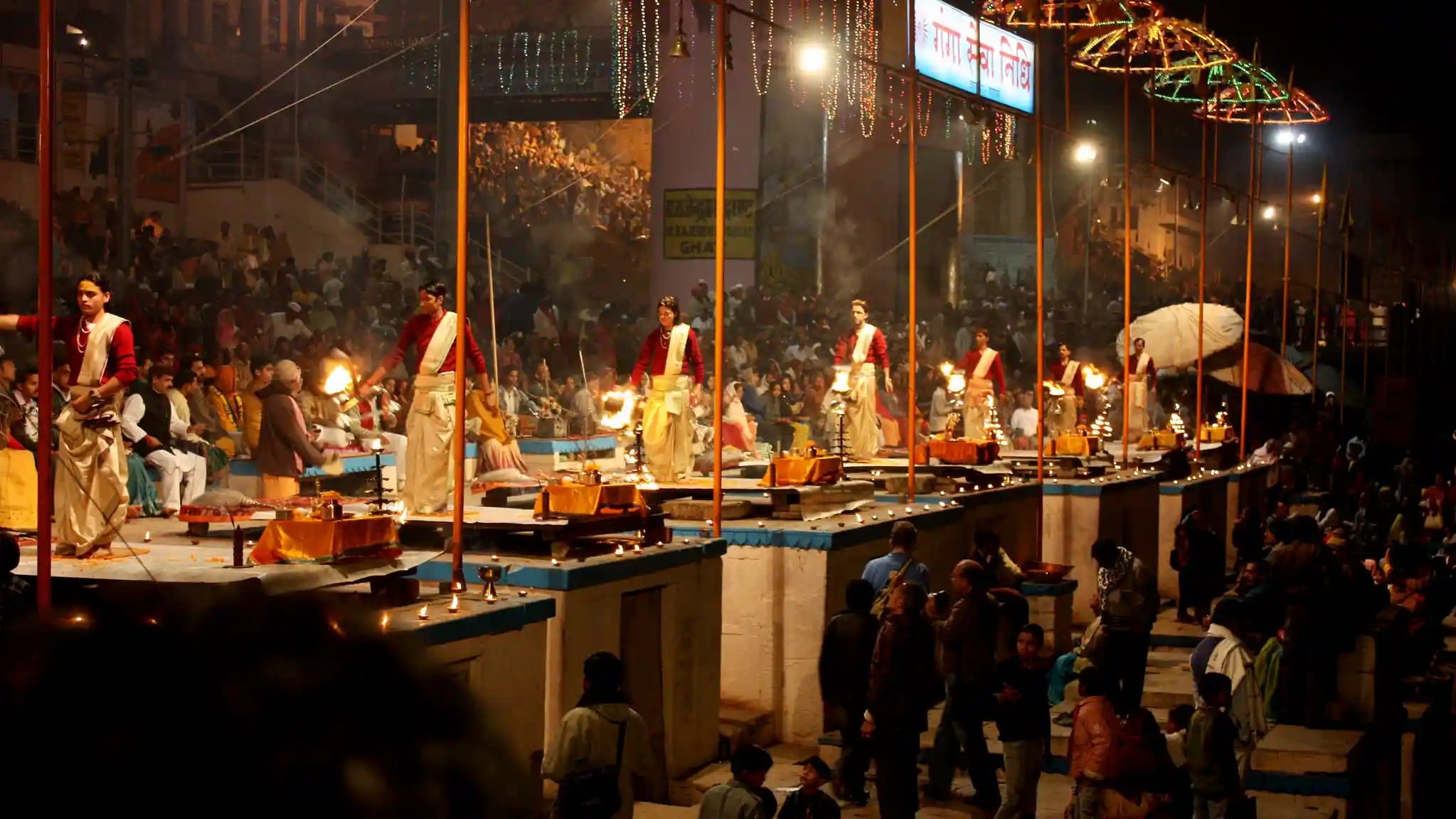
Few cities in the world can stir the soul the way Varanasi does. Known as Kashi or Banaras, this ancient city on the banks of the River Ganga has been the beating spiritual heart of India for over 3,000 years. The air here feels thick with history — from the echo of temple bells at sunrise to the haunting melody of evening aartis. Every street seems to whisper stories of saints, poets, and pilgrims who came seeking liberation.

Whether you’re a first-time traveler or a repeat visitor, Varanasi is not a city you simply see — it’s a city you feel. This guide will take you through the best things to do in Varanasi — from watching the sunrise over the ghats to exploring its labyrinthine alleys, ancient temples, local cuisines, and cultural treasures.
1. Witness the Divine Ganga Aarti at Dashashwamedh Ghat
If you do just one thing in Varanasi, let it be this. The Ganga Aarti at Dashashwamedh Ghat is a spectacle of devotion and energy unlike anything else in India. Every evening, as the sun sets, young priests dressed in saffron robes perform a synchronized ritual using large brass lamps, incense, and chants that fill the air with divine resonance.

Timing: Starts around 6:45 PM (summer) or 6:00 PM (winter).
Best Time to Visit: Arrive at least 45 minutes early to secure a good spot. You can also watch it from a boat for a panoramic view.
Pro Tip: Bring your camera but avoid flash — the natural glow of the lamps is far more magical.
2. Take a Sunrise Boat Ride on the Ganges
There’s no better way to begin your day in Varanasi than with a boat ride at dawn. As the first rays of sunlight kiss the waters, the ghats come alive with activity — locals bathing, priests performing morning rituals, and pilgrims offering prayers.

Start Point: Dashashwamedh Ghat or Assi Ghat.
Ideal Time: 5:30 AM to 7:00 AM.
What to Expect: A peaceful glide past the ghats, witnessing daily life and spirituality blend seamlessly.
This experience captures the essence of Banaras — where life and faith flow together.
3. Visit the Shri Kashi Vishwanath Temple
Dedicated to Lord Shiva, Shri Kashi Vishwanath Temple is the holiest of all Shiva shrines and one of the 12 Jyotirlingas in India. It’s said that visiting this temple and bathing in the Ganga ensures moksha (liberation).

Location: Vishwanath Gali, near Dashashwamedh Ghat.
Timings: 4 AM – 11 AM and 12 PM – 9 PM.
Entry Tips: Leave your mobile phones and cameras at the locker counters outside. The area is highly secure.
The temple’s golden spire, shimmering under the sun, is a symbol of faith that has guided millions for centuries.
4. Explore Assi Ghat — The Soulful Side of Varanasi
At the southernmost end of the city lies Assi Ghat, a vibrant yet serene corner loved by both locals and travelers. This is where the River Assi meets the Ganga, and mornings here are magical — with yoga sessions, devotional songs, and chai stalls bustling with energy.

Things to Do:
- Attend the morning Subah-e-Banaras cultural program.
- Join locals for yoga and meditation by the river.
- Enjoy a peaceful evening boat ride.
Nearby Cafés: Open Hand Café, Pizzeria Vatika, and Brown Bread Bakery offer great food with a view.
5. Stroll Through the Ancient Lanes of Old Varanasi
The narrow winding alleys of Old Varanasi are like a maze of mysteries. Each lane reveals something new — a temple, a local sweet shop, or a craftsman carving idols from stone. Walking through these lanes gives you a glimpse into the city’s soul.
Highlights:
- Visit Vishwanath Gali for souvenirs and brass idols.
- Taste the famous Kachori Sabzi and Lassi.
- Spot hidden temples and colorful murals.
Every corner feels timeless, untouched by the rush of modern life.
6. Experience Serenity at Sarnath — The Land of Buddha’s First Sermon
Just 10 km from Varanasi lies Sarnath, one of the most sacred Buddhist sites in the world. It’s where Lord Buddha delivered his first sermon after attaining enlightenment in Bodh Gaya.

Main Attractions:
- Dhamek Stupa: Built by Emperor Ashoka, it marks the exact spot of the first sermon.
- Chaukhandi Stupa: An ancient brick structure with Mughal-era touches.
- Sarnath Archaeological Museum: Houses the iconic Lion Capital of Ashoka, India’s national emblem.
Best Time to Visit: Morning hours before the tourist rush.
Sarnath’s calm contrasts beautifully with Varanasi’s intensity — making it an essential stop for reflection and peace.
7. Indulge in Varanasi’s Street Food
Varanasi is a paradise for food lovers. From spicy snacks to decadent sweets, every bite here tells a story of tradition.
Must-Try Dishes:
- Kachori Sabzi: A crispy, spicy breakfast staple.
- Tamatar Chaat: A Banarasi specialty bursting with tangy flavors.
- Malaiyyo: A winter delicacy made from milk froth, saffron, and nuts.
- Banarasi Paan: End your meal the authentic way — with a sweet paan wrapped in silver foil.
Best Food Spots: Kashi Chat Bhandar, Blue Lassi Shop, and Deena Chaat Bhandar.
8. Visit Manikarnika Ghat — The Eternal Flame of Life and Death
Known as the main cremation ghat, Manikarnika is where the eternal flame of Hindu tradition burns continuously. It’s a place that confronts life’s deepest truths — not for morbid curiosity, but for understanding the Hindu philosophy of rebirth and liberation.

Note: Photography is strictly prohibited. Observe respectfully and avoid intrusive behavior.
Visiting Manikarnika is humbling — a reminder that in Varanasi, life and death coexist without fear.
9. Discover the Artistic Heritage at Ramnagar Fort
On the eastern bank of the Ganges stands Ramnagar Fort, built in the 18th century by Maharaja Balwant Singh. The fort’s Indo-Islamic architecture, vintage museum, and royal collection transport you to the bygone era of Kashi Naresh.

Attractions:
- The royal vintage car collection.
- 18th-century manuscripts and weaponry.
- The ornate clock tower and Durbar Hall.
Best Time: Visit around sunset for breathtaking views of the river.
10. Attend the Morning Aarti at Tulsi Ghat
While Dashashwamedh Ghat is known for its evening grandeur, Tulsi Ghat offers a peaceful morning aarti that feels deeply personal. Named after the saint-poet Tulsidas, who composed the Ramcharitmanas here, this ghat exudes calm and devotion.

Timing: Around sunrise (5:30 AM – 6:00 AM).
Why Visit: Fewer crowds, pure spiritual ambiance, and mesmerizing chants.
11. Explore Banaras Hindu University (BHU)
Founded in 1916 by Pandit Madan Mohan Malaviya, BHU is one of Asia’s largest residential universities and a center of learning and culture.
Don’t Miss:
- New Vishwanath Temple (Birla Mandir): A marble masterpiece on the campus.
- Bharat Kala Bhavan Museum: Showcasing sculptures, paintings, and archaeological artifacts.
The university’s leafy avenues and historical architecture make it a peaceful detour from the crowded ghats.
12. Shop for Banarasi Sarees and Handicrafts
No trip to Varanasi is complete without admiring its exquisite Banarasi silk sarees — a craft that has defined India’s textile heritage for centuries.
Where to Shop:
- Thatheri Bazaar and Godowlia Market for authentic silk.
- Mehta International or Bharat Silks for certified weaves.
You can also find brassware, wooden toys, and miniature paintings that make perfect souvenirs.
13. Explore Hidden Temples and Spiritual Spots
Beyond the famous shrines, Varanasi hides countless lesser-known temples that carry deep cultural meaning.
Must-Visit:
- Durga Temple (Monkey Temple): A 18th-century red temple dedicated to Goddess Durga.
- Tulsi Manas Temple: Built where Tulsidas wrote the Ramcharitmanas.
- Annapurna Temple: Dedicated to the goddess of nourishment.
Each temple adds a unique hue to the spiritual tapestry of the city.
14. Take a Walk Through Banaras’ Cultural Legacy
Varanasi has inspired poets, musicians, and artists for centuries. You can experience this living heritage through:
- Classical music concerts at Ravi Shankar’s House or Subah-e-Banaras.
- Local art galleries and workshops.
- The annual Mahashivratri and Dev Deepawali festivals.
During Dev Deepawali, every ghat glows with thousands of diyas — a sight so divine, it feels otherworldly.
15. Day Trips from Varanasi
If you have extra time, explore nearby gems:
- Chunar Fort: About 40 km away, known for its medieval architecture and legends.
- Vindhyachal: A sacred Shakti Peeth temple town 70 km away.
- Jaunpur: Known for its Sharqi-era mosques and historical ruins.
Essential Travel Tips for Varanasi
- Best Time to Visit: October to March (pleasant weather).
- Getting Around: Auto-rickshaws, e-rickshaws, and boats.
- Dress Code: Modest clothing, especially in temples and ghats.
- Safety: Be cautious in crowded areas; avoid touts offering “special rituals.”
- Respect: Varanasi is sacred — maintain silence during ceremonies and cremations.
FAQs about Things to Do in Varanasi
Q1. How many days are enough for Varanasi?
A 2–3 day trip covers the main temples, ghats, Sarnath, and food experiences comfortably.
Q2. What is the most famous ghat in Varanasi?
Dashashwamedh Ghat is the most famous, known for the grand evening Ganga Aarti.
Q3. Is photography allowed in temples?
Photography is generally prohibited inside major temples like Kashi Vishwanath. Always check local signage.
Q4. Can foreigners participate in rituals?
Yes, but it’s best to do so respectfully under local guidance or with temple permission.
Q5. What should I not miss eating in Varanasi?
Try Kachori Sabzi, Tamatar Chaat, Malaiyyo (in winter), and Banarasi Paan.
Conclusion: Why Varanasi Stays with You Forever
Varanasi isn’t just a destination — it’s an awakening. Long after you’ve left its ghats, the city lingers in your mind — the sound of bells, the fragrance of incense, the sight of the Ganga flowing endlessly. It teaches you that life and death are not opposites, but part of the same sacred rhythm.
Whether you come seeking faith, culture, or inspiration, Varanasi offers all — and something more: a glimpse of eternity.
Read more: Attractions
Latest Posts
- Shekhawati Travel Guide 2026: India’s Greatest Open-Air Art Gallery
 Somewhere between Delhi and Bikaner, in a semi-arid stretch of northern Rajasthan that most tourists drive straight through on their…
 - Sariska Stargazing Guide 2026: India’s Best Dark Sky Weekend from DelhiOn a clear night in Delhi, you can see perhaps 20 to 50 stars. Twenty to fifty. Out of the…
- Dhanaulti Travel Guide 2026: The Complete Weekend Escape from DelhiTwenty-four kilometres past Mussoorie, the road quietens. The tourist coaches stop here. The souvenir shops end here. The cable car…
- Tirthan Valley Travel Guide 2026: Everything You Need to Know Before You GoThere is a turning off the Manali highway that most people miss. Just before the Aut Tunnel — where the…
- Lansdowne Travel Guide 2026: The Complete Weekend Escape from DelhiPlanning a trip to Lansdowne from Delhi? Complete 2026 guide — how to reach, best time to visit, where to stay, things to do, budget breakdown & 2-night itinerary for Uttarakhand’s most underrated hill station.




_5.jpg)


I’m still learning from you, but I’m improving myself. I definitely enjoy reading everything that is posted on your website.Keep the posts coming. I loved it!